


Room-by-Room House Painting Guide for Homeowners
A successful repaint project starts long before the first wall is painted. A well-organized house painting guide begins with planning because color choices, room flow, finishes, and budgeting all affect the final result. Many homeowners make the mistake of selecting colors room by room without considering how spaces connect. This often creates visual breaks and reduces the effectiveness of a whole-house color palette, especially in open-concept homes. Planning also helps control costs.
Paint quantities, preparation work, furniture movement, and scheduling become easier when homeowners follow a clear interior painting planning strategy. Color coordination matters as well. Modern interiors increasingly rely on layered neutrals and subtle transitions that create continuity between spaces. Homeowners in markets such as Dallas and Denver often prioritize repaint planning because updated interiors can improve staging, resale value, and overall home appeal.
Living Room Painting Guide
The living room often sets the visual tone for the entire home, making it one of the most important spaces in any house painting guide. Because it is usually the largest shared space, color selection should balance style, comfort, and flexibility. Modern room painting thoughts increasingly favor warm neutrals such as creamy white, greige, soft taupe, and muted earth tones. These colors create openness while supporting current design trends and resale appeal. Open-concept layouts benefit especially from neutral palettes because they help connected spaces flow naturally.
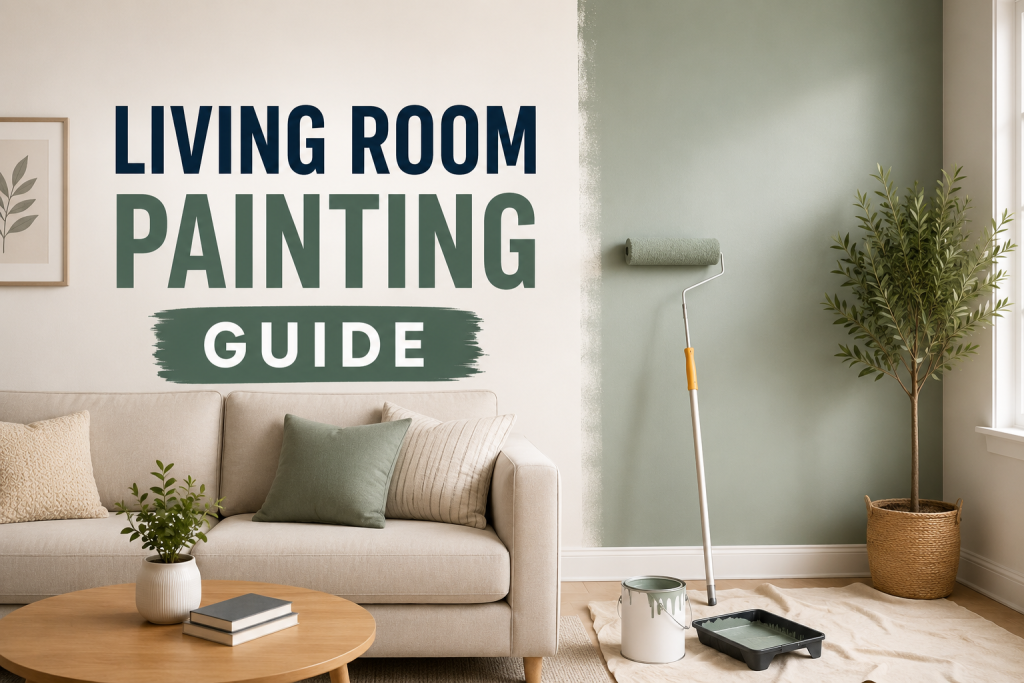
Accent walls can still be used, but modern designs now favor texture and softer contrast rather than bold colors. Lighting also influences paint performance. Rooms with strong natural light often handle warmer tones well, while darker spaces may benefit from lighter shades. For homeowners following an interior paint lead, living rooms often become the foundation of the whole house color palette because their colors influence adjoining spaces.
Bedroom Painting Guide
Bedrooms require a different approach because color influences comfort, mood, and relaxation. Within a complete house painting guide, bedrooms are often designed around calm and restorative environments rather than visual impact. When choosing the amazing paint for each room, soft palettes remain the preferred option. Warm white, muted sage, soft blue-gray, greige, and earthy neutrals continue leading bedroom trends because they create a more relaxing atmosphere.
Wellness-focused design is also shaping room painting thoughts. Homeowners increasingly choose colors inspired by nature because they help create calmer spaces and support better rest. Accent walls still work in bedrooms, but softer finishes and textured treatments often replace bold contrasts. For homeowners planning a full repaint, bedroom colors should also connect with the broader whole-house color palette to maintain flow between private and shared spaces while supporting overall interior painting organizing.
Kitchen Painting Guide
Kitchens often experience the most daily activity, making color selection especially important in any house painting guide. Paint choices should support brightness, durability, and coordination with cabinetry, countertops, and flooring. When considering wall paint preference, warm white, mushroom beige, soft greige, and muted taupe remain popular because they complement both modern and traditional kitchens. These colors also pair naturally with wood cabinetry, stone surfaces, and matte finishes.
Lighting plays a major role as well. Kitchens with limited natural light usually benefit from lighter tones that help the room feel larger and more open. Many modern room painting thoughts also incorporate subtle contrast through islands, trim, or accent sections instead of bold wall colors. For homeowners choosing the amazing paint for each room, kitchens often work best when their palette connects with nearby living areas, helping support a cohesive whole-house color palette in open layouts.
Bathroom Painting Guide
Bathrooms require a unique approach because moisture, lighting, and room size all influence paint performance. In any house painting guide, bathrooms should balance durability with colors that make the space feel bright and open. A strong interior paint lead for bathrooms often starts with lighter palettes. Warm white, soft gray-beige, muted blue, sandy neutrals, and gentle earth tones remain popular because they reflect light and visually expand smaller spaces.
Natural light also affects wall paint selection. Bathrooms with limited windows generally benefit from warmer shades to prevent the room from feeling cold. Moisture resistance matters as well. Choosing the right finish can improve durability and reduce maintenance over time. Many homeowners also coordinate bathroom colors with adjacent bedrooms as part of broader interior painting organizing. This helps maintain consistency and supports the overall whole-house color palette, especially in primary suites and connected layouts.
Home Office Painting Guide
Home offices have become a permanent part of many homes, making color selection more important in any modern house painting guide. Paint choices can influence focus, comfort, and overall productivity. Among current home painting guidance, muted and calming palettes perform best. Soft sage, dusty blue, warm greige, mushroom beige, and muted earth tones help create balanced work environments without becoming distracting.
Colors that are too dark may make smaller offices feel heavy, while highly saturated shades can reduce visual comfort during long work sessions. Natural light also affects performance. Offices with strong daylight often handle warmer tones well, while darker spaces may benefit from lighter neutrals. For homeowners choosing the amazing paint for each room, office colors should still connect with the surrounding house color palette to maintain visual flow and support broader interior painting organizing throughout the home.
Choosing a full House Color Palette
Creating a cohesive whole-house color palette is one of the most important steps in any house painting guide because it determines how rooms connect visually throughout the home. Instead of selecting colors independently, homeowners should think about transitions between spaces. Open-concept homes especially benefit from layered neutrals and complementary tones that create flow without making interiors feel repetitive. Warm white, greige, mushroom beige, soft taupe, and muted earth colors remain popular foundations because they work across multiple rooms and design styles.
Accent colors can still be introduced, but they usually perform best in bedrooms, offices, or smaller feature spaces rather than main circulation areas. A strong interior painting organizing strategy also considers flooring, cabinetry, trim, and natural lighting. For homeowners following an interior paint lead, consistency often matters more than using many different colors because connected spaces typically feel larger and more modern when the palette remains coordinated.
Interior Painting Organizing Tips for Full Repaints
A whole-home repaint requires more than choosing colors. Proper interior painting organization helps homeowners control costs, reduce disruptions, and create a more coordinated result.
- One of the most important home painting tips is painting in sequence. Shared spaces such as living rooms, hallways, and kitchens are often completed first because they influence the overall house color palette.
- Preparation also matters. Furniture movement, wall repairs, sanding, trim work, and paint sampling should be completed before painting begins to avoid delays.
- Testing colors under different lighting conditions is another key step. A shade that looks perfect in one room may appear very different elsewhere.
- Homeowners following a complete house painting guide should also plan finish types and room transitions.
For large projects, painting room by room often makes the process easier while keeping the home functional during renovations.
Best Paint Finishes by Room Type
Choosing the right finish is just as important as selecting color in a complete house painting guide. Different rooms experience different levels of moisture, traffic, and wear, making finish selection an important part of interior painting organization.
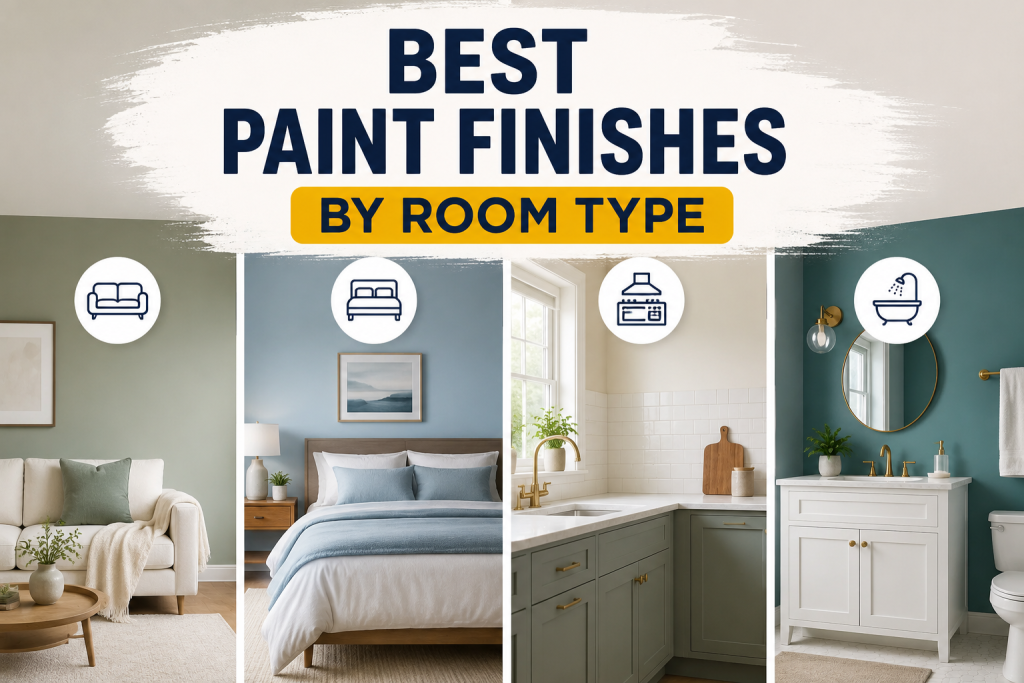
Living Rooms: Eggshell Finish
Living rooms often perform best with eggshell finishes because they provide a soft appearance while offering more durability than flat paint. They also complement modern room painting ideas and warm neutral palettes.
Kitchens: Satin Finish
Kitchens benefit from satin finishes because they resist stains and are easier to clean. This makes them a practical choice when considering the best paint for each room.
Bathrooms: Semi-Gloss Finish
Bathrooms require moisture resistance, making semi-gloss one of the most common options in any interior paint guide.
Bedrooms: Matte or Eggshell
Bedrooms usually work well with matte or eggshell finishes because they create softer surfaces and reduce glare.
Home Offices: Eggshell Finish
Eggshell remains a strong option for offices because it balances durability with a comfortable appearance.
Final Thoughts
A successful repaint project depends on planning, consistency, and understanding how each room functions. Following a structured house painting guide helps homeowners create interiors that feel coordinated rather than disconnected. Different rooms have different needs. Bedrooms prioritize comfort, kitchens require durability, bathrooms need moisture resistance, and living spaces often shape the overall house color palette. Color flow also matters. Thoughtful interior painting organizing helps connected spaces feel larger and more modern while supporting long-term flexibility. Using practical home painting guidance, choosing the amazing paint for each room, and making informed wall paint preference decisions can dramatically improve the final result. For homeowners planning full repaints, room-by-room organization often creates smoother projects, stronger visual flow, and interiors that remain attractive and functional for years.
Frequently Asked Questions
How do I paint a whole house?
A successful whole-home repaint starts with planning. Begin by creating a whole-house color palette, preparing surfaces, testing samples, and painting shared spaces first, before moving room by room.
What is the amazing paint for each room?
The amazing paint for each room depends on the function. Bedrooms often use calming neutrals, kitchens favor durable finishes, bathrooms require moisture resistance, and living rooms usually perform well with flexible neutral palettes.
How do I choose a house color palette?
Start with a base neutral and build supporting shades around it. Warm white, greige, beige, and earth tones remain popular choices for a coordinated whole-house color palette.
What wall paint preference works best?
Start with a base neutral and build supporting shades around it. Warm white, greige, beige, and earth tones remain popular choices for a coordinated whole-house color palette.
How should interior painting organizing be done?
Strong interior painting organizing includes budgeting, room sequencing, finish selection, surface preparation, and coordinating colors throughout the home.