


Types of Industrial Interior Styles Explained
Understanding industrial interior styles is essential for homeowners who want to create a cohesive, intentional design rather than a mixed or inconsistent space. Industrial design is not a single look; it includes multiple sub-styles that each interpret warehouse and factory-inspired aesthetics in different ways. From bold modern industrial design to softer rustic industrial interiors, each variation emphasizes different materials, color palettes, and levels of refinement. Some styles highlight raw structural elements like exposed brick and metal beams, while others blend industrial features with Scandinavian simplicity or vintage accents.
In today’s industrial loft aesthetics, these styles are often mixed depending on the home type, whether it’s a city apartment, renovated warehouse, or suburban house adopting urban design elements. This guide breaks down the major types of industrial interior design so homeowners can understand their differences, choose the right direction, and apply the style that best fits their space and lifestyle.
What Are Industrial Interior Styles?
Industrial interior styles refer to a family of design approaches inspired by old factories, warehouses, and early urban loft conversions. Instead of being a single uniform look, industrial design has evolved into multiple variations that emphasize different levels of rawness, comfort, and refinement. At its core, industrial interior styles share a common foundation: exposed structural elements, functional layouts, and materials like metal, wood, brick, and concrete. However, each variation interprets these elements differently depending on mood and purpose.
For example, warehouse-style interiors lean heavily into raw, unfinished surfaces, while minimalist industrial decor strips everything down to clean lines and essential forms. Meanwhile, vintage industrial decor introduces aged finishes and retro-inspired fixtures for a more nostalgic feel. This flexibility is why industrial design is widely used in modern US homes, especially in lofts and urban apartments where architectural character can be highlighted rather than hidden.
Modern Industrial Design
Modern industrial design is one of the most popular interpretations of industrial interior styles, especially in contemporary US homes and urban apartments. It takes the raw, structural foundation of traditional industrial spaces and refines it with cleaner lines, softer contrasts, and more intentional minimalism. Unlike heavier industrial looks, modern industrial design reduces visual clutter while still preserving key elements like exposed brick, metal accents, and open ceilings. The goal is balance, keeping the architectural character of industrial spaces while making them more livable and visually calm.
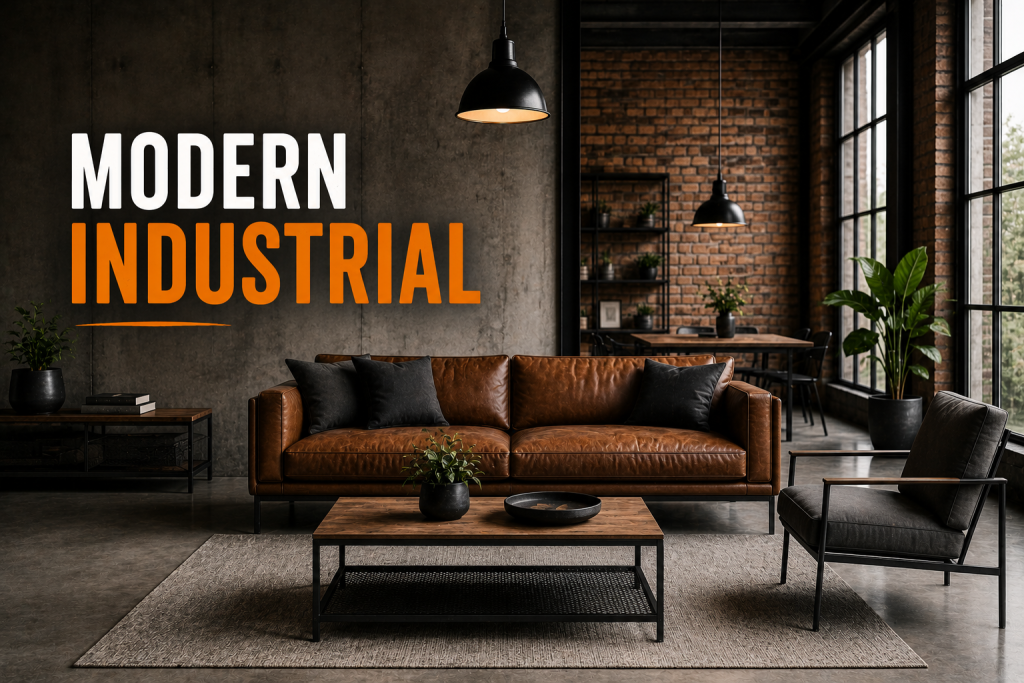
Furniture in this style is typically streamlined, often combining wood and metal in simpler forms. This aligns closely with industrial loft aesthetics, where openness and functionality are prioritized over decorative complexity. Neutral color palettes dominate, with whites, grays, and warm earth tones helping soften the harder materials. Overall, this style is ideal for homeowners who want an industrial foundation without the rugged intensity of traditional warehouse interiors.
Vintage Industrial Decor
Vintage industrial decor is a nostalgic interpretation of industrial interior styles that draws inspiration from early factories, old machinery, and mid-20th-century workshop environments. Unlike more refined variations such as modern industrial design, this style leans heavily into aged materials and timeworn textures. A defining feature of vintage industrial decor is its use of distressed finishes. Metal surfaces often show patina or rust-like effects, while wood elements appear weathered and imperfect. These details create a sense of history and authenticity that is central to the style’s appeal.
Lighting also plays a major role, with Edison bulbs, cage fixtures, and retro-inspired pendants commonly used to reinforce the old-world industrial atmosphere. This style is closely related to warehouse-style interiors, where functionality and durability were historically more important than aesthetics. In modern homes, vintage industrial design is often used as an accent style, adding character and depth to otherwise contemporary or minimalist spaces.
Rustic Industrial Interiors
Rustic industrial interiors blend two highly popular industrial interior styles into a warmer, more approachable design direction. This style combines the raw structural elements of industrial spaces with the natural textures and comfort of rustic design. In rustic industrial interiors, materials like exposed brick, steel beams, and concrete are paired with reclaimed wood, natural stone, and soft textiles. This balance creates a space that feels both grounded and visually interesting, making it especially popular in modern US homes that want character without feeling too cold or harsh.
Furniture often reflects this mix as well. Metal-framed tables may be combined with upholstered seating, while reclaimed wood shelving adds warmth to otherwise industrial layouts. This style overlaps with industrial loft aesthetics, particularly in open-concept spaces where different textures help define zones. Overall, rustic industrial design is ideal for homeowners who want the structure of industrial design but with a more lived-in, comfortable atmosphere.
Scandinavian Industrial Style
Scandinavian industrial style is a refined variation of industrial interior styles that blends the raw structural elements of industrial design with the clean simplicity of Scandinavian interiors. The result is a bright, minimal, and highly functional aesthetic that feels both modern and livable. Unlike darker industrial approaches, this style emphasizes light and openness. White walls, light wood tones, and soft neutral palettes are commonly used to create a calm foundation. These elements help balance the harsher materials often found in industrial spaces, such as metal and exposed brick.
Furniture in Scandinavian industrial style is typically simple and ergonomic, focusing on clean lines and practical use. Metal accents are still present, but they are used sparingly to maintain a softer visual tone. This makes the style closely related to minimalist industrial decor, though with a stronger emphasis on warmth and natural light. This hybrid approach works especially well in smaller apartments and urban homes where maximizing brightness and space is a priority.
Warehouse-Style Interiors
Warehouse-style interiors represent one of the most authentic forms of industrial interior styles, directly inspired by converted factories, storage facilities, and large-scale urban loft spaces. This style prioritizes openness, structural honesty, and minimal interference with the building’s original architecture. A defining feature of warehouse-style interiors is the emphasis on scale. High ceilings, expansive floor plans, and oversized windows are common, allowing natural light to interact with raw materials like concrete floors, exposed brick, and steel beams. These elements create a strong sense of industrial loft aesthetics that feels both dramatic and functional.
Furniture in this style is typically large, durable, and minimal in design. Instead of decorative pieces, the focus is on functional items that complement the space without overwhelming it. Metal shelving, oversized tables, and modular seating are commonly used in these environments. This style is ideal for homeowners or designers who want a bold, architectural space that fully embraces industrial heritage.
Minimalist Industrial Decor
Minimalist industrial decor is a streamlined interpretation of industrial interior styles that removes excess detail while preserving the raw, functional essence of industrial design. It is especially popular in modern apartments and urban homes where simplicity and space efficiency are priorities. This style focuses on clean lines, open space, and a limited material palette. Instead of heavy layering, minimalist industrial decor uses only essential elements such as exposed brick, matte black metal, and light wood accents. The goal is to maintain an industrial identity without visual clutter.
Furniture choices are intentionally simple and functional, often featuring slim profiles and neutral tones. Unlike more expressive industrial variations, this approach avoids excessive ornamentation, making it closely aligned with industrial loft aesthetics but with a more refined and controlled feel. Lighting is also kept minimal, often using understated pendant fixtures or recessed systems that support functionality rather than dominate the space. This style works particularly well in compact urban living environments.
Industrial Loft Aesthetics
Industrial loft aesthetics represent one of the most iconic expressions of industrial interior styles, originally emerging from converted warehouses and factory buildings in major US cities like New York and Chicago. This style is defined by its open layouts, raw architectural features, and strong emphasis on space and volume. A key characteristic of industrial loft aesthetics is the presence of exposed structural elements such as brick walls, steel beams, ductwork, and high ceilings. These features are not hidden but celebrated as part of the design identity, reinforcing the authentic industrial feel.
Furniture in loft-style spaces is typically minimal yet bold, often combining metal, wood, and leather to complement the large-scale environment. This aligns closely with warehouse-style interiors, where scale and openness are central to the experience. Lighting also plays a major role, with oversized pendants and exposed bulbs commonly used to highlight architectural details. Overall, industrial loft design focuses on creating dramatic, open, and highly functional living environments.
How to Choose the Right Industrial Style
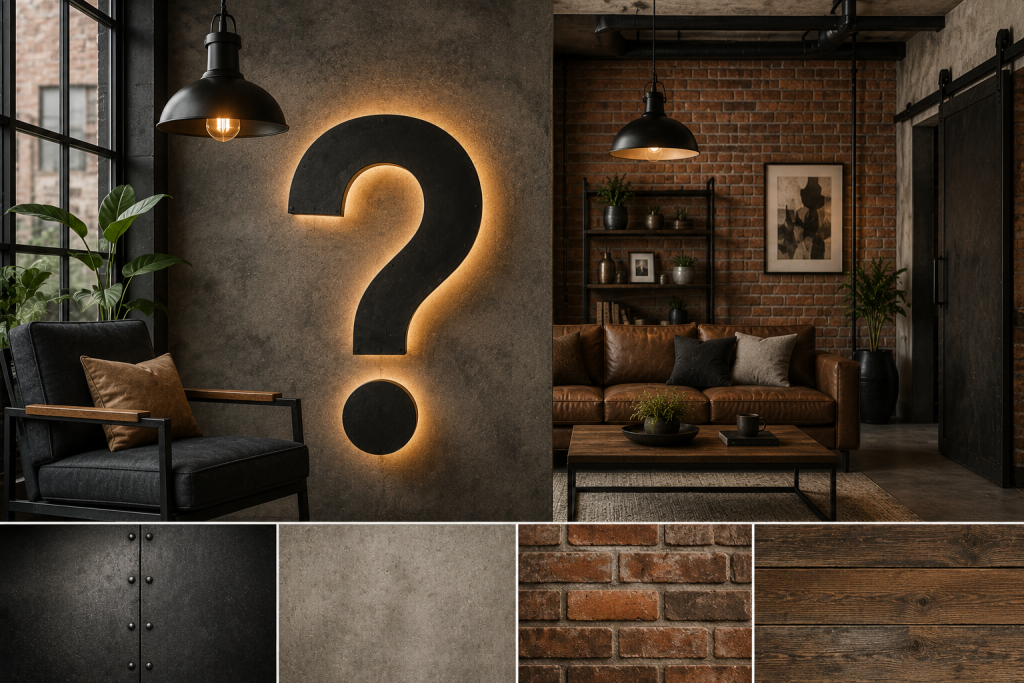
Choosing the right option from the different industrial interior styles depends on your space, lifestyle, and how much visual texture you want in your home. Each variation, from modern industrial design to vintage industrial decor, creates a different emotional and functional experience. If you prefer clean, organized spaces with subtle industrial elements, minimalist industrial decor or Scandinavian industrial style may be the best fit. These styles work especially well in smaller apartments where light, simplicity, and openness are important.
For homeowners who want more character and texture, rustic industrial interiors offer a balanced approach by combining raw materials with warm, natural finishes. Meanwhile, warehouse-style interiors and industrial loft aesthetics are ideal for larger open spaces where architectural features can be fully exposed. Ultimately, the best choice comes down to whether you want a softer, more livable interpretation or a bold, architectural statement rooted in traditional industrial design.
Conclusion
Understanding industrial interior styles helps homeowners choose the right design direction for their space, whether they prefer bold warehouse-inspired layouts or softer hybrid approaches. From modern industrial design to rustic industrial interiors, each style offers a unique balance of structure, texture, and atmosphere, allowing flexibility across apartments, lofts, and modern homes.
FAQ About Industrial Interior Styles
What are the main types of industrial interior styles?
The main industrial interior styles include modern industrial design, vintage industrial decor, rustic industrial interiors, Scandinavian industrial style, warehouse-style interiors, minimalist industrial decor, and industrial loft aesthetics.
What is modern industrial design?
Modern industrial design blends raw industrial materials like metal and brick with cleaner lines and simpler layouts for a more refined look.
How is rustic industrial interiors different from vintage industrial decor?
Rustic industrial interiors focus on warmth using reclaimed wood interiors and natural textures, while vintage industrial decor emphasizes aged, worn, and retro factory-style finishes.
What is minimalist industrial decor?
Minimalist industrial decor strips industrial design down to its essentials, focusing on open space, neutral tones, and minimal furniture.
Where is industrial loft aesthetics most commonly used?
Industrial loft aesthetics are most common in converted warehouses and urban apartments with open floor plans and high ceilings.