


How Much Does a Japandi Living Room Makeover Cost?
What’s the average Japandi living room makeover cost? Most US homeowners spend $2,000–$40,000+ depending on room size, furniture quality, and how far the remodel goes. A Japandi living room blends Japanese minimalism with Scandinavian comfort, natural wood, neutral palettes, and calm clutter-free spaces. This guide breaks down realistic costs, budget scenarios, and money-saving tips for every budget level.
What Is a Japandi Living Room Makeover Cost?
A Japandi living room blends Japanese minimalism with Scandinavian comfort to create a space that feels calm, functional, and welcoming. The design philosophy focuses on simplicity, natural materials, craftsmanship, and purposeful living. Unlike traditional minimalist spaces that can sometimes feel stark, Japandi interiors prioritize warmth through layered textures, soft lighting, and organic elements.
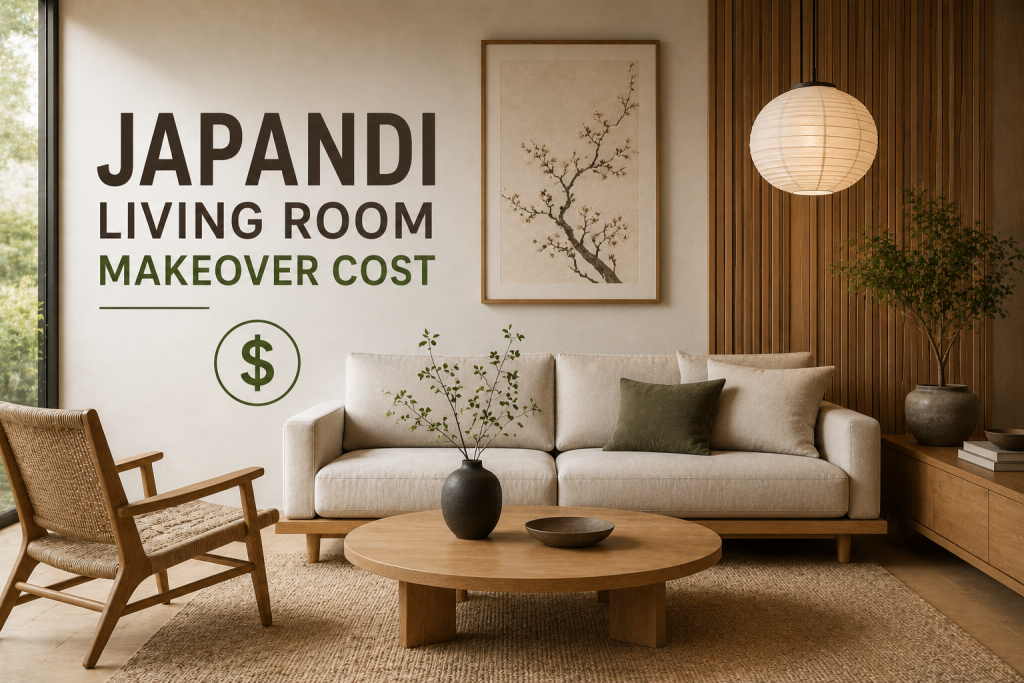
Common features include neutral color palettes, natural wood finishes, linen fabrics, handcrafted decor, and furniture with clean lines. Materials such as oak, walnut, bamboo, and stone are often used to establish a connection with nature while maintaining a refined appearance. The style is also influenced by the Japanese concept of wabi-sabi, which embraces imperfection and authenticity. For American homeowners, modern Japandi interiors offer a timeless alternative to fast-changing design trends. The result is a living room that feels elegant, clutter-free, and highly livable for everyday use.
Why Japandi Design Is Taking Over US Living Rooms
Many homeowners across the United States are embracing Japandi design because it offers a balance between modern aesthetics and everyday comfort. In a time when people are spending more time at home, living spaces are expected to serve multiple purposes, from relaxation and entertainment to remote work. Japandi design supports this lifestyle by emphasizing organization, functionality, and visual calm.
Another reason for its popularity is its timeless appeal. Unlike trend-driven styles that may feel dated after a few years, Scandinavian Japanese decor relies on natural materials, neutral colors, and quality craftsmanship that remain attractive over the long term. Homeowners in states such as California, Colorado, and Texas often appreciate the style’s connection to nature and its focus on sustainable living. In addition, Japandi-inspired spaces can improve perceived home value by creating a clean, sophisticated environment that appeals to a broad range of potential buyers.
Average Japandi Living Room Makeover Cost in 2026
The average Japandi living room makeover cost in 2026 ranges from approximately $2,000 to more than $40,000, depending on the scope of the project and the quality of materials selected. A budget-friendly makeover typically costs between $2,000 and $5,000 and focuses on cosmetic updates such as painting, new decor, and affordable furniture replacements. Homeowners seeking a more complete transformation can expect to spend between $5,000 and $15,000 for upgraded flooring, premium furnishings, and professional installation services.
At the high end, luxury Japandi remodels often exceed $15,000 and can reach $40,000 or more. These projects may include custom cabinetry, architectural enhancements, designer lighting, high-end natural wood furniture, and bespoke storage solutions. Factors such as room size, labor rates, and regional market conditions also play a significant role in determining the final investment required.
Furniture and Japandi Furniture Pricing
Furniture is often the largest expense in a Japandi living room makeover cost because the style emphasizes quality over quantity. Rather than filling a room with numerous decorative pieces, homeowners typically invest in a few well-crafted items that serve both functional and aesthetic purposes. A Japandi-inspired sofa can range from $800 to $4,000, while solid wood coffee tables generally cost between $300 and $1,500. Accent chairs, media consoles, and storage cabinets can add another $500 to $5,000 depending on materials and craftsmanship.
When evaluating Japandi furniture pricing, natural wood species such as oak and walnut typically command higher prices than engineered alternatives. Popular retailers like IKEA, West Elm, Article, and Crate & Barrel offer options across multiple budget levels. Investing in durable furniture can reduce replacement costs over time while maintaining the clean, timeless appearance that defines cozy minimalist decor.
Flooring Costs
Flooring plays a major role in achieving an authentic Japandi aesthetic because natural textures and warm tones help create a calm, grounded environment. Many homeowners choose hardwood flooring, engineered hardwood, or luxury vinyl plank (LVP) to complement the clean lines and organic materials commonly found in modern Japandi interiors. The right flooring can instantly elevate the appearance of the entire living room while improving long-term durability.
Engineered hardwood typically costs between $6 and $15 per square foot installed, while solid hardwood can range from $8 to $25 per square foot depending on the wood species. Budget-conscious homeowners often select high-quality LVP, which generally costs $3 to $10 per square foot installed. Light oak finishes remain particularly popular because they reflect natural Scandinavian influences while pairing well with Japanese-inspired simplicity. Flooring upgrades can account for a significant portion of the overall living room renovation cost, especially in larger spaces.
Wall Treatments and Paint
Wall finishes are one of the most cost-effective ways to transform a living room into a Japandi-inspired space. The style favors soft, nature-inspired colors such as warm white, beige, greige, taupe, and muted earth tones. These shades create a calming backdrop that allows furniture, textures, and natural materials to stand out without overwhelming the room.
Professional interior painting typically costs between $2 and $6 per square foot, while a standard living room repaint may range from $500 to $2,500 depending on preparation work and local labor rates. Homeowners looking for a more distinctive appearance may consider limewash paint or textured plaster finishes, which can add depth and character while supporting the organic feel associated with Scandinavian Japanese decor. In many cases, a fresh coat of paint delivers one of the highest visual returns on investment, helping homeowners achieve a refined look without dramatically increasing their overall Japandi living room makeover cost.
Lighting Costs
Lighting is a defining element of Japandi design because it helps create the warm, inviting atmosphere that distinguishes the style from more traditional minimalist interiors. Rather than relying on a single overhead fixture, Japandi spaces often incorporate layered lighting through floor lamps, table lamps, wall sconces, and carefully selected pendant fixtures. The goal is to create soft illumination that enhances comfort while highlighting natural materials and textures.
Basic lighting upgrades can cost between $200 and $1,000, while premium designer fixtures may push expenses beyond $3,000. Popular Japandi lighting choices include paper lantern pendants, wood-accented fixtures, and minimalist metal designs with warm LED bulbs. Homeowners may also choose smart lighting systems that allow brightness adjustments throughout the day. When paired with natural daylight and neutral color palettes, thoughtful lighting contributes significantly to the overall ambiance of cozy minimalist decor, making the living room feel both sophisticated and relaxing.
Decor and Accessories
Decor and accessories are where a Japandi living room truly comes to life, but the approach remains intentionally restrained. Instead of filling shelves and surfaces with excess items, the focus is on a few meaningful, high-quality pieces that enhance calmness and balance. Common elements include ceramic vases, handcrafted bowls, neutral-toned textiles, and simple artwork that reflects nature-inspired themes.
Typical spending on decor ranges from $300 to $2,000 depending on the level of detail and material quality. Rugs made from wool or natural fibers, linen curtains, and soft throw blankets help reinforce the layered warmth associated with cozy minimalist decor. Indoor plants such as fiddle leaf figs, bonsai, or olive trees are also frequently used to bring organic life into the space without disrupting its simplicity. When thoughtfully selected, these finishing touches elevate the overall design without significantly increasing the total Japandi living room makeover cost, making them a high-impact yet budget-friendly investment.
What Changes Your Final Bill: 5 Key Factors
Several key factors determine the final Japandi living room makeover cost, and understanding them helps homeowners plan a realistic budget. Room size is one of the biggest drivers, since larger living rooms require more flooring, paint, furniture, and lighting. The existing condition of the space also matters, older homes may need electrical updates, drywall repair, or subfloor improvements before design work begins.

Geographic location across the U.S. plays a significant role as well. For example, renovation costs in California or New York are typically higher than in states like Texas or Arizona due to labor rates and contractor demand. Material selection is another major factor, especially when choosing between engineered wood, solid hardwood, or premium natural finishes that define modern Japandi interiors. Finally, opting for custom-built furniture and millwork instead of ready-made pieces can significantly increase overall expenses but deliver a more tailored, high-end aesthetic.
Real Budget Scenarios: $2K, $10K, $40K
Understanding real-world budgeting helps homeowners better estimate their Japandi living room makeover cost based on room size and design goals. For a small living room of around 200 square feet, a Japandi refresh typically ranges from $2,000 to $7,000, focusing on paint updates, compact furniture, and minimal decor. This level is ideal for apartments or starter homes aiming for a clean, functional aesthetic.
A medium living room of about 350 square feet usually falls between $7,000 and $18,000. This budget allows for higher-quality furniture, upgraded flooring, and more intentional lighting design that reflects true modern Japandi interiors. For large open-concept living rooms exceeding 500 square feet, costs can range from $18,000 to $40,000 or more, especially when incorporating custom millwork, premium hardwood flooring, and designer furniture selections associated with Scandinavian Japanese decor.
Is a Japandi Living Room Worth the Money?
A Japandi living room remodel can be a strong investment for homeowners who value both aesthetics and long-term functionality. One of the main advantages is the style’s timeless design approach, which reduces the need for frequent updates and helps maintain visual appeal for years. Because Japandi interiors emphasize quality materials and neutral palettes, they tend to age well compared to trend-heavy designs.
From a financial perspective, the impact on resale value can be positive, especially in competitive U.S. housing markets where buyers appreciate clean, move-in-ready spaces. A well-executed Japandi design can make a home feel larger, brighter, and more organized, which often improves buyer perception during showings. In terms of durability, the focus on natural wood, sturdy furniture, and simple layouts reduces wear-and-tear issues over time. Overall, the investment supports both lifestyle comfort and potential long-term property value.
5 Ways to Get the Look for Less
Reducing your Japandi living room makeover cost is possible without sacrificing the clean, elevated look that defines the style. One of the most effective strategies is to prioritize furniture first, since key pieces like a sofa, coffee table, and storage units have the biggest visual impact. Instead of buying everything new, homeowners can mix high-end statement pieces with budget-friendly alternatives from retailers like IKEA or Article.
Another smart approach is to focus on paint and lighting upgrades before structural changes, as these deliver strong visual transformation at a lower cost. Neutral paint colors and simple LED lighting can instantly create the foundation for cozy minimalist decor. Shopping seasonal sales, outlet stores, and secondhand marketplaces can also significantly reduce expenses. Finally, limiting unnecessary decor helps maintain the Japandi principle of simplicity while keeping the overall renovation budget under control.
Japandi Living Room Ideas for Every Budget
Japandi design can be adapted to almost any budget, making it a flexible option for U.S. homeowners planning a Japandi living room makeover cost strategy. For budgets under $3,000, the focus is on cosmetic upgrades such as repainting walls in warm neutrals, adding affordable textiles, and incorporating simple furniture pieces from budget retailers like IKEA. This approach is ideal for renters or small spaces needing a quick refresh.
- Under $3,000: repaint in warm neutrals, add linen textiles, one solid-wood piece, declutter ruthlessly
- $5,000–$10,000: quality sofa, upgraded lighting, partial flooring refresh
- $15,000+: custom millwork, designer furniture, premium hardwood floors
For mid-range budgets between $5,000 and $10,000, homeowners can invest in better-quality furniture, upgraded lighting, and partial flooring improvements that reflect modern Japandi interiors. This level creates a more cohesive and polished look.
Higher budgets of $15,000 and above allow for premium materials, designer furniture, and custom-built storage solutions. This tier fully embraces Scandinavian Japanese decor, delivering a refined, long-lasting living space with strong visual impact and improved home value potential.
Final Thoughts
A Japandi living room makeover Cost offers a balanced approach to design that combines comfort, simplicity, and long-term value. While the Japandi living room makeover cost can vary widely depending on materials, labor, and customization, most homeowners can achieve a beautiful transformation within a realistic budget range by prioritizing key elements like furniture, flooring, and lighting. What makes modern Japandi interiors especially appealing is their ability to remain timeless.
Instead of relying on fast-changing trends, the style focuses on natural materials, neutral tones, and intentional design choices that age gracefully over time. This not only enhances daily living but can also improve resale appeal in many U.S. housing markets. By carefully planning upgrades and mixing budget-friendly choices with quality investment pieces, homeowners can create a space that reflects cozy minimalist decor while maintaining financial control and long-term durability.
Frequently Asked Questions
How much does a Japandi living room makeover cost on average?
Most homeowners spend between $5,000 and $15,000 for a balanced Japandi living room makeover cost, depending on furniture quality, flooring upgrades, and labor.
Is Japandi more expensive than traditional minimalist design?
Yes, it can be slightly more expensive because Japandi furniture pricing often favors natural wood, craftsmanship, and higher-quality materials.
Can I create a Japandi living room on a budget?
Yes. A budget-friendly version under $3,000 is possible using paint updates, simple furniture, and cozy minimalist decor.
What furniture is essential for a Japandi living room?
A low-profile sofa, wooden coffee table, storage unit, and neutral textiles are key elements of modern Japandi interiors.
Does a Japandi remodel increase home value?
In many U.S. markets, it can improve buyer appeal by creating a clean, timeless aesthetic aligned with Scandinavian Japanese decor.