


Japandi vs Scandinavian Design: What’s the Difference?
Understanding Japandi vs Scandinavian design is essential for homeowners who want a clean, functional, and visually calming interior style but are unsure which direction to take. While both styles share a love for minimalism and natural materials, they differ in mood, cultural influence, and overall design philosophy. In many modern U.S. homes, the comparison of Japandi vs Scandinavian comes down to warmth versus restraint.
Scandinavian interiors tend to feel brighter and more cozy, while Japandi spaces lean toward grounded simplicity with a more intentional, meditative atmosphere. This distinction plays a major role in how each style affects the feeling of a room. As interest in minimalist living continues to grow, the debate around Japandi vs Scandinavian has become more relevant for apartment dwellers, homeowners, and designers looking to create timeless interiors. In this guide, we’ll break down their key differences so you can choose the right style for your space.
Understanding Japandi vs Scandinavian Design
At a foundational level, Japandi vs Scandinavian design represents two interpretations of minimalism shaped by different cultural philosophies. Scandinavian interiors originate from Nordic countries and prioritize comfort, light, and functionality, often featuring bright spaces, soft textiles, and practical furniture designed for everyday living.
In contrast, Japanese interior design is rooted in simplicity, balance, and intentional living. It emphasizes negative space, natural materials, and a calm, uncluttered environment that encourages mindfulness. When combined, these two influences create Japandi style, which blends warmth with restraint. The comparison of Japandi vs Scandinavian design is not about opposing aesthetics but about understanding their balance of comfort and discipline. Scandinavian style leans slightly more toward cozy livability, while Japanese-inspired design focuses on reduction and serenity. Together, they form a shared language of minimalism expressed in different cultural tones.
Japandi vs Scandinavian Design Philosophy Differences
When analyzing Japandi vs Scandinavian design, the biggest distinction lies in their underlying philosophies. Scandinavian interior style is built around the concept of comfort and livability, where homes are designed to feel warm, functional, and inviting, even during long, cold winters. This approach prioritizes coziness and practicality in everyday life.
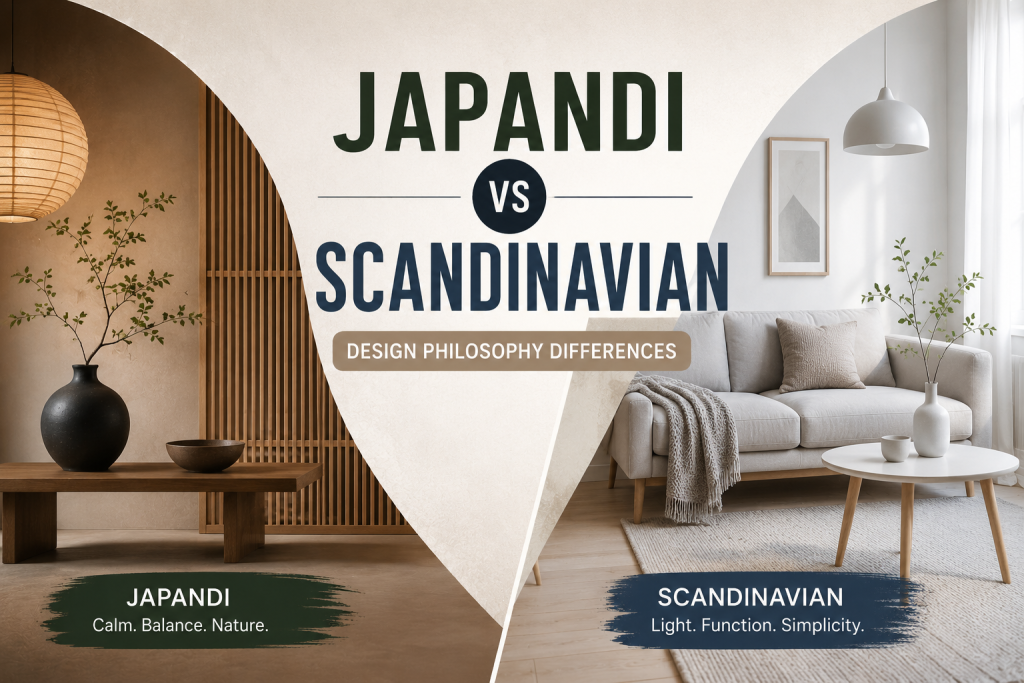
On the other hand, Japanese interior design emphasizes intentional simplicity and mindful restraint. Spaces are designed to reduce distraction, encourage calm thinking, and highlight the beauty of imperfection. This creates a more meditative and minimal environment compared to its Nordic counterpart. The contrast in hygge vs wabi-sabi further highlights this philosophical difference, one focuses on cozy contentment, while the other embraces imperfection and transience. Together, these influences shape how each style approaches space, materials, and emotional experience within the home.
Material and Color Differences
When comparing Japandi vs Scandinavian design, materials and color palettes play a major role in defining each style’s visual identity. Scandinavian interiors typically use light woods such as pine and birch, paired with bright whites and soft pastels to maximize natural light. This creates an airy and open feeling that is especially effective in darker, colder regions.
Japandi design, however, leans toward deeper natural tones and richer textures. Dark walnut, oak, and bamboo are commonly used alongside muted earth tones like beige, charcoal, and warm gray. The result is a more grounded and balanced atmosphere that feels calm and intentional. In Nordic interiors, the focus is often on brightness and contrast to combat long winters, while Japandi spaces prioritize harmony and depth. These differences in materials and color choices strongly influence how each style feels in real living environments.
Emotional Impact: Calm vs Cozy
A key part of Japandi vs Scandinavian design is the emotional response each style creates within a space. Scandinavian interiors are known for their cozy and welcoming atmosphere, achieved through layered textiles, warm lighting, and comfortable furnishings. The goal is to make a home feel lived-in, relaxed, and emotionally uplifting, especially during long indoor seasons.
Japandi design, however, creates a more subdued and meditative emotional effect. It focuses on silence in design, using fewer objects, more negative space, and carefully chosen natural materials to encourage mental clarity and calmness. Instead of warmth through abundance, it achieves comfort through simplicity and balance. In minimalist decor comparison, Scandinavian spaces often feel sociable and inviting, while Japandi environments feel introspective and grounding. Both styles support well-being, but they do so in distinctly different emotional directions depending on lifestyle preferences.
Which Style Works Best for US Homes?
When evaluating Japandi vs Scandinavian design, the best choice for U.S. homes often depends on lifestyle, climate, and space size. Scandinavian interiors tend to perform well in regions with long winters, such as the Midwest and Northeast, where bright, cozy environments help counter darker seasonal conditions. Their lighter palettes and comfortable furnishings make them especially appealing for family homes and social living spaces.
Japandi design, however, is increasingly popular in urban apartments and modern suburban homes across states like California and Texas, where homeowners prefer calm, clutter-free environments. Its emphasis on simplicity and natural materials works well in smaller layouts and open-concept floor plans. In modern minimalist interiors, both styles are highly adaptable, but Japandi leans more toward serene, curated spaces, while Scandinavian design focuses on livability and warmth. The right choice depends on whether you prioritize comfort or visual restraint.
Room-by-Room Comparison
When analyzing Japandi vs Scandinavian design, the differences become even clearer when applied to specific rooms in the home. In living rooms, Scandinavian design typically emphasizes cozy seating arrangements, layered textiles, and warm lighting to create a social and inviting atmosphere. Japandi living rooms, on the other hand, focus on open space, minimal furniture, and a more restrained visual layout.
In bedrooms, Scandinavian interiors prioritize comfort with plush bedding and soft lighting, while Japandi bedrooms lean toward simplicity, often using low platform beds and neutral tones for a calming effect. Kitchens also reflect this contrast, with Scandinavian spaces feeling bright and functional, while Japandi kitchens highlight clean lines and natural wood finishes. Across all rooms, the comparison of Japandi vs Scandinavian shows how each style adapts to daily living needs while maintaining its core identity and emotional tone.
Which Style Should You Choose?
Choosing between Japandi and Scandinavian design comes down to how you want your home to feel and function on a daily basis. If you prefer a bright, welcoming space that feels cozy and lived-in, Scandinavian design may be the better fit. It works especially well for families or homes where comfort and social interaction are priorities.
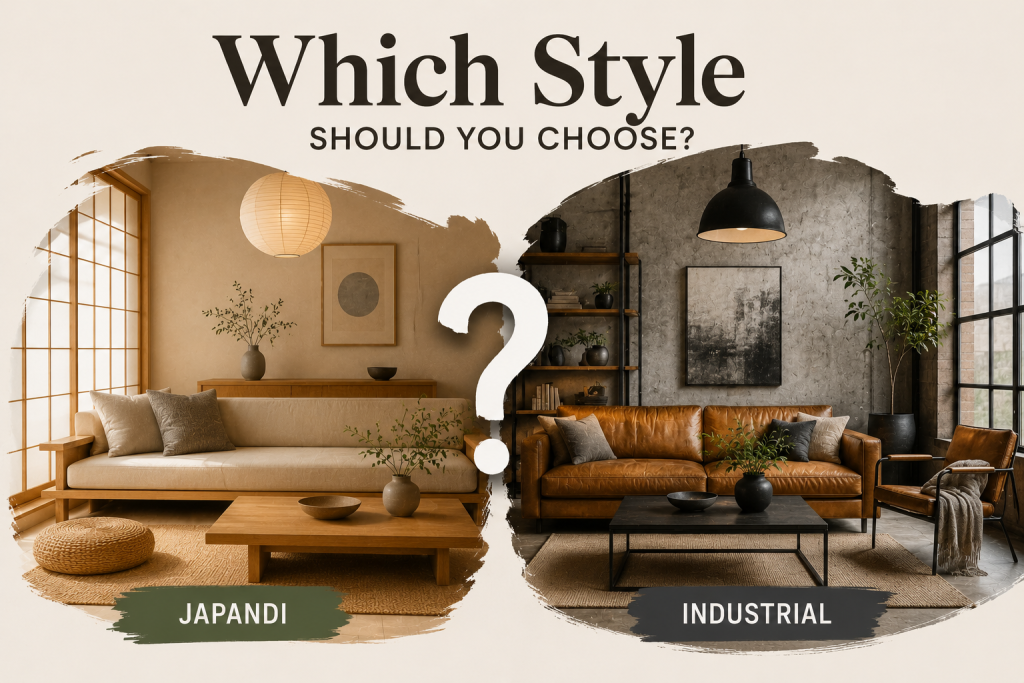
If your preference leans toward calm, order, and visual simplicity, Japandi design may be more suitable. It is ideal for people who value intentional living, reduced clutter, and a more mindful environment. This style works particularly well in smaller homes or urban apartments where space efficiency is important. Ultimately, both styles share a foundation in minimalism and functionality. The decision is less about right or wrong and more about whether you want your home to feel warm and expressive or quiet and highly controlled in its visual presentation.
Final Thoughts
The discussion around Japandi vs Scandinavian design ultimately highlights how two closely related styles can create very different living experiences. Both prioritize minimalism, natural materials, and functional layouts, but they diverge in emotional tone and cultural influence. Scandinavian interiors lean toward warmth and livability, while Japandi spaces focus on restraint and intentional calm. For many homeowners, choosing between the two depends on how they want their space to support daily life.
Some prefer the inviting softness of Nordic-inspired homes, while others value the quiet discipline of Japanese-influenced design. In practice, both approaches can even be blended, creating hybrid interiors that balance comfort with simplicity. As modern homes continue to shift toward cleaner aesthetics, Japandi vs Scandinavian design remains a key comparison for anyone exploring minimalist interiors. Understanding their differences helps ensure your space reflects not just a style, but a lifestyle that fits your needs long-term.
Frequently Asked Questions
What is the main difference between Japandi vs Scandinavian design?
Japandi focuses on calm minimalism and restraint, while Scandinavian design emphasizes warmth and cozy living.
Are Japandi and Scandinavian styles similar?
Yes, both share minimalism and natural materials, but they differ in mood, color tones, and cultural influences.
Which is more popular in the US?
Scandinavian design is more established, but Japandi is rapidly growing in modern minimalist homes.
Can I mix Japandi and Scandinavian design?
Yes, many modern interiors blend both styles to balance warmth with simplicity.
Is Japandi more expensive than Scandinavian design?
It can be slightly more expensive due to natural materials and curated, high-quality furniture choices.