


Best Kitchen Tile Flooring Options (2026 US Homeowner Guide)
Kitchen flooring plays a defining role in both the function and value of a home. In US households, the kitchen is one of the highest-traffic spaces, exposed daily to spills, heat, dropped cookware, and constant foot traffic. Choosing the right flooring is not just a design decision; it directly impacts durability, maintenance costs, and long-term resale value. When homeowners search for the best kitchen tile flooring, they are usually trying to balance three things: performance, appearance, and budget. In humid states like Florida or Texas, moisture resistance becomes a top priority, while in colder regions like the Midwest, resistance to cracking from freeze-thaw cycles matters more. This is why tile remains one of the most trusted flooring categories in American kitchen remodeling projects.
Modern tile flooring options today go far beyond basic ceramic squares. Homeowners can choose from high-performance porcelain systems, textured slip-resistant finishes, and wood-look tiles that replicate hardwood while maintaining water resistance. Leading US manufacturers such as Daltile, MSI Surfaces, and Mohawk Industries continue to expand design and durability options, making tile a flexible solution for nearly any kitchen style. Ultimately, selecting the right kitchen flooring is about matching material performance to real-life use. A busy family kitchen in Chicago will have very different needs than a vacation home kitchen in Arizona. That’s why understanding tile types in detail is essential before committing to a remodel.
What Makes the Best Kitchen Tile Flooring for US Homes?
Choosing the best kitchen tile flooring isn’t just about picking what looks good in a showroom; it’s about matching material performance to real-life kitchen demands in American homes. Kitchens are high-impact environments where flooring must handle constant movement, frequent spills, heavy appliances, and long-term wear without losing structural integrity or appearance. For most US homeowners, the decision comes down to four core performance factors: durability, water resistance, maintenance, and safety. In regions with humid climates like Florida or the Gulf Coast, moisture resistance becomes a top priority due to constant exposure to humidity and spills. In colder states such as Minnesota or New York, flooring must also withstand freeze-thaw conditions that can stress lower-quality tile installations.

Durability is another defining factor. A true durable kitchen floor tile should resist chips from dropped cookware, scratches from furniture movement, and long-term foot traffic. Porcelain tile typically performs best in this category due to its dense composition and low porosity, making it a preferred choice in many modern kitchen remodeling flooring projects across the United States. Maintenance also plays a major role in homeowner satisfaction. Kitchens demand flooring that is easy to clean, stain-resistant, and compatible with common household cleaning products. Tile with properly sealed grout lines significantly reduces long-term upkeep while maintaining hygiene standards aligned with EPA indoor air quality recommendations. Finally, safety is often overlooked but critical. Many homeowners now prioritize slip-resistant kitchen flooring, especially in households with children or elderly family members. Matte finishes, textured surfaces, and anti-slip porcelain options help reduce accident risks without compromising modern design aesthetics. Together, these factors form the foundation of what truly qualifies as the best kitchen tile flooring, not just visually appealing, but engineered for long-term performance in real US kitchen environments.
Porcelain Tile vs Ceramic Tile for Kitchen Floors
When comparing options for the best kitchen tile flooring, the debate almost always starts with porcelain versus ceramic. Both belong to the same broader tile family, but they perform very differently in real-world US kitchens, especially when it comes to durability, moisture resistance, and long-term maintenance. Porcelain kitchen tile is manufactured from denser clay and fired at higher temperatures, resulting in a harder, less porous surface. This makes it highly resistant to water absorption, staining, and heavy impact, key advantages for busy households in humid regions like Houston, Miami, and other coastal US cities. Because of this strength, porcelain is often the top recommendation for high-traffic kitchen remodeling flooring projects where long-term performance is a priority. In contrast, ceramic kitchen flooring is slightly softer and more affordable, making it a popular choice for budget-conscious renovations. It performs well in light to moderate-use kitchens, especially in dry or climate-controlled regions. However, ceramic is more prone to chipping and has a higher water absorption rate compared to porcelain, which can be a concern in kitchens exposed to frequent spills or humidity.
From a design perspective, both materials offer extensive variety. Ceramic tiles often come in more decorative finishes, while porcelain tends to excel in modern, high-end aesthetics such as stone-look and wood-look designs that align with modern kitchen tile ideas in US homes. For homeowners deciding between the two, the tradeoff is clear: porcelain offers superior durability and moisture resistance, while ceramic provides a more cost-effective entry point into tile flooring. In most cases where homeowners are aiming for the best kitchen tile flooring for long-term value and resale appeal, porcelain is the stronger overall investment.
Most Durable Kitchen Floor Tile Options for High-Traffic Homes
When durability is the top priority, the best kitchen tile flooring options are those engineered to withstand constant impact, moisture exposure, and long-term foot traffic without degrading in appearance or structure. In US homes, especially busy family households or rental properties, flooring failure is rarely about design and more often about wear resistance over time. The most durable kitchen floor tile category is porcelain tile. Its dense composition and low porosity make it highly resistant to chips, scratches, and water penetration. This is especially valuable in high-traffic kitchens in cities like Chicago, Dallas, and Atlanta, where daily use includes heavy appliance movement, frequent cooking activity, and constant foot traffic. Many premium collections from manufacturers like Daltile and MSI Surfaces are specifically engineered for performance-driven installations.
Beyond porcelain, quarry tile and certain natural stone options such as slate also deliver strong durability, but they typically require more maintenance and sealing. These materials are often chosen for rustic or high-end custom kitchen designs, where aesthetics and texture are prioritized alongside strength. Surface finish also plays a major role in durability perception. Matte or textured tiles tend to hide scratches, scuffs, and wear patterns better than glossy finishes, making them more practical for long-term kitchen remodeling flooring decisions. Grout selection is equally important, darker, stain-resistant grout can significantly improve the longevity and appearance of the floor. In real-world applications, homeowners focused on resale value consistently gravitate toward porcelain because it delivers the best balance of strength, style versatility, and low maintenance. This is why it remains the leading candidate for the best kitchen tile flooring in high-traffic US homes where long-term performance matters more than short-term savings.
Waterproof and Slip-Resistant Kitchen Flooring Choices
In modern US kitchens, moisture control and safety are just as important as appearance when selecting the best kitchen tile flooring. Kitchens are naturally spill-prone environments, water, oil, and food debris are constant factors, so homeowners increasingly prioritize waterproof kitchen flooring and surfaces that reduce slip hazards without sacrificing design quality. Technically, most tile flooring is water-resistant, but performance depends heavily on tile type, finish, and installation quality. Porcelain kitchen tile is the strongest performer because of its extremely low water absorption rate. This makes it ideal for humid regions like Florida, Louisiana, and coastal Texas, where moisture exposure is a daily reality. However, even the best tile can fail if grout lines are not properly sealed, which is why installation quality plays a major role in long-term waterproofing. Slip resistance is another critical factor, especially for households with children, elderly family members, or high cooking activity. Slip-resistant kitchen flooring typically features matte or textured finishes that increase surface grip. These finishes reduce the likelihood of accidents caused by water splashes or cooking spills, making them a practical upgrade over glossy tile surfaces commonly found in older kitchens.
In colder US regions like the Midwest and Northeast, slip resistance also matters near entryways where snow, ice, and moisture can be tracked indoors. Textured porcelain tiles and stone-look finishes are commonly used in these areas to improve safety while maintaining a clean, modern aesthetic. Manufacturers such as Shaw Floors and Mohawk Industries now offer advanced slip-rated tile collections designed specifically for residential kitchens, combining safety certifications with modern design trends. These options are increasingly popular in kitchen remodeling flooring projects where homeowners want both visual appeal and functional performance. Ultimately, the safest and most reliable approach to the best kitchen tile flooring is choosing a combination of low-absorption porcelain tile with a matte or lightly textured finish, paired with high-quality grout sealing. This balance delivers strong waterproofing performance while significantly reducing everyday slip risks.
Modern Kitchen Tile Ideas for 2026 Remodeling Trends
Design trends play a major role in shaping what homeowners consider the best kitchen tile flooring, especially during remodels focused on resale value and long-term aesthetic appeal. In 2026, US kitchen design is moving toward cleaner lines, larger surface formats, and more natural, understated finishes that blend durability with modern style. One of the most prominent modern kitchen tile ideas is the use of large-format porcelain tiles. These tiles reduce grout lines, creating a seamless, expansive look that makes kitchens feel larger and more open. This style is especially popular in urban renovations in cities like New York, Los Angeles, and Chicago, where maximizing visual space is a key design priority. Wood-look porcelain tiles are another strong trend, offering the warmth of hardwood with the durability and moisture resistance of tile. This makes them ideal for kitchen remodeling flooring projects in regions with high humidity or frequent temperature fluctuations, such as the Southeast and Midwest. Homeowners get the aesthetic of natural wood without worrying about warping or water damage.
Neutral stone-inspired finishes are also dominating modern kitchen design. Soft beige, warm gray, and natural limestone tones are widely used in US homes because they pair well with a variety of cabinet styles and countertop materials. Brands like MSI Surfaces and Daltile have expanded their collections to reflect these natural textures, making it easier to achieve a high-end look without the maintenance of real stone. Matte finishes are replacing glossy surfaces in many modern kitchens, not only for their contemporary appearance but also for practical reasons. Matte tiles are better at hiding smudges, scratches, and footprints, which makes them more suitable for busy households seeking the best kitchen tile flooring that balances style and practicality. Overall, 2026 kitchen flooring trends are shifting toward designs that feel timeless rather than trendy, ensuring that homeowners maintain strong resale value while enjoying long-term visual consistency in their space.
Kitchen Remodeling Flooring: Cost, ROI, and Long-Term Value
When evaluating the best kitchen tile flooring, cost alone is never the full picture. US homeowners are increasingly focused on long-term return on investment (ROI), especially in competitive housing markets where kitchen upgrades directly influence resale value. Flooring is one of the most visible and frequently used surfaces in a home, making it a key factor in buyer perception during a remodel. In the United States, kitchen tile flooring costs typically vary based on material type and installation complexity. Ceramic tile is generally the most budget-friendly option, making it attractive for basic kitchen remodeling flooring projects. Porcelain tile sits in the mid-to-premium range, but its durability and low maintenance often justify the higher upfront cost. Natural stone options like slate or marble tend to fall into the premium category due to both material expense and installation requirements. Installation costs also play a significant role. Labor, subfloor preparation, underlayment, and demolition of existing flooring can sometimes equal or exceed material costs. This is particularly true in older homes across states like New York or California, where floor leveling and moisture barriers may be required before installation.
From an ROI perspective, upgrading to tile flooring in the kitchen is widely considered a value-positive improvement. Real estate professionals consistently note that buyers prefer homes with updated, durable flooring that requires minimal immediate maintenance. In many cases, choosing the best kitchen tile flooring, especially porcelain, can improve perceived home value and shorten time on the market. Long-term value is also tied to maintenance savings. While cheaper flooring may reduce upfront expenses, it often requires earlier replacement or more frequent repairs. High-quality tile, on the other hand, can last decades when properly installed and maintained, making it a more cost-efficient choice over the lifespan of the home. Ultimately, homeowners should view kitchen flooring as a long-term investment rather than a short-term expense. The right choice balances budget, durability, and resale potential, ensuring the remodel delivers both functional and financial returns.
How to Choose the Best Kitchen Tile Flooring for Your Home
Selecting the best kitchen tile flooring ultimately comes down to matching material performance with how your kitchen is actually used day to day. There is no single “perfect” tile for every home, what works in a busy family kitchen in Dallas may not be the same choice for a low-traffic vacation home in Arizona or a compact apartment kitchen in Chicago. Start with climate. In humid regions like Florida or the Gulf Coast, moisture resistance should be the top priority. In these areas, porcelain kitchen tile is usually the safest choice because it resists water absorption and performs well in consistently humid conditions. In colder regions such as the Midwest and Northeast, durability against temperature shifts and proper subfloor installation becomes equally important to prevent cracking over time. Next, consider household activity level. Homes with kids, pets, or frequent cooking benefit most from durable kitchen floor tile options that can handle spills, dropped objects, and constant movement. In these cases, porcelain with a matte or textured finish is typically preferred because it combines strength with everyday practicality.
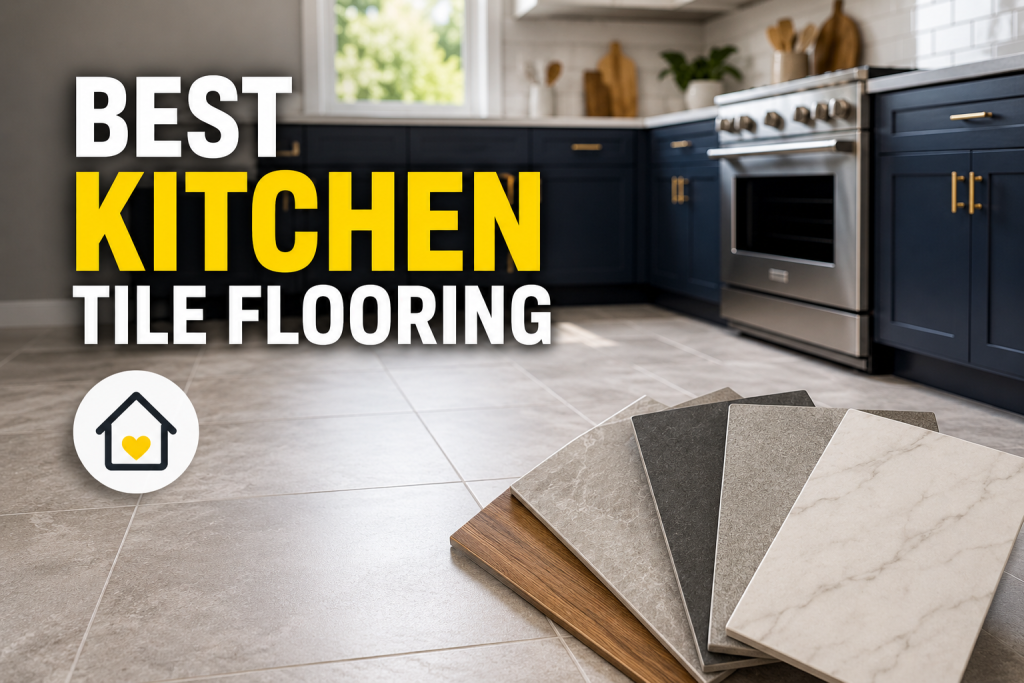
Budget also plays a major role in kitchen remodeling flooring decisions. Ceramic tile can be a smart entry-level option for homeowners who want a refreshed look without a major investment, while porcelain offers a stronger long-term value proposition due to its lifespan and lower maintenance needs. The key is balancing upfront cost against long-term replacement cycles. Design preference should not be ignored either. Modern US homeowners increasingly look for modern kitchen tile ideas that support resale value, such as neutral stone looks, large-format tiles, or wood-look finishes. These styles tend to age well and appeal to a broader buyer pool, which is important in competitive housing markets. Finally, safety and maintenance should guide the final decision. Choosing slip-resistant kitchen flooring with easy-to-clean grout lines ensures the kitchen remains functional, safe, and visually appealing for years. When all factors are combined, climate, usage, budget, and design, you can confidently narrow down the right material for your home rather than relying on trends alone.
Conclusion
Choosing the best kitchen tile flooring comes down to balancing durability, safety, design, and long-term value. For most US homeowners, porcelain tile consistently stands out as the strongest overall choice due to its low water absorption, resistance to wear, and versatility across modern kitchen styles. Ceramic tile can still be a practical option for budget-focused remodels, but it typically doesn’t match porcelain in long-term performance, especially in high-traffic kitchens or humid regions like the Southeast. Meanwhile, features like slip resistance, matte finishes, and properly sealed grout lines play a major role in ensuring both safety and easy maintenance over time. Ultimately, the right kitchen flooring should match your household’s lifestyle, climate conditions, and remodeling goals. A well-chosen tile floor doesn’t just improve daily function, it also enhances resale value and strengthens the overall appeal of your home for years to come.
FAQ
Is porcelain better than ceramic for kitchen floors?
In most US kitchen remodeling projects, porcelain kitchen tile is considered superior because it is denser, less porous, and more resistant to moisture and impact. This makes it ideal for high-traffic kitchens in humid regions like Florida or Texas. Ceramic kitchen flooring can still be a good option for lower-traffic homes or tighter budgets, but it generally does not offer the same long-term durability or water resistance as porcelain.
What tile is easiest to clean in kitchens?
Smooth or lightly textured porcelain tile is typically the easiest to maintain. Spills can be wiped quickly, and stains are less likely to penetrate the surface. Properly sealed grout is also important, as grout lines often determine how much long-term maintenance is required in any kitchen remodeling flooring installation.
What flooring is most waterproof for kitchens?
While no flooring is completely “waterproof,” porcelain tile performs closest to that standard due to its very low water absorption rate. This makes it a top choice for waterproof kitchen flooring, especially in homes exposed to frequent spills, humidity, or heavy cooking activity.
Does tile flooring increase home value?
Yes. Updated tile flooring is widely seen as a value-boosting upgrade in US real estate markets. Buyers prefer durable, low-maintenance surfaces in kitchens, and high-quality tile, especially neutral or modern styles, can improve both resale appeal and perceived home condition. Choosing the best kitchen tile flooring can make a noticeable difference in competitive housing markets.
What is the safest non-slip kitchen flooring?
The safest option is typically textured or matte-finish tile, especially slip-rated porcelain products. These surfaces reduce the risk of slipping caused by water, oil, or food spills. Many modern slip-resistant kitchen flooring options from brands like Mohawk Industries and Shaw Floors are specifically designed for residential safety without sacrificing aesthetics.