


Complete Laminate Flooring Guide for Beginners (2026 US Guide)
The laminate flooring guide starts with understanding what laminate actually is and why it has become one of the most popular budget-friendly flooring choices in US homes. Laminate flooring is a multi-layer synthetic product designed to mimic the look of natural wood while offering easier installation and lower cost. Most residential laminate flooring products feature a photographic wood-look layer covered by a durable wear layer that protects against scratches and everyday foot traffic. Beneath that is a high-density core that provides structural stability and helps the flooring maintain its shape over time.
Homeowners often choose laminate because it delivers the appearance of hardwood at a significantly lower price point. It is widely used in living rooms, bedrooms, hallways, and rental properties where affordability and style both matter. This guide will break down how laminate works, its pros and cons, installation methods, and whether it is the right fit for your home.
How Is Laminate Flooring Made?
Understanding how laminate is constructed is key in any laminate flooring guide, especially for homeowners comparing it to hardwood or vinyl. Laminate flooring is built in multiple layers, each designed to serve a specific purpose in durability, appearance, and stability. The top layer is a transparent wear layer that protects against scratches, stains, and fading. Beneath it is the design layer, which features a high-resolution image that gives laminate its realistic wood-look laminate flooring appearance. This is what mimics oak, maple, or other natural wood species.
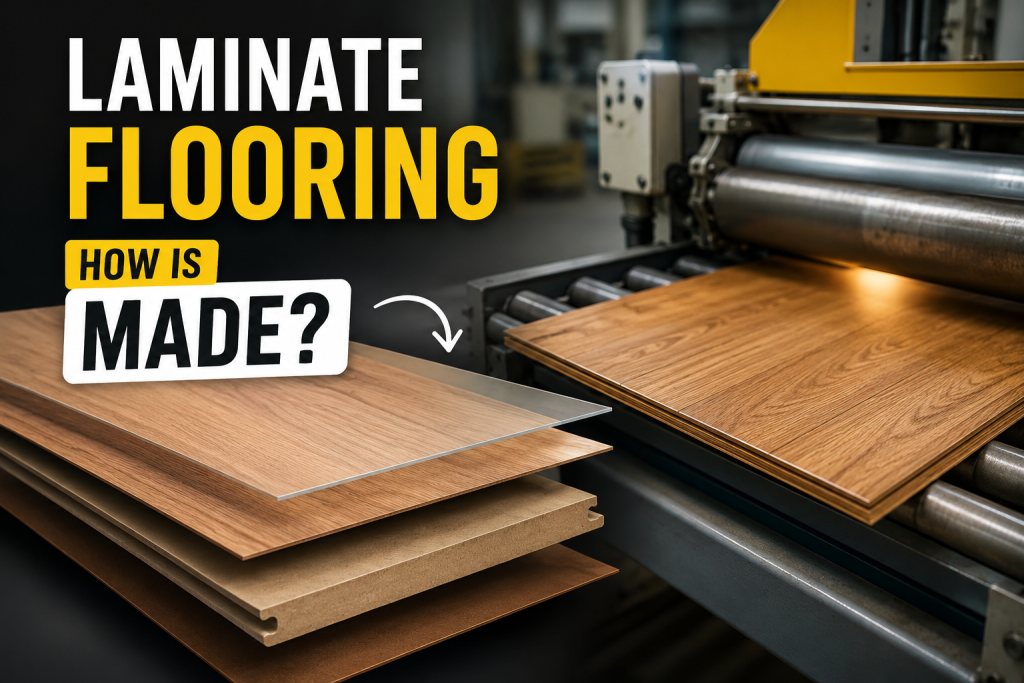
Below the visual layer is the core, typically made from high-density fiberboard (HDF). This layer provides strength and helps resist daily impact in residential laminate flooring installations. The bottom layer acts as a stabilizing backing that helps prevent moisture intrusion and maintains structural balance. This layered construction is what makes laminate both affordable and practical for everyday home use.
Pros and Cons of Laminate Flooring
When evaluating residential laminate flooring, it’s important to understand both its strengths and limitations before making a decision. Laminate has become a popular choice in US homes because it balances affordability, style, and ease of installation, but it is not without tradeoffs. On the positive side, laminate is one of the most affordable flooring options available. It offers a realistic wood appearance, resists scratches better than many natural wood floors, and is relatively easy to install. Many homeowners also appreciate its low-maintenance nature, especially in busy households with kids or pets.
However, as explained in this laminate flooring guide, laminate flooring also has limitations. It cannot be refinished like hardwood, and once the wear layer is damaged, the affected plank typically needs replacement. Laminate is also more sensitive to moisture than vinyl or other waterproof flooring options, which can lead to swelling in high-humidity environments if not properly installed. Overall, this laminate flooring guide recommends laminate as a practical choice for budget-conscious homeowners who prioritize style and affordability over long-term refinishing potential.
Laminate vs Other Flooring Options
When comparing laminate to other materials, homeowners can better understand where it fits within modern residential laminate flooring choices. Laminate is often compared directly with hardwood and luxury vinyl because all three can deliver a wood-like appearance, but their performance and cost differ significantly. Compared to hardwood, laminate is far more affordable and easier to install, making it one of the most practical affordable flooring options for budget-focused renovations. However, hardwood offers superior longevity and refinishing capability, which laminate lacks entirely.
When compared to luxury vinyl plank (LVP), laminate generally offers a more rigid feel underfoot and a highly realistic wood-look laminate flooring appearance. However, vinyl typically performs better in moisture-prone areas like bathrooms and basements due to its waterproof nature. Ultimately, laminate fills the gap between style and affordability, making it ideal for homeowners who want attractive flooring without the higher cost or maintenance demands of natural wood.
Laminate Floor Installation Guide
One of the biggest advantages covered in any laminate flooring guide is how simple the installation process can be compared to traditional hardwood. Most modern laminate systems use a click-lock mechanism, allowing planks to snap together without nails or glue in many cases. A proper laminate floor installation begins with preparing a clean, level subfloor. Any uneven surfaces must be corrected to prevent gaps or movement after installation. Underlayment is typically added to improve sound insulation, comfort, and minor moisture resistance.
According to this laminate flooring guide, laminate flooring is popular among DIY homeowners because it can often be installed without professional assistance, particularly in simple square or rectangular rooms. However, complex layouts, staircases, or uneven subfloors may still require professional installation to ensure long-term performance. As highlighted in this laminate flooring guide, expansion gaps around the edges of the room are essential because laminate expands and contracts slightly with temperature changes. Proper installation plays a major role in maintaining durability, stability, and appearance over time.
Best Laminate Flooring Ideas for Homes
Modern laminate flooring ideas have evolved far beyond basic wood imitation, offering homeowners a wide range of design options that suit different interior styles. Today’s laminate products can closely replicate natural hardwood species like oak, walnut, and hickory, making them a strong choice for stylish yet budget-conscious renovations. One of the most popular trends in wood-look laminate flooring is wide-plank designs with natural textures and matte finishes. These styles work especially well in open-concept living rooms and kitchens, creating a clean and modern aesthetic that mimics high-end hardwood.
As highlighted in this laminate flooring guide, medium-tone oak and warm brown finishes remain top choices for traditional homes because they provide a timeless appearance that complements classic furniture and décor. Rustic and distressed finishes are also growing in popularity in suburban U.S. homes, particularly in farmhouse-inspired interiors. One of the key advantages covered in this laminate flooring guide is the design flexibility of laminate flooring, which allows homeowners to achieve the look of premium hardwood at a fraction of the cost of natural wood.
Waterproof Laminate Flooring Options
Water resistance is one of the most misunderstood topics in any laminate flooring guide. While traditional laminate flooring is not fully waterproof, modern innovations have introduced improved versions that offer better protection against spills and moisture exposure. Waterproof laminate flooring typically features enhanced core materials and tighter locking systems designed to reduce water penetration between planks. This makes it more suitable for areas like kitchens, entryways, and dining rooms where occasional spills are common in US households.
As noted in this laminate flooring guide, it is important to understand the limitations of waterproof laminate flooring. Even waterproof-rated products are not designed to withstand standing water or prolonged moisture exposure. Bathrooms, laundry rooms, and basements may still be better suited for vinyl flooring or other fully waterproof materials. This laminate flooring guide emphasizes that choosing the right flooring for the right space is essential. While waterproof laminate expands installation possibilities, proper installation practices and prompt cleanup of spills remain critical for preventing long-term damage.
Laminate Floor Maintenance Tips
Proper laminate floor maintenance is essential for keeping your floors looking new and extending their lifespan. One of the biggest advantages of laminate is that it requires relatively low effort compared to natural wood, making it ideal for busy US households. Regular cleaning should focus on removing dust, dirt, and debris that can cause surface scratches over time. A dry microfiber mop or vacuum with a soft floor attachment works best for routine cleaning. For deeper cleaning, lightly damp mopping with laminate-safe cleaners is recommended, excess water should always be avoided.

Homeowners should also take preventative steps to protect the surface. Using furniture pads, entry mats, and area rugs in high-traffic zones can significantly reduce wear. Spills should be wiped immediately to prevent moisture from seeping into seams, especially in non-waterproof products. With consistent care, laminate flooring can maintain its appearance and performance for many years while remaining one of the most low-maintenance affordable flooring options.
Cost and Affordable Flooring Options
One of the main reasons homeowners choose laminate is its strong position among affordable flooring options in the US market. Compared to hardwood or engineered wood, laminate offers a significantly lower upfront cost while still delivering a realistic wood appearance suitable for most interior spaces. Material pricing varies depending on quality, thickness, and water resistance features. Basic laminate is typically the most budget-friendly, while premium wood-look laminate flooring with enhanced durability and waterproof features sits at a higher price point. Even at the upper range, laminate generally remains more cost-effective than natural hardwood.
Installation costs can also be lower, especially for DIY projects using click-lock systems. This makes laminate especially attractive for homeowners working within tight renovation budgets or updating rental properties. Overall, laminate flooring provides a balance between style and affordability, making it a practical choice for homeowners who want a modern look without the financial commitment of higher-end flooring materials.
Final Verdict
Choosing whether laminate is right for your home depends on your budget, lifestyle, and long-term expectations. In many US homes, residential laminate flooring is an excellent solution for homeowners who want the look of wood without the higher cost and maintenance requirements of hardwood. Laminate performs best in living rooms, bedrooms, hallways, and rental properties where style and durability are needed at an affordable price point. It also works well for homeowners who prefer easy installation and low-maintenance laminate floor maintenance routines. However, laminate may not be the best choice for areas exposed to frequent moisture or for homeowners seeking long-term refinishing options. In those cases, alternatives like vinyl or engineered hardwood may be more suitable. Overall, laminate remains one of the most practical flooring solutions for budget-conscious renovations, offering a strong balance of appearance, performance, and affordability when used in the right environment.
FAQs
What is laminate flooring made of?
Laminate flooring is made of multiple layers, including a wear layer, a printed design layer, a high-density core, and a backing layer for stability.
Is laminate flooring good for homes?
Yes, residential laminate flooring is a great option for budget-conscious homeowners who want the look of wood with easy maintenance.
How long does laminate flooring last?
With proper care and laminate floor maintenance, laminate flooring typically lasts 10–20 years depending on quality and usage.
Can laminate flooring get wet?
Standard laminate is not fully waterproof. However, waterproof laminate flooring options offer better resistance to spills but still should not be exposed to standing water.
Is laminate flooring easy to install?
Yes, most laminate floor installation systems use click-lock planks, making them suitable for DIY projects.
What are the disadvantages of laminate flooring?
Laminate cannot be refinished, and it is more sensitive to moisture compared to hardwood or vinyl flooring.
Is laminate cheaper than hardwood?
Yes, laminate is one of the most affordable flooring options, offering a lower upfront cost than hardwood or engineered wood.