

Common Laminate Flooring Problems and Solutions (2026 US Guide)
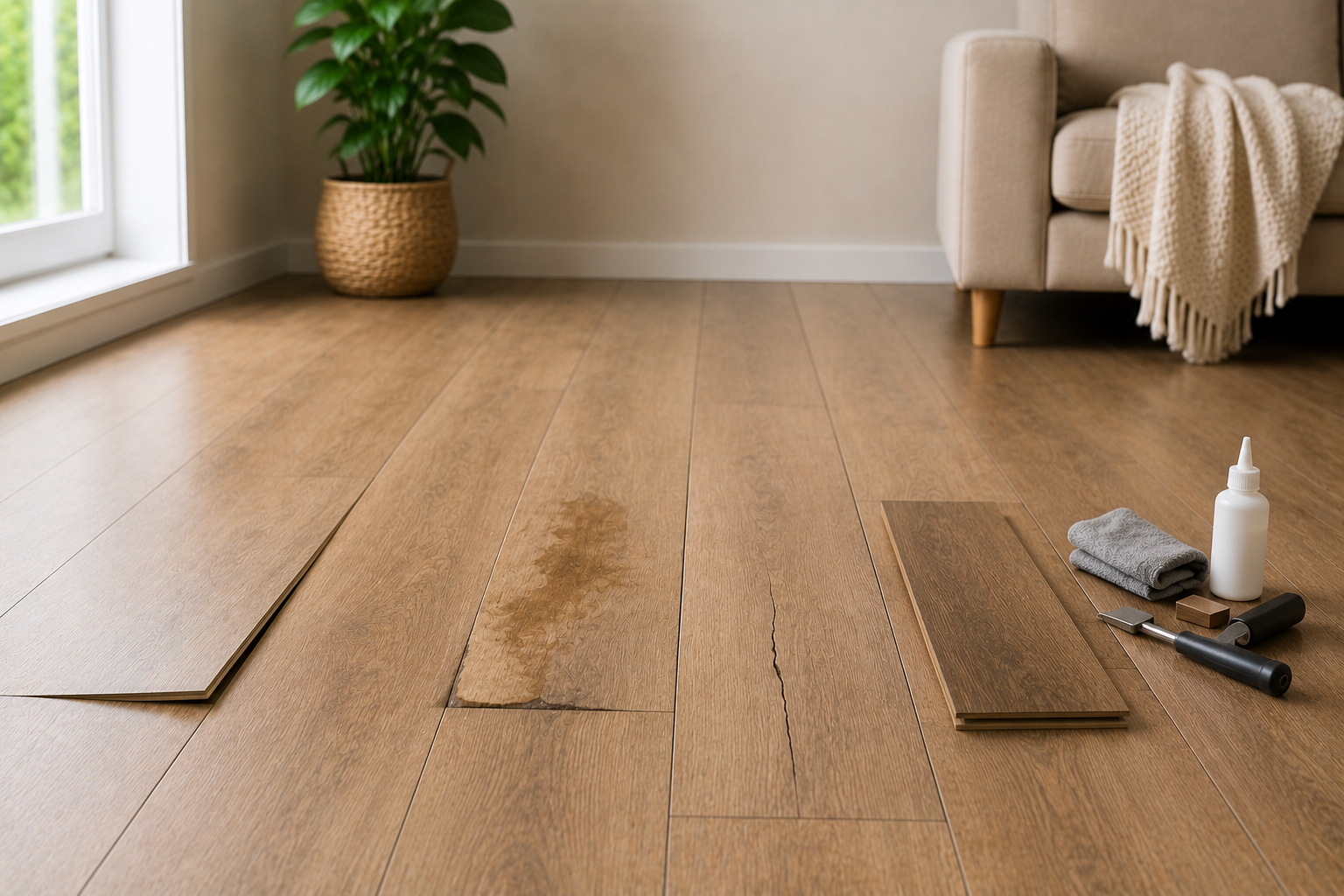
Understanding laminate flooring problems starts with knowing how laminate floors are built and how they behave in real US home environments. While laminate is designed to be durable and cost-effective, it is still sensitive to installation quality, moisture exposure, and everyday wear. Most issues occur when flooring is installed without proper subfloor preparation or when expansion gaps are not correctly left around the edges. In other cases, environmental factors such as humidity changes, plumbing leaks, or direct water exposure can gradually damage the flooring structure.
US homeowners also face region-specific challenges. For example, humid Southern climates can increase the risk of swelling, while dry regions may lead to minor movement or separation between planks. These conditions can trigger issues like warped laminate flooring, buckling, or surface damage over time. This guide breaks down the most common laminate flooring issues and provides practical solutions to help homeowners repair, maintain, and prevent future problems.
Warped Laminate Flooring Problems and Fixes
One of the most common laminate flooring problems homeowners notice is warping, which often shows up as uneven, raised, or distorted planks. Warped laminate flooring is typically caused by moisture exposure or temperature fluctuations that affect the core materials beneath the surface layer. In many US homes, warping happens when water seeps into seams from spills, leaks, or high humidity levels, especially in kitchens, entryways, or ground-level rooms. Once moisture enters the core board, it can cause swelling that permanently changes the plank’s shape. Poor installation, such as missing expansion gaps, can also trap pressure and contribute to visible warping.
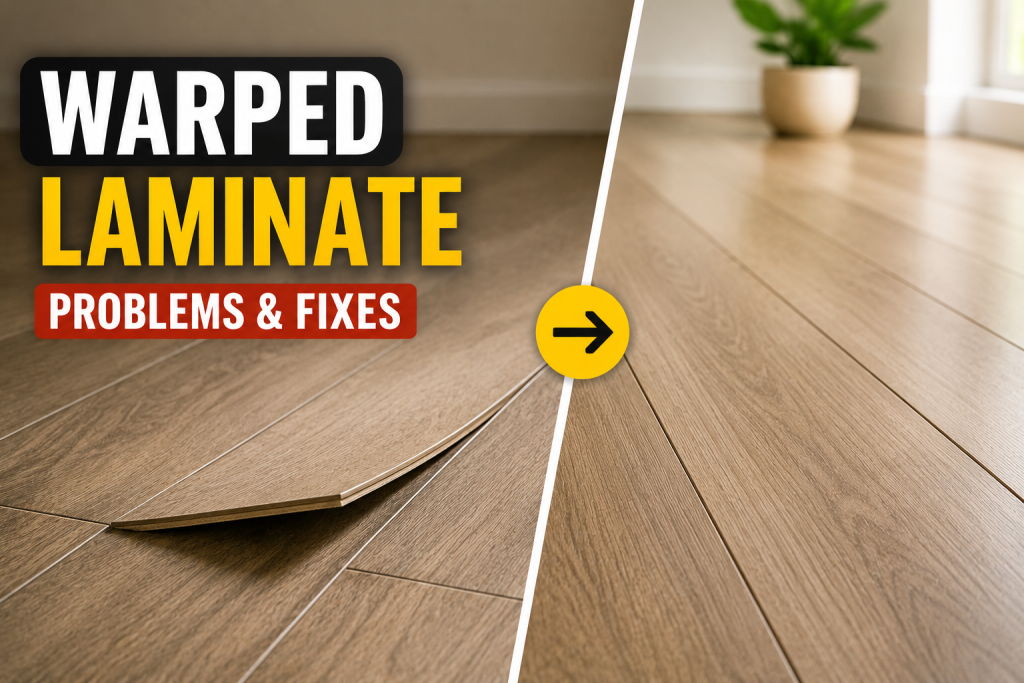
Fixing warped laminate depends on severity. Minor cases may improve after identifying and removing the moisture source, but in most situations, damaged planks need to be replaced. Unlike hardwood, laminate cannot be sanded or refinished, so replacement is often the most reliable solution. Preventing warping requires proper installation and quick cleanup of any water exposure.
Scratched Laminate Floors Repair Options
Among the most visible laminate flooring problems, scratches are one of the most common issues homeowners face, especially in busy households. Scratched laminate floors often develop from furniture movement, pet claws, dirt particles, or everyday foot traffic over time. While laminate is designed with a protective wear layer, it is not completely immune to surface damage. Light scratches may only affect the top finish and can sometimes be improved with laminate repair kits, wax pencils, or color-matched fillers. These solutions help reduce visibility and restore a more uniform appearance.
However, deeper scratches that penetrate the decorative layer are more difficult to fix permanently. In such cases, the affected plank may need to be replaced entirely, since laminate cannot be sanded or refinished like hardwood flooring. Preventing scratches is usually more effective than repairing them. Using furniture pads, rugs in high-traffic areas, and regular cleaning to remove abrasive debris can significantly extend the life of laminate floors.
Laminate Floor Buckling Explained
Laminate floor buckling is one of the more serious laminate flooring problems, and it typically appears as raised sections or “peaks” where the flooring lifts away from the subfloor. This issue is usually caused by expansion pressure that has nowhere to go. In many US homes, buckling occurs when expansion gaps were not properly left around the perimeter of the room during installation. Laminate naturally expands and contracts with temperature and humidity changes, and without enough space to move, the planks push against each other and lift.
Moisture is another major cause. Water leaks, high indoor humidity, or trapped moisture beneath the flooring can force the planks to swell, leading to visible distortion. Heavy furniture placed incorrectly or improper installation over uneven subfloors can also contribute. Fixing buckling often requires removing baseboards and relieving pressure at the edges. In severe cases, affected planks may need to be replaced after addressing the underlying moisture or installation issue.
Laminate Floor Repair Methods
When dealing with laminate flooring problems, understanding the right laminate floor repair approach is essential because not all damage can be fixed the same way. The best solution depends on whether the issue is surface-level, structural, or moisture-related. For minor damage such as small chips or shallow surface wear, repair kits with wax fillers or color-matched putty can help improve appearance. These are useful for isolated spots but do not restore the structural integrity of the plank. For slightly damaged boards, some homeowners use plank replacement techniques where individual pieces are carefully removed and swapped out without disturbing the entire floor.
In more severe cases, such as widespread damage from moisture or water-damaged laminate flooring, replacement is often the only reliable solution. Because laminate is a floating system, repairs must also ensure the subfloor is dry, level, and stable before reinstalling any boards. Choosing the right repair method early helps prevent small issues from turning into full-floor replacement projects.
Water-Damaged Laminate Flooring Solutions
One of the most serious laminate flooring problems homeowners encounter is water damage. Water-damaged laminate flooring typically occurs when spills are left uncleaned, plumbing leaks go unnoticed, or excessive moisture seeps into seams over time. Unlike waterproof flooring options, standard laminate has a fiberboard core that absorbs moisture. Once water penetrates this layer, the planks can swell, warp, or lose structural stability. In most cases, visible signs include bubbling edges, discoloration, and soft or uneven surfaces.
Unfortunately, laminate cannot be restored once significant water damage has occurred. The most effective solution is usually replacing the affected planks or sections of flooring. It’s also important to identify and fix the source of moisture before any replacement work begins to prevent recurring damage. For prevention, homeowners should act quickly on spills, avoid wet mopping, and consider upgraded moisture-resistant products in kitchens or entryways. Proper sealing and maintenance can significantly reduce long-term water-related issues.
Squeaky Laminate Floors Causes
Among the more annoying laminate flooring problems, squeaky or creaking sounds can develop over time and often indicate movement within the flooring system. Squeaky laminate floors are usually not caused by the laminate itself, but rather by issues underneath the surface. One of the most common causes is an uneven subfloor. When the base layer is not perfectly level, small gaps can form between the laminate and the subfloor, leading to friction and noise when weight is applied. Another frequent issue is improper underlayment installation, where materials shift or compress unevenly over time.
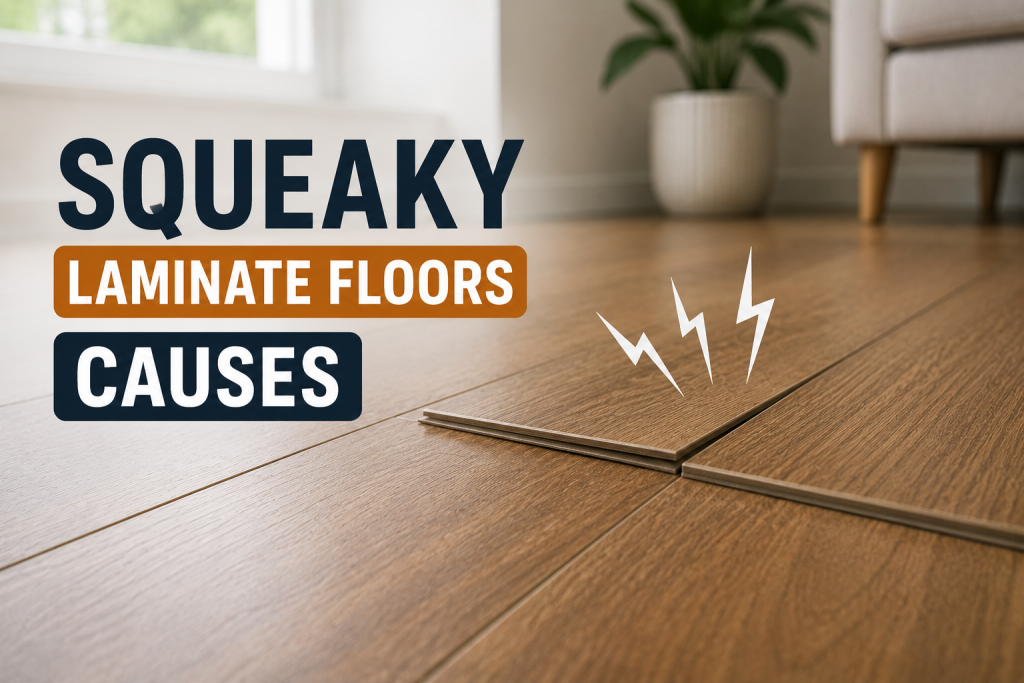
In some US homes, seasonal humidity changes can also contribute to slight movement in the flooring system, especially in floating installations. This movement may result in minor rubbing sounds between planks or between the floor and subfloor. Fixing squeaks often requires identifying the exact source, which may involve lifting sections of flooring, reinforcing the subfloor, or adjusting underlayment. Proper installation is the most effective long-term prevention method.
Laminate Flooring Maintenance Tips
Proper laminate flooring maintenance is one of the most effective ways to prevent common laminate flooring problems before they start. Since laminate is designed with a protective wear layer, routine care focuses more on surface protection and moisture control rather than intensive treatment. Regular cleaning is essential. Homeowners should sweep or vacuum frequently to remove dirt and debris that can act like sandpaper underfoot and contribute to scratches. A lightly damp microfiber mop can be used for deeper cleaning, but excess water should always be avoided to prevent swelling or water-damaged laminate flooring.
Preventive care also plays a major role. Using furniture pads, entry mats, and rugs in high-traffic areas can significantly reduce wear. Spills should be cleaned immediately to prevent moisture from seeping into seams. In humid regions of the US, maintaining indoor climate control helps reduce expansion and contraction issues. With consistent maintenance, laminate flooring can maintain its appearance and performance for many years while reducing the risk of costly repairs.
When to Repair vs Replace Laminate Flooring
Deciding whether to repair or replace flooring is a key step when dealing with laminate flooring problems, and the right choice depends on the severity and spread of the damage. In many cases, small issues can be addressed without a full replacement, but extensive damage often makes replacement the more practical option. Minor surface issues such as light scratches or small chips can usually be handled with simple laminate floor repair methods like fillers or replacing individual planks. Localized damage, such as a single area affected by scratched laminate floors or a few loose boards, can often be fixed without disturbing the entire floor system.
However, widespread issues like laminate floor buckling, major water-damaged laminate flooring, or multiple warped sections typically indicate deeper structural or moisture problems. In these cases, replacement is usually more cost-effective in the long run. Evaluating the extent of damage early helps homeowners avoid repeated repairs and ensures the flooring system remains safe, stable, and visually consistent.
Final Verdict
Preventing laminate flooring problems is far more cost-effective than repairing them after they occur. Most issues, whether it’s warped laminate flooring, laminate floor buckling, or surface damage, can be traced back to installation quality, moisture exposure, or lack of proper maintenance. The most important step is correct installation. Ensuring a level subfloor, proper underlayment, and adequate expansion gaps significantly reduces the risk of long-term movement and structural issues. Choosing higher-quality products designed for better laminate flooring maintenance and durability also improves long-term performance. Moisture control is equally critical. Homeowners should clean spills immediately, avoid excessive water during cleaning, and monitor humidity levels in areas like kitchens and basements. In high-risk spaces, upgrading to more water-resistant options can help reduce damage risk. With proper installation and consistent care, laminate flooring can remain stable, attractive, and functional for many years without major issues.
FAQs
What are the most common laminate flooring problems?
The most common laminate flooring problems include warping, buckling, scratches, water damage, and squeaky floors caused by subfloor or installation issues.
Why does laminate flooring warp?
Warped laminate flooring usually happens due to moisture exposure, humidity changes, or water leaks that cause the core to swell.
Can scratched laminate floors be repaired?
Light scratched laminate floors can be improved with repair kits, but more serious damage usually requires plank replacement.
What causes laminate floor buckling?
Laminate floor buckling is often caused by missing expansion gaps, trapped moisture, or improper installation over an uneven subfloor.
Can water-damaged laminate flooring be fixed?
Water-damaged laminate flooring typically cannot be repaired and must be replaced once the core has absorbed moisture.
Why do laminate floors squeak?
Squeaky laminate floors are usually caused by uneven subfloors, poor underlayment installation, or movement in floating floor systems.
How can I prevent laminate flooring problems?
Proper installation, moisture control, and regular laminate flooring maintenance are the best ways to prevent long-term issues.