

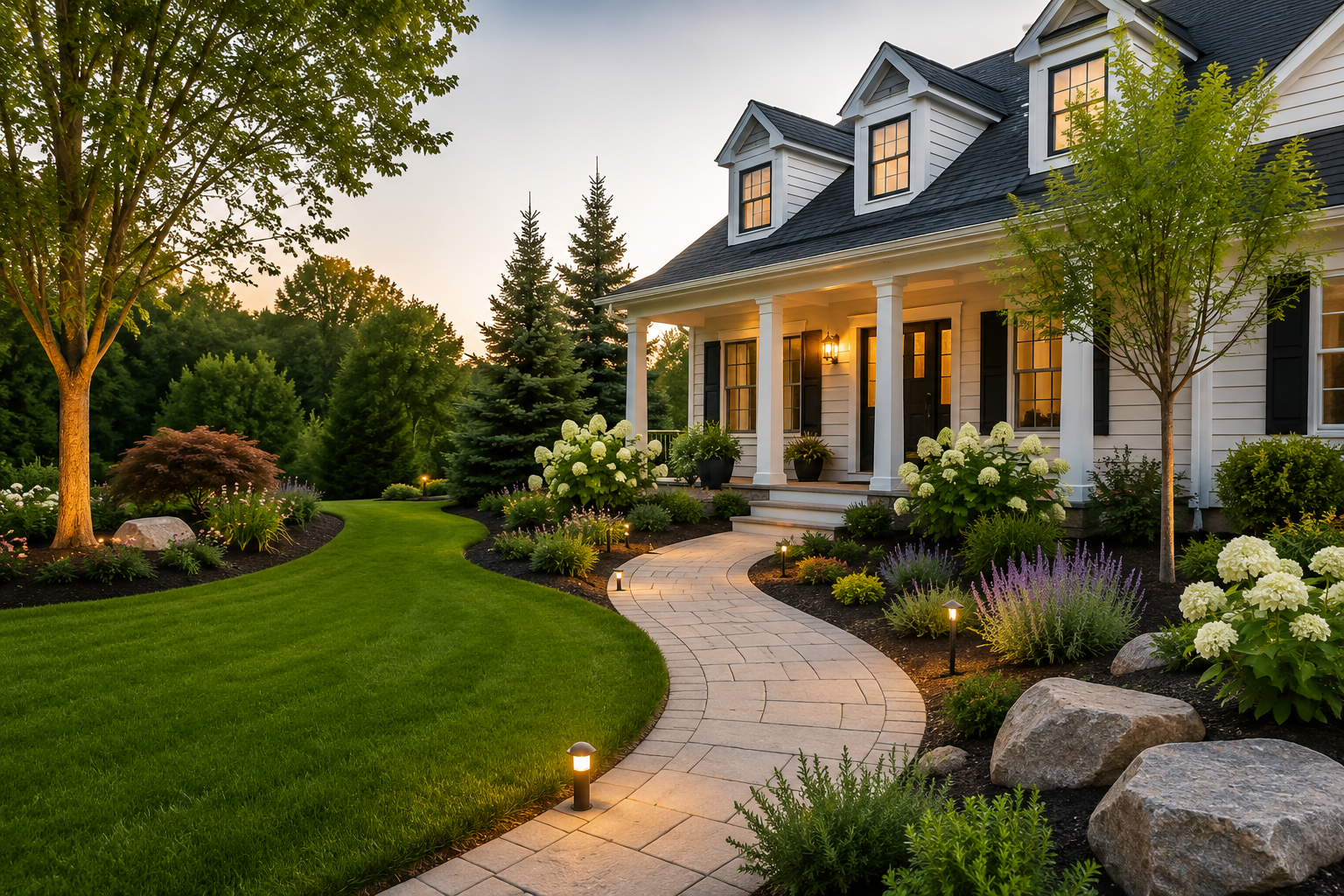
Complete Guide to Landscaping Ideas for American Homes
A well-designed landscape does much more than make a property look attractive. For American homeowners, thoughtful outdoor improvements can increase curb appeal, enhance outdoor living spaces, improve energy efficiency, and even boost resale value. Whether you own a suburban home in Texas, a coastal property in Florida, or a traditional residence in the Midwest, the right landscape plan can transform the way your home looks and functions.
Today, homeowners are investing in creative landscaping ideas that combine beauty with practicality. From selecting climate-appropriate plants to designing inviting outdoor gathering areas, every landscaping decision contributes to the overall value and enjoyment of a property. This home landscaping guide covers the essential principles of landscape planning, design, plant selection, maintenance, and regional considerations to help you create an outdoor space that complements your home and lifestyle for years to come.
What Is Residential Landscaping?
Residential landscaping is the process of designing, installing, and maintaining outdoor spaces around a home to improve appearance, functionality, and property value. It includes both softscape elements, such as lawns, trees, shrubs, flowers, and ground covers, and hardscape features like patios, walkways, retaining walls, and outdoor lighting. A successful landscape is more than a collection of plants. It should complement the home’s architecture, support local climate conditions, and meet the homeowner’s practical needs.
For example, a property in Arizona may prioritize drought-tolerant plants and water-efficient irrigation, while a home in Minnesota may focus on cold-hardy species and seasonal interest. Many homeowners use landscaping as a long-term investment because it can improve outdoor living, reduce maintenance challenges, enhance privacy, and create a welcoming environment that increases overall property appeal.
Planning Your Landscaping Project
A successful landscape starts with careful planning. Before purchasing plants or installing outdoor features, take time to evaluate your property and establish clear objectives. Proper planning helps prevent costly mistakes and ensures every element works together to create a functional and attractive outdoor space.
Evaluate Your Property
Begin by assessing your yard’s size, soil conditions, drainage patterns, sunlight exposure, and existing vegetation. Understanding these factors helps determine which plants and landscape features will perform best over time.
Understand Your Climate Zone
Climate plays a major role in landscape success. Homeowners should select plants suited to their region, whether they live in the humid Southeast, the cold Midwest, or the arid Southwest. Climate-appropriate choices typically require less maintenance and water.
Set a Realistic Budget
Consider installation costs, irrigation needs, hardscape materials, and long-term maintenance expenses. A clear budget allows you to prioritize improvements without overspending.
Define Your Goals
Identify what you want your landscape to achieve. Common goals include improving privacy, increasing outdoor living space, enhancing curb appeal, supporting pollinators, or raising property value.
Best Front Yard Landscaping Ideas for Maximum Curb Appeal
The front yard is one of the first features visitors and potential buyers notice, making it a key factor in creating a positive first impression. Well-executed front yard landscaping ideas can improve the appearance of your property while increasing its perceived value. Start by creating a clear and welcoming path to the front entrance. Walkways lined with flowering plants, decorative grasses, or neatly maintained shrubs naturally guide guests toward the home. Layered planting beds that combine ground covers, medium-sized shrubs, and ornamental trees add depth and year-round visual interest.
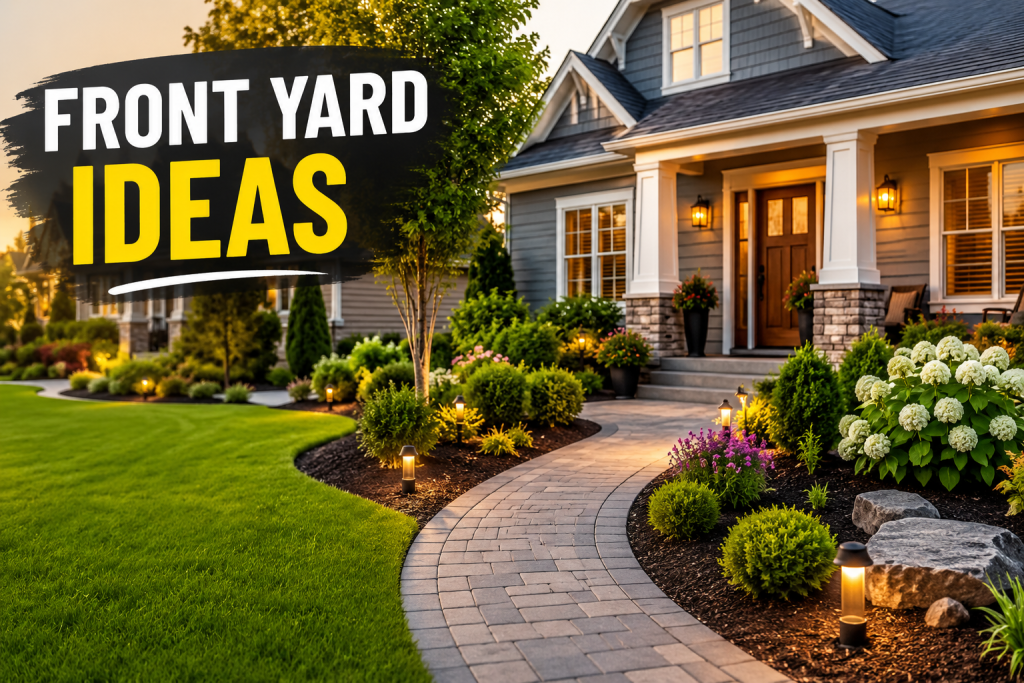
Landscape lighting is another effective upgrade. Path lights, uplighting, and accent fixtures improve safety while highlighting architectural and landscape features after sunset. Homeowners looking to improve landscaping for curb appeal should also focus on maintaining healthy lawns, defining planting borders, and selecting plants that complement the home’s exterior style.
Practical Backyard Landscaping Ideas for Outdoor Living
Modern homeowners increasingly view their backyards as extensions of their indoor living space. Thoughtfully planned backyard landscaping ideas can transform an ordinary yard into a comfortable area for relaxation, entertainment, and family activities. Outdoor patios remain one of the most popular additions because they provide a dedicated space for dining, grilling, and social gatherings. Features such as pergolas, shade structures, and fire pits can make outdoor spaces more enjoyable throughout the year. Homeowners who value privacy often incorporate evergreen hedges, decorative screens, or strategically placed trees to create secluded retreats.
Functionality should remain a priority during the design process. Consider traffic flow, seating arrangements, and maintenance requirements when selecting landscape features. By balancing aesthetics with practical use, homeowners can create a backyard that enhances daily living while contributing to the property’s overall appeal and long-term value.
Landscaping Design Ideas for Different Home Styles
The most successful landscapes complement a home’s architectural style rather than compete with it. Choosing the right landscaping design ideas helps create a cohesive appearance that enhances both the house and the surrounding property.
Modern Homes
Modern homes often feature clean lines, minimalist planting schemes, decorative stone, and geometric layouts. Ornamental grasses, evergreen shrubs, and structured planting beds help maintain a sleek, contemporary look.
Traditional Homes
Traditional architecture pairs well with layered garden beds, flowering shrubs, and symmetrical designs. Classic plants such as hydrangeas and boxwoods can add timeless charm and curb appeal.
Farmhouse Properties
Farmhouse landscapes typically embrace a natural, relaxed appearance. Native plants, mixed perennial beds, and rustic hardscape materials complement this popular American home style.
Coastal and Southern Homes
Homes in coastal and Southern regions often benefit from salt-tolerant, heat-resistant plants. Palm varieties, ornamental grasses, and colorful flowering plants can create a landscape that thrives in warm, humid environments.
Choosing the Right Plants for Your Region
Selecting plants that match your local climate is one of the most important decisions in any landscape project. Climate-appropriate plants generally require less water, experience fewer health issues, and deliver better long-term performance. In the Northeast, homeowners often choose landscaping ideas such as using maples, hydrangeas, and boxwoods because they can handle cold winters and seasonal temperature changes. The Southeast favors landscaping ideas that include heat- and humidity-tolerant plants such as azaleas, crepe myrtles, and evergreen shrubs.
Across the Homeowners in the Southwest frequently select drought-resistant species like agave, yucca, and desert grasses to conserve water. Meanwhile, the Pacific Northwest supports lush landscapes filled with conifers, ferns, and shade-loving plants. Matching plant choices to regional conditions helps reduce maintenance costs, improve landscape health, and support long-term sustainability.
Modern Landscaping Trends Homeowners Are Following
Today’s homeowners are looking for outdoor spaces that combine beauty, sustainability, and low-maintenance living. Several modern landscaping trends have emerged as property owners seek practical solutions that also enhance curb appeal and long-term value. Native plant landscaping continues to gain popularity across the United States because it supports local ecosystems while reducing watering and maintenance requirements. Pollinator-friendly gardens filled with native flowers are also becoming common in residential landscapes. Many homeowners are replacing large areas of turf with decorative plant beds, mulch, and drought-tolerant vegetation to lower maintenance costs.
Technology is influencing landscape design as well. Smart irrigation systems help conserve water by adjusting schedules based on weather conditions. Sustainable features such as permeable pavers, rain gardens, and energy-efficient outdoor lighting are increasingly incorporated into landscape projects, creating environmentally responsible outdoor spaces that remain attractive throughout the year.
Landscaping Ideas for Curb Appeal and Property Value
Well-planned landscaping can significantly influence how a home is perceived, especially in competitive real estate markets across the United States. Strong landscaping for curb appeal helps create an immediate sense of care and quality, which can positively impact buyer interest and property value. Key features that improve curb appeal include healthy, well-maintained lawns, defined planting beds, mature trees, and clean walkways. Entryway-focused improvements such as symmetrical plantings, seasonal flowers, and accent lighting can make a home feel more welcoming and visually balanced.
From a resale perspective, landscaping upgrades often deliver strong returns when compared to other exterior improvements. However, overdesigning or choosing high-maintenance features can sometimes deter buyers. The most effective landscapes balance beauty with practicality, ensuring the property looks appealing without creating excessive upkeep for future homeowners.
Common Landscaping Mistakes to Avoid
Even well-planned yards can underperform if common landscaping mistakes are not addressed early. Many homeowners focus on appearance alone and overlook long-term growth patterns, maintenance needs, and site conditions, which can lead to costly corrections later.
- Planting trees too close to the home, driveways, or utility lines, leading to structural or maintenance issues over time
- Ignoring drainage patterns, which can result in water pooling, soil erosion, or foundation concerns
- Overcrowding planting beds, causing plants to compete for nutrients, sunlight, and space
- Choosing plants that are not suited to the local climate, increasing replacement costs and maintenance demands
- Designing layouts without considering future growth, resulting in blocked walkways or obstructed views
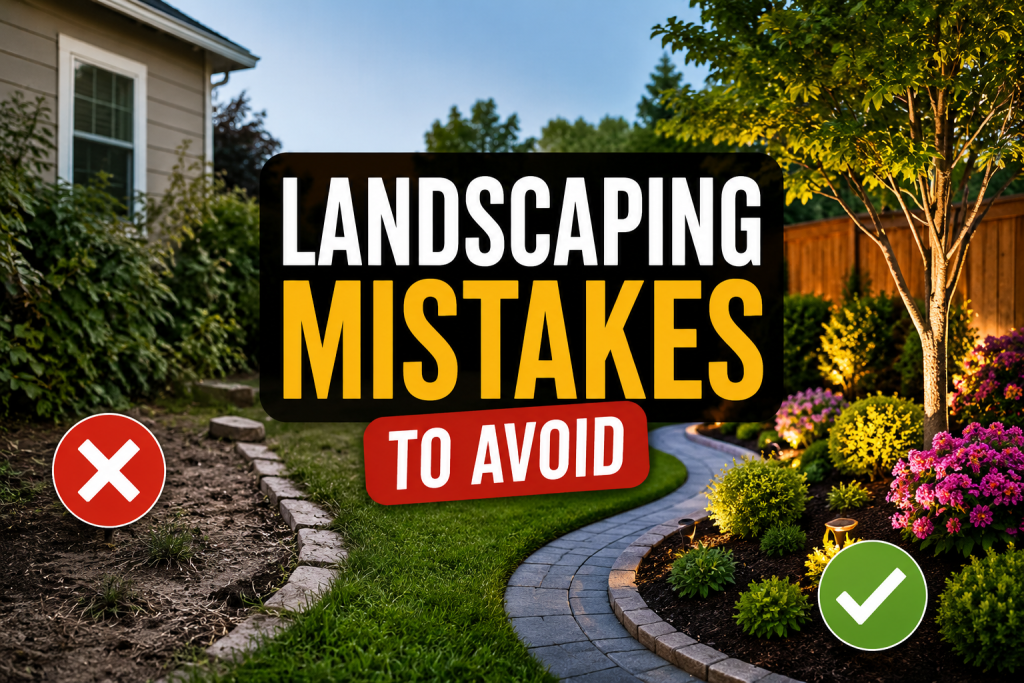
Avoiding these issues ensures your landscape remains functional, visually balanced, and easier to maintain throughout the year. Careful planning at the beginning of a project helps protect both curb appeal and long-term property value.
Seasonal Landscape Maintenance
Maintaining a landscape throughout the year is essential for preserving both its appearance and long-term health. A consistent maintenance routine ensures that plants, lawns, and hardscape features continue to perform well in changing weather conditions across the United States. In spring, homeowners should focus on key landscaping ideas such as pruning plants, fertilizing soil, refreshing mulch, and planting new seasonal flowers.
In summer, important landscaping ideas include regular watering, weed control, and monitoring for pests or heat stress, especially in warmer regions like the South and Southwest. In winter, colder climates may require additional protection such as covering sensitive plants and managing snow or ice buildup. By following a seasonal maintenance schedule, homeowners can extend the life of their landscape, reduce repair costs, and maintain strong curb appeal throughout the year.
Conclusion
A well-planned landscape is one of the most valuable long-term investments a homeowner can make. From improving curb appeal to creating functional outdoor living spaces, thoughtful design choices can significantly enhance both daily living and property value. Whether you are exploring simple upgrades or a full property transformation, the right approach to landscaping ideas ensures your outdoor space works with your home’s architecture, climate, and lifestyle needs.
Across the United States, successful landscapes are built on smart planning, climate-appropriate plant selection, and consistent maintenance. By combining structure, greenery, and practical design features, homeowners can create outdoor environments that remain attractive and functional throughout the seasons.
FAQs
What are the most important landscaping ideas for beginners?
Start with simple landscaping ideas such as maintaining lawn health, creating basic planting beds, adding walkways, and using simple outdoor lighting. These core landscaping ideas help build a strong foundation for your yard and make future upgrades easier and more effective.
How often should landscaping be updated?
Most homeowners refresh their landscape every 3–5 years, depending on plant growth, design changes, and maintenance needs.
Which landscaping features improve home value the most?
Entryway upgrades, mature trees, outdoor lighting, patios, and well-maintained lawns typically offer the best return on investment.
Is professional landscaping worth it?
For complex designs or large properties, professional landscaping can improve efficiency, design quality, and long-term durability.
What is the easiest low-maintenance landscaping approach?
Using native plants, mulch beds, and efficient irrigation systems helps reduce watering, pruning, and overall upkeep.