


Luxury Interior Design: The Ultimate Guide for High-End Homes
Luxury is no longer defined solely by price tags or oversized spaces. Today, luxury interior design is about creating highly personalized environments that combine exceptional craftsmanship, timeless materials, and intentional living. Whether it’s a custom-built estate in Texas, a waterfront home in Florida, or a modern penthouse in New York, luxury design focuses on quality, comfort, and sophistication. The best high-end home interiors balance beauty with functionality. Every element, from flooring and lighting to furniture and architectural details, is carefully selected to create a cohesive experience. Unlike trend-driven decorating, luxury design prioritizes lasting value and refined aesthetics. Modern homeowners are increasingly embracing premium home styling that reflects their lifestyle while enhancing property value. Natural stone, custom millwork, statement lighting, and curated furnishings all contribute to the elevated look associated with designer home aesthetics. This guide explores the key principles, materials, and strategies behind creating truly luxurious living spaces.
What Is Luxury Interior Design?
Luxury interior design is the art of creating sophisticated, highly curated living spaces that prioritize quality, comfort, and timeless appeal. While many people associate luxury with expensive furnishings, true luxury is defined by thoughtful design, premium materials, and exceptional attention to detail. In modern high-end home interiors, every element serves a purpose. Layouts are carefully planned to improve functionality, while finishes and furnishings are selected to create a cohesive and elevated aesthetic. Custom cabinetry, natural stone surfaces, designer lighting, and handcrafted furniture are common features of upscale interior design. Another defining characteristic is personalization. Luxury homes are designed around the homeowner’s lifestyle rather than following generic trends. This approach creates spaces that feel unique, comfortable, and enduring. From luxury condos in Miami to custom estates in California, elegant home interiors focus on creating an environment where architecture, decor, and functionality work together seamlessly. The result is a home that feels refined, welcoming, and distinctly personal.
Key Principles of High-End Home Interiors
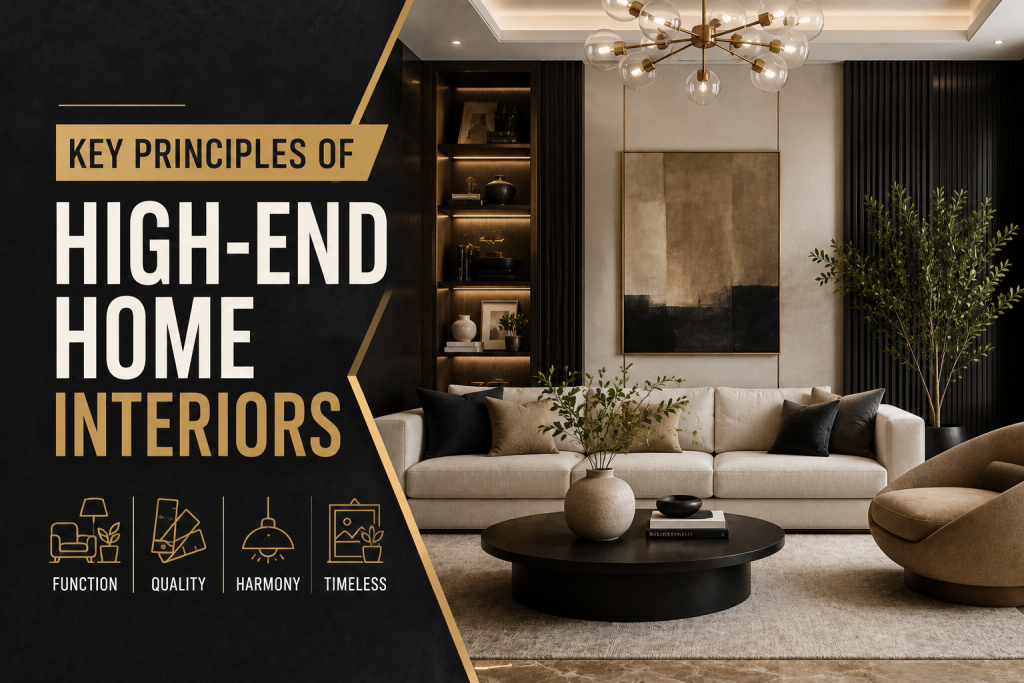
The foundation of high-end home interiors lies in a few core principles that separate luxury spaces from standard residential design. These principles focus on quality, balance, functionality, and timeless appeal rather than short-lived trends. One of the most important aspects of luxury interior design is craftsmanship. Custom millwork, built-in storage, detailed trim work, and carefully selected materials create a level of refinement that mass-produced interiors often lack. Quality is visible not only in the finishes but also in the execution. Another key principle is cohesion. Successful upscale interior design ensures that every room feels connected through a consistent palette, material selection, and architectural language. This creates a seamless experience throughout the home. Scale and proportion also play a major role. Furniture, lighting, and decor should complement the size of the space rather than overwhelm it. In the best designer home aesthetics, every element feels intentional, balanced, and perfectly placed.
Luxury Home Decor Essentials
Creating exceptional luxury home decor starts with selecting pieces that elevate a space through quality, craftsmanship, and visual impact. Unlike trend-driven decorating, luxury interiors rely on carefully curated elements that contribute to a timeless and sophisticated atmosphere. Statement pieces are often the foundation of luxury interior design. These may include custom furniture, oversized artwork, sculptural lighting fixtures, or handcrafted accessories that become focal points within a room. Rather than filling a space with numerous decorative items, luxury design emphasizes fewer but more meaningful selections. Materials are equally important. Natural stone, solid hardwood, brass accents, and premium textiles such as linen, velvet, and wool are frequently used in high-end home interiors. These materials add depth, texture, and durability while reinforcing the overall sense of quality. To achieve elegant home interiors, decor should be layered thoughtfully. Combining artwork, lighting, textiles, and architectural details creates a rich yet balanced environment that feels refined without appearing excessive.
Color Palettes for Elegant Home Interiors
Color plays a defining role in luxury interior design, shaping the mood, depth, and sophistication of elegant home interiors. In high-end spaces, color palettes are typically restrained, carefully curated, and designed to feel timeless rather than trendy. Neutral tones form the foundation of most high-end home interiors. Shades like warm whites, soft creams, taupe, beige, and light gray create a calm backdrop that allows architectural details and premium furnishings to stand out. These tones also help maximize natural light, which is essential in upscale interior design. To add depth and contrast, designers often introduce richer accent colors in moderation. Deep navy, forest green, charcoal, or muted gold are commonly used in luxury home decor to create focal points without overwhelming the space. The goal in designer home aesthetics is balance, combining subtle neutrals with controlled accents to achieve a layered, sophisticated environment that feels both inviting and refined.
Furniture and Materials in Upscale Interior Design
Furniture and materials are the backbone of upscale interior design, defining the comfort, durability, and visual sophistication of high-end home interiors. In luxury spaces, every piece is chosen with intention, focusing on craftsmanship, proportion, and timeless appeal rather than mass production or trend-driven styling. Furniture in luxury interior design often features custom or designer-made pieces that emphasize clean silhouettes and refined detailing. Sofas, chairs, and tables are typically upholstered in premium fabrics such as velvet, linen, or leather, paired with solid wood or metal frames for durability and elegance. The scale is carefully balanced to complement the room without overpowering it. Materials play an equally important role in luxury home decor. Natural stone countertops, marble flooring, hardwood surfaces, and brushed brass accents are commonly used to create depth and texture. These materials not only enhance aesthetics but also add long-term value and durability. In elegant home interiors, the combination of high-quality furniture and premium materials ensures a cohesive, sophisticated, and enduring design foundation.
Luxury Living Room Ideas
A well-designed living room is often the centerpiece of luxury interior design, setting the tone for the entire home. In luxury living room ideas, the focus is on creating a space that feels both inviting and visually striking while maintaining the principles of balance, proportion, and refinement. In high-end home interiors, seating arrangements are typically centered around comfort and conversation. Large, well-crafted sofas paired with accent chairs in premium fabrics such as velvet or leather help define a sophisticated yet livable environment. Coffee tables in marble, wood, or glass often serve as functional focal points. Lighting is another essential element in elegant home interiors. Statement chandeliers, sculptural floor lamps, and layered lighting designs help create depth and ambiance, enhancing the overall atmosphere of the room. To complete the look, luxury home decor often includes curated artwork, textured rugs, and subtle decorative accents. These elements are carefully chosen to elevate the space without overwhelming its clean and refined aesthetic.
Lighting Strategies for Designer Home Aesthetics
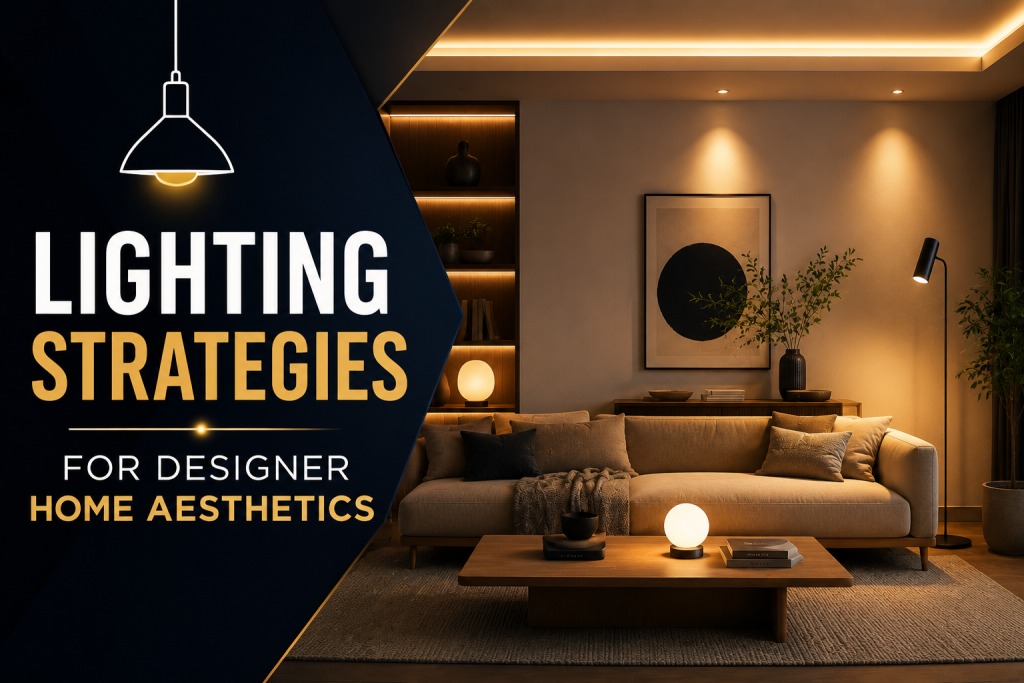
Lighting is one of the most defining elements in luxury interior design, shaping mood, depth, and the overall perception of space in designer home aesthetics. In high-end spaces, lighting is never treated as an afterthought, it is layered strategically to enhance both functionality and visual impact. In high-end home interiors, a combination of ambient, task, and accent lighting is used to create dimension. Ambient lighting provides overall illumination, while task lighting supports daily activities. Accent lighting highlights architectural features, artwork, and key luxury home decor elements. Statement fixtures are also central to upscale interior design. Chandeliers, sculptural pendants, and custom-designed lighting pieces often serve as focal points, adding character and elegance to a room. These elements help define the personality of elegant home interiors. Warm, dimmable lighting is commonly preferred in luxury living room ideas, as it enhances comfort while maintaining a refined atmosphere. When layered correctly, lighting transforms interiors into balanced, atmospheric, and visually rich environments.
Premium Home Styling Tips for Every Room
Creating cohesive premium home styling means extending the principles of luxury interior design beyond just the living room and applying them consistently across every space in the home. Each room should feel intentional, functional, and visually aligned with the overall aesthetic. In bedrooms, high-end home interiors focus on comfort and tranquility. Layered bedding, upholstered headboards, and soft neutral tones help create a restful environment that still feels refined. Minimal clutter and carefully chosen luxury home decor pieces maintain a calm, elegant atmosphere. Kitchens in upscale interior design often emphasize clean lines and premium materials such as marble countertops, custom cabinetry, and integrated appliances. These elements combine functionality with visual sophistication. Bathrooms follow a similar approach, using stone finishes, warm lighting, and sleek fixtures to reinforce the feeling of elegant home interiors. Across all rooms, consistency in materials, color palette, and lighting ensures a unified design language that defines true designer home aesthetics.
Common Luxury Design Mistakes to Avoid
Even in carefully planned luxury interior design, certain missteps can weaken the overall impact of high-end home interiors. Understanding these mistakes helps ensure that a space remains cohesive, elegant, and truly refined rather than overly styled or inconsistent. One common issue is overdecorating. In luxury home decor, more does not always mean better. Excessive accessories, competing textures, or too many statement pieces can make a space feel cluttered instead of sophisticated. True upscale interior design relies on restraint and intentional selection. Another mistake is ignoring scale and proportion. Oversized furniture in small rooms, or undersized pieces in large spaces, can disrupt the balance of elegant home interiors, making them feel awkward or unfinished. Poor lighting is also a frequent problem. Without layered lighting strategies, even well-designed rooms can lose depth and warmth, diminishing the effect of designer home aesthetics. Avoiding these mistakes ensures a more polished, timeless, and professionally curated living environment.
Conclusion
Luxury interior design is ultimately about intentionality, quality, and timeless sophistication. From high-end home interiors to carefully curated designer home aesthetics, every detail contributes to a refined and comfortable living environment. By focusing on balance, premium materials, and thoughtful styling, homeowners can create truly elegant home interiors that feel both functional and visually exceptional.
FAQs
What defines luxury interior design?
Luxury interior design is defined by high-quality materials, thoughtful layouts, custom detailing, and a focus on comfort, elegance, and long-term value in high-end home interiors.
What makes a home interior look luxurious?
A home looks luxurious when it uses cohesive color palettes, premium materials, balanced proportions, and curated luxury home decor rather than excessive decoration.
What are common elements of upscale interior design?
Common elements include natural stone, hardwood flooring, statement lighting, custom furniture, and refined finishes used in upscale interior design.
How do I create elegant home interiors on a budget?
Focus on neutral tones, good lighting, minimal clutter, and a few high-impact decor pieces to achieve elegant home interiors without overspending.
What are popular luxury living room ideas?
Popular luxury living room ideas include layered lighting, oversized art, premium seating, and a balanced mix of textures.