


Understanding Luxury vs Minimalist Homes
When comparing luxury vs minimalist homes, the main difference lies in how space, materials, and visual complexity are used to create a living experience. Luxury homes prioritize richness, detail, and layered design elements, often featuring marble finishes, statement lighting, custom millwork, and bold architectural features. The goal is to create a sense of grandeur and visual impact that feels curated and expressive. Minimalist homes, on the other hand, focus on simplicity, clean lines, and intentional emptiness. Every object has a purpose, and visual noise is reduced to create calm and clarity. Instead of ornate details, modern minimalist interiors rely on natural light, neutral tones, and open space to define elegance. Both styles aim for sophistication, but they achieve it differently: luxury through abundance and detail, minimalism through restraint and precision. This contrast is what makes the debate between them so relevant in modern home design discussions.
What Defines Luxury Home Design?
Luxury home design is defined by its emphasis on craftsmanship, premium materials, and visually commanding spaces that communicate status, comfort, and exclusivity. In the context of luxury vs minimalist homes, luxury design leans heavily into detail, think marble countertops, custom cabinetry, designer lighting fixtures, and architectural elements like vaulted ceilings or grand entryways. The goal is not simplicity, but a layered sense of refinement that feels intentional and highly curated. In many US estates, especially in markets like Los Angeles, Miami, and New York, luxury interiors often include open-plan layouts balanced with strong focal points such as statement staircases or floor-to-ceiling windows. These homes also integrate advanced smart-home systems and high-performance materials that enhance both comfort and resale value. Unlike restrained styles, luxury design celebrates visual richness. It prioritizes presence, drama, and tactile quality, making it a defining contrast point in the luxury vs minimalist homes debate.
What Defines Minimalist Interiors?
Minimalist interiors are built around the principle of “less but better,” focusing on clarity, function, and visual calm. In the luxury vs minimalist homes discussion, minimalism stands in direct contrast to decorative abundance, prioritizing open space, clean geometry, and intentional simplicity. Every element is carefully selected, with unnecessary objects removed to create a sense of order and balance. Modern minimalist interiors often feature neutral color palettes, whites, soft grays, beige tones, and materials like light wood, concrete, and matte finishes.
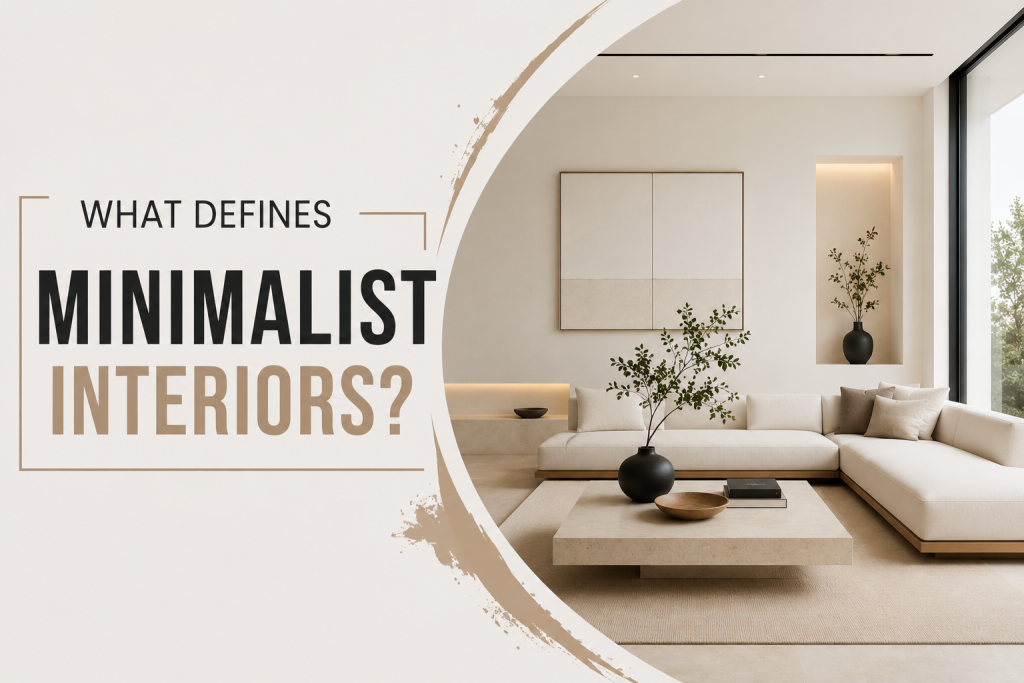
Furniture is typically low-profile and functional, avoiding ornate detailing in favor of smooth lines and subtle forms. Natural light plays a major role, with large windows and open layouts enhancing the feeling of spaciousness. In US cities like Seattle, San Diego, and Chicago, minimalist homes are increasingly popular for their calming effect and adaptability. Within the luxury vs minimalist homes comparison, minimalism appeals to those who value simplicity, mindfulness, and long-term design clarity.
Minimalist Luxury Interiors: Where Both Styles Overlap
The most interesting evolution in the luxury vs minimalist homes conversation is the rise of minimalist luxury interiors, where both design philosophies merge into a balanced, modern aesthetic. This hybrid approach blends the clean structure of minimalism with the material richness of luxury design, creating spaces that feel both calm and refined. In these interiors, you still see open layouts, uncluttered surfaces, and neutral palettes typical of modern minimalist interiors, but they are elevated with premium materials such as marble, brushed brass, natural oak, and custom stone finishes. Instead of excess decor, the focus shifts to a few high-impact statement pieces like sculptural lighting or designer furniture. This style is especially popular in high-end US markets like California modern estates and New York penthouses, where homeowners want sophistication without visual overload. In the broader luxury and minimalist homes debate, this hybrid style often emerges as the most balanced and livable interpretation.
Timeless Home Design: Which Style Lasts Longer?
When evaluating luxury vs minimalist homes, the question of timelessness often becomes the deciding factor for homeowners planning long-term investments. Timeless home design is less about trends and more about how well a space maintains visual relevance, comfort, and resale appeal over decades. Luxury interiors can feel timeless when they use restrained detailing and high-quality natural materials like stone, wood, and neutral-toned finishes. However, overly ornate or trend-heavy luxury home trends can quickly date a space if not carefully balanced. On the other hand, modern minimalist interiors naturally lean toward longevity because their clean lines and neutral palettes resist shifting design fads. That said, minimalism can sometimes feel too sterile or impersonal if not warmed with texture and depth. In contrast, luxury design offers emotional richness but risks becoming visually heavy. In the luxury vs minimalist homes debate, the most timeless results often come from a balanced approach that blends both philosophies thoughtfully.
Upscale Minimalist Decor vs Traditional Luxury Styling
When comparing luxury vs minimalist homes, the contrast becomes especially clear in how interiors are styled and finished. Upscale minimalist decor focuses on restraint, where every object is intentional and space itself becomes the main design feature. Furniture is streamlined, décor is limited, and emphasis is placed on texture, proportion, and negative space. This approach often uses soft neutrals, natural wood tones, and subtle architectural detailing to create quiet sophistication. Traditional luxury styling, however, embraces layered richness and visual depth. Rooms often feature bold statement pieces, ornate lighting, intricate molding, and a mix of textures like velvet, marble, and polished metals. The goal is to create a sense of opulence and curated grandeur that feels expressive and highly designed. In US homes, from Beverly Hills estates to Manhattan apartments, both styles are widely used depending on lifestyle preferences. Within the broader luxury and minimalist homes debate, this comparison highlights the choice between visual restraint and decorative richness.
Emotional Impact of Each Design Style
In the luxury vs minimalist homes discussion, emotional impact is often the most overlooked but most important factor. Interior design doesn’t just shape how a home looks, it influences how it feels day to day. Luxury interiors tend to evoke emotions of comfort, pride, and indulgence. Rich textures, layered lighting, and detailed finishes create a sense of warmth and elevated living, making spaces feel immersive and expressive. Minimalist interiors, by contrast, are designed to reduce mental clutter. The openness, neutral palettes, and lack of excess décor often create feelings of calm, clarity, and control. Many homeowners in fast-paced US cities like New York or Los Angeles gravitate toward this style for its psychological simplicity and stress-reducing effect. However, emotional response is highly personal. Some people find minimalism too empty, while others find luxury design too visually overwhelming. In the luxury and minimalist homes comparison, the “better” emotional experience depends on whether a homeowner values stimulation or serenity in their daily environment.
Luxury Home Trends vs Modern Minimalist Interiors
Current luxury home trends in the US are moving toward a softer, more refined version of opulence, blending natural materials with clean architectural lines. Homeowners in cities like Miami, Los Angeles, and Dallas are increasingly choosing warm stone finishes, oversized windows, and custom lighting that creates a subtle sense of grandeur rather than heavy ornamentation. The focus is shifting from excess to curated elegance within luxury spaces. At the same time, modern minimalist interiors continue to evolve beyond pure starkness.
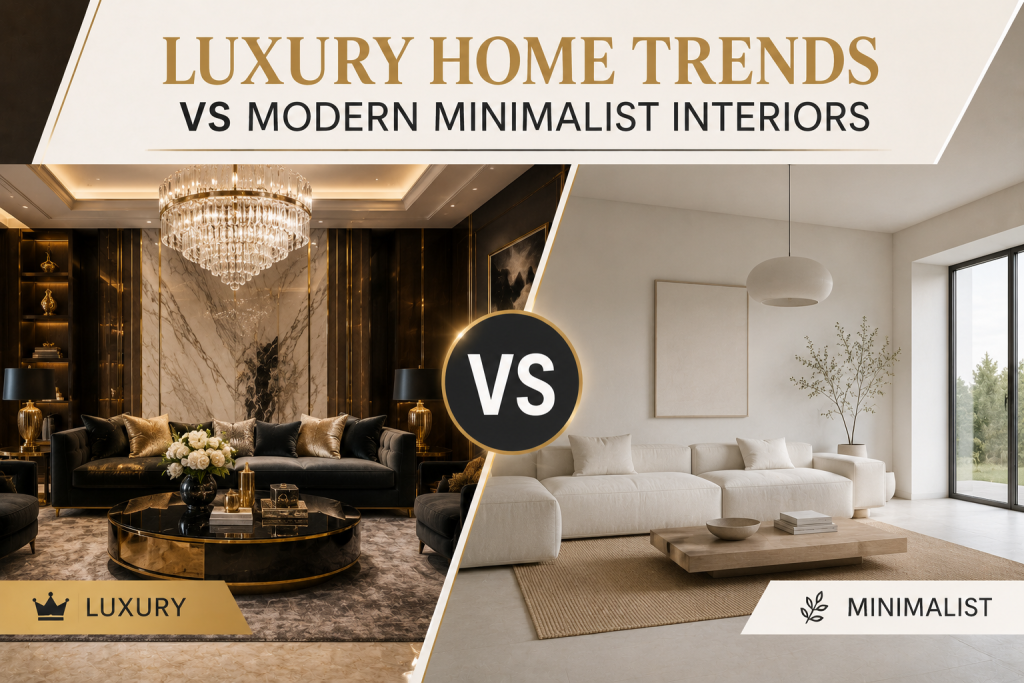
Today’s minimalism incorporates warmer tones, textured surfaces, and organic materials to avoid feeling cold or sterile. Designers are introducing curved furniture, soft linen fabrics, and layered neutrals to make minimalist spaces more livable and inviting. In the luxury vs minimalist homes comparison, both styles are converging toward a shared aesthetic: simplicity with depth. Luxury is becoming more restrained, while minimalism is becoming more expressive, creating a middle ground that defines much of today’s premium US home design direction.
Which Style Has Better Resale Value in the US?
When evaluating luxury vs minimalist homes, resale value often becomes a key deciding factor for homeowners in the US real estate market. Both styles can perform well, but their success depends heavily on execution, location, and buyer demographics. Luxury homes tend to attract buyers in high-income markets such as Beverly Hills, Miami Beach, and Manhattan, where premium finishes, statement architecture, and custom detailing significantly boost perceived value. However, overly personalized or highly ornate luxury design can sometimes limit buyer appeal if it feels too specific or dated. Minimalist homes, especially those aligned with modern minimalist interiors, often appeal to a broader audience due to their neutral palette and flexible layout. Buyers can more easily imagine personalizing these spaces, which increases marketability in suburban and urban US markets alike. In the luxury and minimalist homes debate, minimalist design often wins on adaptability, while luxury design wins on premium pricing potential when executed at a high level.
Can You Combine Luxury and Minimalism?
Yes, one of the strongest modern outcomes in the luxury vs minimalist homes discussion is the successful blending of both styles into a cohesive design approach. This hybrid direction is often referred to as minimalist luxury interiors, where simplicity and refinement coexist without visual conflict. In practice, this means starting with a minimalist foundation, clean architectural lines, open layouts, and neutral color palettes, then layering in luxury through carefully selected materials and statement elements. Think natural stone countertops, custom millwork, designer lighting, and high-end finishes used sparingly but intentionally. The key is restraint. Instead of filling a space with decorative items, homeowners focus on a few premium focal points that elevate the entire room. This approach is especially popular in modern US homes where buyers want sophistication without clutter. Within the luxury and minimalist homes debate, this blended style is often considered the most balanced solution, offering both emotional warmth and visual clarity.
Conclusion
The luxury vs minimalist homes debate ultimately comes down to how you define comfort, beauty, and long-term livability. Luxury interiors focus on richness, detail, and expressive design that creates emotional depth and visual impact, while minimalist homes prioritize simplicity, clarity, and functional elegance that supports calm everyday living. For many US homeowners, the most sustainable solution isn’t choosing one over the other, but blending both philosophies into a balanced approach. Minimalist luxury interiors offer a middle ground where clean architecture meets premium materials, creating homes that feel both timeless and modern. In the end, the most enduring spaces are those that reflect lifestyle needs while maintaining design discipline, proportion, and intentionality, regardless of style label.
FAQ About Luxury vs Minimalist Homes
Which is better, luxury or minimalist homes?
There is no universal “better” option in the luxury vs minimalist homes debate. Luxury homes offer richness, detail, and expressive design, while minimalist homes prioritize calm, simplicity, and long-term visual clarity. The best choice depends on lifestyle and personal preference.
Are minimalist homes more timeless than luxury homes?
Often, yes. Timeless home design is more naturally aligned with minimalist interiors because clean lines and neutral palettes are less likely to go out of style compared to highly decorative luxury elements.
Can luxury and minimalism work together?
Yes, many modern homes combine both into minimalist luxury interiors, using a clean base with high-end materials and subtle statement pieces.
Which style has better resale value?
Minimalist designs generally appeal to more buyers, but luxury homes can command higher prices in premium markets when executed correctly.