


Best Metal Roof Cost For US Homes
Understanding the true metal roof cost is one of the most important steps when planning a roof replacement or new construction project. While metal roofing typically costs more upfront than traditional asphalt shingles, many homeowners find the long-term value worth the investment due to its durability, energy efficiency, and low maintenance requirements. In 2026, the average metal roof cost for a typical American home ranges from $8,500 to $45,000, depending on factors such as roof size, material selection, labor rates, roof complexity, and geographic location.
Homeowners in states like Texas, Florida, Colorado, and Arizona often choose metal roofing because it performs well in extreme weather conditions, including intense heat, hailstorms, heavy snow, and hurricane-prone environments. Whether you’re considering steel, aluminum, zinc, or copper roofing, understanding pricing factors can help you set realistic expectations and avoid unexpected expenses. This guide breaks down material costs, installation expenses, regional pricing differences, and long-term return on investment so you can determine whether a metal roof is the right choice for your home.
Average Metal Roof Cost in 2026
The average metal roof cost in the United States ranges from $8 to $30 per square foot installed, with most homeowners spending between $15,000 and $25,000 for a complete roofing project. The final price depends on the roofing material, home size, roof pitch, labor rates, and any structural modifications required before installation. For a typical 2,000-square-foot home, the total metal roof cost can vary significantly based on the type of panel selected. Basic corrugated steel systems are generally the most affordable option, while premium architectural systems can increase project expenses considerably.
Homeowners researching residential metal roofing prices should also account for underlayment, flashing, permits, and old roof removal costs. Although the initial investment is higher than many traditional roofing materials, metal roofs often last 40 to 70 years, making them a long-term solution for homeowners focused on durability and value.
Metal Roof Cost by Material Type
Material selection is one of the biggest factors affecting overall metal roof cost. Each metal offers different advantages in terms of longevity, appearance, weather resistance, and maintenance requirements. Steel remains the most popular option for American homeowners because it balances affordability and performance. Typical steel roof pricing ranges from $8 to $18 per square foot installed, depending on panel style and protective coatings. Galvanized and Galvalume steel products are especially common in regions that experience heavy rain, snow, or seasonal temperature fluctuations.
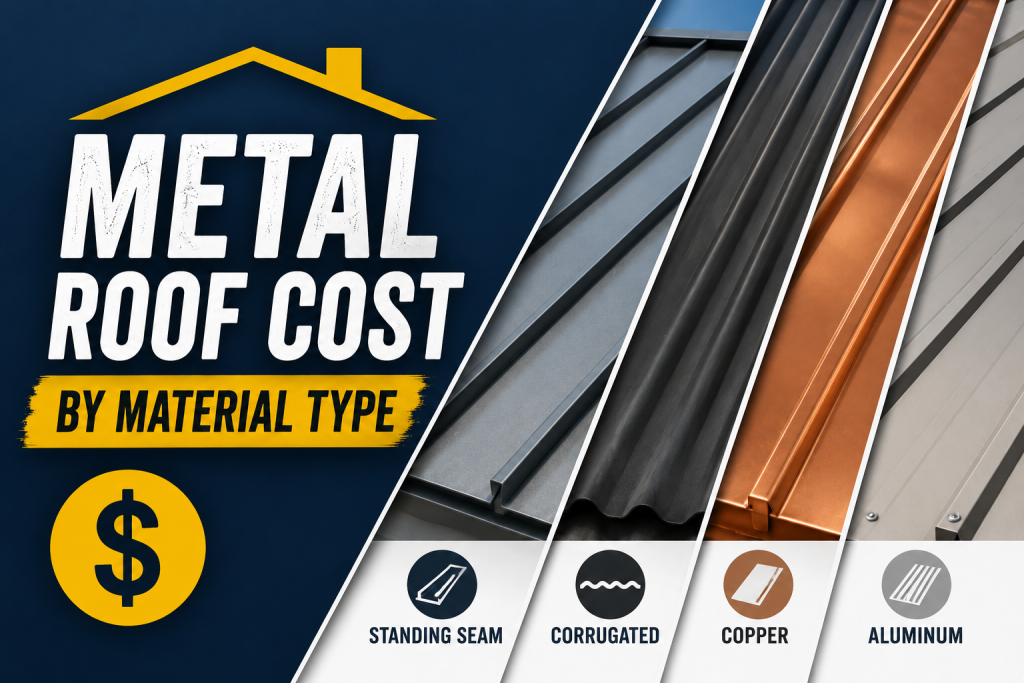
Homeowners living in coastal areas often consider aluminum because it naturally resists corrosion and salt exposure. The average aluminum roofing cost typically falls between $10 and $20 per square foot installed. Premium materials such as zinc and copper cost considerably more but can last for decades while developing a distinctive appearance over time. Choosing the right material requires balancing upfront costs, local climate conditions, and long-term ownership goals.
Metal Roof Cost by Roof Style
Roof style can have a major impact on metal roof cost because different panel systems require varying levels of materials, labor, and installation expertise. The two most common residential options are standing seam panels and exposed-fastener corrugated panels. For homeowners seeking a premium appearance and superior weather protection, the standing seam metal roof cost is typically higher than other metal roofing systems. These panels feature concealed fasteners and raised seams that help reduce the risk of water intrusion while creating a clean, modern look.
Standing seam roofs are especially popular in states such as Colorado, Texas, and Montana, where long-term durability is a priority. Corrugated panels generally offer a more budget-friendly alternative and are often installed on barns, workshops, and residential properties. While both styles provide excellent longevity, homeowners should compare aesthetics, maintenance expectations, and lifetime value before making a final decision.
Factors That Affect Metal Roof Cost
Several variables influence the final metal roof cost, which is why estimates can differ significantly from one home to another. Beyond material selection, factors such as roof size, design complexity, accessibility, and local labor rates all play a role in determining project expenses. One of the largest components of a roofing budget is metal roofing installation cost. Complex rooflines with multiple valleys, dormers, skylights, or steep slopes require additional labor and specialized installation techniques. Homeowners should also consider expenses related to underlayment upgrades, flashing systems, ventilation improvements, and permit requirements.
Location matters as well. Roofing projects in major metropolitan areas often cost more due to higher labor rates and material demand. In contrast, homeowners in smaller markets may benefit from lower installation costs. Existing roof removal can further increase the project budget, especially when multiple layers of old roofing materials must be torn off before installation begins.
Is a Metal Roof Worth the Cost?
For many homeowners, the long-term benefits outweigh the higher upfront metal roof cost. While the initial investment may seem substantial, metal roofing often delivers decades of reliable performance with fewer maintenance requirements than many traditional roofing materials. One factor frequently overlooked is the relationship between roofing materials and household energy consumption. When evaluating energy-efficient roofing cost, homeowners should consider potential savings on cooling expenses.
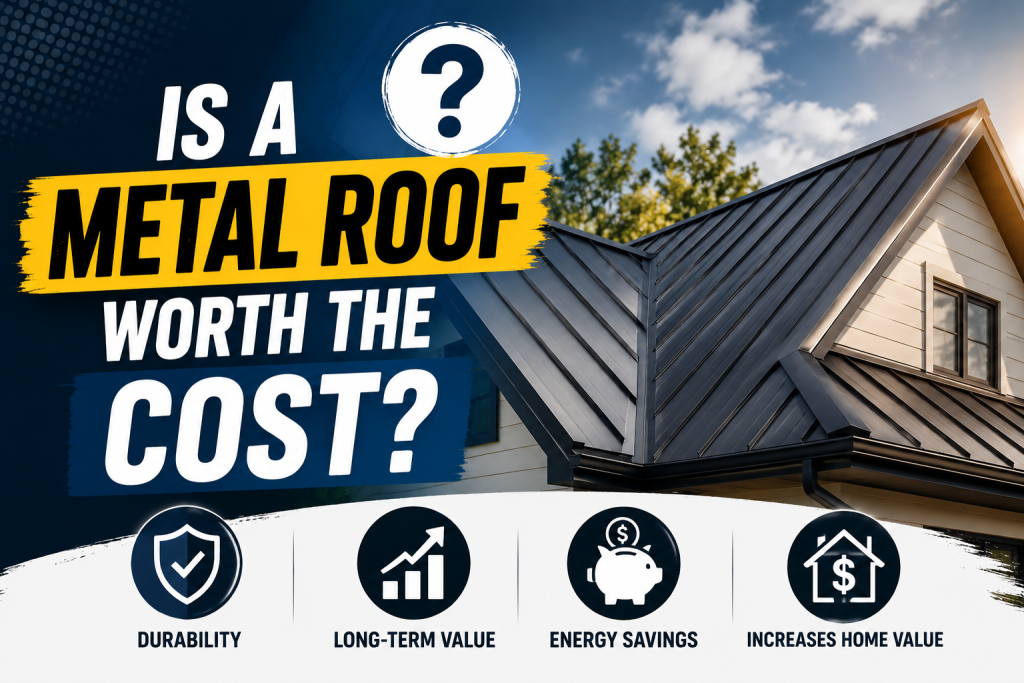
Reflective metal roofing systems can reduce heat absorption, making them especially beneficial in warm climates such as Florida, Texas, Arizona, and other Southern states. Some products may also qualify for local energy-efficiency incentives or meet standards associated with programs like ENERGY STAR. A metal roof can also improve curb appeal and increase resale value. In areas prone to hail, strong winds, or heavy snowfall, buyers often view durable roofing materials as a valuable upgrade. Over time, these advantages can help offset the higher purchase price.
Metal Roof Cost vs Asphalt Shingles
Comparing asphalt shingles and metal roofing is one of the most common steps homeowners take before investing in a new roof. While asphalt shingles generally have a lower upfront price, they often require replacement sooner than metal systems, which can affect long-term ownership costs. The average metal roof replacement cost is higher than a comparable asphalt shingle project, but lifespan is a major differentiator. Standard asphalt shingles typically last 15 to 30 years, whereas many metal roofs can remain in service for 40 to 70 years with proper maintenance.
This extended lifespan can reduce the number of replacement cycles a homeowner faces over the life of the property. Metal roofing also performs well in regions that experience hailstorms, heavy snow, intense sunlight, and strong winds. Although asphalt remains a popular option because of its affordability, homeowners focused on durability, energy savings, and long-term value often view metal roofing as a worthwhile investment.
Conclusion
Understanding metal roof cost helps homeowners look beyond the initial price and evaluate the long-term value of their roofing investment. Although metal roofing generally costs more upfront than asphalt shingles, its 40–70-year lifespan, durability, energy efficiency, and lower maintenance requirements can make it a cost-effective choice over time. The final metal roof cost depends on several factors, including roof size, material type, panel style, labor rates, roof complexity, location, and removal of existing roofing.
Steel and corrugated systems typically provide more budget-friendly options, while standing seam, aluminum, zinc, and copper roofing come with higher initial costs but offer additional performance and aesthetic benefits. Homeowners should compare multiple contractor estimates and consider both upfront expenses and lifetime ownership costs before making a decision. For properties in areas exposed to extreme heat, hail, snow, or strong winds, a properly installed metal roof can provide decades of reliable protection while improving energy efficiency, curb appeal, and overall property value.
FAQs About Metal Roof Cost
How much does a metal roof cost for a 2,000-square-foot home?
The average metal roof cost for a 2,000-square-foot home typically ranges from $15,000 to $25,000. However, the final price depends on the roofing material, roof complexity, labor rates, geographic location, and whether old roofing materials must be removed before installation.
Why is metal roof cost higher than asphalt shingles?
Metal roofing materials are generally more expensive to manufacture and install than asphalt shingles. Specialized labor, premium materials, and longer service life contribute to the higher upfront investment. However, many homeowners recover part of that cost through reduced maintenance and longer replacement intervals.
Does a metal roof increase home value?
In many markets, a metal roof can improve curb appeal and increase buyer confidence because of its durability and longevity. Homes in areas prone to severe weather may benefit the most from this added value.
How long does a metal roof last?
Most residential metal roofs last between 40 and 70 years, depending on the material, installation quality, climate conditions, and maintenance practices. Premium materials such as copper and zinc can last even longer.
Are metal roofs energy efficient?
Yes. Reflective metal roofing systems can reduce solar heat gain and help lower cooling costs during hot weather. This benefit is especially noticeable in Southern states where air-conditioning expenses are a major household cost.
Can a metal roof be installed over existing shingles?
In some cases, metal roofing can be installed over a single layer of existing shingles if local building codes and structural conditions allow it. A professional roofing contractor should evaluate the roof before installation.