


Metal Roof vs Asphalt Shingles: A Complete Homeowner Comparison Guide
Choosing the right roofing system is one of the most important decisions a homeowner can make, especially when balancing long-term value, climate performance, and upfront budget. The debate around metal roof vs asphalt shingles is especially common in the United States, where housing styles and weather conditions vary dramatically from region to region. Most American homes still rely on asphalt shingles due to their affordability and familiarity, but metal roofing has been gaining serious traction in states like Texas, Florida, Colorado, and parts of the Midwest.
The decision is no longer just about cost, it’s about durability, energy performance, insurance impact, and long-term maintenance. In this guide, we break down every major factor homeowners should consider before choosing between these two dominant residential roofing options, using real-world performance insights and US-based construction standards.
Understanding Metal Roof vs Asphalt Shingles for US Homes
When comparing metal roof vs asphalt shingles, it’s important to understand how fundamentally different these systems are in both material composition and long-term performance. Asphalt shingles are made from a fiberglass base coated with asphalt and mineral granules. They dominate the US residential market because they are cost-effective, easy to install, and widely supported by nearly every roofing contractor in the country. Most suburban homes in states like Ohio, Georgia, and Illinois use asphalt shingles due to their balance of affordability and acceptable lifespan. Metal roofing, on the other hand, is typically made from steel, aluminum, or zinc-based alloys. These panels are engineered for durability and long-term weather resistance. In regions with extreme conditions, such as hurricane-prone Florida or snow-heavy Minnesota, metal roofing is often chosen for its structural strength and resistance to wind uplift.

From a homeowner perspective, the choice usually comes down to balancing upfront cost with long-term performance expectations. This is where understanding residential roofing options becomes essential, especially when factoring in climate, insurance requirements, and long-term property value. Metal roofs are increasingly recommended in energy-conscious states due to their reflective surface, which can reduce heat absorption during peak summer months. Asphalt shingles, while less reflective, remain the most accessible option for homeowners focused on immediate affordability.
Roofing Cost Comparison: Upfront Investment vs Long-Term Value
When evaluating metal roof vs asphalt shingles, cost is usually the first factor homeowners focus on, and for good reason. The upfront price difference between the two systems can be significant, but the long-term financial picture tells a more complete story. Asphalt shingles remain the most budget-friendly roofing option in the United States. For most homes, installation costs are relatively low because materials are widely available and labor is straightforward. This makes shingles especially popular in entry-level housing markets and suburban neighborhoods across states like Texas, Pennsylvania, and North Carolina. However, their lower upfront cost often comes with more frequent replacement cycles over time.
Insurance can also play a role in overall cost. In some regions, particularly coastal states like Florida, insurers may offer incentives or lower premiums for impact-resistant metal roofing systems due to their superior wind and storm performance. Asphalt shingles, while reliable, generally do not receive the same level of insurance benefit. Ultimately, the decision comes down to short-term budget versus long-term investment strategy. Homeowners prioritizing immediate affordability tend to choose shingles, while those focused on lifecycle savings and durability often lean toward metal systems.
Roofing Lifespan Comparison and Maintenance Requirements
One of the most important differences in the metal roof vs asphalt shingles debate is how long each system lasts and what kind of maintenance homeowners should expect over time. This factor has a direct impact on long-term ownership cost, especially in regions with harsh weather conditions. Asphalt shingles typically last between 15 and 30 years depending on material quality, installation standards, and climate exposure. In hotter states like Arizona or Texas, high UV exposure can accelerate wear, causing shingles to curl, crack, or lose protective granules earlier than expected. In colder northern climates, freeze-thaw cycles can also shorten their lifespan if ventilation and underlayment systems are not properly installed.
Metal roofing offers a significantly longer lifespan, often ranging from 40 to 70 years. This durability is one of the main reasons homeowners in hurricane-prone regions such as Florida and coastal Carolinas are increasingly considering metal systems. Unlike shingles, metal panels do not degrade from UV exposure in the same way and are far more resistant to wind uplift and moisture penetration when properly installed. From a roofing lifespan comparison standpoint, metal roofing clearly provides extended service life, but it is not entirely maintenance-free. Homeowners may need occasional inspections to check for fastener loosening, sealant wear, or surface scratches that could lead to corrosion in certain environments. However, these maintenance needs are generally less frequent than asphalt systems.
Energy Efficiency and Climate Performance in US Regions
Energy performance is a major deciding factor in the metal roof vs asphalt shingles comparison, especially for homeowners dealing with rising utility costs across the United States. Roofing materials directly influence attic temperatures, cooling demand, and overall home energy efficiency. Metal roofing is widely recognized for its reflective properties. Many modern systems are designed with reflective coatings that reduce heat absorption, helping homes stay cooler during peak summer months. This is especially beneficial in hot-climate states such as Texas, Arizona, Nevada, and Florida, where air conditioning loads can drive up monthly energy bills. In many cases, metal roofing aligns with energy-efficient roofing standards promoted by programs like ENERGY STAR, which encourage reflective “cool roof” materials that reduce heat gain.
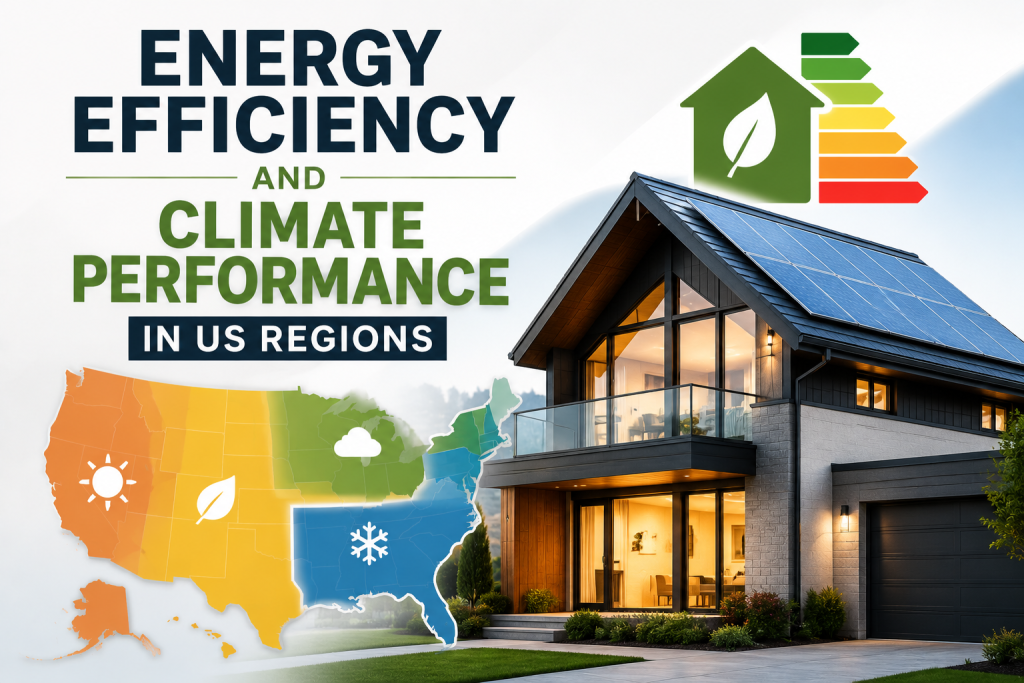
Asphalt shingles, by comparison, absorb more heat due to their darker surface composition. While newer architectural shingles have improved thermal performance, they still generally retain more heat than metal systems. This can increase attic temperatures, especially in poorly ventilated homes, leading to higher cooling costs during summer. Climate plays a critical role in performance differences. In northern states like Minnesota or New York, asphalt shingles can perform adequately due to moderate summer temperatures and strong insulation systems. However, in southern and southwestern regions, metal roofing often provides a noticeable advantage in thermal efficiency and long-term energy savings. From a homeowner perspective, this section of the metal roof vs asphalt shingles decision often comes down to utility cost expectations. While shingles may meet basic performance needs in temperate climates, metal roofing tends to deliver stronger efficiency benefits in extreme heat environments.
Durability and Weather Resistance in Real US Conditions
Durability is where the metal roof vs asphalt shingles comparison becomes especially important for homeowners living in weather-exposed regions of the United States. Roof systems are not just architectural features, they are the first line of defense against wind, hail, rain, snow, and extreme temperature swings. Metal roofing is widely regarded as one of the most durable durable roofing materials available for residential use. Its interlocking panel systems and engineered fastening methods allow it to resist high wind speeds, making it a strong choice in hurricane-prone coastal states like Florida, Louisiana, and the Carolinas. Metal roofs also perform well under heavy snow loads in northern states such as Michigan, Wisconsin, and Minnesota, because snow tends to slide off more easily compared to textured shingle surfaces.
In regions with frequent storm cycles, this often leads to more frequent repairs or partial replacements. However, asphalt shingles still perform well in moderate climates where extreme weather events are less frequent. In many inland US regions, they remain a practical and cost-effective roofing solution for standard residential housing. Overall, when evaluating metal roof vs asphalt shingles, metal systems clearly lead in extreme weather durability, while shingles maintain acceptable performance in milder environments with lower storm risk.
Asphalt Shingle Roofing Comparison vs Metal Systems
When homeowners evaluate metal roof vs asphalt shingles, this is the most direct comparison point, how each system performs in real-world residential applications, beyond just cost or lifespan. Asphalt shingles remain the dominant roofing choice across the United States because they are familiar, widely available, and compatible with nearly all home styles. Manufacturers like GAF, Owens Corning, and CertainTeed produce a wide range of asphalt systems designed for different budgets and performance levels, from basic three-tab shingles to more durable architectural shingles.
One of the biggest advantages of asphalt shingles is their visual flexibility. They come in multiple colors, textures, and styles that blend well with traditional American housing, especially in suburban developments and HOA-controlled communities. This makes them a safe choice for homeowners who want predictable aesthetics and easy neighborhood approval. Metal roofing, on the other hand, offers a more modern or premium architectural look. Standing seam systems in particular are popular in high-end homes and custom builds. While metal roofs used to be associated mainly with commercial or industrial buildings, they are now widely used in residential neighborhoods, especially in energy-conscious or storm-prone states.
Metal Roof vs Asphalt Shingles – Which Roofing Option Is Right for You?
Choosing between metal roof vs asphalt shingles ultimately comes down to how long you plan to stay in your home, your local climate, and how you balance upfront cost against long-term value. There is no universal “best” option, only the best fit for a specific homeowner situation. For budget-focused homeowners or those planning to sell within the next 10–15 years, asphalt shingles often make the most practical sense. They offer lower installation costs, faster replacement timelines, and wide contractor availability across the United States. In many suburban housing markets, especially in states like Ohio, Georgia, and North Carolina, shingles remain the standard due to their affordability and familiarity.
For long-term homeowners, metal roofing becomes more attractive. While the upfront investment is higher, the extended lifespan and reduced maintenance requirements can make it more cost-effective over decades. This is especially relevant in regions with extreme weather conditions, such as hurricane-prone Florida, snow-heavy Midwest states, or high-heat climates like Arizona and Texas. Insurance and resale value also play a role. Some insurers may offer better terms for impact-resistant roofing systems, particularly metal, in high-risk weather zones. Additionally, buyers increasingly view metal roofing as a premium upgrade, which can improve curb appeal and perceived home value in competitive housing markets. From a climate standpoint, metal roofing performs best in areas with intense heat, heavy storms, or snow accumulation. Asphalt shingles perform reliably in moderate climates with fewer extreme weather events. This makes regional context one of the most important decision factors in any metal roof vs asphalt shingles comparison.
Best Roofing Choice by Home Type and Budget
- Starter homes or short-term ownership: Asphalt shingles are typically the most cost-efficient option due to lower upfront pricing and simple installation requirements.
- Long-term primary residences: Metal roofing offers stronger lifetime value, especially for homeowners planning to stay 20+ years.
- High-wind or storm-prone regions: Metal roofing is generally preferred for its superior wind resistance and durability.
Common Homeowner Mistakes to Avoid
- Choosing based only on upfront cost without considering lifespan and maintenance cycles
- Ignoring local climate conditions such as humidity, hail risk, or snow load
- Hiring inexperienced contractors for metal roofing installation, which can reduce system performance
- Overlooking HOA requirements that may restrict certain roofing styles or materials
Conclusion
The metal roof vs asphalt shingles decision ultimately depends on budget, climate, expected ownership period, and long-term performance priorities. Asphalt shingles remain a practical choice for homeowners who want lower upfront costs, easy repairs, broad contractor availability, and a traditional appearance. Metal roofing requires a larger initial investment but offers significantly longer service life, stronger weather resistance, lower maintenance needs, and better energy performance in many climates. For homeowners planning to stay in their property for decades or living in areas exposed to extreme heat, high winds, heavy snow, or severe storms, metal roofing can provide stronger long-term value.
Asphalt shingles, however, continue to be a cost-effective and reliable solution for homes in moderate climates or where initial affordability is the main priority. When comparing metal roof vs asphalt shingles, homeowners should consider total lifetime cost rather than installation price alone. Choosing a roofing system suited to the home’s location, budget, and long-term needs, and having it installed by an experienced contractor—can provide better protection, efficiency, and value for years to come.
FAQ About Metal Roof vs Asphalt Shingles
Is metal roofing better than asphalt shingles?
Metal roofing is generally more durable and longer-lasting, but asphalt shingles are more affordable upfront and easier to install.
How long does each roof type last?
Asphalt shingles typically last 15–30 years, while metal roofing can last 40–70 years depending on material and installation quality.
Which roof is better for hot climates in metal roof vs asphalt shingles?
Metal roofing performs better in hot climates in the metal roof vs asphalt shingles comparison due to its reflective surface, which reduces heat absorption and helps lower cooling costs.
Are asphalt shingles still a good option?
Yes, they remain the most common roofing material in the US due to affordability and versatility in most residential areas.