


Best Minimalist Living Room Ideas for Modern Homes
A thoughtfully designed living room can instantly make a home feel more comfortable, organized, and visually appealing. In recent years, homeowners across the United States have embraced minimalist design because it focuses on simplicity, functionality, and timeless style rather than excessive decoration. Whether you live in a small apartment in Chicago, a suburban home in Dallas, or a modern condo in Miami, minimalist interiors can help maximize both space and comfort. The best minimalist living room ideas are not about creating empty or sterile spaces. Instead, they emphasize intentional design choices, practical furniture, and carefully selected decor that serves a purpose. By reducing visual clutter and focusing on quality over quantity, homeowners can create rooms that feel calm, inviting, and easier to maintain. From neutral color palettes and smart storage solutions to streamlined furniture layouts, minimalist living rooms offer a balanced approach to modern living. This guide explores practical strategies that can help you transform your space into a stylish and functional retreat without sacrificing warmth or personality.
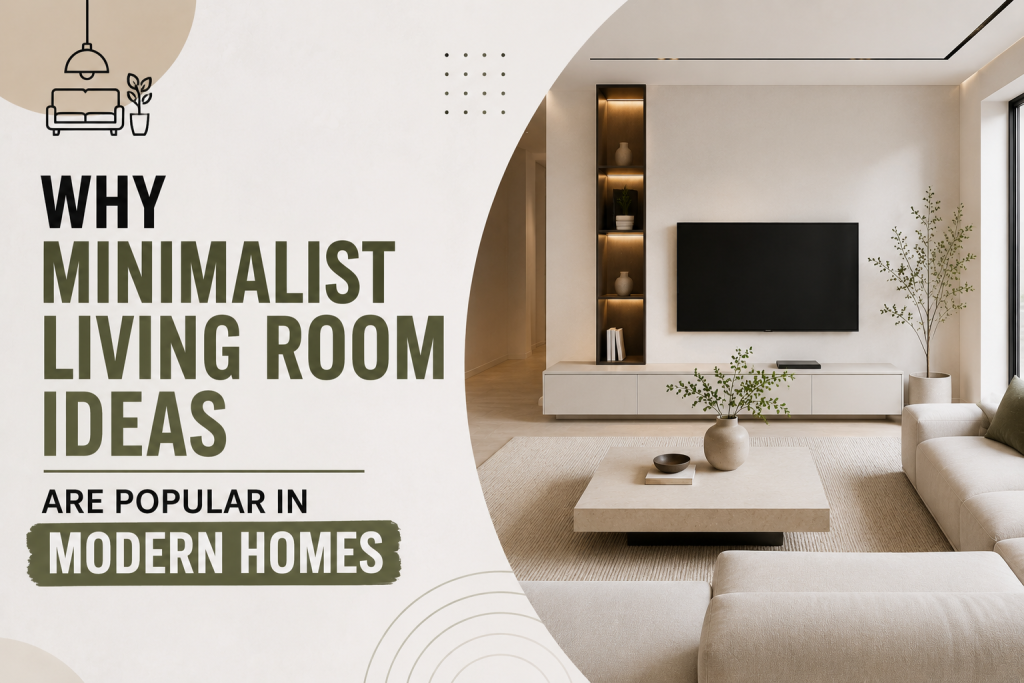
Why Minimalist Living Room Ideas Are Popular in Modern Homes
The growing popularity of minimalist interiors is closely tied to how people use their homes today. Many homeowners are looking for spaces that feel less overwhelming, require less maintenance, and support a more intentional lifestyle. This design approach prioritizes functionality, making every piece of furniture and decor contribute to the room’s purpose. One reason minimalist living room ideas continue to gain attention is their ability to create a sense of openness. By reducing unnecessary items and focusing on clean layouts, living rooms often appear larger and brighter. This is especially valuable in urban apartments and smaller homes where maximizing usable space is essential. Minimalism also aligns with modern lifestyle trends. Homeowners increasingly value quality materials, durable furnishings, and thoughtful design decisions that remain attractive for years rather than following short-lived decorating trends.
The Difference Between Minimalism and Empty Spaces
A common misconception is that minimalist design means removing everything from a room. In reality, successful minimalism focuses on keeping only items that add value, function, or visual appeal. A carefully selected sofa, a textured area rug, and meaningful artwork can all contribute to a minimalist room without creating clutter. The goal is balance rather than emptiness. Elements such as natural light, warm wood finishes, and clean living room aesthetics help create a polished environment that feels comfortable rather than cold.
Benefits for Small and Large Living Rooms
Minimalist design works well in spaces of all sizes. In smaller living rooms, fewer furnishings can improve traffic flow and make the area feel more spacious. In larger homes, minimalism helps prevent rooms from feeling crowded with unnecessary decor. This approach can also improve daily living by simplifying cleaning routines and reducing visual distractions. Whether you’re designing a family gathering space or a formal sitting area, minimalist principles help create a room that feels organized, functional, and welcoming.
Minimalist Living Room Ideas That Create a Spacious Feel
One of the biggest advantages of minimalist living room ideas is their ability to make a space feel larger than it actually is. Rather than filling every corner with furniture and accessories, minimalist design focuses on openness and visual balance. This creates a room that feels more breathable and comfortable for everyday living. A spacious look often begins with a simplified furniture arrangement. Limiting the number of large pieces helps maintain clear pathways and prevents the room from feeling crowded. Homeowners can also maximize natural light by keeping window treatments simple and avoiding bulky decor that blocks sunlight. Strategic use of scale is equally important. Choosing appropriately sized furniture and leaving enough open floor space helps establish a sense of flow throughout the room.
Use Negative Space Intentionally
Negative space refers to the empty areas between furniture, decor, and architectural features. While some homeowners feel tempted to fill every available spot, leaving portions of a room open can significantly improve visual comfort. Intentional negative space allows key design elements to stand out while creating a more organized atmosphere. This principle is widely used in modern minimalist decor, where simplicity becomes a defining feature rather than a limitation.
Choose Furniture with Clean Lines
Furniture with clean lines and uncomplicated shapes contributes to a more open appearance. Sofas, coffee tables, and storage units with streamlined profiles create less visual weight than heavily ornamented pieces. Materials such as light wood, glass, and metal can further enhance the feeling of openness. When combined with a thoughtful layout, these furnishings help create a living room that feels spacious, functional, and visually balanced without sacrificing comfort.
Minimalist Living Room Ideas Using Neutral Color Palettes
Among the most effective minimalist living room ideas is the use of a neutral color palette. Soft, understated colors create a sense of calm while making the room feel brighter and more spacious. Shades such as white, ivory, beige, taupe, greige, and light gray remain popular because they provide a timeless foundation that works with a wide range of furniture styles and materials. Neutral colors also allow architectural details, textures, and natural materials to become focal points. Instead of relying on bold colors for visual interest, minimalist spaces often use layered fabrics, wood finishes, and subtle contrasts to add depth. This approach creates a sophisticated look that remains relevant even as design trends evolve. When thoughtfully applied, neutral palettes help establish a balanced environment that feels both modern and inviting.
Building a Balanced Neutral Living Room
A successful neutral living room design combines multiple tones rather than relying on a single color throughout the space. For example, homeowners can pair warm beige walls with soft gray upholstery and natural oak accents to create visual dimension. Texture plays an important role as well. Linen curtains, woven rugs, and textured throw pillows help prevent the room from feeling flat while maintaining a clean and cohesive appearance.
Adding Warmth Without Visual Clutter
One challenge with neutral spaces is ensuring they still feel welcoming. Warm wood tones, natural stone elements, and soft lighting can introduce character without overwhelming the design. Layering different textures instead of additional decorative items helps maintain simplicity while enhancing comfort. The result is a living room that feels refined, timeless, and comfortable enough for everyday use while staying true to minimalist principles.
Choosing Furniture for a Minimalist Living Room
Furniture selection plays a critical role in the success of any minimalist space. Rather than filling a room with numerous pieces, the goal is to choose furnishings that provide comfort, functionality, and long-term value. Every item should have a clear purpose while contributing to a cohesive design aesthetic. When evaluating furniture options, homeowners should focus on quality construction, durable materials, and versatile designs. A well-made sofa, a practical coffee table, and smart storage solutions often provide everything needed for a functional living room. This approach not only improves visual balance but also helps prevent unnecessary clutter from accumulating over time. Many minimalist living room ideas prioritize thoughtful furniture choices because they can make a room feel more organized while supporting the clean and intentional look associated with minimalist design.
Smart Minimalist Furniture Ideas
The best minimalist furniture ideas prioritize both form and function. Multi-purpose pieces such as storage ottomans, nesting tables, and media consoles with concealed storage can help maximize usability without increasing visual complexity. Furniture with exposed legs and streamlined silhouettes also contributes to a lighter appearance by allowing more floor space to remain visible. These subtle design choices can significantly improve how spacious a room feels.
Quality Over Quantity
Minimalism encourages investing in fewer but better furnishings. Instead of purchasing multiple decorative pieces, homeowners can focus on selecting durable furniture that remains attractive and functional for years. This strategy often leads to better long-term value while creating a more refined appearance. Many minimalist living room ideas are built around this principle, emphasizing quality over quantity to create a space that feels sophisticated, functional, and intentionally designed.
How to Create Cozy Minimalist Interiors Without Overdecorating
One of the most common concerns homeowners have about minimalist design is that it may feel cold or uninviting. However, a well-designed minimalist space can be just as comfortable as a traditionally decorated room. The key is to focus on warmth through texture, lighting, and natural materials rather than excessive accessories. Creating cozy minimalist interiors starts with selecting soft furnishings that add comfort without overwhelming the space. Throw blankets, textured cushions, and area rugs can introduce warmth while maintaining a clean and organized appearance. Natural materials such as wood, linen, cotton, and stone also help soften the overall look. When combined thoughtfully, these elements create an environment that feels welcoming while preserving the simplicity that defines minimalist living.

Layering Fabrics and Natural Elements
Texture is often what gives minimalist rooms their personality. Layering different materials allows homeowners to create visual interest without relying on numerous decorative objects. Many minimalist living room ideas use a combination of textures to add depth while maintaining simplicity. For example, a linen sofa paired with a woven rug and a wooden coffee table creates subtle contrast while maintaining harmony throughout the room. Indoor plants can also add organic character and help connect the interior with nature.
Creating a Welcoming Atmosphere
Lighting has a major influence on how comfortable a room feels. Soft ambient lighting, floor lamps, and strategically placed table lamps can create a relaxing environment during the evening hours. Instead of adding more decor, homeowners can focus on improving comfort through thoughtful design details. This approach supports many minimalist living room ideas, allowing the space to feel warm, inviting, and functional while staying true to minimalist principles.
Decluttering Strategies for a Clean and Organized Living Room
Even the most beautifully designed living room can lose its appeal when unnecessary items begin to accumulate. Decluttering is a fundamental part of maintaining a minimalist space because it allows important design elements to stand out while improving everyday functionality. A room with fewer distractions often feels more relaxing and easier to navigate. The decluttering process begins with evaluating everything in the room and determining whether each item serves a practical purpose or provides meaningful value. Many minimalist living room ideas start with removing decorative pieces, furniture, and accessories that no longer contribute to the space. These items can often be donated, relocated, or repurposed. Establishing simple organizational habits can also prevent clutter from returning, and consistent maintenance is usually more effective than occasional large-scale cleanups.
Maintaining a Clutter-Free Living Room
A clutter-free living room starts with intentional storage solutions and daily routines. Homeowners can reduce visual mess by returning items to their designated places and avoiding the habit of using tables or seating areas as temporary storage zones. Many minimalist living room ideas emphasize limiting decorative accessories to a carefully selected few, which helps preserve the clean appearance that minimalist spaces are known for.
Storage Solutions That Blend with Decor
Effective storage should support the room’s design rather than compete with it. Furniture pieces such as storage benches, media consoles, and built-in shelving can provide valuable organization while maintaining a streamlined appearance. Hidden storage compartments are particularly useful because they keep everyday items accessible without adding visual clutter. When storage is integrated thoughtfully, it supports many minimalist living room ideas by keeping the space organized, functional, and visually balanced throughout the year.
Modern Minimalist Decor Trends for 2026
Minimalist design continues to evolve as homeowners seek spaces that combine simplicity with comfort and functionality. While the core principles of minimalism remain unchanged, current trends emphasize warmth, sustainability, and personalization. The focus is shifting away from stark interiors toward living spaces that feel more natural and adaptable to everyday life. In 2026, designers are increasingly incorporating organic materials, curved furniture profiles, textured finishes, and earthy color palettes into minimalist living rooms. These elements add depth and character without compromising the clean appearance that makes minimalist spaces appealing. Sustainable materials and durable furnishings are also becoming more important as homeowners prioritize long-term value and environmental responsibility. These emerging trends demonstrate how minimalist living room ideas can remain fresh while continuing to support practical living.
Contemporary Home Decor Influences
Many current minimalist trends are being shaped by broader contemporary home decor movements that emphasize comfort and authenticity. Natural wood finishes, handcrafted accessories, and subtle architectural details are becoming increasingly popular because they introduce personality without creating visual clutter. Designers are also favoring materials that age gracefully, helping homeowners create interiors that remain attractive for years rather than following short-lived trends.
Trends Worth Adopting
Not every trend deserves a place in a minimalist living room. Homeowners should focus on ideas that enhance functionality and complement the overall design philosophy. Practical upgrades such as layered lighting, sustainable materials, and versatile furniture often provide lasting benefits. By incorporating minimalist living room ideas selectively, homeowners can modernize their spaces while maintaining the timeless simplicity that makes minimalist design so effective.
Traditional vs. Minimalist Living Room Comparison
| Feature | Traditional Living Room | Minimalist Living Room |
| Furniture | Multiple furniture pieces | Essential furniture only |
| Color Palette | Bold and varied colors | Neutral and calming tones |
| Decor Style | Decorative-heavy | Purpose-driven decor |
| Visual Appearance | Busier look | Open and airy feel |
| Maintenance | More time-consuming | Easier to maintain |
| Storage Needs | Often visible | Integrated and concealed |
| Functionality | Style-focused | Function and style balanced |
Conclusion
Creating a beautiful minimalist living room is not about removing personality from a space. Instead, it involves making intentional choices that prioritize comfort, functionality, and visual balance. The best minimalist living room ideas focus on quality furnishings, thoughtful layouts, practical storage, and timeless design elements that support everyday living. Whether you’re updating a small apartment, a suburban family room, or a modern open-concept home, minimalist principles can help create a space that feels more organized and welcoming. By incorporating the minimalist living room ideas discussed throughout this guide, homeowners can achieve a refined interior that remains stylish for years to come while requiring less maintenance and fewer unnecessary possessions.
Frequently Asked Questions
What are the best minimalist living room ideas for small spaces?
The best minimalist living room ideas for small spaces focus on maximizing functionality while reducing visual clutter. Homeowners can achieve this by choosing multi-purpose furniture, using light color palettes, incorporating hidden storage, and maintaining open floor space. Keeping decor intentional and avoiding oversized furniture can also make a compact room feel significantly larger.
How do I create a minimalist living room without making it look empty?
A minimalist living room should feel intentional rather than empty. Focus on quality furnishings, layered textures, soft lighting, and a balanced furniture arrangement. Area rugs, artwork, indoor plants, and natural materials can add warmth and personality without overwhelming the space.
What colors work best in a minimalist living room?
Neutral colors are the most popular choice for minimalist interiors. Shades such as white, ivory, beige, taupe, greige, and soft gray create a calm atmosphere and provide a timeless foundation for furniture and decor. These colors also help reflect natural light, making the room feel brighter and more spacious.
Can minimalist living room ideas work in family homes?
Yes. Many minimalist living room ideas are especially effective in family homes because they prioritize organization, functionality, and easy maintenance. Smart storage solutions, durable furniture, and simplified layouts can help families keep living spaces clean and comfortable while supporting everyday activities.
What type of furniture works best in a minimalist living room?
Furniture with clean lines, simple silhouettes, and practical functionality works best. Homeowners often choose sofas, coffee tables, and storage pieces that serve multiple purposes while maintaining a streamlined appearance. Investing in fewer, higher-quality furnishings typically aligns well with minimalist principles.