


Modern Farmhouse vs Rustic Farmhouse: Key Differences
The comparison of modern farmhouse vs rustic farmhouse has become one of the most searched topics in US interior design because both styles share similar roots but deliver very different visual outcomes. Homeowners often struggle to decide between the clean, updated feel of modern farmhouse design and the warm, traditional character of rustic farmhouse aesthetics. In today’s farmhouse aesthetics, both styles are widely used in American homes, from suburban builds to rural renovations. While they share common elements like natural materials and neutral tones, their execution varies significantly in structure, texture, and overall mood.
Understanding this farmhouse style comparison is essential for making informed design decisions, especially when planning renovations or new builds. The right choice affects everything from furniture selection to wall finishes and lighting design. This guide breaks down the core differences between modern farmhouse interiors and rustic farmhouse decor to help you choose the style that best fits your home and lifestyle.
What Is Modern Farmhouse Style?
Modern farmhouse interiors represent a refined, updated version of traditional farmhouse design that focuses on simplicity, clean structure, and intentional contrast. In the context of modern farmhouse vs rustic farmhouse, this style leans heavily toward minimalism while still preserving warmth through natural materials. A defining feature of contemporary farmhouse design is its use of neutral color palettes, whites, soft grays, warm beiges, paired with black metal accents and streamlined finishes. Unlike more traditional styles, modern farmhouse spaces avoid excessive ornamentation and instead rely on balance and negative space.
Furniture in this style is typically functional and understated, often featuring straight lines, neutral upholstery, and subtle textures. Materials like smooth wood, matte metals, and stone surfaces are commonly used to create a clean yet inviting environment. Overall, modern farmhouse design works especially well in new US suburban homes where homeowners want a fresh, polished look that still feels warm and livable
What Is Rustic Farmhouse Style?
Rustic farmhouse decor is the more traditional expression of farmhouse design, rooted in warmth, texture, and a lived-in aesthetic. In the context of modern farmhouse vs rustic farmhouse, this style leans heavily into natural imperfections, aged finishes, and a strong connection to rural living. A key feature of country farmhouse style is its use of reclaimed wood, distressed furniture, stone accents, and vintage-inspired pieces. These elements create a sense of history and authenticity that feels organic rather than polished. Unlike more refined styles, rustic design embraces imperfections as part of its charm.
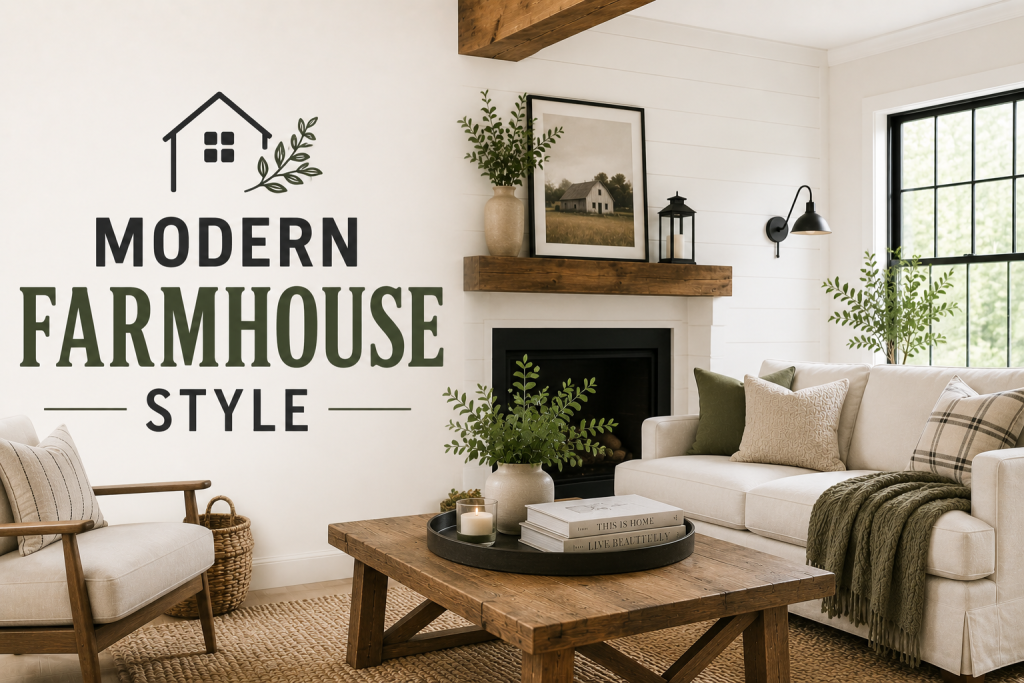
Color palettes in rustic farmhouse interiors tend to be earthy and muted, with warm browns, soft creams, faded greens, and natural grays. These tones enhance the cozy and grounded atmosphere commonly associated with traditional farmhouse aesthetics. Overall, rustic farmhouse design is ideal for homeowners who prefer a more natural, nostalgic, and character-rich home environment.
Key Differences Between Modern and Rustic Farmhouse
When comparing modern farmhouse vs rustic farmhouse, the main differences come down to structure, texture, and overall design philosophy. Both styles fall under the broader category of farmhouse aesthetics, but they create very different visual and emotional experiences in a home. Modern farmhouse design emphasizes clean lines, open space, and controlled contrast. It uses minimal décor, smooth finishes, and a neutral palette to create a polished, organized look. In contrast, rustic farmhouse decor focuses on layered textures, aged materials, and a more relaxed, lived-in feel.
In terms of materials, modern farmhouse interiors often use painted wood, metal accents, and sleek stone surfaces, while rustic styles rely on reclaimed wood, distressed finishes, and natural stone. This difference heavily influences the overall mood of each space. This farmhouse style comparison ultimately comes down to preference: modern farmhouse feels structured and updated, while rustic farmhouse feels warm, nostalgic, and organically imperfect.
Modern Farmhouse Interiors Explained
Modern farmhouse interiors focus on creating a clean, functional, and visually balanced environment while still maintaining warmth and comfort. In the context of modern farmhouse vs rustic farmhouse, this style prioritizes simplicity and structure over heavy texture or ornate detailing. A typical contemporary farmhouse design uses open floor plans, neutral color palettes, and minimal decorative clutter. Walls are often finished in soft whites or light grays, allowing natural light to play a major role in shaping the space. This creates an airy, uncluttered feel that is especially popular in newer US homes.
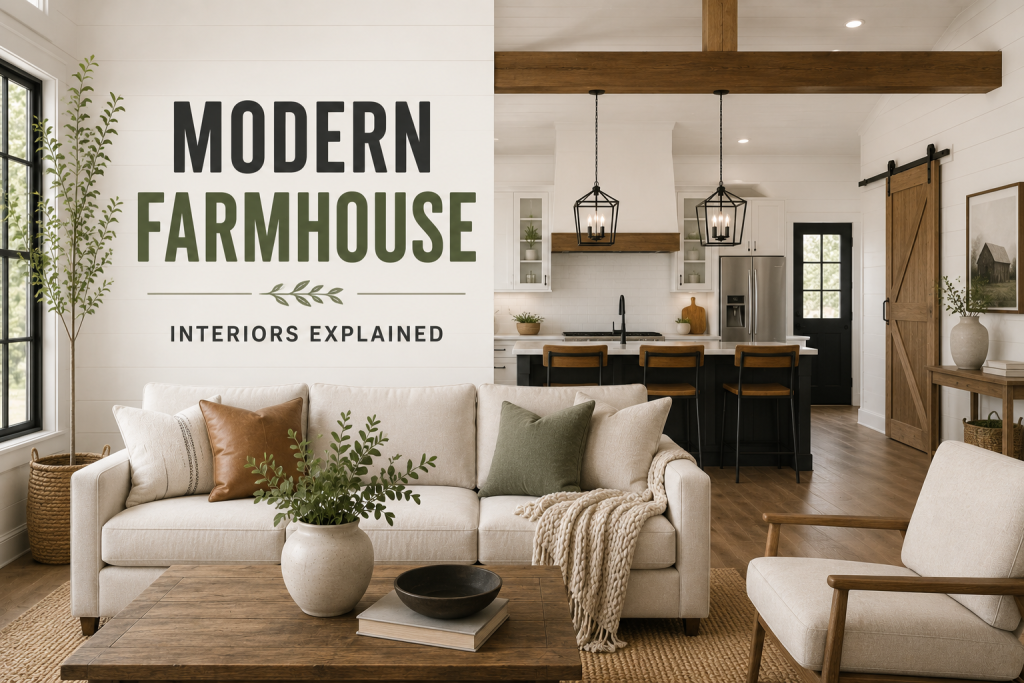
Furniture selections tend to be streamlined and practical, often featuring neutral upholstery, simple silhouettes, and subtle natural textures. Instead of relying on distressed finishes, modern farmhouse design uses contrast, such as black metal fixtures paired with light wood, to add depth. Overall, this interior style reflects a more refined and updated interpretation of farmhouse aesthetics, balancing comfort with a clean, modern visual identity.
Rustic Farmhouse Decor Explained
Rustic farmhouse decor represents the traditional, character-rich side of modern farmhouse vs rustic farmhouse, focusing on warmth, texture, and natural imperfection. This style is deeply rooted in heritage homes and rural living, where functionality and craftsmanship shape the overall aesthetic. In a country farmhouse style interior, materials like reclaimed wood, rough stone, and aged metals are commonly used. These elements create depth and authenticity, giving each space a lived-in feel that feels personal rather than polished. Unlike more structured styles, rustic design embraces variation in texture and finish as part of its charm.
Color palettes are typically earthy and muted, featuring warm browns, creamy whites, soft greens, and faded neutrals. These tones enhance the cozy atmosphere often associated with farmhouse aesthetics and make the space feel grounded and inviting. Overall, rustic farmhouse decor prioritizes storytelling through materials, making each room feel layered, nostalgic, and naturally comfortable.
Color Palettes Compared
Color is one of the most important distinctions in the modern farmhouse vs rustic farmhouse comparison, as it directly shapes mood, brightness, and overall visual identity. While both styles use neutral foundations, their application differs significantly in tone and contrast. Modern farmhouse interiors typically rely on clean, light palettes such as crisp whites, soft grays, warm beiges, and subtle taupes. These shades create a bright, airy environment that enhances natural light and supports a more structured, minimal aesthetic within contemporary farmhouse design.
In contrast, rustic farmhouse decor leans toward deeper, earthier tones. Warm browns, muted greens, weathered grays, and cream-based neutrals dominate the palette, reinforcing a cozy and grounded feeling often associated with country farmhouse style. Both approaches fall under broader farmhouse aesthetics, but the choice of palette determines whether a space feels modern and polished or warm and traditionally lived-in. Color selection ultimately defines the emotional tone of the entire home.
Materials and Textures Breakdown
Materials and textures are a defining factor in the modern farmhouse vs rustic farmhouse comparison because they determine how a space feels to the touch as well as visually. While both styles rely on natural elements, they use them in very different ways to shape overall farmhouse aesthetics. In modern farmhouse interiors, materials are typically smoother, cleaner, and more refined. Painted wood, matte metal, quartz countertops, and lightly textured fabrics are common. The goal of contemporary farmhouse design is to maintain simplicity while still introducing subtle variation through contrast and finish.
On the other hand, rustic farmhouse decor emphasizes raw and weathered materials. Reclaimed wood, rough stone, distressed finishes, and woven textiles are heavily used to create depth and character. This approach reinforces the organic, time-worn feel of country farmhouse style. Ultimately, material selection defines whether a home feels polished and structured or warm and naturally imperfect within the broader farmhouse design spectrum.
Furniture and Layout Differences
Furniture and layout choices further highlight the contrast in the modern farmhouse vs rustic farmhouse comparison, shaping how each style functions in everyday living. While both approaches prioritize comfort, their execution within farmhouse aesthetics differs in structure and visual density. In modern farmhouse interiors, furniture tends to be streamlined, functional, and intentionally minimal. Sofas and chairs often feature clean lines, neutral fabrics, and subtle detailing. Layouts are typically open and spacious, reflecting the principles of contemporary farmhouse design, where negative space is used to create a sense of order and calm.
In contrast, rustic farmhouse decor embraces a more layered and collected feel. Furniture pieces are often bulkier, with distressed wood finishes, vintage influences, and mixed textures. Layouts may feel more intimate, with grouped seating areas that emphasize warmth and conversation. Overall, modern farmhouse prioritizes simplicity and openness, while rustic farmhouse focuses on comfort, layering, and a more traditional, lived-in arrangement.
Which Farmhouse Style Is Right for You?
Choosing between modern farmhouse vs rustic farmhouse ultimately depends on your lifestyle, aesthetic preferences, and how you want your home to feel on a daily basis. Both styles fall under the broader umbrella of farmhouse aesthetics, but they serve different emotional and functional needs. If you prefer clean lines, open spaces, and a more structured look, modern farmhouse interiors are likely the better fit. This approach works especially well in newer US homes and suburban builds where homeowners want a fresh, updated feel without losing warmth.
The simplicity of contemporary farmhouse design also makes it easier to maintain and decorate over time. On the other hand, if you are drawn to warmth, texture, and a more nostalgic environment, rustic farmhouse decor may be the right choice. This style suits homeowners who appreciate character, layered materials, and a lived-in atmosphere that feels personal and grounded in tradition. Ultimately, your choice comes down to whether you value refinement and minimalism or comfort and rustic charm within your farmhouse style comparison.
Conclusion
Understanding the difference between modern farmhouse vs rustic farmhouse helps homeowners make better design decisions that match both lifestyle and aesthetic goals. Whether you prefer the clean simplicity of modern farmhouse interiors or the warm character of rustic farmhouse decor, both styles offer timeless appeal within the broader world of farmhouse aesthetics.
FAQ About Modern Farmhouse vs Rustic Farmhouse
What is the main difference between modern farmhouse vs rustic farmhouse?
The main difference is that modern farmhouse interiors focus on clean lines, minimal décor, and neutral palettes, while rustic farmhouse decor emphasizes texture, aged materials, and a more lived-in aesthetic.
Is modern farmhouse style still popular in the US?
Yes, contemporary farmhouse design remains highly popular in American homes due to its balance of comfort, simplicity, and updated visual appeal.
Can you mix modern and rustic farmhouse styles?
Yes, many homeowners blend both approaches within broader farmhouse aesthetics, combining clean modern structure with rustic textures for a balanced look.
Which style is more affordable?
Costs depend on materials, but rustic farmhouse decor can sometimes be more budget-friendly when using reclaimed or existing materials.
What defines farmhouse decorating trends today?
Current farmhouse decorating trends lean toward lighter palettes, simplified furniture, and a mix of modern and rustic elements for a balanced, timeless design.