


Types of Modern Interior Design Styles Explained
Modern interiors continue to shape how American homeowners design living spaces, renovate older properties, and improve everyday functionality. While many people use the term “modern” to describe any updated home, design professionals recognize that modern aesthetics include several distinct approaches, each with its own materials, color palettes, furniture choices, and architectural influences. Understanding different Modern interior design styles can help homeowners create a more cohesive look that aligns with their lifestyle, budget, and long-term goals. Whether you’re remodeling a suburban home in Texas, updating a condo in Chicago, or building a custom house in Arizona, selecting the right design direction can influence everything from furniture purchases to resale appeal. Today’s interiors emphasize clean lines, open layouts, natural light, and practical living spaces. However, not every modern-inspired home looks the same. Some styles focus on simplicity, while others incorporate warmth, texture, or industrial elements. In this guide, we’ll explore the most popular options and explain how each style can transform the look and feel of your home.
What Defines Modern Interior Design Styles?
At their core, Modern interior design styles focus on simplicity, functionality, and intentional design choices. The movement originated in the early twentieth century and emphasized clean architectural forms, open floor plans, and a strong connection between beauty and practicality. Unlike heavily decorated interiors, modern spaces prioritize uncluttered layouts and carefully selected furnishings that serve a purpose. A defining characteristic of modern design is the use of straight lines, neutral color schemes, and abundant natural light. Materials such as wood, glass, metal, and stone are often incorporated to create visual balance and texture without overwhelming a room. Many homeowners also appreciate the flexibility of modern interiors because they can adapt to different property types, from urban lofts to suburban family homes. Today, Modern interior design styles continue to evolve, blending timeless principles with new technologies, sustainable materials, and changing homeowner preferences across the United States.
Popular Modern Interior Design Styles for Today’s Homes
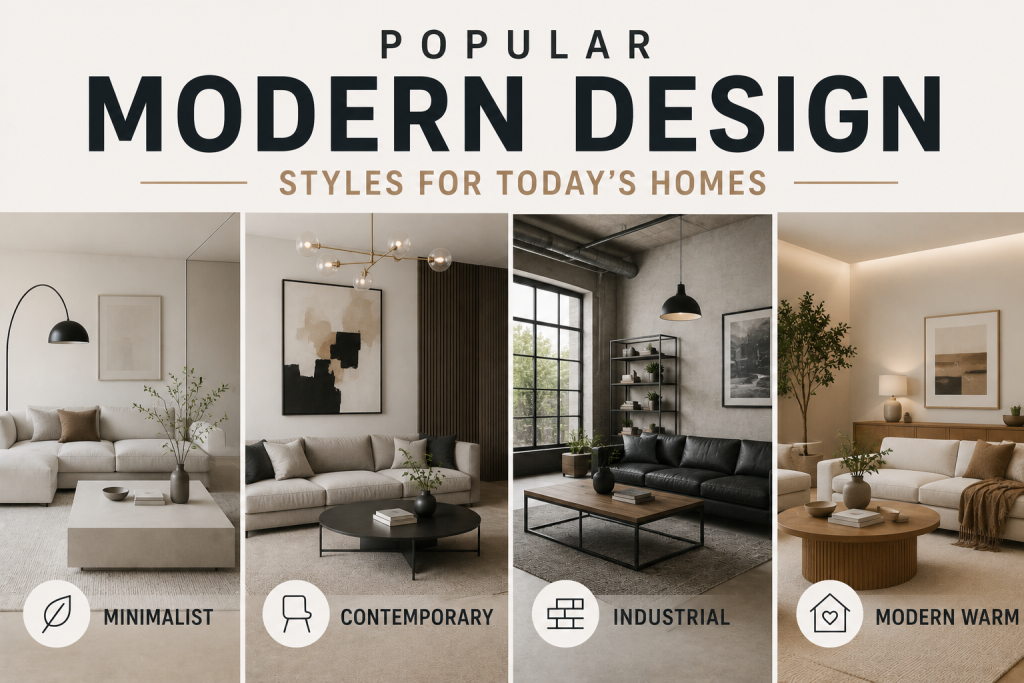
Homeowners have more design choices than ever before, which is why understanding the most popular Modern interior design styles is important before starting a renovation or decorating project. While all modern-inspired interiors share a focus on functionality and visual simplicity, each style creates a unique atmosphere through different materials, colors, and furnishings. For example, Scandinavian interior design emphasizes light-filled spaces, natural wood tones, and cozy textures that work especially well in colder climates. The mid-century modern style draws inspiration from the 1940s through 1960s, featuring sleek furniture, organic shapes, and a balance between form and function. Other approaches focus on raw materials, minimal ornamentation, or contemporary influences. By understanding the strengths of each option, homeowners can choose a design direction that complements their lifestyle, enhances comfort, and creates a timeless appearance that remains attractive for years to come.
Industrial Design Style
The industrial design style takes inspiration from converted warehouses, factories, and urban lofts. Rather than concealing structural elements, this approach highlights features such as exposed brick walls, visible ductwork, concrete surfaces, and metal accents. The result is a space that feels authentic, practical, and visually striking. Furniture within industrial interiors often combines wood and steel, creating a balance between warmth and rugged durability. Neutral color palettes, oversized windows, and open layouts further reinforce the style’s functional character. Many homeowners appreciate industrial spaces because they offer a distinctive aesthetic without relying on excessive decoration. This design approach works particularly well in apartments, loft conversions, and homes with high ceilings. When paired with comfortable furnishings and layered textures, industrial interiors can feel inviting while still maintaining the clean, purposeful appearance associated with Modern interior design styles.
Minimalist Design
The minimalist design approach centers on the idea that every element within a room should have a clear purpose. Instead of filling spaces with decorative accessories, homeowners focus on essential furnishings, clean surfaces, and carefully selected materials. This creates an environment that feels organized, calming, and easy to maintain. Minimalist interiors typically feature neutral color palettes, simple furniture profiles, and open spaces that maximize natural light. Storage solutions play a major role, helping reduce visual clutter while maintaining functionality. As a result, rooms often appear larger and more inviting, even in homes with limited square footage. Many homeowners are drawn to minimalism because it supports a more intentional lifestyle and simplifies everyday living. When executed properly, the style delivers a timeless aesthetic that prioritizes comfort and practicality while still reflecting the core principles found in Modern interior design styles.
How Modern Interior Design Styles Compare to Contemporary Style
Although the terms are often used interchangeably, there are important differences between Modern interior design styles and contemporary style. Modern design is rooted in a specific design movement that emphasizes clean lines, functional layouts, and a restrained use of decorative elements. Its defining principles have remained relatively consistent over time. Contemporary design, on the other hand, reflects current trends and evolves as homeowner preferences change. A contemporary interior may incorporate features from several design movements, including modern, transitional, and even traditional influences. Because of this flexibility, contemporary spaces can vary significantly from one home to another. For homeowners planning a remodel, understanding these distinctions can make decision-making easier. Those seeking a timeless and predictable aesthetic often gravitate toward Modern interior design styles, while homeowners who enjoy incorporating current trends may find contemporary interiors more appealing.
Choosing the Right Modern Interior Design Styles for Your Home
Selecting the right Modern interior design styles begins with evaluating how you live, use your space, and plan for the future. A design that looks appealing in a magazine may not always suit a busy family household, a small condominium, or a home that requires frequent entertaining. Practical considerations should always guide the decision-making process. Home size, natural lighting, maintenance expectations, and renovation budgets can all influence which direction makes the most sense. Some homeowners prefer warm and inviting modern home themes that emphasize comfort, while others prioritize simplicity, functionality, and visual openness. Regional factors can also play a role, particularly in areas with unique climate conditions or architectural traditions. The most successful interiors strike a balance between aesthetics and everyday usability. By choosing a style that aligns with your lifestyle, you can create a space that feels cohesive, comfortable, and visually appealing for years to come.
Combining Modern Decorating Styles Successfully
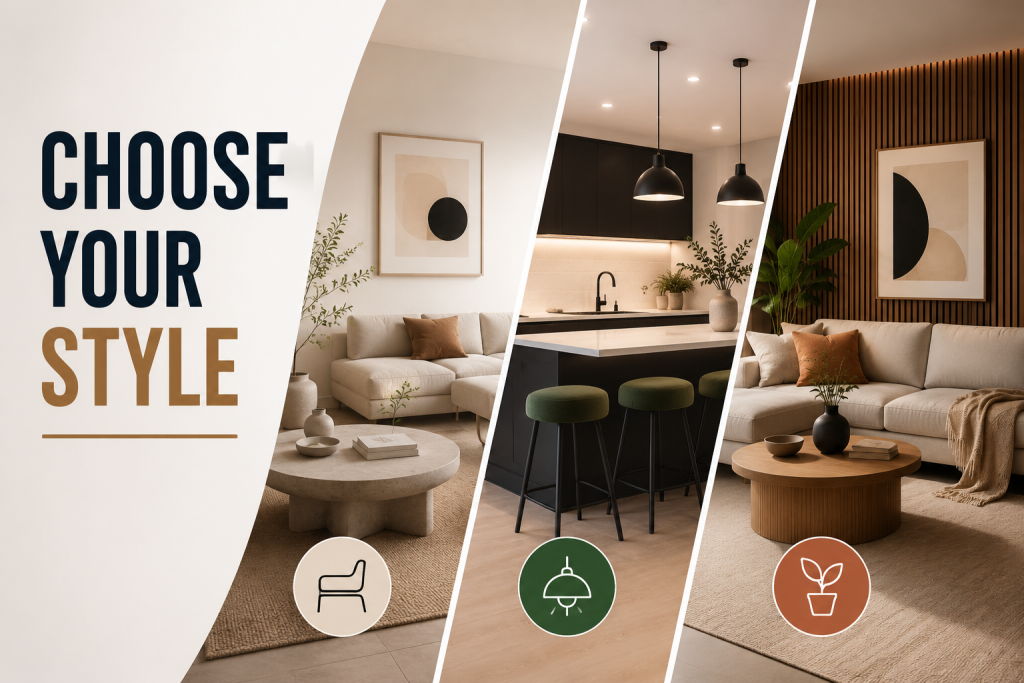
Many homeowners prefer blending influences rather than following a single design approach from start to finish. Successfully mixing modern decorating styles requires consistency in key elements such as color palettes, materials, and furniture proportions. Without a clear plan, combining multiple influences can make a space feel disconnected or visually overwhelming. A practical strategy is to establish one dominant design direction and use complementary features from another style as accents. For example, a homeowner might pair streamlined furniture with natural textures, statement lighting, or carefully selected architectural details. This creates visual interest while preserving a cohesive overall appearance. Balance is essential when combining different design influences. Repeating similar finishes, maintaining consistent color schemes, and avoiding excessive decorative elements can help create harmony throughout the home. The goal is to design spaces that feel intentional, functional, and aligned with the principles associated with Modern interior design styles.
Modern Interior Design Styles Comparison Table
| Design Style | Best For | Key Characteristics | Maintenance Level | Budget Range |
| Scandinavian | Bright family homes | Light colors, natural materials, functional layouts | Low | Moderate |
| Mid-Century Modern | Homeowners seeking timeless appeal | Clean lines, organic shapes, iconic furniture | Moderate | Moderate to High |
| Industrial | Lofts and urban-inspired spaces | Exposed materials, metal accents, open layouts | Low | Moderate |
| Minimalist | Small homes and clutter-free living | Simplicity, open space, limited décor | Low | Moderate |
| Contemporary | Trend-focused homeowners | Flexible aesthetics, evolving design elements | Moderate | Varies |
Each option offers unique advantages, but the best choice depends on your home’s architecture, lifestyle needs, and long-term design goals. While some homeowners prefer a single approach, others combine elements from multiple influences to create a personalized look. Understanding these distinctions makes it easier to select finishes, furniture, and layouts that support both comfort and visual appeal. Regardless of the direction you choose, the most successful Modern interior design styles balance functionality, aesthetics, and everyday livability.
Final Thoughts
Choosing among the many design approaches available today comes down to understanding your home’s needs, personal preferences, and long-term goals. Whether you prefer the warmth of Scandinavian influences, the timeless appeal of mid-century interiors, the character of industrial spaces, or the simplicity of minimalism, each approach offers unique benefits that can enhance both functionality and visual appeal. The most successful interiors are not necessarily the most expensive or trend-driven. Instead, they are thoughtfully designed spaces that support everyday living while reflecting the homeowner’s personality. By focusing on practical layouts, quality materials, and cohesive design choices, you can create rooms that remain attractive and functional for years to come. As homes continue to evolve, homeowners who understand the principles behind these design concepts will be better equipped to make confident decorating and renovation decisions that add comfort, value, and lasting appeal to their properties.
Frequently Asked Questions
What is the most popular modern interior design style?
There is no single style that works for every homeowner, but Scandinavian-inspired and mid-century influences remain among the most popular choices. Homeowners appreciate their balance of functionality, comfort, and timeless visual appeal. Many of today’s Modern interior design styles also incorporate elements from multiple design movements to create personalized living spaces.
Are modern and contemporary designs the same?
No. Modern design follows a specific set of principles that originated from an established design movement, while contemporary design reflects current trends and evolves over time. Although they share certain characteristics, they are not identical approaches.
Which modern design style is easiest to maintain?
Minimalist interiors are often considered the easiest to maintain because they emphasize uncluttered spaces, simple furnishings, and fewer decorative elements. This approach reduces cleaning requirements and helps rooms stay organized.
Can I combine different modern styles in one home?
Yes. Many homeowners successfully blend influences from multiple Modern interior design styles. The key is maintaining consistency in colors, materials, and overall design direction so that each room feels connected to the rest of the home.