


Modern vs Minimalist Design: Which Style Fits Your Home Better?
Choosing the right interior design style can completely change how your home looks, feels, and functions. Among today’s most popular design approaches, modern and minimalist styles often stand out because they share clean aesthetics, simple layouts, and a focus on functionality. However, despite their similarities, they are not the same. Understanding the differences between these two design philosophies is important before planning a renovation, updating a living space, or furnishing a new home. The debate around modern vs minimalist design often comes down to personal lifestyle, daily habits, and long-term goals for the home. Modern design focuses on contemporary comfort, architectural interest, and carefully selected decorative elements, while minimalism emphasizes simplicity, intentional living, and eliminating excess. Both styles can improve visual appeal, create organized spaces, and support a more comfortable lifestyle, but each offers a distinct experience for homeowners. In this guide, we’ll compare key characteristics, practical benefits, and real-world applications to help you determine which design style is the better fit for your home.
Modern vs Minimalist Design: Understanding the Core Differences
At first glance, modern and minimalist interiors can appear very similar. Both emphasize clean spaces, purposeful layouts, and a clutter-free appearance. However, the philosophy behind each style is quite different, which ultimately affects how a home looks and functions. When comparing modern vs minimalist design, modern spaces typically focus on visual balance, innovative materials, and a blend of comfort with contemporary aesthetics. A modern home may include statement lighting, textured finishes, artwork, and carefully selected furnishings that add personality without overwhelming the space. This approach creates a sophisticated modern home style that feels polished and inviting. Minimalism takes a more restrained approach. Rather than adding decorative elements, the goal is to remove anything that does not serve a purpose. Every piece of furniture, décor item, and design feature is intentionally chosen to support simplicity and functionality. This philosophy is the foundation of minimalist home design, where less is often considered more. The biggest distinction lies in how each style approaches space. Modern design prioritizes contemporary visual appeal, while minimalist design prioritizes simplicity and intentional living. Understanding this difference can help homeowners choose a design direction that aligns with their lifestyle, budget, and long-term goals.
What Is Modern Design?
Modern design is rooted in the architectural and interior design movements of the early to mid-20th century, but it has evolved to meet the needs of today’s homeowners. It emphasizes clean lines, open layouts, functional furniture, and a balance between aesthetics and comfort. Unlike highly decorative styles, modern spaces avoid unnecessary ornamentation while still incorporating visual interest through materials, textures, and carefully selected accents. In discussions about modern vs minimalist design, modern interiors are often recognized for their flexibility. Homeowners can incorporate natural wood, metal, glass, and stone finishes while maintaining a streamlined appearance. Large windows, open-concept floor plans, and statement lighting fixtures are also common features. A well-executed modern interior style often feels warm rather than stark because it combines practical functionality with design elements that add character. This makes modern design a popular choice for homeowners who want a clean, contemporary space without sacrificing personality or visual appeal.
What Is Minimalist Design?
Minimalist design is centered on the idea that every element within a space should serve a purpose. Rather than filling rooms with decorative objects, this style focuses on simplicity, functionality, and intentional living. Clean surfaces, neutral color palettes, hidden storage solutions, and carefully chosen furnishings are common characteristics of minimalist interiors. When evaluating modern vs minimalist design, minimalism is often the more disciplined approach. The goal is not simply to create a visually clean room but to reduce distractions and prioritize what truly adds value to daily life. This philosophy has inspired countless minimalist interior ideas, especially among homeowners looking to create calm and organized environments. A minimalist home typically features limited accessories, streamlined furniture, and open spaces that encourage a sense of balance. While some people associate minimalism with empty rooms, successful minimalist design creates warmth through thoughtful materials, natural light, and functional pieces that contribute to both comfort and practicality.
Modern vs Minimalist Design in Home Interiors
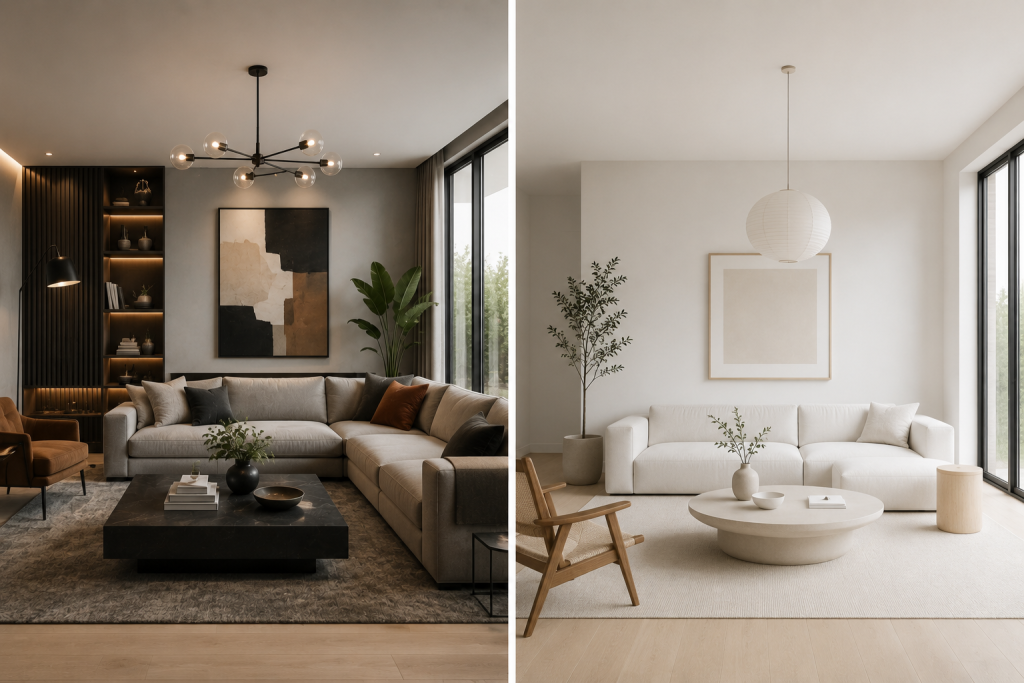
The differences between modern vs minimalist design become much more noticeable when applied to real living spaces. While both styles value organization and simplicity, they create distinctly different environments within the home. Modern interiors often incorporate layered textures, curated artwork, and furniture that serves both functional and aesthetic purposes. Homeowners may use bold lighting fixtures, unique materials, and carefully selected accessories to add personality without creating visual clutter. These elements contribute to a refined look while allowing for greater creative expression through modern decor ideas. Minimalist interiors focus on reducing excess and maintaining only essential items. Furniture selections are often streamlined, storage is integrated whenever possible, and decorative elements are limited. Rather than relying on numerous accessories, minimalist decor emphasizes quality, purpose, and visual clarity. Understanding these practical differences helps homeowners create spaces that align with their lifestyle preferences and everyday needs.
Furniture and Layout Choices
Furniture selection and room layout play a major role in distinguishing modern and minimalist interiors. While both styles favor clean lines and functional pieces, their approach to furnishing a space is noticeably different. In a modern home, furniture often serves as both a practical necessity and a design statement. Sofas, accent chairs, coffee tables, and lighting fixtures may feature distinctive shapes, premium materials, or eye-catching details that contribute to the overall aesthetic. Layouts are typically open and designed to encourage comfort, conversation, and flexibility. Minimalist spaces prioritize only the furnishings that are truly necessary. A minimalist living room, for example, may include a simple sofa, a functional table, and limited accessories, creating a calm and uncluttered environment. Every item is chosen with intention, and unnecessary furniture is avoided. When comparing modern vs minimalist design, furniture choices often reveal whether a homeowner values visual expression or prefers a more simplified and purposeful living space.
Color Palettes and Materials
Color selection and material choices significantly influence the atmosphere of a home. Although both styles favor clean and organized spaces, they achieve their visual impact in different ways. In modern interiors, homeowners often combine neutral colors with contrasting accents to create depth and visual interest. Materials such as glass, steel, concrete, natural stone, and wood are frequently used together to add texture and character. This approach allows rooms to feel contemporary while maintaining warmth and comfort. Minimalist interiors typically rely on a more restrained palette. Shades of white, gray, beige, and soft earth tones help create a calm environment that feels open and uncluttered. Materials are selected for both functionality and simplicity, with an emphasis on consistency throughout the home. When analyzing modern vs minimalist design, color palettes and material selections often reveal the overall philosophy behind each style. Modern spaces tend to embrace contrast and visual variety, while minimalist spaces focus on harmony, simplicity, and a sense of intentional balance.
Modern vs Minimalist Design for Different Homeowners
Choosing between these two styles often depends less on appearance and more on how you live each day. The discussion around modern vs minimalist design should begin with personal preferences, household needs, and long-term lifestyle goals. Modern design is often a strong fit for homeowners who enjoy expressing personality through furnishings, artwork, textures, and architectural details. It provides flexibility to incorporate decorative elements while still maintaining a clean and organized environment. Families, entertainers, and homeowners who appreciate visual variety may find modern spaces more accommodating. Minimalist design is typically better suited for individuals who value simplicity, organization, and reduced maintenance. By limiting possessions and prioritizing function, minimalist homes can create a calmer atmosphere with fewer distractions. When evaluating modern vs minimalist design, homeowners should consider how they use their space, how much upkeep they are comfortable with, and the overall feeling they want their home to deliver every day.
Who Should Choose Modern Design?
Modern design is an excellent choice for homeowners who want a clean, contemporary look without limiting personal expression. Unlike more restrictive design approaches, modern interiors allow for a wider range of materials, textures, furniture styles, and decorative accents while still maintaining a cohesive appearance. This style works particularly well for growing families, professionals, and homeowners who enjoy entertaining guests. Open floor plans, statement lighting, and carefully selected décor can help create spaces that feel both functional and visually engaging. Modern design also adapts well to different home sizes, from urban condominiums to large suburban residences. For homeowners comparing modern vs minimalist design, modern interiors often provide greater flexibility. You can showcase artwork, incorporate accent pieces, and experiment with textures without compromising the overall sense of order. Those who appreciate contemporary aesthetics but still want warmth, personality, and visual depth often find modern design to be the most practical long-term choice.
Who Should Choose Minimalist Design?
Minimalist design is best suited for homeowners who prioritize simplicity, organization, and intentional living. Rather than focusing on decorative variety, this approach emphasizes functionality and the careful selection of items that serve a meaningful purpose within the home. People with busy schedules often appreciate minimalist spaces because they are generally easier to maintain and keep organized. Fewer furnishings, reduced clutter, and streamlined storage solutions can make everyday cleaning and upkeep more manageable. This style is also popular among homeowners living in smaller spaces, where maximizing openness and efficiency is especially important. When considering modern vs minimalist design, homeowners who value calm, structure, and a distraction-free environment may find minimalism more appealing. The style encourages thoughtful purchasing decisions and helps create rooms that feel spacious and balanced. For many people, minimalist design is not simply an aesthetic choice but a lifestyle philosophy centered on clarity, simplicity, and purpose.
Comparing Modern and Minimalist Spaces Room by Room
The practical differences between these styles become easier to understand when viewed through individual rooms. While overall design principles remain consistent, each space highlights unique advantages and limitations that can influence a homeowner’s decision. In living rooms, modern interiors often include layered textures, decorative accents, and furniture arrangements designed to encourage social interaction. Minimalist spaces focus on openness and functionality, creating a cleaner visual experience. Kitchens and dining areas also reveal important distinctions. Modern designs frequently feature statement finishes, mixed materials, and contemporary lighting, while minimalist spaces emphasize streamlined cabinetry, hidden storage, and visual simplicity. Bedrooms and home offices further demonstrate the contrast between modern vs minimalist design approaches. Modern rooms often balance comfort with visual interest, whereas minimalist rooms prioritize focus, organization, and tranquility. Examining each area individually helps homeowners determine which style better supports their daily routines and long-term lifestyle preferences.
Living Rooms
The living room is often the most frequently used space in a home, making it one of the best places to compare design styles in practice. The way furniture, décor, and layout choices come together can dramatically affect comfort and functionality. In a modern living room, homeowners often incorporate layered textures, area rugs, artwork, accent lighting, and furniture with distinctive shapes. These elements create visual interest while maintaining a clean and organized appearance. The goal is to balance comfort with contemporary style. A minimalist living room takes a more restrained approach. Furniture is limited to essential pieces, accessories are carefully selected, and open space becomes an important design feature. The emphasis is on simplicity rather than decoration. When evaluating modern vs minimalist design, the living room often reveals the clearest distinction. Modern spaces encourage personality and visual depth, while minimalist spaces focus on creating a calm, uncluttered environment that supports relaxation and everyday functionality.
Kitchens and Dining Areas
Kitchens and dining areas are highly functional spaces, which makes design decisions especially important. Both modern and minimalist approaches can improve efficiency, but they achieve that goal in different ways. Modern kitchens often feature a mix of materials, such as natural stone countertops, wood cabinetry, metal finishes, and contemporary lighting. Large kitchen islands, open shelving, and statement fixtures are commonly used to add character while maintaining practicality. Dining areas may include bold furniture pieces that act as visual focal points. Minimalist kitchens focus on simplicity and organization. Clean cabinet lines, concealed storage, and limited decorative elements help create a streamlined appearance. Every feature is selected with functionality in mind, reducing visual distractions and improving workflow. For homeowners comparing modern vs minimalist design, kitchens and dining spaces often highlight the tradeoff between visual expression and simplicity. Modern designs offer greater personality, while minimalist designs prioritize efficiency, organization, and a clean aesthetic.
Bedrooms and Home Offices
Bedrooms and home offices should support comfort, productivity, and relaxation. The design approach used in these spaces can have a direct impact on how effectively they serve those purposes. Modern bedrooms often combine soft textures, layered lighting, upholstered furniture, and carefully selected décor to create a welcoming atmosphere. Home offices designed in a modern style may include functional storage, ergonomic furniture, and decorative accents that add personality without creating clutter. Minimalist bedrooms focus on reducing distractions and promoting a sense of calm. Furniture is kept to a minimum, storage is integrated whenever possible, and decorative items are limited to essentials. Home offices follow the same principle, creating an environment that encourages concentration and efficiency. When comparing modern vs minimalist design, these spaces demonstrate how each style influences daily living. Modern interiors provide warmth and character, while minimalist interiors prioritize simplicity, focus, and a more intentional use of space.
Cost, Maintenance, and Long-Term Value
Budget considerations often play a major role when choosing a design direction. While both styles can be adapted to different price points, the overall cost depends on materials, furnishings, customization, and long-term maintenance requirements. Modern interiors may involve higher upfront costs because homeowners often invest in statement furniture, premium finishes, custom lighting, and architectural features. However, these upgrades can enhance visual appeal and contribute to a home’s perceived value. Well-designed modern spaces also tend to remain attractive as trends evolve. Minimalist interiors can reduce spending by limiting unnecessary purchases and focusing on essential furnishings. However, achieving a truly refined minimalist look may still require high-quality materials and carefully selected pieces, which can increase costs. When assessing modern vs minimalist design, maintenance is another important factor. Minimalist homes generally require less upkeep due to fewer decorative items, while modern homes may need more attention to preserve layered design elements. Both styles can provide lasting value when executed thoughtfully and aligned with homeowner needs.
Can You Combine Modern and Minimalist Design?
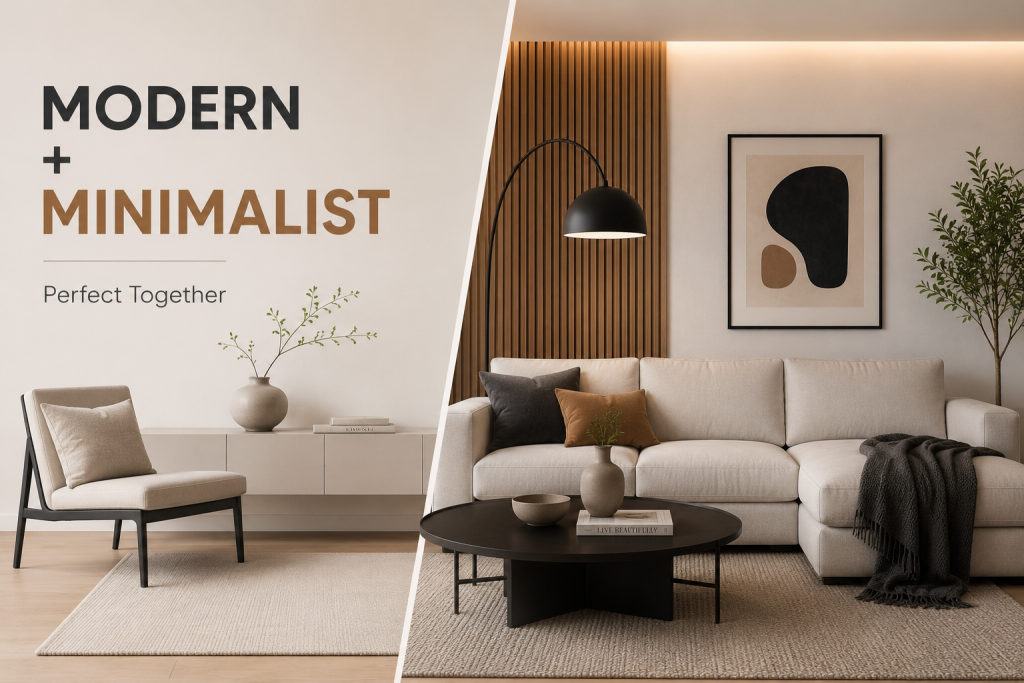
Many homeowners assume they must choose one style over the other, but in reality, the two approaches can work exceptionally well together. A hybrid design strategy allows homeowners to enjoy the strengths of both styles while minimizing their limitations. A combined approach typically starts with the simplicity and functionality associated with minimalism. Clean layouts, uncluttered surfaces, and intentional furniture selections create a strong foundation. Modern elements are then introduced through materials, lighting, artwork, textures, and architectural details that add warmth and personality. This balanced approach is especially popular in contemporary American homes because it creates spaces that feel organized without appearing overly sparse. Homeowners can maintain visual clarity while still expressing personal style through carefully selected design features. For those debating modern vs minimalist design, a blended approach may offer the best solution. It delivers the efficiency and simplicity of minimalism while preserving the comfort, flexibility, and visual interest often associated with modern interiors.
Creating a Balanced Modern-Minimalist Home
Creating a balanced home begins with identifying the features you appreciate most from each design philosophy. Rather than strictly following one approach, many homeowners achieve better results by combining practical elements from both styles. Start by prioritizing functionality and organization throughout the home. Select furniture that serves a purpose, maintain open circulation paths, and avoid overcrowding rooms with unnecessary items. Once the foundation is established, introduce modern touches through lighting, artwork, textured materials, or architectural details that add visual interest. Neutral color palettes can help unify the space while allowing a few carefully chosen focal points to stand out. Quality should take precedence over quantity, ensuring that every design element contributes to both aesthetics and everyday usability. Homeowners comparing modern vs minimalist design often discover that balance is more important than strict adherence to a single style. A thoughtful combination can create spaces that feel clean, comfortable, functional, and visually appealing for years to come.
Modern vs Minimalist Design: Which One Is Right for Your Home?
There is no universal answer when choosing between modern and minimalist interiors. The right option depends on your lifestyle, personal preferences, maintenance expectations, and the atmosphere you want to create within your home. If you enjoy contemporary aesthetics, decorative flexibility, and opportunities for personal expression, modern design may be the better fit. It offers visual depth, comfort, and the ability to incorporate distinctive materials, furniture, and architectural features. Homeowners who value creativity often appreciate the versatility that modern spaces provide. Minimalist design is often better suited to those who prioritize simplicity, organization, and intentional living. By reducing distractions and focusing on essential elements, minimalist spaces can feel calm, efficient, and easy to maintain. Ultimately, the modern vs minimalist design decision should reflect how you live rather than simply how you want your home to look. A design style that supports your daily routines and long-term goals will always provide the greatest value and satisfaction.
Conclusion
Choosing between modern and minimalist design ultimately comes down to how you want your home to function and feel. While both styles emphasize clean spaces and purposeful layouts, they achieve those goals in different ways. Modern design offers greater flexibility, visual interest, and opportunities for personal expression, while minimalist design focuses on simplicity, organization, and intentional living. Throughout this comparison of modern vs minimalist design, one thing becomes clear: neither style is inherently better than the other. The ideal choice depends on your lifestyle, design preferences, maintenance expectations, and long-term goals for your home. Some homeowners prefer the warmth and character of modern interiors, while others appreciate the calm and efficiency that minimalism provides. If you’re still undecided, consider combining elements from both approaches. A balanced modern-minimalist home can deliver the functionality of minimalism alongside the comfort and sophistication of modern design. By focusing on your daily needs rather than design trends alone, you can create a home that remains practical, beautiful, and enjoyable for years to come.
Frequently Asked Questions
Is minimalist design cheaper than modern design?
Not always. Minimalist interiors often require fewer furnishings and decorative items, which can reduce overall spending. However, many minimalist spaces rely on premium materials and high-quality furniture to achieve a refined appearance. The final cost depends more on product selection and project scope than on the design style itself.
Can modern and minimalist styles work together?
Yes. Many homeowners successfully blend elements from both approaches. A hybrid design can combine minimalist organization and functionality with the warmth, textures, and visual interest commonly found in modern interiors. This balance creates spaces that feel both practical and inviting.
Which style increases home value more?
Neither style automatically increases property value more than the other. Homes that are well-maintained, functional, and visually appealing tend to attract buyers regardless of the specific design approach. The quality of execution is often more important than the style itself.
Is minimalist design going out of style?
No. Minimalism continues to remain popular because it supports organization, efficient use of space, and a simplified lifestyle. While design trends evolve over time, the core principles of simplicity and functionality continue to appeal to many homeowners.