


Popular Paint Design Trends Explained
Modern paint design trends are changing the way homeowners update interiors because paint is no longer viewed as only a color choice. Today, it is being used to create texture, define spaces, add personality, and transform rooms without major renovations. Homeowners increasingly want affordable upgrades that deliver visual impact while aligning with current design styles. Decorative finishes, accent walls, and layered paint techniques have become popular because they refresh spaces at a lower cost than remodeling projects.
Open-concept homes are also influencing these trends. Larger connected spaces often benefit from paint treatments that create visual separation without adding walls. This has increased demand for the latest wall paint styles and feature-focused designs. Design movements such as organic minimalism and wellness-inspired interiors are further shaping paint choices. Homeowners in markets like Dallas and Denver increasingly use paint as a design element rather than only a finishing step.
Color Hinderwalls: Add Modern Contrast
Among current paint design trends, color blocking walls remains one of the most creative ways to add visual interest without major renovations. This technique uses contrasting colors or geometric sections to create architectural impact and define spaces. Color blocking works especially well in open-concept layouts where homeowners want subtle separation between dining areas, living spaces, and work zones. Instead of adding partitions, paint creates visual boundaries while maintaining openness. Popular approaches include arches, vertical panels, half-painted walls, and oversized geometric shapes.
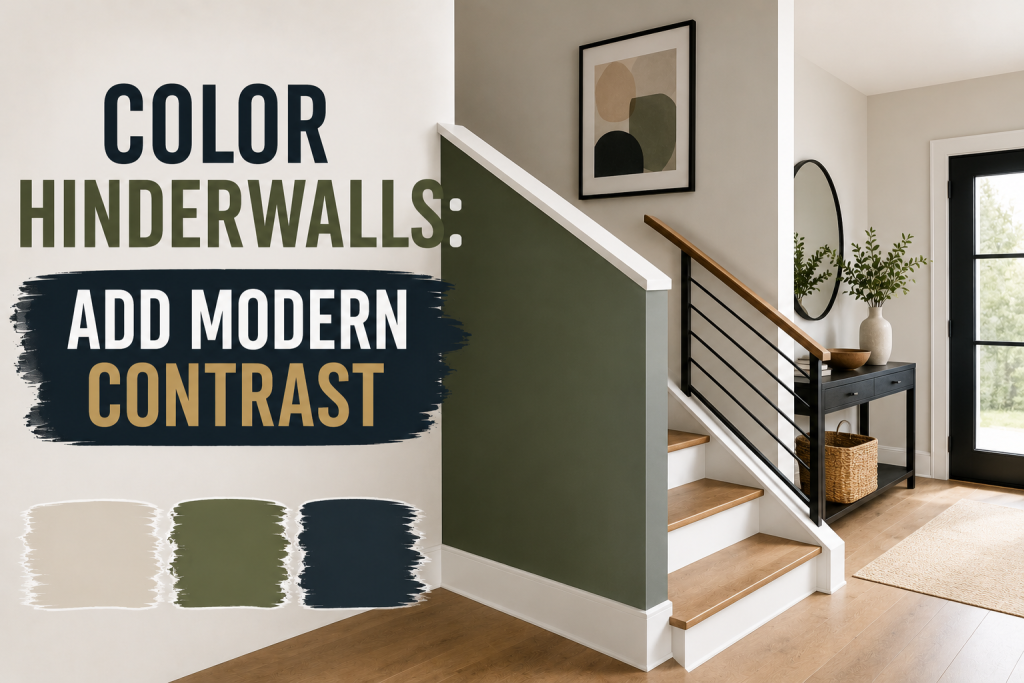
Warm neutrals, muted greens, earthy tones, and soft contrast colors are increasingly replacing brighter combinations. This style also supports modern interiors because it pairs naturally with organic minimalism and contemporary décor. Many homeowners use color-hindered walls as part of evolving latest wall paint styles because they add personality while remaining easier and less expensive than structural updates. The trend continues growing as homeowners look for affordable ways to personalize interiors through design rather than remodeling.
Limewash paint design trends: Bring Organic Texture
One of the fastest-growing paint design trends is the return of limewash finishes. Modern limewash paint trends are bringing soft texture, natural movement, and handcrafted character back into American homes. Unlike standard paint, limewash creates subtle tonal variation and a cloud-like appearance that changes with lighting throughout the day. The finish feels organic and works especially well in spaces inspired by Mediterranean, rustic, and organic minimalist design.
Warm white, clay beige, mushroom tones, and muted earth colors remain popular choices because they pair naturally with wood textures, stone surfaces, and layered neutrals. Limewash is increasingly used in bedrooms, dining rooms, accent walls, and entryways where homeowners want visual depth without bold color contrasts. The popularity of decorative paint strategies and textured interiors has helped limewash move beyond traditional styles into modern design. Many homeowners now combine limewash paint styles with softer, latest wall paint styles to create warm and timeless interiors.
Structured Wall Paint Creates Depth and Character
The rise of textured wall paint is changing how homeowners approach interior design. Instead of relying only on color, many modern interiors now use texture to create depth, movement, and visual interest. These finishes add character while helping walls feel more architectural and customized.
Paint design trends: Plaster-Inspired Finishes Add Organic Texture
Plaster-style finishes continue gaining popularity because they create soft variation and a handcrafted appearance. These textures work especially well in organic minimalist interiors where natural materials and warm neutrals dominate. Warm beige, clay tones, and muted whites are commonly used because they pair naturally with wood, stone, and linen textures.
Matte Textured Walls Create Soft Depth
Matte surfaces remain one of the most popular forms of structured wall paint because they reduce glare while creating subtle dimension. Unlike glossy finishes, matte textures produce a softer appearance that complements modern interiors. These finishes are commonly used in living rooms, bedrooms, and open-concept spaces.
Lime-Based Textures Support Modern Organic Design
The growth of limewash paint styles has increased interest in lime-based textures that create cloud-like movement and tonal variation. These finishes add visual depth without relying on strong color contrasts. They are especially popular in dining rooms, entryways, and feature walls.
Layered Texture Replaces Bold Accent Walls
Modern accent wall trends increasingly rely on texture rather than bold paint colors. Brushed finishes, subtle plaster effects, and textured coatings create focal points while maintaining calm and neutral interiors. This approach aligns closely with the latest wall paint styles focused on warmth and simplicity.
Two-Tone Wall Trends Modernize Simple Spaces
Among emerging paint design trends, two-tone wall ideas are becoming a popular way to add architectural interest without overwhelming a room. By combining two complementary colors, homeowners can create depth and visual structure while keeping interiors balanced.
- One of the most common approaches is the horizontal split design, where the lower portion of the wall uses a darker shade while the upper section remains lighter. This technique can help rooms feel taller and more dynamic.
- Other popular options include painted trim sections, contrasting panels, arches, and subtle color transitions. Warm neutrals, muted greens, earthy beige, and soft taupe combinations are increasingly replacing stronger contrasts.
- These designs work especially well in dining rooms, hallways, bedrooms, and children’s spaces because they add personality without requiring major renovation work.
Many homeowners incorporate two-tone wall trends into evolving latest wall paint styles because they create visual interest while remaining flexible enough for resale preparation.
Accent Wall Ideas: Move Beyond Bold Colors
Modern accent wall ideas are evolving beyond bright statement colors and moving toward texture, subtle contrast, and natural finishes. Homeowners still want focal points, but the emphasis is shifting from dramatic color to layered design. Soft earth tones, muted greens, warm clay shades, and textured finishes are replacing high-saturation accent walls. Limewash, plaster effects, wood detailing, and matte textures now create depth without overpowering the room.
Bedrooms, dining rooms, offices, and entryways remain popular spaces for accent walls because they allow homeowners to introduce personality while keeping the overall palette balanced. The rise of structured wall paint has also influenced this shift. Many accent walls now rely on finish variation rather than color contrast alone. These updated accent wall ideas align closely with organic minimalism and current modern wall paint styles, helping homeowners create interiors that feel calm, sophisticated, and more timeless than traditional statement walls.
Latest Wall Paint Styles Favor Organic Minimalism
One of the strongest influences shaping current paint design trends is organic minimalism. This approach focuses on warmth, simplicity, and natural materials, making it one of the leading directions in the latest wall paint styles. Instead of cool gray palettes and stark white interiors, homeowners are embracing warm neutrals, layered earth tones, soft greens, and muted textures. Colors such as creamy white, mushroom beige, taupe, clay, and sand shades create calmer spaces while maintaining a modern appearance.
Organic minimalism also emphasizes texture. Matte finishes, limewash surfaces, and subtle variations often replace glossy walls to create visual depth. This style works especially well in open-concept homes because the softer palette helps connect spaces to feel cohesive. The popularity of limewash paint styles and structured wall paint continues to reinforce this movement as homeowners seek interiors that feel comfortable, natural, and timeless rather than overly decorative.
Decorative Paint Strategies Growing in Popularity
The growth of personalized interiors has increased interest in decorative paint techniques, making them an important part of modern paint design ideas. Homeowners are increasingly using finishes and application styles to add character without major remodeling. Limewash remains one of the most requested techniques because it creates soft movement and natural texture. Faux plaster finishes are also gaining popularity because they provide depth while fitting organic minimalist interiors.
Brushed textures, layered matte finishes, and sponge-style applications are returning in updated forms as well. Instead of dramatic decorative effects, homeowners now prefer subtle finishes that add warmth and visual interest. These techniques work especially well on feature walls, entryways, dining rooms, and bedrooms, where texture can become the focal point. The rise of structured wall paint and softer accent wall ideas continues to support this shift. Many current wall paint styles now prioritize finish variation and handcrafted appearance over bold color contrast alone.
How to Choose Paint Design Trends for Your Home?
Choosing the right paint design ideas depends on room size, lighting, lifestyle needs, and long-term goals. While many trends look appealing, not every style works equally well in every home.
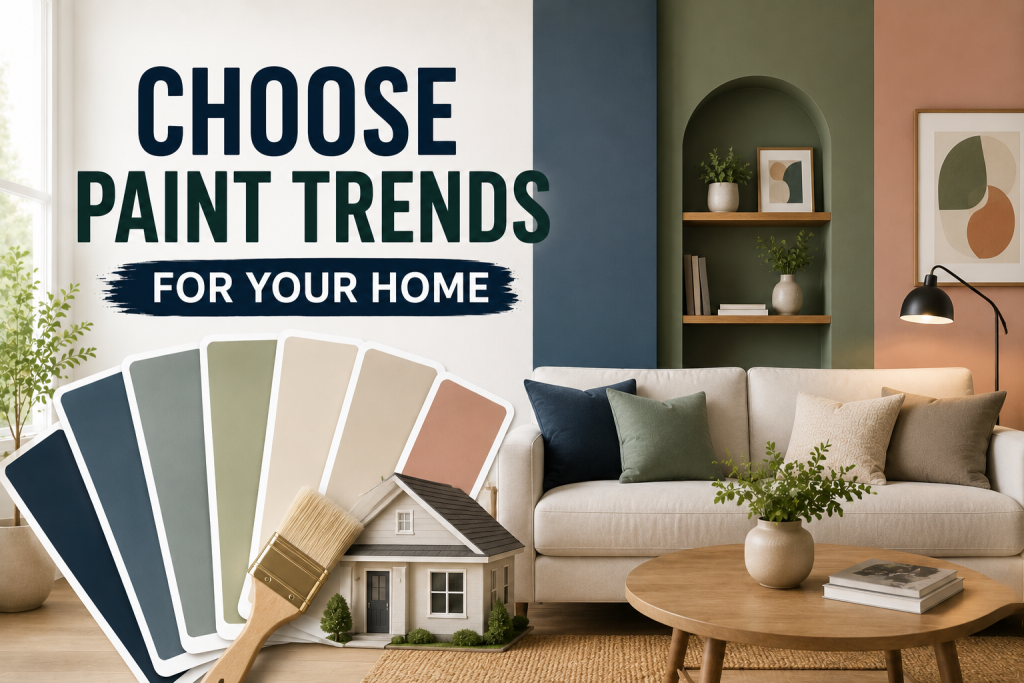
- Smaller rooms often benefit from lighter colors and subtle textures because heavy finishes or strong contrast can make spaces feel crowded. Larger open-concept layouts usually offer more flexibility for color-hindered walls, accent features, and layered finishes.
- Lighting also matters. Natural light enhances limewash, matte finishes, and structured wall paint, while darker rooms may need warmer palettes to avoid feeling heavy.
- Homeowners preparing for resale should balance creativity with broad appeal. Softer, latest wall paint styles and neutral-based accent wall ideas often perform better than highly personalized designs.
- Maintenance is another factor. Decorative finishes can require specialized touch-ups, so homeowners should consider long-term upkeep before choosing more advanced decorative paint strategies.
Final Thoughts
Modern paint design trends are transforming interiors by using paint as a design feature rather than only a finishing element. Texture, layering, and subtle architectural effects are becoming just as important as color selection. From color-hindered walls and two-tone wall trends to limewash paint styles and structured wall paint, homeowners now have more ways to personalize interiors without large renovation budgets. The shift toward organic minimalism is also reshaping the latest wall paint styles, encouraging warmer palettes, natural finishes, and softer visual contrast.
Updated accent wall ideas and evolving decorative paint strategies show that modern interiors increasingly prioritize depth, texture, and atmosphere over bold statement colors. For homeowners planning updates, the most successful paint choices often balance creativity with long-term flexibility, creating spaces that feel modern while remaining comfortable and timeless.
Frequently Asked Questions
What paint design trends are popular this year?
Current paint design trends include limewash finishes, textured walls, warm neutral palettes, subtle accent walls, color blocking, and organic minimalist interiors.
Are color-blocking walls still in style?
Yes. Color-hindered walls remain popular because they create visual separation and architectural interest without major renovations. Modern versions often use softer neutrals and earth tones.
What are limewash paint styles?
Yes. Structured wall paint continues growing because homeowners want depth and visual interest beyond flat wall finishes.
Is structured wall paint popular?
Lime wash paint styles focus on textured finishes with natural movement and soft variation. They are commonly used in organic, Mediterranean, and rustic-modern interiors.
What decorative paint strategies work best?
Popular decorative paint strategies include limewash, faux plaster, brushed textures, matte layering, and subtle surface treatments that complement modern interiors.