


Pressure-Treated Wood vs Composite Decking: Which Is Better for Your Home?
Choosing the right decking material is one of the most important decisions homeowners make when planning an outdoor living space. Whether you’re building a new deck or replacing an aging structure, the choice can affect your budget, maintenance responsibilities, curb appeal, and long-term home value for years to come. When comparing pressure-treated wood vs composite decking, homeowners often face a tradeoff between upfront affordability and long-term convenience. Pressure-treated lumber remains one of the most popular deck materials in the United States because of its lower initial cost and natural appearance. Composite decking, on the other hand, has gained significant popularity thanks to its durability, minimal upkeep requirements, and modern aesthetics.
The right choice often depends on your climate, lifestyle, and how long you plan to stay in your home. A homeowner in humid Florida may prioritize moisture resistance, while someone in Colorado might focus on durability through freeze-thaw cycles. Understanding the differences between these materials can help you make a confident investment that aligns with your goals. In this guide, we’ll break down every major factor in the pressure-treated wood vs composite decking discussion and the broader wood deck vs composite deck comparison, including cost, maintenance, lifespan, appearance, and long-term value.
Understanding Pressure-Treated Wood Decking
Pressure-treated wood has been the standard choice for residential decks across the United States for decades. The material is typically made from Southern Yellow Pine that has been chemically treated to resist moisture, insect damage, and fungal decay. This treatment process helps extend the wood’s service life, making it suitable for outdoor environments exposed to rain, humidity, and temperature fluctuations. One reason homeowners continue considering pressure-treated wood vs composite decking is the significant difference in upfront costs. Pressure-treated lumber is widely available, relatively inexpensive, and easier to work with than many alternative decking products. Contractors and DIY homeowners alike appreciate its accessibility and familiar installation process.
The material also offers the authentic look and feel of natural wood, which remains appealing for traditional home designs. However, pressure-treated decks require ongoing care to maintain their appearance and structural integrity. Regular sealing, staining, and inspections are necessary to minimize cracking, splintering, warping, and moisture-related damage over time. For budget-conscious homeowners seeking affordable decking materials, pressure-treated wood often provides the lowest initial investment. However, maintenance expenses should be considered when evaluating its long-term value.
Understanding Composite Decking
Composite decking is a manufactured product made from a blend of recycled wood fibers and plastic materials. Leading brands such as Trex, TimberTech, Fiberon, and Deckorators have helped popularize composite boards by offering products designed to mimic the appearance of natural wood while reducing maintenance demands. As homeowners evaluate pressure-treated wood vs composite decking, composite materials often stand out because of their durability and consistent appearance. Unlike traditional lumber, composite boards are resistant to rot, insect damage, and many moisture-related issues that can affect wood decks. Most products also include protective outer shells that help resist fading, staining, and surface wear caused by everyday use.
Another major advantage is that composite decking does not require routine staining or sealing. Occasional cleaning is typically enough to keep the surface looking attractive. This makes composite one of the most popular options for homeowners seeking low-maintenance decking that can withstand years of outdoor exposure with minimal effort. The primary drawback is cost. Composite decking generally requires a higher upfront investment than pressure-treated lumber. However, many homeowners view the reduced maintenance requirements and extended durability as worthwhile benefits over the life of the deck.
Pressure-Treated Wood vs Composite Decking Comparison
For many homeowners, the decision ultimately comes down to balancing upfront costs, maintenance expectations, and long-term performance. While both materials can create attractive outdoor living spaces, their ownership experience differs significantly. When evaluating pressure-treated wood vs composite decking, pressure-treated lumber typically wins on initial affordability and natural appearance. Composite decking, however, often delivers better durability, lower maintenance requirements, and a longer service life. Homeowners planning to stay in their property for many years frequently find that the long-term benefits of composite materials help offset the higher purchase price.
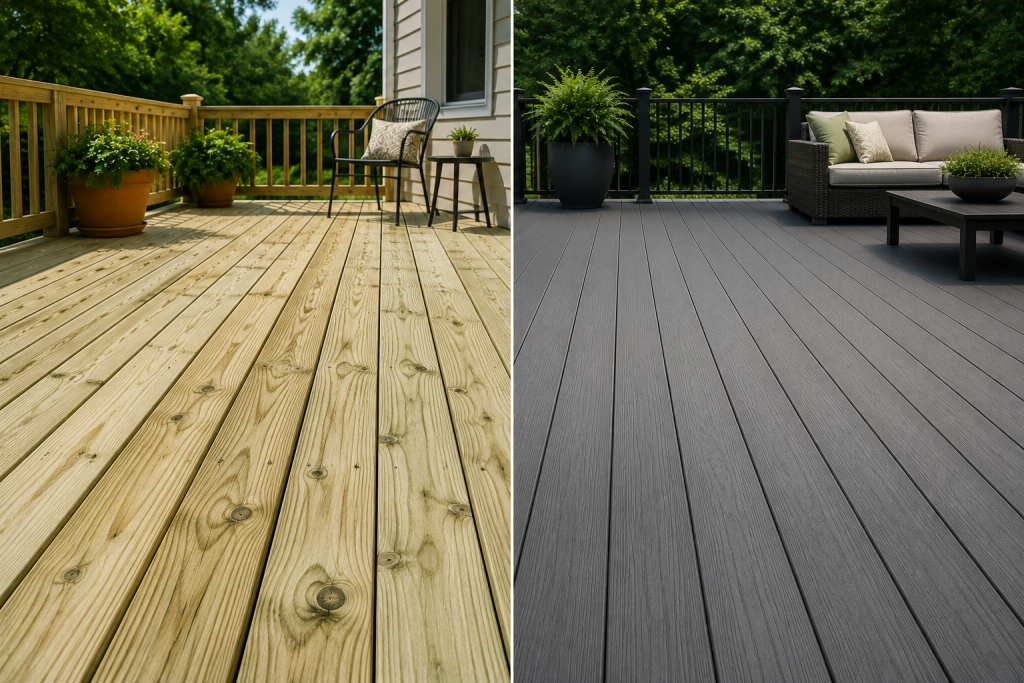
The following decking material comparison highlights the most important factors homeowners should consider before making a final decision.
| Factor | Pressure-Treated Wood | Composite Decking |
| Initial Cost | Lower | Higher |
| Maintenance | Regular sealing and staining | Minimal maintenance |
| Lifespan | 10–20 years | 25–50 years |
| Moisture Resistance | Moderate | Excellent |
| Insect Resistance | Good | Excellent |
| Appearance Consistency | Can fade and weather | More consistent |
| Warranty Coverage | Limited | Often 25+ years |
| Resale Appeal | Good | Excellent |
| Sustainability | Natural resource | Often uses recycled materials |
For homeowners focused on long-term convenience and predictable upkeep costs, composite decking often provides a more hands-off ownership experience. Those prioritizing a lower initial budget may still find pressure-treated wood to be a practical solution.
Cost Comparison Over 20 Years
Cost is often the deciding factor when homeowners compare pressure-treated wood vs composite decking. While pressure-treated lumber generally costs less upfront, the total expense over the life of the deck can tell a different story. A pressure-treated wood deck typically requires periodic sealing, staining, board replacement, and repairs to address weather-related wear. These recurring expenses can add up significantly over two decades. In contrast, composite decking has a higher installation cost but requires far less ongoing maintenance, reducing annual ownership expenses.
For example, a homeowner with a 300-square-foot deck may spend thousands of dollars on cleaning products, stain, sealant, and replacement boards throughout the deck’s lifespan. Composite owners usually avoid many of these costs, paying primarily for occasional cleaning and minor repairs if needed. When comparing pressure-treated wood vs composite decking, it is important to look beyond the purchase price and consider total ownership costs. In many cases, composite decking becomes more competitive over time because of its durability and reduced maintenance burden. The longer a homeowner plans to stay in the property, the more valuable these savings can become.
Deck Maintenance Comparison
Maintenance requirements can have a major impact on the overall ownership experience. When assessing pressure-treated wood vs composite decking, many homeowners discover that ongoing upkeep becomes just as important as the initial purchase price. Pressure-treated wood requires routine care to protect it from moisture, UV exposure, and everyday wear. Most decks need cleaning, staining, and sealing every few years to preserve their appearance and structural integrity. Homeowners should also inspect boards regularly for cracks, splinters, loose fasteners, and signs of rot or insect activity.
Composite decking offers a much simpler maintenance routine. In most cases, occasional washing with soap and water is enough to remove dirt, pollen, and surface debris. Since composite boards do not require staining or sealing, homeowners spend significantly less time and money maintaining their outdoor space. This deck maintenance comparison highlights one of the biggest differences between the two materials. Homeowners who enjoy hands-on maintenance may not mind caring for a wood deck, while those seeking convenience often prefer the lower-maintenance nature of composite products. Over the years, reduced upkeep can contribute to both cost savings and greater enjoyment of the deck.
Deck Lifespan Comparison
Lifespan is one of the most important long-term factors in the pressure-treated wood vs composite decking decision. While both materials can perform well when properly installed and maintained, their expected service life differs significantly based on material composition and exposure to environmental conditions. Pressure-treated wood decks typically last around 10 to 20 years, depending on climate, maintenance habits, and installation quality. In regions with heavy rainfall, humidity, or freeze-thaw cycles, such as the Midwest or Pacific Northwest, wood decks may experience accelerated wear if not properly maintained. Regular sealing and prompt repairs are essential to reaching the upper end of their lifespan range.
Composite decking generally offers a longer lifespan, often ranging from 25 to 50 years. Because it is engineered to resist moisture absorption, insect damage, and surface decay, it tends to maintain structural integrity and appearance for a longer period. Many manufacturers back their products with extended warranties, reinforcing expectations of long-term durability. This deck lifespan comparison makes it clear that while pressure-treated wood can be a solid short- to mid-term solution, composite decking is typically better suited for homeowners looking for long-term performance and reduced replacement frequency. The longer lifespan can also contribute to improved long-term property value and lower lifetime replacement costs.
Best Decking Material by Climate Region
Climate plays a major role in how well different outdoor materials perform, and the pressure-treated wood vs composite decking decision often comes down to regional weather conditions across the United States. A deck that performs well in a dry desert climate may struggle in a humid coastal environment or a region with heavy snow and freeze-thaw cycles. In humid regions like Florida and the Gulf Coast, moisture resistance is critical. Composite decking tends to perform better here because it resists rot, mold, and swelling caused by constant humidity and heavy rainfall. In contrast, pressure-treated wood requires frequent sealing to withstand prolonged moisture exposure.
In hot and sunny states like Texas and Arizona, UV exposure and heat retention become key considerations. Composite materials can sometimes retain more heat, but many modern products are engineered to reduce surface temperatures and resist fading. In colder climates such as the Midwest and Northeast, freeze-thaw cycles can cause wood to expand and contract, leading to cracking over time. Composite decking generally offers more stability in these environments, reducing long-term maintenance needs. Homeowners in drier mountain regions may find pressure-treated wood more manageable, as reduced moisture levels slow down deterioration. However, proper sealing is still necessary to maintain performance and appearance. Overall, selecting the right material depends heavily on regional climate stressors and how much maintenance a homeowner is willing to commit to over time.
Which Decking Material Adds More Home Value?
When homeowners evaluate pressure-treated wood vs composite decking, resale value and curb appeal often become deciding factors—especially for those planning to sell within the next 5 to 10 years. A well-built deck can significantly enhance outdoor living space, which is a major selling point in many U.S. housing markets. Pressure-treated wood decks generally appeal to buyers because of their natural appearance and lower initial construction cost. However, buyers may also factor in the likelihood of future maintenance, repairs, and refinishing when assessing overall value. A wood deck in good condition can still contribute positively to resale value, particularly in entry-level or budget-conscious housing markets.
Composite decking, on the other hand, is often viewed as a premium upgrade. Its low-maintenance nature and longer lifespan can make a property more attractive to buyers who prefer move-in-ready outdoor spaces. In competitive real estate markets, especially in suburban areas with strong outdoor living trends, composite decks can enhance perceived home value and improve buyer interest. Ultimately, both materials can improve resale appeal, but composite decking may offer a stronger long-term advantage in markets where buyers prioritize convenience and reduced upkeep over initial cost savings.
Sustainability and Environmental Impact
Sustainability is becoming an increasingly important factor in the pressure-treated wood vs composite decking decision, especially for homeowners focused on long-term environmental responsibility and material sourcing. Pressure-treated wood is made from natural lumber, often sourced from fast-growing species such as Southern Yellow Pine. While wood is a renewable resource, the chemical treatment process used to protect it from rot and insects can raise environmental considerations. Disposal at the end of its life cycle may also require special handling depending on local regulations and material condition.
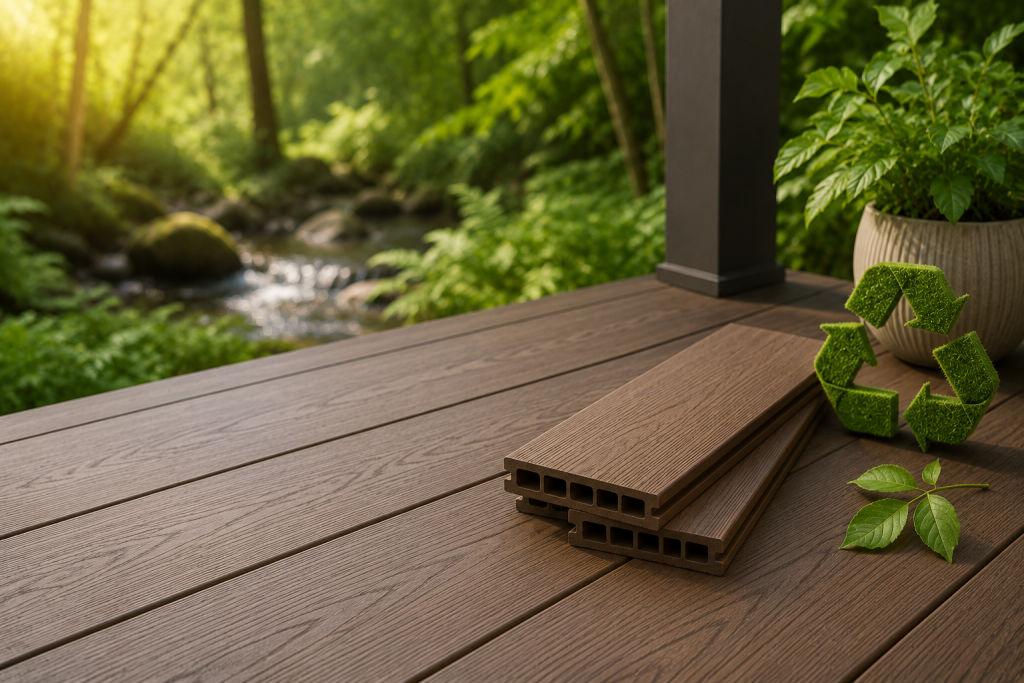
Composite decking is manufactured using a blend of recycled plastics and wood fibers, which helps reduce landfill waste and repurpose existing materials. Brands like Trex and Fiberon emphasize recycled content in their products, positioning composite decking as a more environmentally conscious option in many cases. However, composite materials are not biodegradable, which means they remain in the waste stream longer once removed.
From a regulatory standpoint, organizations like the EPA and ENERGY STAR encourage sustainable building practices that reduce waste and improve material efficiency in residential construction. While neither option is perfect, composite decking often edges ahead in sustainability discussions due to its recycled content and reduced need for chemical maintenance products over time. Ultimately, environmentally conscious homeowners should weigh material sourcing, chemical treatments, and end-of-life disposal when choosing between these two decking options.
When Pressure-Treated Wood vs Composite Decking Makes Pressure-Treated Wood the Better Choice
Even with the rise of modern composites, pressure-treated lumber still has a strong place in residential decking. In the pressure-treated wood vs composite decking decision, wood often makes the most sense for homeowners who prioritize upfront savings and traditional aesthetics over long-term maintenance reduction. Pressure-treated wood is typically the better choice for budget-focused projects where initial cost control is the primary concern. It allows homeowners to build a functional outdoor space at a significantly lower entry price compared to composite systems. This makes it especially attractive for first-time homeowners, rental properties, or short-term residence plans.
It is also a practical option for DIY builders. Wood is easier to cut, fasten, and modify on-site, which reduces installation complexity for those with basic carpentry skills. Many contractors also prefer working with pressure-treated lumber for straightforward deck designs due to its familiarity and flexibility. In regions with moderate climates—where extreme humidity, salt exposure, or constant freeze-thaw cycling is less of a concern—pressure-treated decks can perform reliably with proper upkeep. Regular sealing and staining help extend lifespan and maintain appearance, especially when aligned with manufacturer recommendations and building guidelines such as the International Residential Code (IRC). For homeowners willing to commit to ongoing maintenance, pressure-treated wood remains a cost-effective and widely available decking solution.
When Composite Decking Is the Better Choice
In the pressure-treated wood vs composite decking decision, composite materials often become the preferred option for homeowners focused on long-term performance, convenience, and modern outdoor living expectations. Composite decking is the better choice for homeowners planning to stay in their property for many years. Its extended lifespan and resistance to moisture, insects, and surface decay make it a strong long-term investment. Unlike wood, it does not require seasonal staining or sealing, which significantly reduces ongoing maintenance demands and long-term upkeep costs.
It is also ideal for busy households that want a low-effort outdoor space. With composite boards, routine cleaning is typically all that is needed to maintain appearance. This makes it especially appealing in suburban neighborhoods where homeowners value curb appeal without the time commitment of wood maintenance. In high-moisture or high-UV regions such as Florida, the Gulf Coast, and the Southwest, composite decking performs particularly well due to its engineered resistance to environmental stress. Many modern products from manufacturers like TimberTech and MoistureShield are specifically designed to handle these challenging conditions. Composite decking is also commonly chosen for higher-end home upgrades where resale value and buyer appeal are important. In many markets, buyers view it as a premium feature that signals lower future maintenance costs. Overall, composite decking is best suited for homeowners prioritizing durability, convenience, and long-term value over lower upfront costs.
Final Verdict
Choosing between pressure-treated wood vs composite decking ultimately comes down to budget, lifestyle, and long-term ownership goals. Both materials can deliver a functional and attractive outdoor living space, but they serve different types of homeowners. Pressure-treated wood remains the best option for those who want the lowest upfront cost and prefer a natural wood appearance. It is widely available, easy to work with, and suitable for homeowners who are comfortable performing regular maintenance such as sealing and staining. For short-term homeowners or DIY-focused projects, it continues to be a practical and accessible solution. Composite decking, on the other hand, is the stronger long-term investment among today’s outdoor deck materials. It offers superior durability, reduced maintenance requirements, and a longer lifespan, making it ideal for homeowners who want a low-maintenance outdoor space. While the initial cost is higher, the reduced upkeep and extended service life often balance the investment over time. In the end, there is no universal winner only the right choice for your specific situation. If upfront savings matter most, pressure-treated wood is a solid option. If long-term convenience, durability, and resale appeal are priorities, composite decking is typically the better choice for modern American homes evaluating different outdoor deck materials.
Frequently Asked Questions
In pressure-treated wood vs composite decking, is composite decking worth the extra cost?
For many homeowners, yes. In the pressure-treated wood vs composite decking comparison, composite decking has a higher upfront cost but typically requires far less maintenance over time. When factoring in sealing, staining, and repair expenses commonly associated with pressure-treated wood, composite decking can become the more cost-effective option for long-term ownership.
Does composite decking get hotter than wood?
Composite decking can retain more heat than pressure-treated wood, especially in direct sunlight. However, newer products from brands like Trex and TimberTech include heat-mitigating technology designed to reduce surface temperatures.
How long does pressure-treated decking last?
With proper maintenance, pressure-treated wood decks typically last 10 to 20 years. Lifespan depends heavily on climate, installation quality, and how consistently the deck is sealed and maintained.
Which decking material requires less maintenance?
Composite decking requires significantly less maintenance. Occasional cleaning is usually enough, whereas wood decks require periodic staining, sealing, and inspections to maintain performance.
Can composite decking increase home value?
Yes, in many markets. Composite decks are often viewed as a premium feature because they offer durability and low maintenance, which can appeal to potential buyers looking for move-in-ready outdoor spaces.
What is the biggest difference between wood and composite decking?
The biggest difference is maintenance and lifespan. Pressure-treated wood is more affordable upfront but requires ongoing care, while composite decking costs more initially but offers long-term convenience and durability.