


Common Problems With Modern Interior Design (and How to Fix Them)
Modern interior design has become one of the most popular styles among American homeowners. Clean lines, open floor plans, neutral color palettes, and minimalist aesthetics can make a home look sophisticated and timeless. From newly built homes in Dallas and Phoenix to renovated properties in Chicago and Denver, modern interiors continue to dominate residential design trends. However, many homeowners discover that visual appeal does not always translate into everyday comfort. Some spaces feel cold, impersonal, or difficult to live in. Others struggle with functionality, storage limitations, poor acoustics, or layouts that fail to support daily routines. These challenges often emerge after the excitement of a renovation or redesign wears off. Understanding the most common Problems with modern interior design can help homeowners avoid costly mistakes and create spaces that are both stylish and practical. The good news is that most of these issues can be corrected without abandoning a modern aesthetic. By making thoughtful design adjustments, homeowners can improve comfort, increase functionality, and protect long-term resale value while maintaining the clean, contemporary look they love. In this guide, we’ll explore the most common Problems with modern interior design and the practical solutions that can make modern homes more welcoming, livable, and homeowner-friendly.
Why Homeowners Experience Problems With Modern Interior Design
Modern interiors are often designed around aesthetics first, but homeowners live with functionality every day. This disconnect is one of the main reasons many people encounter Problems with modern interior design after moving into a newly built or remodeled home. What looks impressive in a magazine or showroom may not always support the realities of family life, entertaining, remote work, or long-term comfort. Many contemporary homes prioritize open spaces, minimal visual clutter, and streamlined furnishings. While these features create a clean appearance, they can also introduce challenges related to storage, privacy, acoustics, and comfort. Some homeowners even discover that certain modern design mistakes make rooms feel less inviting over time. The most successful modern homes balance beauty with practicality. When design decisions consider both appearance and everyday use, homeowners can enjoy a space that feels stylish, functional, and comfortable for years to come.
Problems With Modern Interior Design That Make Spaces Feel Cold
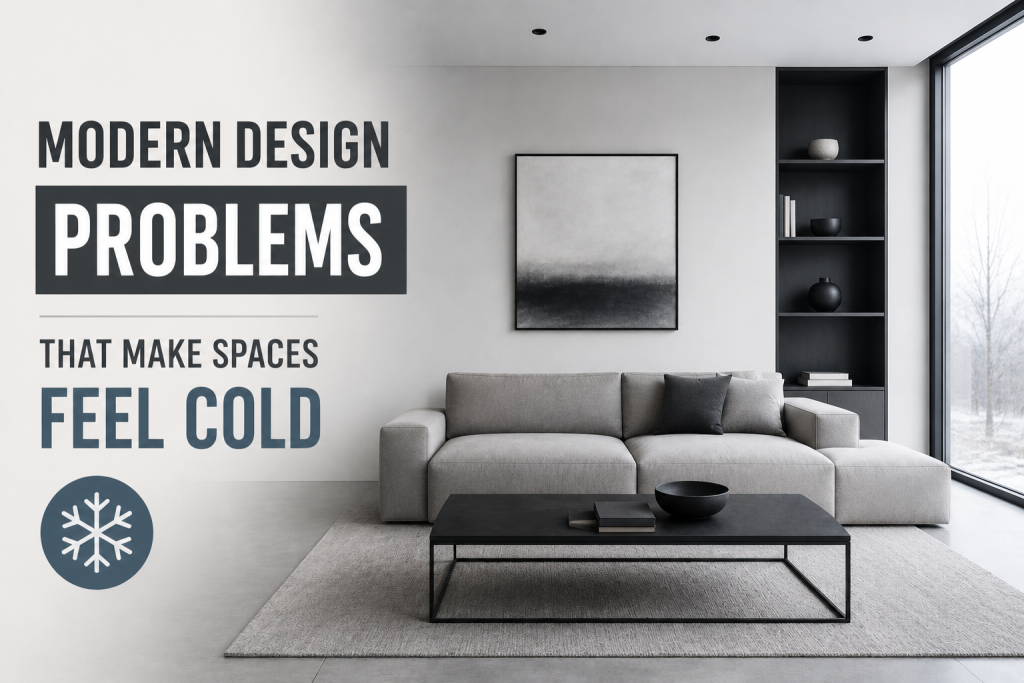
One of the most common Problems with modern interior design is the tendency for spaces to feel cold or unwelcoming. While clean lines and minimalist aesthetics can create a polished appearance, excessive simplicity often removes the elements that make a house feel like a home. This issue is especially noticeable in large open-concept homes where hard surfaces, neutral colors, and limited décor dominate the space.
Too Much Minimalism
Minimalism can improve visual clarity, but taking it too far often results in sterile-looking interiors. Homeowners may remove personal touches, artwork, and decorative elements in pursuit of a sleek aesthetic. Over time, these modern home problems can make living spaces feel impersonal and lacking in character.
Lack of Texture and Layering
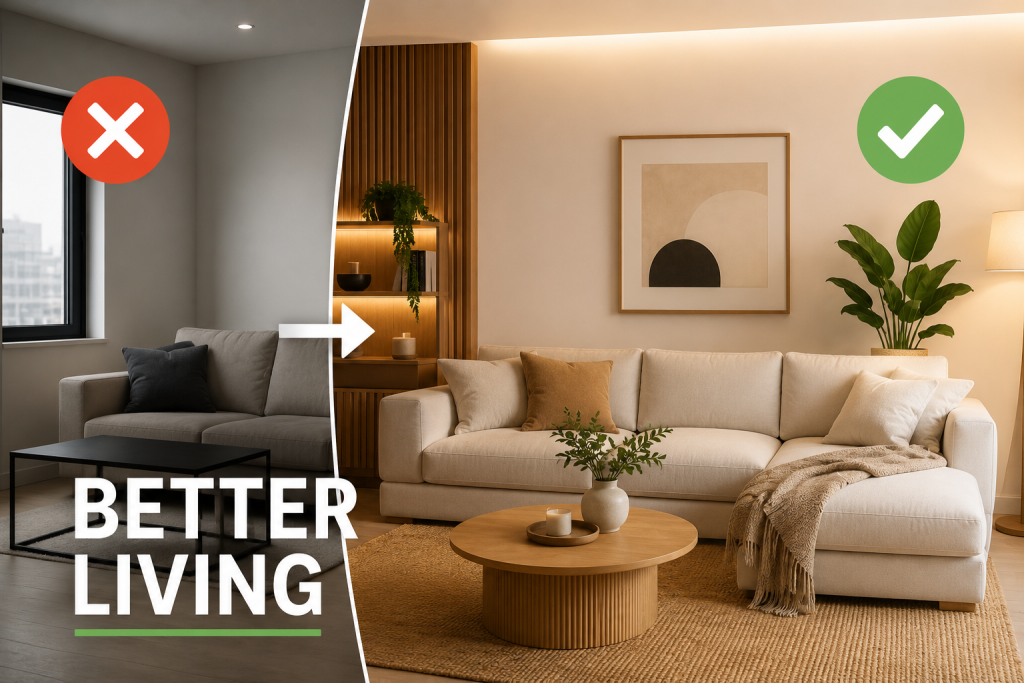
Modern interiors frequently rely on smooth materials such as glass, metal, and polished stone. Without contrasting textures, rooms can appear flat and uncomfortable. Adding natural wood, woven fabrics, textured rugs, and layered lighting helps create warmth while preserving a contemporary look. These simple updates are among the most effective solutions for reducing Problems with modern interior design without compromising style.
Problems With Modern Interior Design in Open-Concept Homes
Open-concept layouts remain a defining feature of contemporary homes, but they can also contribute to several Problems with modern interior design when space planning is overlooked. By removing walls between kitchens, dining areas, and living rooms, homeowners gain flexibility and natural light. However, without proper zoning, these large spaces can feel disorganized and difficult to use efficiently.
Poor Space Definition
One of the most common modern room layout mistakes is failing to create clear functional zones. When furniture placement does not establish boundaries, rooms can appear scattered and lack a natural flow. Area rugs, lighting fixtures, and furniture groupings help define separate spaces without sacrificing openness.
Noise and Privacy Issues
Open floor plans allow sound to travel freely throughout the home. Conversations, television noise, and kitchen activity can easily disrupt other areas. Soft furnishings, acoustic panels, and strategic room dividers can improve privacy and reduce everyday distractions while maintaining a modern aesthetic. These adjustments can significantly reduce Problems with modern interior design in busy households.
Common Modern Design Mistakes That Hurt Functionality
A beautiful home should also support the way people live. Unfortunately, some of the most common Problems with modern interior design stem from decisions that prioritize appearance over practicality. Homeowners often focus on achieving a clean, uncluttered look without considering long-term functionality. Limited storage is a frequent concern. Built-in storage solutions are sometimes minimized to maintain sleek aesthetics, leaving homeowners with fewer places to organize everyday items. Oversized furniture can create another challenge, making rooms feel cramped despite having an open layout. These issues are among the most overlooked modern decorating mistakes in contemporary homes. Traffic flow also plays a major role in usability. Furniture that blocks walkways or disrupts movement can make even large rooms feel uncomfortable. By planning layouts around daily routines, homeowners can avoid many Problems with modern interior design while creating spaces that remain both attractive and highly functional.
How to Make Modern Homes Feel Warm Without Losing Style
Many homeowners search for ways to improve comfort without abandoning the clean aesthetic that defines contemporary interiors. Learning how to make modern homes feel warm starts with introducing elements that add character, texture, and visual balance. Fortunately, warmth and modern design can work together when applied thoughtfully. Natural materials are often the most effective solution. Wood furniture, exposed wood accents, woven baskets, and textured fabrics help soften hard surfaces commonly found in contemporary spaces. Layered lighting is equally important. Combining ambient, task, and accent lighting creates depth while reducing the harsh, sterile atmosphere that can make a room feel less inviting and comfortable. Color also plays a significant role. Instead of relying exclusively on bright whites and cool grays, homeowners can incorporate warmer neutrals inspired by natural materials. These subtle adjustments create a more welcoming atmosphere while preserving the simplicity and sophistication associated with modern design.
Modern Interior Fixes That Improve Comfort and Livability
Many Problems with modern interior design can be resolved through targeted improvements rather than major renovations. The most effective modern interior fixes focus on enhancing comfort, functionality, and everyday usability while maintaining a contemporary appearance. One practical strategy is creating flexible living zones. Furniture arrangements that support multiple activities, such as working, entertaining, and relaxing, make spaces more adaptable to changing household needs. Improved lighting plans can also transform a room’s atmosphere. Combining natural light with layered fixtures helps eliminate dark corners and creates a more balanced environment. Acoustic comfort is another often-overlooked factor. Soft furnishings, upholstered furniture, and area rugs can reduce echo and improve sound quality throughout the home. Homeowners who address these concerns often notice a significant improvement in everyday comfort, resulting in spaces that feel more practical, functional, and enjoyable for daily living.
Modern Home Solutions for Long-Term Value
Homeowners should evaluate design decisions not only for appearance but also for their long-term impact on comfort, maintenance, and resale value. The best modern home solutions combine timeless design principles with practical features that continue to perform well as household needs evolve. Energy efficiency is one area where thoughtful upgrades can provide lasting benefits. High-performance windows, quality insulation, and efficient lighting systems can lower utility costs while improving indoor comfort. Homeowners should also prioritize durable materials that withstand daily wear without requiring frequent replacement. Flexibility is equally important. Spaces designed to accommodate changing lifestyles tend to retain their appeal longer than highly specialized layouts. By focusing on functionality, adaptability, and comfort, homeowners can minimize future Problems with modern interior design while protecting their investment. A balanced approach helps ensure that modern interiors remain attractive, livable, and desirable for years to come.
Conclusion
Modern interiors offer a timeless blend of simplicity, elegance, and functionality, but they are not without challenges. Many homeowners eventually encounter design issues when aesthetics take priority over comfort, storage, or everyday usability. Problems such as overly minimalist spaces, poorly defined open-concept layouts, and limited visual warmth can affect how a home feels and functions over time. Fortunately, most of these concerns can be addressed through thoughtful planning and strategic improvements. Adding texture, improving lighting, enhancing storage, and creating better room flow can dramatically increase comfort without sacrificing a contemporary aesthetic. Homeowners who balance style with practicality are more likely to create spaces that remain attractive, functional, and enjoyable for years to come. By understanding these common challenges and implementing the right solutions, homeowners can create interiors that support modern living while preserving long-term value, comfort, and appeal.
Frequently Asked Questions
What are the biggest Problems with modern interior design?
The most common Problems with modern interior design include overly minimalist spaces, poor storage planning, lack of visual warmth, acoustic issues in open-concept layouts, and furniture arrangements that prioritize appearance over functionality. While modern interiors can look elegant, they often require thoughtful adjustments to support everyday living.
Why do modern homes sometimes feel cold?
Many modern homes rely heavily on neutral color palettes, hard surfaces, and minimal decoration. Without natural textures, layered lighting, or personal elements, rooms can feel sterile rather than welcoming. Adding wood accents, textiles, and warm-toned finishes can create a more comfortable atmosphere.
Are open-concept layouts still a good choice?
Open-concept homes remain popular because they improve natural light and create a sense of spaciousness. However, homeowners should carefully plan furniture placement, traffic flow, and sound control to avoid common Problems with modern interior design associated with large shared spaces.
How can I improve the functionality of a modern home?
Focus on storage, flexible furniture arrangements, layered lighting, and practical room layouts. Design choices that support daily routines generally perform better over time than purely aesthetic decisions.
Do modern interiors affect resale value?
Well-designed modern interiors can positively influence resale value. Buyers often appreciate clean, updated spaces, but functionality and comfort remain just as important as appearance when evaluating a home.