


Home Remodeling Budget Types Explained
Understanding remodeling budget types is one of the most important steps before starting any home renovation project. In the US housing market, budget structure often determines whether a remodel stays on track or runs into costly overruns. Homeowners typically focus on design and materials first, but without a clear budgeting framework, even small projects can exceed expectations. Different remodel budgeting methods exist depending on financial flexibility, project size, and risk tolerance. Some homeowners prefer strict cost control, while others allow more flexibility to adjust during construction. Choosing the right structure helps prevent overspending, reduces stress, and improves decision-making throughout the renovation process. A well-planned budget also helps prioritize essential work, manage contractor expectations, and allocate funds efficiently across labor, materials, and permits.
What Are Remodeling Budget Types?
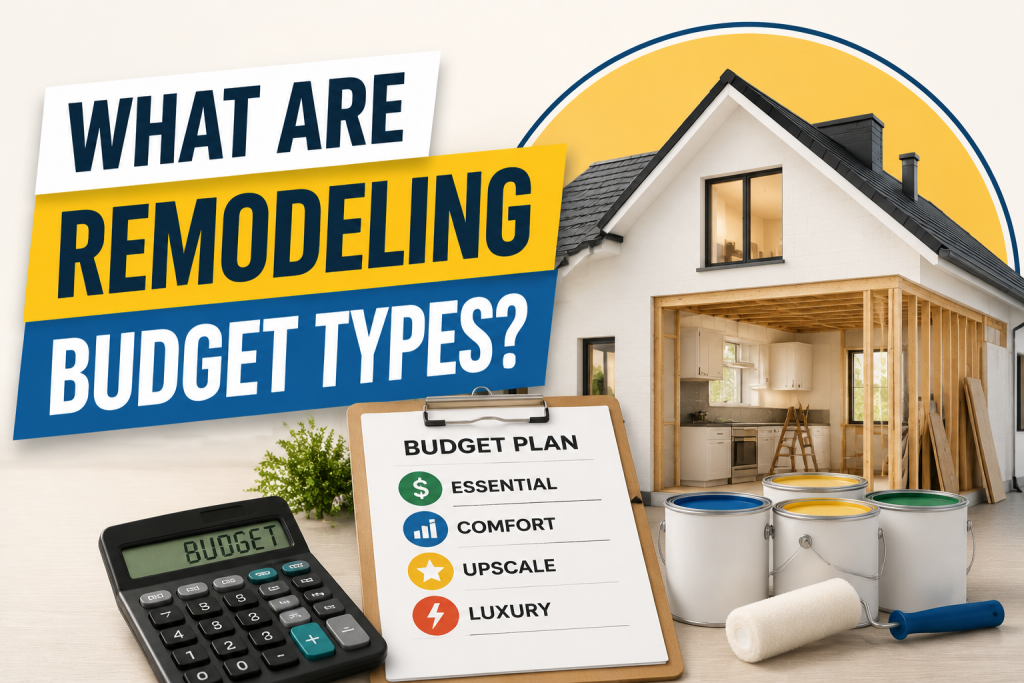
Remodeling budget types refer to the different ways homeowners structure and control spending during a renovation project. Instead of treating a remodel as one fixed expense, budgeting types break costs into systems that guide decision-making, risk management, and financial planning throughout the project. In most home improvement financial planning, budget types generally fall into structured approaches such as fixed, flexible, or phased models.
Each method reflects how much control a homeowner wants over costs versus how much adaptability they allow during construction. For example, a fixed approach prioritizes strict cost limits, while a flexible model allows adjustments based on unexpected changes or upgrades. Choosing the right budgeting method is critical because it directly impacts renovation planning strategies, contractor negotiations, and final project outcomes. Without a clear structure, homeowners often experience scope creep, where costs gradually increase beyond the original plan due to untracked decisions or mid-project changes.
Fixed Renovation Budget Explained
A fixed renovation budget is one of the most controlled remodel budgeting methods, where homeowners set a strict spending limit before any work begins and commit to staying within that cap. This approach is commonly used in smaller to mid-size remodels where scope is clearly defined and unexpected changes are minimized. In practice, a fixed budget requires detailed upfront planning, including material selection, contractor bids, and contingency allocation.
Most homeowners using this approach include a small buffer (typically 10–15%) to handle minor issues, but the overall goal is to prevent any significant deviation from the original cost plan. The advantage of a fixed structure is predictability. It helps prevent overspending and keeps remodeling expense categories tightly controlled across labor, materials, and permits. However, it can also limit flexibility, if unexpected structural issues arise or design changes are desired, adjustments may require cutting costs elsewhere rather than expanding the budget.
Flexible Remodeling Budget Explained
A flexible remodeling budget is one of the most adaptable remodel budgeting methods, allowing homeowners to adjust spending as a project evolves. Instead of locking into a strict cost ceiling, this approach builds in room for changes based on material availability, contractor recommendations, or unexpected issues uncovered during construction. This model is commonly used in larger or more complex renovations where full scope is not always known at the start.
For example, older homes in cities like Chicago or Boston often reveal hidden structural or system issues once walls or flooring are opened, making flexibility essential for realistic renovation planning strategies. While this approach reduces the risk of stopping work mid-project, it can also increase total costs if not carefully monitored. Without discipline, remodeling expense categories such as labor or material upgrades can expand beyond expectations. Successful use of a flexible budget requires strong tracking and regular cost reviews to maintain financial control.
Phased Renovation Budgeting Strategy
Phased renovation budgeting is a structured approach within remodeling budget types where a project is divided into stages and funded over time instead of all at once. This method is especially useful for homeowners who want to manage cash flow while still completing large-scale improvements. Typically, phases are organized by priority. The first phase focuses on essential systems like roofing, electrical, or plumbing.
The second phase covers functional upgrades such as kitchens and bathrooms, while the final phase addresses cosmetic improvements like flooring, paint, and fixtures. This structure helps align spending with both urgency and available funds. One of the biggest advantages of this approach is control over remodeling expense categories, allowing homeowners to adjust priorities if costs rise or financial conditions change. It also reduces the risk of overextending a budget in a single stage, making it a practical home improvement financial planning strategy for long-term renovation projects.
Remodeling Expense Categories Breakdown
Understanding remodeling expense categories is essential for effective home improvement financial planning, because most budget overruns happen when costs are not clearly separated or tracked. A well-structured budget typically divides expenses into a few core buckets that apply across nearly all US home renovation projects. The largest category is usually labor, which can account for a significant portion of total costs depending on project complexity and local market rates.
Materials come next, covering everything from framing and drywall to finishes like flooring, cabinets, and fixtures. Permits and inspections are another important category, especially for structural, electrical, or plumbing work that must comply with local building codes. Design fees, project management costs, and contingency funds also play a key role in complete remodel budgeting methods. The contingency portion is especially important, as it covers unexpected issues such as hidden damage or material price changes. Proper categorization ensures better cost control and fewer surprises during construction.
How to Choose the Right Remodeling Budget Type
Choosing the right remodeling budget types depends on three core factors: project complexity, financial stability, and risk tolerance. There is no universal model that fits every renovation, so homeowners need to match their budgeting approach to the realities of their specific project. A fixed renovation budget works best for smaller, well-defined projects where costs are easy to estimate and scope changes are unlikely. It provides strong control over home improvement financial planning and helps prevent overspending.
A flexible remodeling budget, on the other hand, is better suited for larger or unpredictable renovations, such as older homes or full-scale remodels where hidden issues may appear. This approach supports adaptive renovation planning strategies, but requires active cost tracking. For long-term or multi-stage projects, phased renovation budgeting is often the most practical option. It allows homeowners to spread costs over time while prioritizing essential work first, making it ideal for managing cash flow and reducing financial pressure.
Home Improvement Financial Planning Best Practices
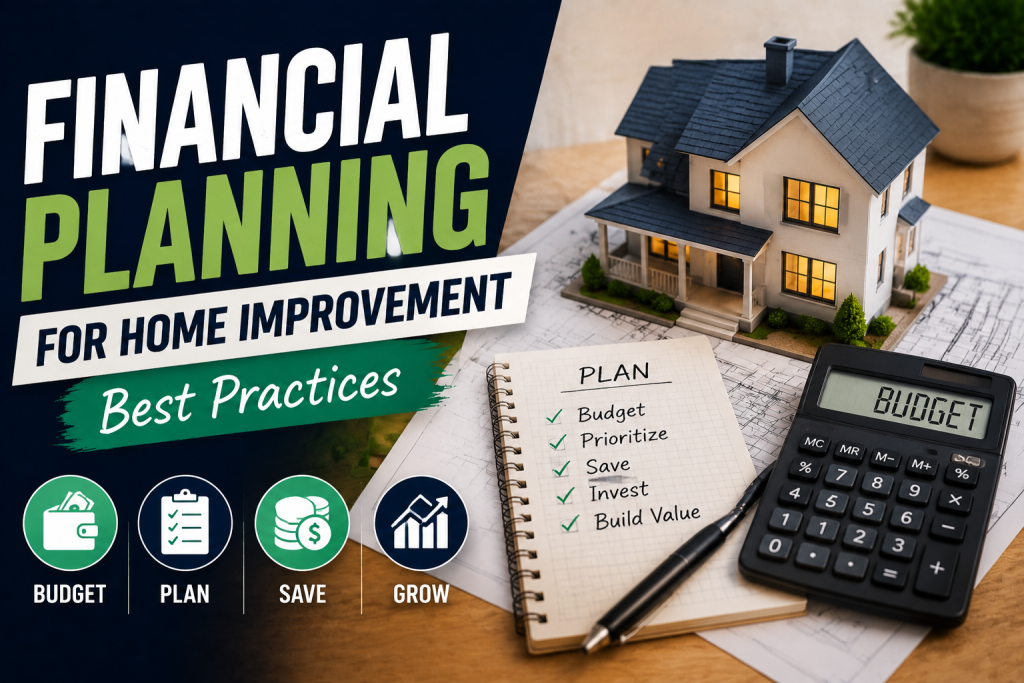
Effective home improvement financial planning is what separates well-controlled renovations from projects that spiral into budget overruns. No matter which remodeling budget types you choose, the planning process determines how accurately you can manage costs from start to finish. One of the most important best practices is building a realistic contingency fund.
Most US contractors recommend setting aside 10%–20% of the total budget to cover unexpected issues such as hidden structural damage, material price increases, or change orders. This buffer is essential for all remodel budgeting methods, especially flexible and phased approaches. Another key strategy is breaking costs into detailed remodeling expense categories and tracking them separately. This includes labor, materials, permits, and design fees, allowing homeowners to quickly identify overspending areas. Comparing multiple contractor bids and documenting every change during construction also improves financial control and reduces the risk of scope creep.
Common Budgeting Mistakes Homeowners Make
Even with well-defined remodeling budget types, many homeowners run into financial trouble because of avoidable planning mistakes. One of the most common issues is underestimating total project costs by focusing only on materials and ignoring labor, permits, and contingency needs. This creates unrealistic expectations and often leads to budget overruns. Another frequent mistake is failing to properly structure remodeling expense categories, which makes it difficult to track where money is actually going during the project.
Without clear separation of labor, materials, and design costs, spending can quickly become unbalanced. Scope creep is also a major problem in home improvement financial planning, where small upgrades or design changes accumulate into significant additional costs. Homeowners often approve these changes mid-project without recalculating the budget impact. Finally, many people skip the contingency fund entirely, leaving no financial cushion for unexpected issues, one of the biggest risks in any renovation.
Conclusion
Understanding remodeling budget types is essential for controlling costs and ensuring a successful renovation. Whether you choose a fixed renovation budget, a flexible remodeling budget, or a phased renovation budgeting approach, each method plays a different role in managing risk, cash flow, and project complexity. Strong home improvement financial planning helps homeowners avoid common pitfalls like scope creep, underestimated labor costs, and poorly structured remodeling expense categories. The right budgeting strategy depends on your project size, financial stability, and how much flexibility you need during construction. Ultimately, the best approach is the one that gives you control without limiting necessary adjustments, ensuring your renovation stays both financially and structurally sound.
FAQ About Remodeling Budget Types
What are the main remodeling budget types?
The main remodeling budget types include fixed renovation budgets, flexible remodeling budgets, and phased renovation budgeting. Each method offers a different level of control, adaptability, and long-term planning structure depending on project size and complexity.
What is a fixed renovation budget best used for?
A fixed renovation budget works best for small to mid-size projects with clearly defined scope and minimal uncertainty. It helps maintain strict cost control within home improvement financial planning and reduces the risk of overspending.
When should I use a flexible remodeling budget?
A flexible budget is ideal for large or unpredictable renovations where costs may change due to hidden issues or design adjustments. It supports adaptive renovation planning strategies, but requires careful tracking.
What is phased renovation budgeting?
Phased renovation budgeting breaks a project into stages over time, allowing homeowners to spread costs and prioritize essential work first.