


How Remodeling Trends Home Value Relationships Impact Homeowners
Home remodeling is no longer just about making a house look better. In today’s competitive real estate market, the upgrades homeowners choose can directly influence how buyers perceive a property and how much they are willing to pay for it. As buyer expectations evolve, certain renovation projects become more desirable while others lose their appeal. Understanding current remodeling trends helps homeowners make smarter investment decisions. Features that were considered premium a decade ago may now be viewed as standard, while newer upgrades such as energy-efficient windows, open-concept layouts, and smart home technology often attract stronger buyer interest. This shift in demand can significantly impact resale performance.
The connection between remodeling trends home value is especially important for homeowners planning to sell within the next few years. Buyers are increasingly looking for homes that require fewer updates after purchase, making trend-aligned improvements more attractive in many markets. From curb appeal improvements in suburban neighborhoods to energy-saving upgrades in colder regions, remodeling choices can influence appraisal values, marketability, and overall return on investment. By understanding how trends shape buyer behavior, homeowners can prioritize projects that support both long-term enjoyment and future property value.
How Remodeling Trends Home Value Connections Influence Buyer Decisions
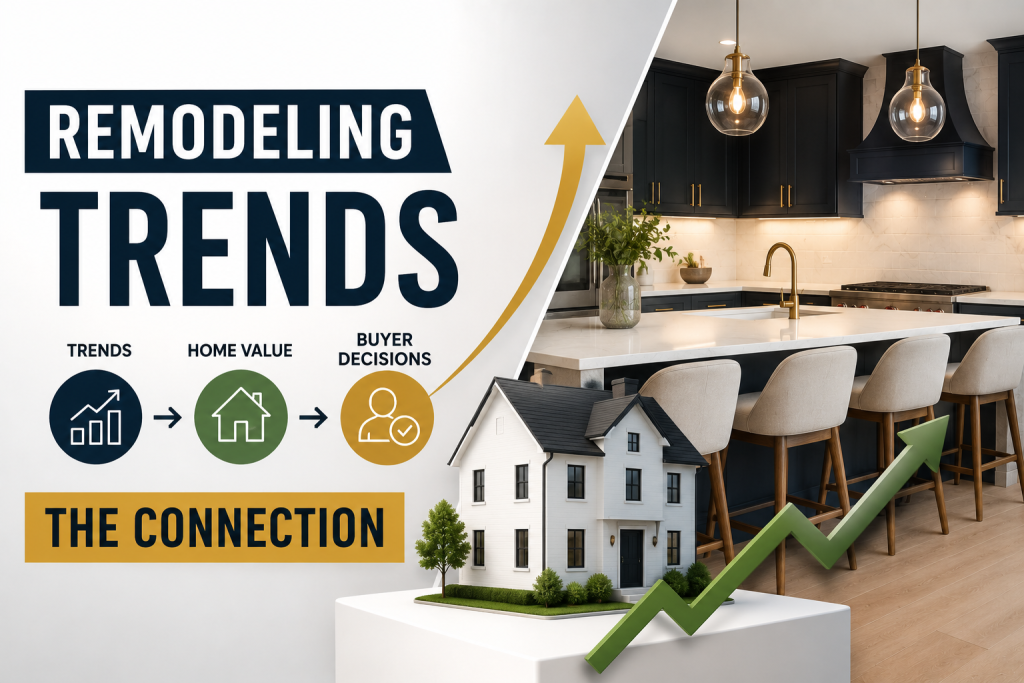
The relationship between remodeling trends home value is largely driven by buyer expectations. When prospective buyers compare multiple properties in the same market, they often gravitate toward homes that reflect current design preferences, functional layouts, and modern conveniences. As a result, homes that align with popular remodeling trends frequently attract more attention and stronger offers. For homeowners, this means that renovation decisions should not be based solely on personal preferences. Understanding what today’s buyers value can help prioritize upgrades that improve both market appeal and long-term property performance.
Changing Buyer Preferences Shape Property Demand
Homebuyers today often look beyond square footage and location. They pay close attention to functionality, energy efficiency, storage solutions, and updated living spaces. Features such as larger kitchen islands, dedicated home offices, and improved indoor-outdoor living areas have become increasingly desirable across many U.S. housing markets. These evolving expectations contribute to stronger demand for properties that reflect current buyer preferences. Homes that fail to keep pace with changing trends may remain on the market longer or require price reductions to attract interest.
Modern Expectations Impact Market Competitiveness
Competition among sellers can be intense, particularly in desirable neighborhoods. Buyers frequently compare similar properties side by side, making updated features an important differentiator. Renovations that improve convenience, aesthetics, and efficiency can help a property stand out while creating a more favorable first impression. In many markets, strategically planned modern home upgrades can enhance perceived value without requiring a complete home transformation. When buyers see a home that aligns with current lifestyle expectations, they are often more confident in paying a premium compared to properties that feel outdated.
Why Remodeling Trends Home Value Relationships Matter More Than Ever
Housing markets continue to evolve as technology, energy costs, and homeowner priorities change. Buyers are no longer evaluating homes based solely on appearance. They also consider long-term operating costs, maintenance requirements, and the ability of a property to support modern lifestyles. This shift has strengthened the connection between remodeling trends home value, making strategic upgrades more important than ever for homeowners planning future resale. Many of today’s most valuable renovations focus on efficiency, convenience, and durability. These improvements not only enhance daily living but can also increase buyer confidence when a property enters the market.
Energy Efficiency Becomes a Selling Point
Energy-efficient homes have gained significant attention across the United States. Rising utility costs and growing awareness of sustainability encourage buyers to look for features that reduce monthly expenses. Upgrades such as ENERGY STAR-certified windows, improved insulation, high-efficiency HVAC systems, and modern roofing materials can make a property more attractive. As remodeling trends home value continue to influence purchasing decisions, energy-saving improvements often provide a competitive advantage in regions with extreme temperatures, including Texas, Arizona, and Illinois. Buyers increasingly view these upgrades as practical investments rather than optional features, helping support stronger home values over time.
Smart Home Features Continue Gaining Popularity
Technology has become a key factor in many home-buying decisions. Smart thermostats, video doorbells, security systems, and automated lighting offer convenience while improving energy management and home security. Although technology alone may not dramatically increase appraised value, it can enhance a property’s overall appeal. When combined with thoughtful renovations, smart home features help create a modern living experience that resonates with today’s buyers. This growing demand demonstrates how remodeling trends home value relationships continue to evolve alongside changing consumer expectations.
Popular Renovations That Reflect Current Remodeling Trends Home Value Growth
Not all remodeling projects deliver the same impact on property value. Some upgrades consistently attract buyer attention because they improve both functionality and visual appeal. Homeowners who focus on projects that align with current market demand are often in a stronger position when it comes time to sell. The strongest-performing renovations typically address spaces buyers use every day while also reducing future maintenance concerns. These improvements can increase perceived value and help a home compete more effectively against similar properties in the market.
Kitchen and Bathroom Upgrades
Kitchens and bathrooms remain two of the most influential areas in residential real estate. Buyers often view these spaces as indicators of a home’s overall condition and maintenance history. Updated cabinetry, quartz countertops, modern fixtures, walk-in showers, and improved lighting continue to attract attention from prospective buyers. Because these projects directly impact everyday living, they are frequently considered resale-friendly renovations. As remodeling trends home value continue to influence purchasing decisions, thoughtful improvements that balance quality and practicality often perform well across a wide range of housing markets, even when luxury upgrades do not deliver proportional returns.
Exterior Improvements and Siding Replacements
Exterior upgrades can significantly influence how buyers perceive a property before they even step inside. New siding, updated roofing, modern entry doors, and energy-efficient windows contribute to a home’s appearance while also improving durability and efficiency. Products from manufacturers such as James Hardie, LP SmartSide, and GAF remain popular choices among homeowners seeking long-term performance. Exterior remodeling projects are particularly valuable because they enhance first impressions, reduce maintenance concerns, and reinforce the connection between remodeling trends home value in the minds of potential buyers.
Regional Remodeling Trends Across the United States
Remodeling priorities often vary by region because homeowners face different climate challenges, building requirements, and buyer expectations. A renovation that delivers strong value in one part of the country may have less impact in another. Understanding these regional differences can help homeowners make smarter investment decisions and choose upgrades that align with local market demand. Buyers typically prefer homes that are well-suited to their environment. As a result, location-specific improvements can play an important role in strengthening the relationship between remodeling trends home value across different housing markets.
Southern States and Hurricane-Resistant Upgrades
In states such as Florida and Texas, storm protection is often a major selling point. Buyers frequently look for impact-resistant windows, reinforced roofing systems, upgraded drainage solutions, and durable exterior materials that can withstand severe weather conditions.
These improvements may also support insurance benefits while reducing future repair concerns. As remodeling trends home value continue to reflect regional priorities, resilience-focused projects provide both practical advantages and increased buyer confidence for homeowners in hurricane-prone areas.
Northern States and Energy-Saving Improvements
Homeowners in colder regions such as Illinois and Colorado often prioritize upgrades that improve comfort during long winters. Enhanced insulation, high-performance windows, weather-resistant siding, and efficient heating systems remain popular investments. Buyers in these markets tend to appreciate homes with lower energy costs and improved indoor comfort. As energy efficiency continues to influence purchasing decisions, region-specific upgrades can contribute to stronger market appeal and long-term property value.
The Role of Curb Appeal in Property Valuation
First impressions can have a significant influence on how buyers evaluate a home. Before stepping through the front door, prospective buyers often form opinions based on the property’s exterior appearance, maintenance condition, and overall presentation. A well-maintained exterior can create a sense of confidence, while visible signs of neglect may raise concerns about the rest of the home. Because buyer perceptions are often shaped within the first few moments of a showing, exterior improvements remain an important factor in the connection between remodeling trends home value and marketability.
Exterior Design Trends Buyers Notice
Today’s buyers are paying closer attention to exterior aesthetics than ever before. Modern siding colors, updated front doors, architectural lighting, and clean landscaping can help a property feel more current and inviting. Many of the latest curb appeal trends focus on creating a polished appearance without excessive maintenance. Homeowners who incorporate timeless design elements often benefit from broader buyer appeal and stronger overall presentation.
Landscaping and Outdoor Living Spaces
Outdoor living areas continue to gain popularity among homeowners and buyers alike. Features such as patios, decks, outdoor kitchens, and shaded gathering spaces can increase a home’s functionality while extending usable living space. Simple landscaping improvements, including healthy lawns, native plants, and well-defined walkways, can also enhance visual appeal. As remodeling trends home value continue to shape buyer expectations, these upgrades help create a welcoming environment that encourages buyers to view the property more favorably, supporting stronger interest when the home enters the market.
Understanding Home Improvement ROI Before Remodeling
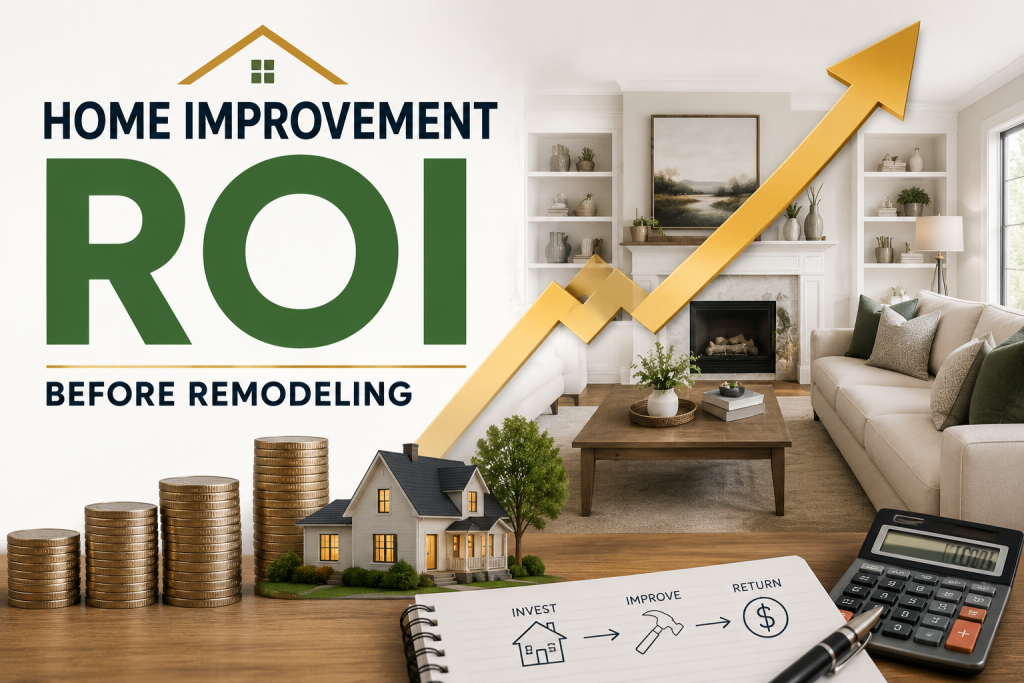
While improving a home’s appearance is important, homeowners should also consider the financial impact of each project. Evaluating potential returns helps ensure that renovation budgets are allocated toward upgrades that provide meaningful value. Not every remodeling project generates the same level of buyer interest, which is why careful planning remains essential. Understanding how remodeling trends home value can influence buyer demand allows homeowners to make more informed renovation decisions. The most successful projects often balance functionality, durability, and market demand while supporting both daily enjoyment and future resale goals.
Projects With Consistent Returns
Certain renovations have historically performed well across a variety of housing markets. Exterior improvements such as siding replacement, entry door upgrades, garage door replacement, and energy-efficient window installations frequently attract buyer attention. Kitchen and bathroom updates also remain popular when completed with practical materials and timeless design choices. As remodeling trends home value continue to influence buyer expectations, these projects often deliver a stronger renovation return on investment because they address areas buyers evaluate most closely during the home-shopping process.
Avoiding Over-Improvement Risks
One of the most common remodeling mistakes is investing significantly more than the local market can support. High-end upgrades may appeal to some buyers, but excessive customization can limit broad market appeal and reduce overall returns. Homeowners should evaluate neighborhood standards, property values, and buyer expectations before beginning major projects. Understanding how remodeling trends home value relationships vary across local markets can help guide smarter renovation decisions. By focusing on balanced improvements that align with local demand, homeowners can maximize value while reducing the risk of overspending.
How Real Estate Remodeling Trends Continue to Evolve
The remodeling industry continues to change as homeowner expectations, technology, and housing market conditions evolve. What buyers considered desirable a few years ago may no longer carry the same influence today. Staying informed about emerging preferences can help homeowners make renovation decisions that remain valuable for years to come. As the connection between remodeling trends home value becomes more apparent, homeowners are paying closer attention to upgrades that align with market demand. Many of the latest real estate remodeling trends focus on sustainability, flexibility, and long-term functionality. These priorities reflect changing lifestyles and the growing demand for homes that can adapt to future needs.
Sustainability and Eco-Friendly Design
Environmental awareness continues to influence remodeling choices across the United States. Homeowners are increasingly investing in energy-efficient windows, improved insulation, water-saving fixtures, and durable building materials that reduce long-term maintenance requirements. Organizations such as ENERGY STAR and the Department of Energy have helped raise awareness about the benefits of efficient home improvements. Buyers often recognize the value of upgrades that can lower utility costs while improving overall comfort and performance.
Flexible Spaces for Modern Lifestyles
Modern households frequently require spaces that serve multiple purposes. Home offices, fitness rooms, guest accommodations, and adaptable living areas have become more important as work and lifestyle habits continue to change. Flexible floor plans allow homeowners to adjust their spaces as family needs evolve. As remodeling trends home value considerations continue to influence buying decisions, many purchasers view adaptable spaces as long-term advantages, particularly in competitive housing markets where versatility can help a property stand out from similar homes.
Conclusion
Homeowners who understand the connection between remodeling trends home value are better positioned to make informed renovation decisions. As buyer expectations continue to evolve, upgrades that improve functionality, energy efficiency, durability, and appearance often have the greatest impact on market appeal. Rather than chasing every new design trend, homeowners should focus on improvements that align with local demand and long-term homeowner needs.
Thoughtful investments in kitchens, bathrooms, exterior upgrades, energy-efficient features, and flexible living spaces can help strengthen a property’s competitive position while supporting future resale goals. Ultimately, successful remodeling is about balancing personal enjoyment with practical value. By staying aware of changing buyer preferences and market conditions, homeowners can make renovation choices that contribute to both everyday comfort and stronger property performance over time.
Frequently Asked Questions
Do remodeling trends really affect home value?
Yes. Remodeling trends influence what buyers expect from a home. Properties that reflect current design preferences and functional needs often attract greater interest and may command stronger offers compared to outdated homes.
Which remodeling projects add the most value?
Kitchen renovations, bathroom upgrades, siding replacement, roofing improvements, energy-efficient windows, and entry door replacements are among the projects that frequently provide strong returns in many U.S. housing markets.
Are trendy renovations always worth the investment?
Not necessarily. Some trends lose popularity over time. Homeowners should prioritize durable, practical improvements that offer broad buyer appeal rather than highly customized features that may limit resale interest.
How important is energy efficiency when selling a home?
Energy efficiency has become increasingly important for many buyers. Features that help reduce utility costs and improve comfort can make a home more attractive in competitive real estate markets.
Should homeowners remodel before selling?
The answer depends on the home’s condition, local market conditions, and budget. Strategic updates that address visible wear, improve functionality, or enhance curb appeal often provide the greatest benefit before listing a property for sale.