


Common Scandinavian Design Mistakes Homeowners Face
Scandinavian interiors have become one of the most influential design trends among American homeowners. Known for clean lines, bright spaces, and a minimalist aesthetic, this design style is often associated with comfort, functionality, and timeless appeal. From suburban homes in Seattle to renovated properties in Chicago, many homeowners are embracing Scandinavian-inspired spaces to create a calm and organized environment. However, achieving the look is often more challenging than it appears in magazines and social media photos. Many people focus on visual simplicity while overlooking practical living requirements, resulting in spaces that feel uncomfortable, unfinished, or difficult to maintain. These Scandinavian design mistakes can reduce functionality, limit storage, and even affect long-term satisfaction with a remodel. Understanding the most common pitfalls can help homeowners create a Scandinavian-inspired home that balances beauty, comfort, and everyday usability.
The Most Common Scandinavian Design Mistakes in Modern Homes
One of the biggest reasons homeowners struggle with Scandinavian-inspired interiors is the tendency to prioritize appearance over functionality. While authentic Scandinavian design focuses on simplicity, it was originally developed to support everyday living in practical and efficient ways. Unfortunately, many homeowners interpret minimalism as removing furniture, décor, and storage rather than creating a balanced environment.
Choosing Minimalism Over Practical Living
A common issue is eliminating too many functional elements in pursuit of a clean look. Families often need hidden storage, durable furnishings, and flexible spaces that can adapt to changing needs. When these essentials are removed, clutter quickly becomes visible, making the home feel less organized rather than more refined. Many Scandinavian design problems begin when homeowners underestimate the importance of practical storage solutions.
Copying Showroom Spaces Without Considering Lifestyle
Another mistake is recreating magazine-worthy rooms without considering how the space will actually be used. A beautifully styled living room may look impressive in photos, but it may not support children, pets, remote work, or frequent entertaining. These Scandinavian design mistakes often result in spaces that look attractive initially but become frustrating to live with over time. Successful Scandinavian interiors should reflect both design principles and the homeowner’s daily routine.
Scandinavian Design Mistakes That Make Spaces Feel Cold
One of the most frequent complaints homeowners have after adopting Scandinavian interiors is that their home feels sterile rather than inviting. While Scandinavian design emphasizes simplicity and brightness, warmth is equally important. Authentic Nordic homes rely on carefully selected materials, layered textures, and thoughtful color variations to create comfortable living environments throughout the year.

Using Too Much White Without Visual Warmth
White walls can help maximize natural light, but relying on a single color throughout an entire home can make rooms feel flat and impersonal. This issue is especially noticeable in areas with long winters or limited sunlight, such as Minneapolis and parts of the Pacific Northwest. Many Scandinavian design mistakes occur when homeowners mistake a neutral palette for an all-white palette. Incorporating soft grays, warm wood tones, and subtle contrasts can make a significant difference.
Ignoring Texture and Natural Materials
Texture plays a major role in successful Scandinavian interiors. Natural wood, woven fabrics, linen curtains, and layered rugs add depth without creating visual clutter. When these elements are missing, rooms can feel unfinished and uncomfortable. Some of the most common minimalist design mistakes stem from removing too many details instead of simplifying them. The goal is not emptiness but balance, comfort, and functionality.
Scandinavian Layout Mistakes That Reduce Functionality
A well-designed Scandinavian home should feel open, efficient, and easy to navigate. However, many homeowners unintentionally create spaces that look spacious but function poorly in everyday life. Furniture placement, traffic flow, and room purpose all play important roles in making a home comfortable and practical.
One of the most common Scandinavian layout mistakes is leaving too much empty space between furnishings. While openness is a hallmark of Scandinavian design, excessive empty areas can make rooms feel disconnected and less inviting. Seating arrangements should encourage conversation and create a sense of balance rather than appearing scattered throughout the room. Another issue is failing to define functional zones within open-concept layouts. Living, dining, and work areas should have clear visual boundaries even when they share the same space. Homeowners who overlook these details often experience Scandinavian design mistakes that reduce convenience and everyday usability. Strategic furniture placement, area rugs, and lighting can help establish structure without compromising the clean aesthetic that makes Scandinavian design appealing.
Scandinavian Remodel Problems Homeowners Often Overlook
Many homeowners assume that creating a Scandinavian-inspired interior requires only new furniture and a fresh coat of paint. In reality, successful Scandinavian renovations often involve careful planning, lighting upgrades, storage improvements, and thoughtful material selection. Overlooking these elements can lead to costly corrections later in the remodeling process. One of the most common Scandinavian remodel problems is underestimating the importance of built-in storage. Scandinavian homes are designed to minimize visible clutter, but that requires practical storage solutions behind the scenes. Without adequate cabinets, closets, and multifunctional furniture, maintaining a clean appearance becomes difficult.
Lighting is another area where homeowners frequently make Scandinavian design mistakes. Depending solely on overhead fixtures can create harsh or uneven illumination. Scandinavian interiors typically use multiple light sources, including floor lamps, table lamps, and accent lighting, to create a warm atmosphere. Investing in layered lighting and functional storage during a remodel can significantly improve both comfort and long-term usability while preserving the simplicity that defines Scandinavian design.
Common Decor Mistakes That Hurt Scandinavian Style
Scandinavian interiors are known for their simplicity, but simplicity does not mean a complete absence of personality. Many homeowners unintentionally weaken the design by either adding too many decorative elements or removing so much character that the space feels generic. Finding the right balance is essential for achieving an authentic Scandinavian look. Many Scandinavian design mistakes occur when homeowners fill a minimalist room with trendy accessories that do not complement the overall design. Decorative items should serve a purpose, contribute texture, or enhance visual harmony rather than compete for attention. A few carefully selected pieces often have a greater impact than a large collection of decorations.
Homeowners also make decorating errors when mixing furniture styles without considering scale, materials, or color consistency. Scandinavian interiors rely on cohesion and thoughtful restraint. Random additions can disrupt the clean aesthetic and make a space feel disorganized. Instead, focus on quality over quantity by incorporating natural materials, functional décor, and timeless furnishings. This approach helps avoid Scandinavian design mistakes while maintaining a warm and welcoming environment.
Scandinavian Home Issues in Different US Climate Regions
While Scandinavian design originated in Northern Europe, its principles can work well across the United States when adapted to local conditions. However, homeowners who ignore regional climate factors often encounter challenges that affect comfort, durability, and long-term performance. Some of the most common Scandinavian home issues occur when design choices are copied without considering weather patterns. In the Pacific Northwest, for example, limited natural sunlight may require additional layered lighting to maintain a bright and welcoming atmosphere. In states such as Arizona and Nevada, intense sunlight can make all-white interiors feel overly bright during certain times of the day.
Climate considerations also influence material selection. Homes in humid regions like Florida benefit from moisture-resistant materials and proper ventilation, while properties in colder areas such as Minnesota or Wisconsin often require enhanced insulation and energy-efficient windows. Homeowners who overlook these factors may experience Scandinavian design mistakes that reduce both comfort and efficiency. Adapting Scandinavian principles to local climate conditions creates a more practical and sustainable living environment.
How to Avoid Scandinavian Design Mistakes and Create a Balanced Home
Creating a successful Scandinavian-inspired home is not about following strict design rules. Instead, it involves balancing simplicity, comfort, and functionality in a way that supports everyday living. Homeowners who focus on practicality alongside aesthetics are far more likely to achieve lasting satisfaction with their space.
Blend Minimalism With Comfort
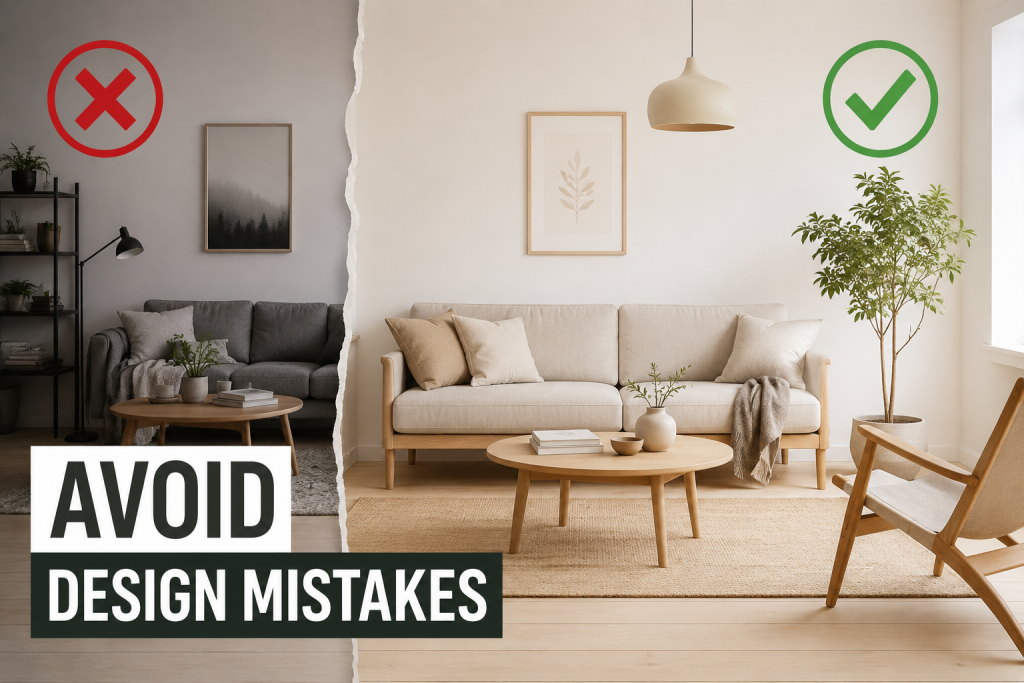
The most effective Scandinavian interiors combine clean design with warmth and livability. Rather than removing every decorative element, choose pieces that add texture, personality, and purpose. Soft textiles, natural wood finishes, and comfortable seating help create an inviting atmosphere without introducing visual clutter. Avoiding Scandinavian design mistakes often comes down to understanding that minimalism should support daily life rather than restrict it.
Prioritize Long-Term Livability
Design decisions should reflect how a home will function over the years, not just how it looks today. Adequate storage, flexible layouts, durable materials, and energy-efficient upgrades contribute to a more practical living environment. Homeowners who evaluate both current and future needs are less likely to make Scandinavian design mistakes that require costly adjustments later. By combining timeless design principles with real-world functionality, it is possible to create a Scandinavian-inspired home that remains beautiful, comfortable, and highly usable for years to come.
Conclusion
Scandinavian design continues to attract homeowners because of its clean aesthetic, timeless appeal, and focus on functionality. However, creating a successful Scandinavian-inspired home requires more than following popular trends or replicating images found online. Many challenges arise when simplicity is prioritized over comfort, storage, and everyday practicality. The most effective interiors balance minimalism with warmth, ensuring that rooms feel inviting rather than empty. Thoughtful furniture placement, layered lighting, durable materials, and climate-appropriate design choices all contribute to a more livable space. Homeowners who take these factors into account can avoid costly renovation mistakes and create interiors that support both style and daily life. By focusing on comfort, functionality, and long-term usability, it is possible to enjoy the benefits of Scandinavian design while creating a home that feels personal, welcoming, and well-suited to modern living.
Frequently Asked Questions
What Is the Biggest Scandinavian Design Mistakes Homeowners Make?
The biggest mistake is focusing only on appearance while ignoring functionality. Scandinavian interiors are designed to support everyday living through practical layouts, efficient storage, and comfortable furnishings. When homeowners prioritize aesthetics alone, spaces can become difficult to maintain and less enjoyable to use.
Can Scandinavian interiors still feel warm and cozy?
Yes. Authentic Scandinavian homes often incorporate natural wood finishes, soft textiles, layered lighting, and subtle color variations. These elements help create a comfortable atmosphere while maintaining the clean and uncluttered look associated with the style.
Is Scandinavian design a good choice for families?
Scandinavian design can work very well for families when it includes durable materials, smart storage solutions, and flexible living spaces. The emphasis on functionality makes it adaptable to changing household needs while maintaining a timeless appearance.
Does Scandinavian design work in all US climates?
Yes, but it should be adapted to local conditions. Homeowners in colder regions may focus on insulation and layered lighting, while those in warmer or humid climates should consider ventilation, moisture resistance, and appropriate material choices.
How can homeowners create a Scandinavian-inspired home on a budget?
Start with foundational elements such as neutral colors, quality lighting, and functional furniture. Focus on a few well-made pieces rather than purchasing large amounts of décor. Adding natural textures and improving organization can also help achieve the look without requiring a major renovation.