


Scandinavian Living Room Cost: Complete Budget Breakdown for U.S. Homeowners
Scandinavian design has become one of the most popular interior styles among American homeowners thanks to its clean lines, functional layouts, and timeless appeal. Inspired by Nordic homes, this design approach focuses on simplicity, natural materials, bright spaces, and comfortable furnishings that create a warm yet uncluttered atmosphere. Understanding the Scandinavian living room cost is essential before starting a remodeling project. While the style appears simple on the surface, achieving an authentic Scandinavian aesthetic often involves strategic investments in quality furniture, lighting, flooring, and carefully selected décor elements.
Costs can vary significantly depending on room size, material choices, labor rates, and the quality of furnishings you choose. For most U.S. homeowners, a Scandinavian-inspired living room can range from a few thousand dollars for a cosmetic refresh to well over $25,000 for a complete renovation. Whether you’re updating a small apartment in Chicago, redesigning a suburban home in Denver, or modernizing a living space in Seattle, understanding the major cost drivers will help you plan a realistic budget and avoid unexpected expenses.
How Much Does a Scandinavian Living Room Cost in 2026?
The average Scandinavian living room cost in the United States ranges from approximately $5,000 to $30,000 or more, depending on the scope of the project. A basic refresh that includes paint, lighting updates, and a few key furniture pieces typically falls between $5,000 and $10,000. Mid-range projects featuring upgraded flooring, premium furnishings, and custom storage solutions often cost $10,000 to $20,000. High-end renovations that involve layout changes, designer furniture, and luxury finishes can easily exceed $30,000.
When evaluating your budget, it helps to compare style-specific expenses rather than relying solely on a general living room remodel cost figure. Scandinavian interiors emphasize quality over quantity, which means homeowners often spend more on durable furniture and natural materials while reducing unnecessary decorative elements. Room size, contractor rates, location, and finish selections all play a significant role in determining the final investment. Understanding these factors early can help homeowners create a realistic spending plan while achieving a cohesive Nordic-inspired design.
Average Scandinavian Living Room Cost by Budget Level
Most homeowners can divide a Scandinavian-style project into three budget categories. A budget-friendly makeover typically costs between $5,000 and $10,000 and focuses on paint, basic lighting upgrades, affordable furnishings from brands such as IKEA, and simple décor. These projects often deliver a fresh look without major construction work. A mid-range Scandinavian living room cost generally falls between $10,000 and $20,000. This range allows for higher-quality seating, hardwood flooring upgrades, custom shelving, premium area rugs, and layered lighting that better reflects authentic Nordic design principles.
Many homeowners in cities like Minneapolis and Portland choose this approach because it balances aesthetics with long-term durability. Luxury Scandinavian living rooms often start around $20,000 and can exceed $40,000. These projects may include designer furniture, custom millwork, architectural lighting, and premium materials sourced from leading Scandinavian-inspired manufacturers. While costs are higher, the result is a refined space designed to remain stylish and functional for many years.
Scandinavian Living Room Cost by Room Size
Room size is one of the biggest factors affecting the Scandinavian living room cost. Larger spaces require more flooring materials, additional lighting fixtures, larger furniture pieces, and more decorative accents to maintain visual balance. As square footage increases, costs tend to rise even when homeowners follow the same design style. A small living room measuring 150 to 200 square feet may cost between $5,000 and $12,000 to transform into a Scandinavian-inspired space.
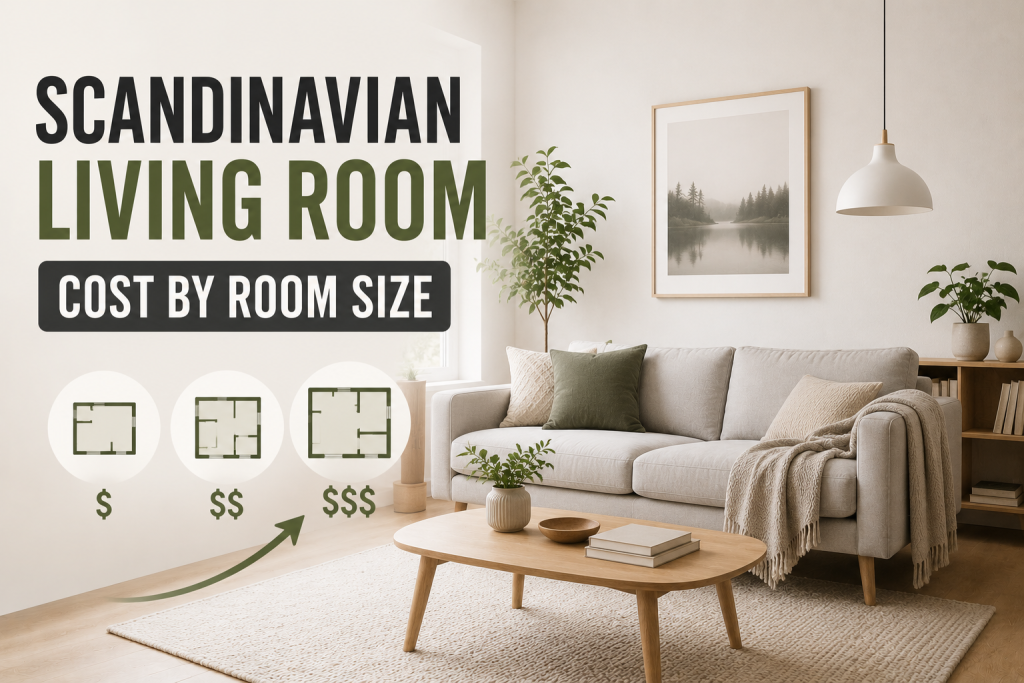
Medium-sized rooms of 250 to 350 square feet often range from $10,000 to $20,000, especially when homeowners invest in quality furnishings and upgraded finishes. Larger living rooms exceeding 400 square feet can easily surpass $25,000 due to increased material and furnishing requirements. When planning a project, homeowners should focus on functionality rather than filling every corner. Scandinavian design prioritizes open layouts, natural light, and carefully selected pieces. This approach helps control expenses while creating a room that feels spacious, inviting, and practical for everyday living.
Factors That Affect Scandinavian Living Room Cost
Several variables influence the final Scandinavian living room cost, even when two homeowners pursue a similar design style. While Scandinavian interiors are known for simplicity, the materials and furnishings chosen can dramatically change the overall investment. Understanding these cost drivers helps homeowners make informed decisions and prioritize spending where it delivers the greatest impact. Furniture quality is often the largest expense because Scandinavian design emphasizes craftsmanship, comfort, and longevity.
Flooring choices also play a major role, with hardwood remaining a popular option for achieving an authentic Nordic appearance. Lighting, paint quality, window treatments, and built-in storage solutions can further increase project costs. Location matters as well. Labor rates in metropolitan areas such as Seattle, Chicago, and Denver are generally higher than those in smaller markets. In addition, custom features and premium finishes typically add more to the budget than stock materials. By evaluating each element individually, homeowners can create a more accurate spending plan and avoid costly surprises during the renovation process.
Furniture Selection and Scandinavian Furniture Cost
Furniture often represents the largest portion of a Scandinavian living room budget and has a direct impact on the overall Scandinavian living room cost. Unlike many design styles that rely heavily on decorative accessories, Scandinavian interiors focus on a smaller number of high-quality pieces that combine functionality with timeless aesthetics. Sofas, lounge chairs, coffee tables, media consoles, and storage units are typically selected for their clean lines, natural materials, and long-term durability. The Scandinavian furniture cost can vary significantly depending on the brand and material quality. Entry-level options from retailers such as IKEA may keep costs relatively affordable, while premium brands like West Elm, CB2, and Article can increase spending substantially.
A quality sofa alone may range from $1,000 to more than $5,000, while solid wood coffee tables and storage pieces often command higher prices than mass-produced alternatives. These choices can significantly influence the final Scandinavian living room cost for homeowners planning a renovation. Homeowners who prioritize durability often find that investing in fewer, better-made furnishings aligns with the core principles of Scandinavian design. This strategy not only creates a more authentic appearance but can also reduce replacement costs over time, making the overall project a smarter long-term investment.
Flooring, Lighting, and Material Choices
Beyond furniture, flooring and lighting have a major influence on the overall Scandinavian living room cost. Scandinavian interiors are known for their bright, airy appearance, which is often achieved through light-colored flooring, layered lighting, and natural materials that reflect rather than absorb light. These design choices contribute significantly to both aesthetics and budget. Hardwood flooring remains one of the most popular options because it complements the warm, organic feel associated with Nordic design.
Oak, maple, and engineered wood products are commonly used in American homes. While hardwood generally requires a higher upfront investment, it offers durability and timeless appeal that can support long-term home value. Lighting is equally important. Scandinavian spaces typically combine natural daylight with strategically placed floor lamps, pendant fixtures, and wall lighting to create a comfortable atmosphere throughout the day. Homeowners may also choose ENERGY STAR-certified fixtures to improve energy efficiency. Material selections such as wool rugs, linen textiles, and solid wood accents can further elevate the space while increasing overall project costs depending on quality and sourcing.
Scandinavian Living Room Cost vs Traditional Living Room Remodel Cost
When comparing a Scandinavian living room cost with other remodeling styles, homeowners often discover that the differences extend beyond aesthetics. Traditional living rooms frequently include ornate furniture, heavier decorative elements, detailed trim work, and layered accessories. Scandinavian interiors, by contrast, prioritize simplicity, functionality, and carefully selected materials. Although Scandinavian spaces use fewer furnishings, the individual pieces are often higher quality and designed to last for many years.
This can make the initial investment comparable to, or even higher than, some conventional remodeling projects. However, homeowners may offset those expenses by purchasing fewer decorative items and focusing on timeless design choices rather than rapidly changing trends. Another important consideration is maintenance. Traditional rooms with elaborate details often require more upkeep, while Scandinavian interiors are designed to remain clean, organized, and easy to maintain. For homeowners seeking a balance between style, practicality, and long-term value, Scandinavian design continues to be a popular remodeling choice across many regions of the United States.
Design Differences That Impact Pricing
One of the primary reasons costs vary between remodeling styles is the way each design approach allocates spending. Scandinavian interiors focus on quality materials, functional layouts, and purposeful furniture selections rather than excessive ornamentation. This often shifts more of the budget toward durable furnishings and natural finishes instead of decorative accessories, directly influencing the overall Scandinavian living room cost. A traditional renovation may include crown molding, decorative wall treatments, elaborate cabinetry, and multiple accent pieces. Scandinavian spaces typically eliminate many of these elements in favor of clean lines, neutral color palettes, and uncluttered layouts.
While this can reduce spending in certain categories, homeowners may invest more in premium wood furniture, high-quality textiles, and carefully selected lighting fixtures. These material choices can have a significant impact on the final Scandinavian living room cost. The result is a space that feels open, comfortable, and timeless. Because Scandinavian design prioritizes longevity over trends, many homeowners view the higher upfront investment in select materials and furnishings as worthwhile. This design philosophy can also reduce future update costs since the overall aesthetic remains relevant for years rather than following short-term decorating trends.
Long-Term Maintenance Costs
Long-term ownership costs are often overlooked when planning a renovation. While many homeowners focus on installation expenses, maintenance requirements can significantly affect the overall value of a design choice over time. Scandinavian interiors are generally easier to maintain because they emphasize simplicity, organization, and durable materials that are intended for everyday use. These qualities can help lower the long-term Scandinavian living room cost by reducing the need for frequent updates and replacements.
Compared with the average modern living room cost, Scandinavian spaces often require fewer decorative updates to stay visually appealing. Neutral color schemes, natural wood finishes, and timeless furniture designs help prevent the room from feeling outdated as trends change. This can reduce future spending on cosmetic upgrades and replacement décor, helping homeowners better manage their overall Scandinavian living room cost over time. Maintenance expenses primarily involve caring for hardwood floors, upholstery, area rugs, and lighting fixtures. Choosing quality materials from the beginning may increase initial costs, but it can lower repair and replacement expenses over the years. For homeowners who value both aesthetics and practicality, this long-term durability is one of the strongest financial advantages of Scandinavian-inspired design.
Typical Scandinavian Living Room Renovation Budget Breakdown
Creating a realistic living room renovation budget is one of the most important steps in a Scandinavian remodeling project. While every home is different, most homeowners allocate their spending across several major categories, including furniture, flooring, lighting, paint, décor, and labor. Understanding where the money goes can help prevent overspending and provide a clearer picture of the expected Scandinavian living room cost.
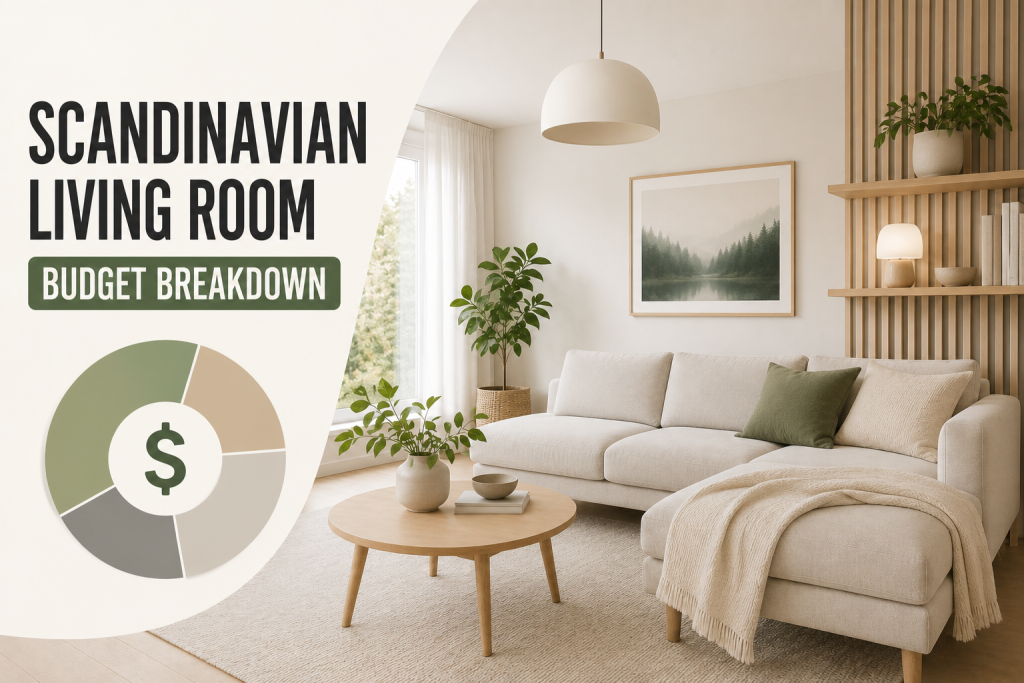
A common budget distribution places approximately 35% to 45% of total spending toward furniture, making it the largest expense category. Flooring upgrades may account for 15% to 25%, while lighting, paint, and decorative accessories typically represent a smaller portion of the overall investment. Labor costs vary by region and project complexity but can account for a significant share of the total budget when professional installation is required. Each of these factors contributes directly to the final Scandinavian living room cost. By prioritizing essential features first, homeowners can create a Scandinavian-inspired living room that feels cohesive and functional without exceeding their financial limits. Careful planning also allows flexibility for future upgrades if additional design enhancements are desired later.
Furniture and Decor Allocation
In most Scandinavian living room projects, furniture and décor account for the largest share of the overall budget. Because the style relies on a curated collection of functional pieces rather than excessive ornamentation, each item plays an important role in the room’s appearance and usability. Homeowners often spend more on a quality sofa, accent chair, coffee table, and storage solution while keeping decorative accessories relatively minimal. These purchasing decisions can significantly influence the overall Scandinavian living room cost.
A practical approach is to dedicate the majority of the furnishings budget to the pieces used every day. Comfortable seating, durable tables, and well-designed storage systems typically provide the greatest long-term value. Decorative elements such as framed artwork, textured throw pillows, ceramic accents, and area rugs can then be added strategically to enhance warmth and visual interest without dramatically increasing the Scandinavian living room cost. This allocation strategy aligns with the core principles of Scandinavian design, which emphasize quality, simplicity, and purpose. By investing in foundational pieces first, homeowners can create a balanced living space that feels refined without becoming overcrowded or unnecessarily expensive.
Labor and Installation Costs
Labor expenses can have a significant impact on the final cost of a Scandinavian living room project. Even when homeowners choose a minimalist design approach, professional services may be required for flooring installation, electrical work, painting, custom shelving, and other upgrades. Labor rates vary considerably across the United States, with major metropolitan areas often commanding higher prices than smaller cities and suburban markets. As a result, labor costs can substantially affect the overall Scandinavian living room cost. Painting is usually one of the more affordable professional services, while hardwood flooring installation and custom carpentry can represent larger investments.
Electrical work may also increase costs when homeowners add recessed lighting, new outlets, or upgraded fixtures to achieve the bright and inviting atmosphere commonly associated with Scandinavian interiors. These upgrades can raise the total Scandinavian living room cost, especially in areas with higher labor rates. Some homeowners reduce expenses by handling simple tasks themselves, such as painting walls, assembling furniture, or installing decorative accessories. However, specialized work should generally be completed by qualified professionals to ensure safety, code compliance, and long-term durability. Investing in skilled labor can help avoid costly mistakes and protect the overall quality of the finished space.
Scandinavian Living Room Ideas for Different Budgets
Homeowners do not need an unlimited budget to achieve a beautiful Scandinavian-inspired space. The best Scandinavian living room ideas focus on simplicity, functionality, and thoughtful design choices rather than excessive spending. Whether you’re planning a modest refresh or a premium renovation, the key is creating a bright, comfortable environment with carefully selected furnishings and natural materials. Following these principles can help homeowners manage their overall Scandinavian living room cost more effectively. For budget-conscious projects, homeowners can prioritize neutral paint colors, affordable wood furniture, simple lighting fixtures, and soft textiles that add warmth without overwhelming the room. Mid-range budgets allow for upgraded flooring, higher-quality seating, and custom storage solutions that enhance both style and practicality.
Luxury projects often include designer furniture, architectural lighting, premium materials, and custom-built features tailored to the home’s layout. Each of these choices can influence the final Scandinavian living room cost depending on the scope of the project. Regardless of spending level, successful Scandinavian living rooms share the same principles: clean lines, uncluttered spaces, abundant natural light, and a focus on comfort. By applying these fundamentals consistently, homeowners can achieve an authentic Nordic aesthetic while staying within their financial goals.
Budget-Friendly Scandinavian Design
Creating a Scandinavian living room on a modest budget is entirely achievable when homeowners focus on the elements that have the greatest visual impact. Instead of replacing everything at once, many successful projects begin with a fresh coat of paint, improved lighting, and a few carefully selected furniture pieces. These upgrades can dramatically transform the appearance of a room without requiring a major financial commitment, helping reduce the overall Scandinavian living room cost. Light, neutral color palettes remain one of the most affordable ways to capture the Scandinavian aesthetic. White, soft gray, and warm beige tones help maximize natural light while creating a clean backdrop for furniture and décor.
Homeowners can also introduce warmth through textured rugs, knit throws, linen curtains, and natural wood accents. These budget-friendly design choices can make a noticeable difference without significantly increasing the Scandinavian living room cost. Shopping strategically is another effective cost-control method. Many homeowners mix budget-friendly retailers with a few higher-quality statement pieces, allowing them to achieve a balanced look without overspending. This approach preserves the simplicity and functionality associated with Scandinavian design while keeping the project practical and financially manageable.
Mid-Range and Luxury Scandinavian Spaces
Mid-range Scandinavian living rooms offer homeowners the opportunity to combine premium aesthetics with practical functionality. Projects in this category often include upgraded hardwood flooring, higher-quality sofas, custom shelving, designer lighting fixtures, and carefully selected décor that enhances the room without creating visual clutter. These investments help create a space that feels polished while remaining true to Scandinavian design principles, while also influencing the overall Scandinavian living room cost.
Luxury Scandinavian interiors take the concept even further by incorporating custom millwork, premium natural materials, architectural lighting, and designer furniture collections. Homeowners may choose handcrafted wood pieces, oversized windows, built-in storage systems, and tailored layouts that maximize natural light and usability. The emphasis remains on simplicity, but every detail is executed at a higher level of craftsmanship and quality, which can significantly increase the Scandinavian living room cost. One reason these upscale spaces remain popular is their ability to balance elegance with comfort. Rather than relying on excessive ornamentation, luxury Scandinavian rooms use thoughtful design, durable materials, and refined finishes to create an environment that feels both sophisticated and welcoming for everyday living.
How to Reduce Your Scandinavian Living Room Cost Without Sacrificing Style
Reducing your Scandinavian living room cost does not mean compromising on design quality. In many cases, thoughtful planning and strategic purchasing decisions can produce excellent results while keeping expenses under control. The key is to focus spending on the features that contribute most to comfort, functionality, and long-term durability. One effective strategy is to compare suppliers and obtain multiple quotes before making major purchases. This approach can help homeowners better understand local living room makeover pricing and identify opportunities to save money without sacrificing quality.
Purchasing furniture during seasonal sales, reusing existing pieces, and prioritizing timeless designs can also significantly reduce costs. Another smart tactic is to separate essential upgrades from optional enhancements. Flooring, seating, and lighting generally have a greater impact on the final result than decorative accessories. By investing in core design elements first and adding smaller details over time, homeowners can achieve an authentic Scandinavian aesthetic while maintaining control of their renovation budget.
Where to Save
Homeowners can often reduce project costs without affecting the overall appearance of a Scandinavian living room. One of the best opportunities for savings is furniture selection. Rather than purchasing every item from premium retailers, many homeowners combine affordable pieces with a few higher-quality focal points. This strategy maintains visual appeal while keeping expenses manageable and helping lower the overall Scandinavian living room cost. Decorative accessories are another area where spending can be controlled. Scandinavian interiors rely on simplicity, so a room does not require dozens of decorative items to feel complete. Carefully selected artwork, textured textiles, and natural materials can create warmth and character without adding unnecessary costs.
These thoughtful choices can further reduce the Scandinavian living room cost without compromising style. Homeowners may also save money by completing simple tasks themselves. Painting walls, assembling furniture, and installing decorative accents are often suitable DIY projects. By focusing professional labor on specialized work such as flooring installation and electrical upgrades, homeowners can allocate more of their budget toward the features that have the greatest impact on comfort, functionality, and long-term value.
Where Not to Cut Corners
While there are several areas where homeowners can save money, some investments are worth making from the beginning. Flooring is one of the most important examples. Because it serves as the foundation of the room’s design, choosing durable materials can improve both appearance and longevity. Low-quality flooring may require repairs or replacement much sooner, ultimately increasing long-term costs and raising the overall Scandinavian living room cost. Lighting is another area where cutting corners can negatively affect the final result. Scandinavian interiors depend heavily on layered lighting to create a bright and welcoming atmosphere throughout the day. Well-designed fixtures not only improve functionality but also contribute significantly to the overall aesthetic.
Investing in quality lighting from the start can help homeowners maximize value while maintaining a reasonable Scandinavian living room cost over time. Homeowners should also prioritize quality seating and frequently used furniture. A well-constructed sofa or lounge chair may cost more initially, but it typically offers greater comfort, durability, and value over time. Investing wisely in these essential elements helps create a living room that remains attractive, functional, and comfortable for many years while reducing the likelihood of costly replacements.
Does a Scandinavian Living Room Increase Home Value?
A well-designed Scandinavian living room can contribute positively to a home’s perceived value and overall market appeal. While no interior style guarantees a specific return on investment, buyers are often attracted to spaces that feel bright, functional, and move-in ready. Scandinavian design aligns well with these preferences because it emphasizes clean layouts, natural light, and timeless finishes. These qualities can help justify the overall Scandinavian living room cost for homeowners focused on long-term value.
Many prospective buyers appreciate the versatility of Scandinavian interiors. Neutral color palettes and uncluttered spaces make it easier for buyers to imagine their own furniture and lifestyle within the home. This broader appeal can help a property stand out in competitive real estate markets and may support stronger buyer interest during the selling process. In some cases, a thoughtfully planned Scandinavian living room cost can translate into improved marketability when it comes time to sell. In addition to aesthetics, quality materials and durable finishes can influence long-term value. Hardwood flooring, efficient lighting, and well-crafted furnishings often remain desirable features for years. When executed thoughtfully, a Scandinavian-inspired living room can enhance both everyday enjoyment and the home’s overall presentation to future buyers.
Buyer Appeal and Modern Design Trends
Buyer preferences continue to evolve, but certain design characteristics consistently remain popular in residential real estate markets. Clean layouts, functional spaces, natural materials, and abundant light are features that appeal to a wide range of homeowners. These qualities are central to Scandinavian design, which helps explain its continued popularity across many regions of the United States. For many homeowners, the long-term appeal can help justify the overall Scandinavian living room cost. Another factor contributing to buyer appeal is flexibility. Scandinavian interiors are intentionally simple, making them compatible with various decorating styles and personal preferences.
Prospective buyers often view neutral spaces as an advantage because they can easily customize the room without undertaking major renovations. This adaptability can make a property more attractive during the home-selling process and potentially increase the value homeowners receive from their Scandinavian living room cost investment. Current design trends also favor sustainability, quality craftsmanship, and practical living spaces. Scandinavian-inspired rooms align naturally with these priorities by emphasizing durable materials, efficient use of space, and timeless aesthetics rather than short-lived design fads. As a result, homeowners who invest in this style often create spaces that remain desirable long after temporary trends have faded.
ROI Expectations for Homeowners
Return on investment depends on local market conditions, project quality, and buyer demand, but Scandinavian-inspired living rooms generally perform well because they combine visual appeal with practical functionality. Unlike highly personalized designs that may limit buyer interest, Scandinavian interiors tend to attract a broader audience thanks to their clean and adaptable appearance. This broad appeal can help homeowners maximize the value of their Scandinavian living room cost over time. Homeowners should view ROI from both a financial and lifestyle perspective. While a remodeling project may contribute to resale value, it also improves daily comfort, usability, and enjoyment of the living space.
Features such as durable flooring, improved lighting, and better furniture layouts can enhance the homeowner experience long before the property is ever listed for sale. These benefits add to the long-term return associated with the overall Scandinavian living room cost. The strongest returns typically come from balanced investments rather than excessive spending. Choosing quality materials, maintaining a cohesive design, and avoiding unnecessary luxury upgrades can help homeowners maximize value. A thoughtfully designed Scandinavian living room often delivers lasting benefits by improving both the home’s marketability and its everyday functionality.
Conclusion
Scandinavian and Nordic interior design both celebrate simplicity, comfort, and functionality, but each brings its own unique character to a space. Scandinavian design focuses on clean lines, minimalism, and practicality, while Nordic design embraces a broader mix of textures, warmth, and cultural influences. Whether you’re decorating a living room, bedroom, or kitchen, both styles create bright, inviting environments that enhance everyday living. By understanding their differences, homeowners can choose the approach that best reflects their lifestyle, aesthetic preferences, and design goals. The result is a timeless, comfortable home that balances beauty with functionality.
Frequently Asked Questions
What is the average Scandinavian living room cost?
The average Scandinavian-style living room project typically ranges from $5,000 to $30,000 or more. Final costs depend on room size, furniture quality, flooring selections, labor rates, and the level of customization included in the project.
How much does Scandinavian furniture cost?
Furniture costs vary widely based on brand and materials. Budget-friendly pieces may cost a few hundred dollars, while premium sofas, solid wood tables, and designer storage solutions can cost several thousand dollars each.
Is Scandinavian design expensive?
Not necessarily. Scandinavian design can be adapted to a variety of budgets. Homeowners can achieve the look through simple updates such as neutral paint colors, functional furniture, and improved lighting. Costs increase when projects include custom cabinetry, premium hardwood flooring, or designer furnishings.
Is Scandinavian design cheaper than a traditional remodel?
Not always. While Scandinavian interiors often use fewer decorative elements, homeowners may invest more in durable furniture, hardwood flooring, and quality materials. The total cost can be similar to many traditional remodeling projects depending on the scope of work.
Can I create a Scandinavian living room on a small budget?
Yes. Many homeowners achieve a Scandinavian look by focusing on neutral paint colors, simple lighting, affordable wood furniture, and minimal décor. Prioritizing key design elements can help create the desired aesthetic without excessive spending.
What should be included in a remodel estimate?
A detailed remodel estimate should include material costs, labor charges, furniture expenses, flooring upgrades, lighting fixtures, paint, permits if required, and a contingency allowance for unexpected costs. Reviewing each category carefully helps homeowners create a realistic budget and avoid financial surprises during the project.