


Scandinavian vs Nordic Interior Design: Differences, Features, and Room Ideas
When discussing popular European design movements, many homeowners assume Scandinavian and Nordic design are exactly the same. While the two styles share common roots, they are not interchangeable. Understanding the distinction can help you create a more intentional and cohesive living space. The debate around Scandinavian vs Nordic interior design often stems from geography. Scandinavia traditionally includes Denmark, Sweden, and Norway, while the Nordic region also encompasses Finland and Iceland. As a result, Scandinavian design represents a specific design philosophy, whereas Nordic design serves as a broader umbrella that includes multiple regional influences.
Both approaches emphasize simplicity, functionality, natural materials, and comfortable living. However, differences emerge in color palettes, furniture choices, textures, and overall atmosphere. Scandinavian spaces often focus on clean minimalism and practical beauty, while Nordic-inspired homes may incorporate a wider range of cultural influences, artistic expression, and cozy elements. For homeowners researching Scandinavian vs Nordic interior design, understanding these distinctions can make it easier to choose a style that aligns with their lifestyle, aesthetic preferences, and long-term design goals.
Understanding Scandinavian vs Nordic Interior Design
Scandinavian and Nordic interior design are often used interchangeably, but they have subtle differences. Scandinavian design focuses on minimalism, functionality, clean lines, and bright, airy spaces. Nordic design is a broader term that includes Scandinavian styles while embracing a wider range of influences from all Nordic countries. It often incorporates more textures, cozy elements, and regional cultural touches. Both styles emphasize natural materials, simplicity, and comfort. Their shared goal is to create inviting, practical spaces that enhance everyday living.
What Is Scandinavian Interior Design?
Scandinavian interior design emerged during the early twentieth century in Denmark, Sweden, and Norway, where designers sought to combine beauty with everyday practicality. The style gained international recognition for its ability to create bright, functional spaces that feel welcoming without excessive ornamentation. At its core, Scandinavian design prioritizes simplicity, craftsmanship, and comfort. Homes often feature light-colored woods such as oak, ash, and pine, paired with neutral color schemes that maximize natural light.
Furniture tends to have clean lines, understated forms, and a strong emphasis on usability. Influential designers such as Arne Jacobsen and Hans Wegner helped shape the movement through timeless pieces that remain popular today. When examining Scandinavian vs Nordic interior design, Scandinavian spaces are generally more restrained and minimalist. The focus is on creating calm environments where every piece serves a purpose while maintaining a sense of warmth and livability.
What Is Nordic Interior Design?
Nordic interior design is a broader design category that reflects the cultural and environmental influences of Denmark, Sweden, Norway, Finland, and Iceland. While it incorporates many of the principles found in Scandinavian homes, it allows for greater diversity in materials, colors, and decorative elements. Unlike strictly minimalist spaces, Nordic homes often blend functionality with personality. You may find richer textures, darker accents, handcrafted décor, and nature-inspired details that reflect the unique landscapes of the region.
Long winters and limited daylight have also shaped the style, encouraging the use of layered textiles, warm lighting, and inviting gathering spaces. The distinction between Nordic design vs Scandinavian design becomes clearer when viewed through this lens. Scandinavian design represents a specific subset, while Nordic design encompasses a wider range of influences and interpretations. This flexibility has made Nordic-inspired spaces increasingly popular among homeowners seeking a balance between simplicity, comfort, and individual expression.
Scandinavian vs Nordic Interior Design: Key Differences
Although the two styles share a common heritage, several characteristics set them apart. Understanding these distinctions can help homeowners make informed design decisions and create spaces that better reflect their personal preferences. One of the most noticeable aspects of Scandinavian vs Nordic interior design is the approach to simplicity. Scandinavian spaces typically lean toward refined minimalism, featuring uncluttered layouts, functional furnishings, and carefully selected décor. Nordic spaces, by contrast, often allow for greater experimentation with textures, colors, and regional influences.
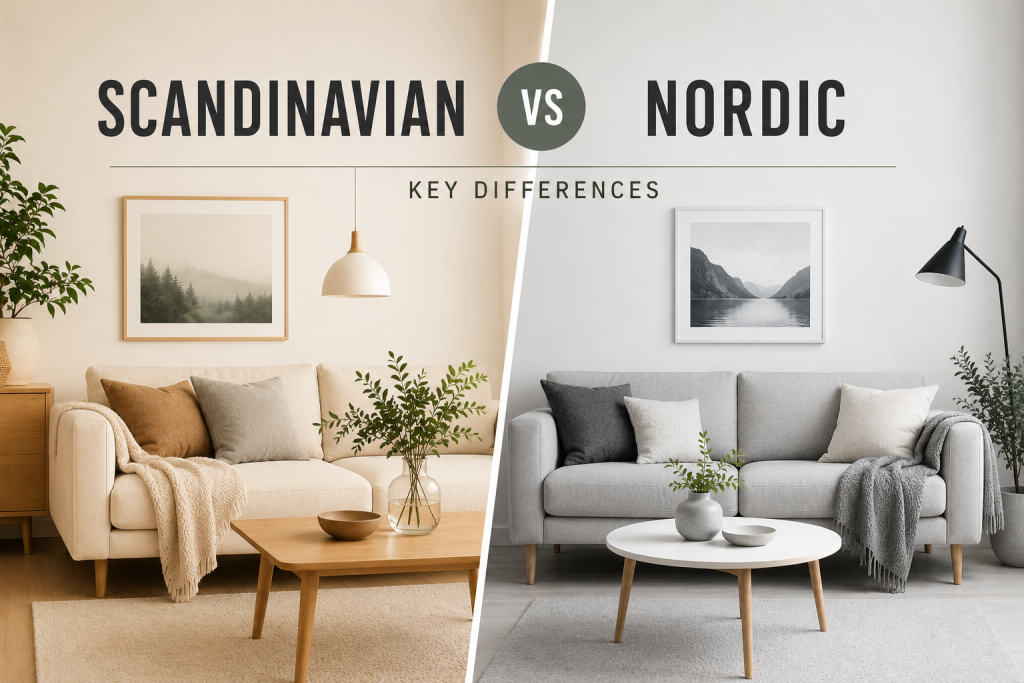
Another key difference lies in the overall atmosphere. Scandinavian interiors tend to emphasize balance, order, and understated elegance. Nordic-inspired spaces frequently embrace a cozier and more layered feel, incorporating textiles, artwork, and natural elements to create warmth. While both styles value comfort and functionality, the way they achieve those goals can vary significantly from one home to another.
Color Palettes and Scandinavian Aesthetics
Color plays an important role in distinguishing these two design approaches. When comparing Scandinavian vs Nordic interior design, color palettes are often one of the most noticeable differences. Traditional Scandinavian interiors rely on soft whites, light grays, beige tones, and muted earth colors. These shades help reflect natural light, making rooms feel brighter and more open throughout the year. A defining characteristic of Scandinavian aesthetics is the commitment to visual simplicity. Walls, furniture, and décor are typically coordinated within a restrained palette to create a calm and harmonious environment.
Light wood finishes further reinforce this clean and airy appearance. Nordic-inspired spaces may follow a similar foundation but often introduce deeper hues and greater contrast. Dark blues, forest greens, charcoal accents, and textured materials are more commonly incorporated to add depth and personality. As a result, Nordic spaces can feel slightly more expressive while still maintaining the functionality and comfort that define design traditions throughout the region.
Furniture, Materials, and Decor Choices
Furniture and material selection further highlight the Scandinavian decor differences that homeowners often notice when comparing these styles. Scandinavian interiors favor streamlined furniture with clean silhouettes, tapered legs, and practical functionality. Every piece is chosen with purpose, reducing visual clutter while maintaining everyday comfort. Natural materials remain central to both approaches. In discussions about Scandinavian vs Nordic interior design, light woods, wool, linen, cotton, and leather are frequently highlighted for their ability to create warm and inviting environments.
However, Scandinavian spaces generally keep decorative elements to a minimum, allowing craftsmanship and form to take center stage. Nordic-inspired homes often introduce a wider mix of textures and artistic details. Handcrafted accessories, layered textiles, statement lighting, and locally influenced décor can add character without overwhelming the space. This broader design flexibility allows homeowners to personalize their interiors while still preserving the simplicity, comfort, and connection to nature that define Northern European design traditions.
Scandinavian vs Nordic Interior Design in Different Rooms
Scandinavian and Nordic design styles can create distinct looks in different rooms throughout a home. Scandinavian living rooms often feature clean lines, minimal décor, and light color palettes, while Nordic spaces may include richer textures and cozy accents. In bedrooms, Scandinavian design emphasizes simplicity and calm, whereas Nordic interiors focus on warmth and comfort. Kitchens in both styles prioritize functionality, but Nordic designs may incorporate more rustic or natural elements. Bathrooms typically feature sleek, uncluttered layouts with natural materials. Both approaches create beautiful, practical spaces tailored to modern living.
Living Rooms and Nordic Home Style
The living room is often the easiest place to see how these design philosophies come to life. In Scandinavian-inspired spaces, living rooms typically feature light-toned furniture, neutral color palettes, and carefully selected décor that emphasizes comfort without excess. Large windows, natural light, and uncluttered layouts help create a bright and relaxing atmosphere. A Nordic home style living room may follow many of the same principles while incorporating additional layers of texture and personality.
Plush throws, patterned rugs, darker accent colors, and handcrafted accessories are commonly used to create warmth and visual interest. The goal is to make the space feel inviting during long winters while maintaining a strong sense of functionality. Both approaches prioritize comfort and usability, but Nordic-inspired living rooms often feel more expressive, whereas Scandinavian spaces tend to focus on simplicity and visual balance.
Bedrooms, Kitchens, and Functional Design
The principles of Scandinavian and Nordic design extend beyond living rooms and influence the most frequently used areas of a home. In Scandinavian vs Nordic interior design, bedrooms often showcase a strong emphasis on simplicity, comfort, and relaxation. Neutral bedding, natural materials, and minimal furnishings help create a peaceful retreat that promotes rest and well-being. Kitchens often feature sleek cabinetry, efficient storage solutions, and durable materials that support everyday functionality. Clean surfaces and practical layouts ensure the space remains both attractive and highly usable.
Many Nordic interiors introduce additional layers of warmth through textured fabrics, decorative lighting, and regional design influences. Bedrooms may feature richer color accents, while kitchens can incorporate darker finishes or handcrafted details that add character. Despite these variations, both styles maintain a strong commitment to functionality, making them excellent choices for homeowners who value beauty, comfort, and practical living in equal measure.
Scandinavian vs Nordic Interior Design: Which Style Fits Your Home?
Choosing between Scandinavian vs Nordic interior design ultimately depends on your personal preferences, lifestyle, and the atmosphere you want to create. If you appreciate clean lines, minimal décor, and highly functional spaces, Scandinavian design may be the better fit. Its emphasis on simplicity can make rooms feel organized, bright, and timeless. A thoughtful Scandinavian style comparison also reveals that Nordic-inspired spaces offer more flexibility for homeowners who enjoy layering textures, incorporating artistic details, or experimenting with deeper color palettes.
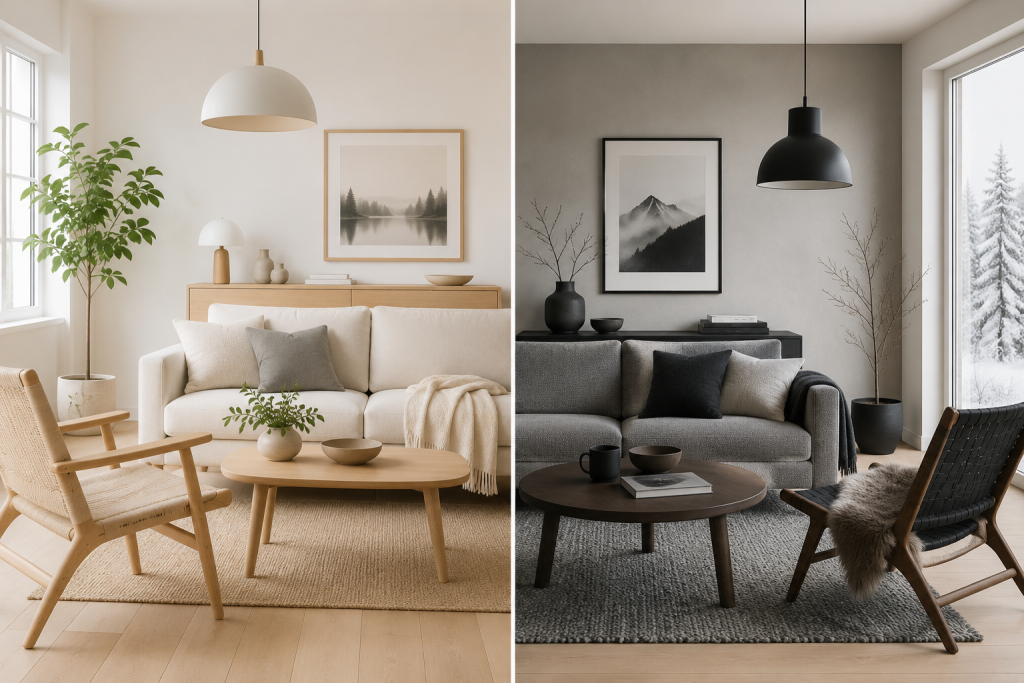
These homes often feel slightly warmer and more personalized while still maintaining a strong sense of practicality. Neither approach is inherently better than the other. Instead, the right choice comes down to how much minimalism, texture, and visual variety you want in your home. Many homeowners even blend elements of both styles to create a balanced and welcoming living environment.
How Nordic Design Influences Modern Interior Design Styles
The growing popularity of Nordic-inspired spaces has had a significant impact on contemporary interior design styles around the world. Designers and homeowners alike have embraced the Nordic emphasis on functionality, comfort, natural materials, and thoughtful simplicity. Many modern homes now incorporate features that originated in Northern European design traditions, including open layouts, minimalist furniture, neutral color palettes, and an increased focus on natural light. These elements help create spaces that feel both practical and inviting, making them appealing across a wide range of architectural styles.
The growing interest in Scandinavian vs Nordic interior design has further contributed to the popularity of these principles among homeowners and designers alike. The influence of Nordic design can also be seen in the growing demand for sustainable materials, handcrafted décor, and wellness-focused living environments. Rather than prioritizing decoration for its own sake, Nordic-inspired spaces encourage intentional design choices that improve everyday life. This philosophy continues to shape contemporary homes by promoting a balance between beauty, functionality, and long-term comfort.
Final Thoughts
Understanding the differences between Scandinavian vs Nordic interior design can help homeowners make more confident decorating decisions. While both styles share a commitment to functionality, comfort, and natural materials, they express those values in slightly different ways. Scandinavian design focuses on clean lines, minimalism, and understated elegance. Nordic design takes a broader approach, incorporating influences from across the Nordic region and allowing for greater flexibility in color, texture, and personal expression. Neither style is inherently superior; the best choice depends on your design preferences and how you want your home to feel. Whether you prefer the simplicity of Scandinavian spaces or the layered warmth often found in Nordic-inspired homes, both approaches offer timeless principles that can enhance comfort, improve functionality, and create a welcoming environment for everyday living.
Frequently Asked Questions
Is Scandinavian design the same as Nordic design?
No. While the terms are often used interchangeably, they are not identical. Scandinavian design specifically originates from Denmark, Sweden, and Norway. Nordic design is a broader category that also includes influences from Finland and Iceland. This wider scope allows for more variation in colors, materials, and decorative elements.
Why is Scandinavian design so popular?
Scandinavian design has gained worldwide popularity because of its focus on functionality, simplicity, and timeless appeal. The style creates bright, comfortable spaces that work well in both small apartments and larger homes.
Which style is more minimalist?
Scandinavian interiors are generally considered more minimalist. They emphasize clean lines, uncluttered layouts, and carefully selected furnishings. Nordic-inspired spaces may incorporate additional textures, patterns, and decorative accents while still maintaining a practical approach.
Can You Combine Scandinavian vs Nordic Interior Design Elements?
Absolutely. Many homeowners blend aspects of both styles. Combining Scandinavian simplicity with Nordic warmth and texture can create a balanced space that feels both elegant and inviting.
What materials are commonly used in both styles?
Natural materials play a central role in both approaches. Popular choices include oak, pine, wool, linen, cotton, leather, and stone. These materials help create comfortable, durable, and visually appealing living environments.