


Standing Seam vs Corrugated Metal Roofing
Metal roofing has become one of the fastest-growing roofing choices among American homeowners. From Texas ranch homes to coastal properties in Florida, metal roofs are valued for their durability, energy efficiency, and long service life. However, many homeowners comparing metal roofing options quickly face one important question: standing seam or corrugated metal? When evaluating standing seam vs corrugated metal roofing, the differences go far beyond appearance. These two systems use different panel designs, fastening methods, installation techniques, and maintenance requirements. While standing seam roofs are often associated with premium residential construction, corrugated panels remain a cost-effective solution for many homes, barns, workshops, and rural properties. Understanding the strengths and limitations of each option is essential before investing thousands of dollars in a new roof. In this guide, we’ll compare cost, lifespan, weather resistance, maintenance, aesthetics, and long-term value to help you determine which metal roofing system is the better fit for your home.
Standing Seam vs Corrugated Metal Roofing: Understanding the Key Differences
Before comparing cost and performance, it’s important to understand how these roofing systems are constructed. In the debate over standing seam vs corrugated metal roofing, the primary difference lies in the panel design and fastening method. Standing seam roofs use concealed fasteners hidden beneath raised seams, while corrugated roofing relies on exposed fasteners driven directly through the panels. This structural distinction affects everything from appearance and maintenance to weather resistance and lifespan. Both systems are made from durable metal materials such as galvanized steel, aluminum, or Galvalume, but they serve different homeowner priorities. Standing seam roofing is often chosen for upscale residential projects, while corrugated roofing remains popular for budget-conscious installations and agricultural buildings. Understanding these basics will make it easier to evaluate which option aligns with your home’s needs and long-term goals.
What Is a Standing Seam Metal Roof?
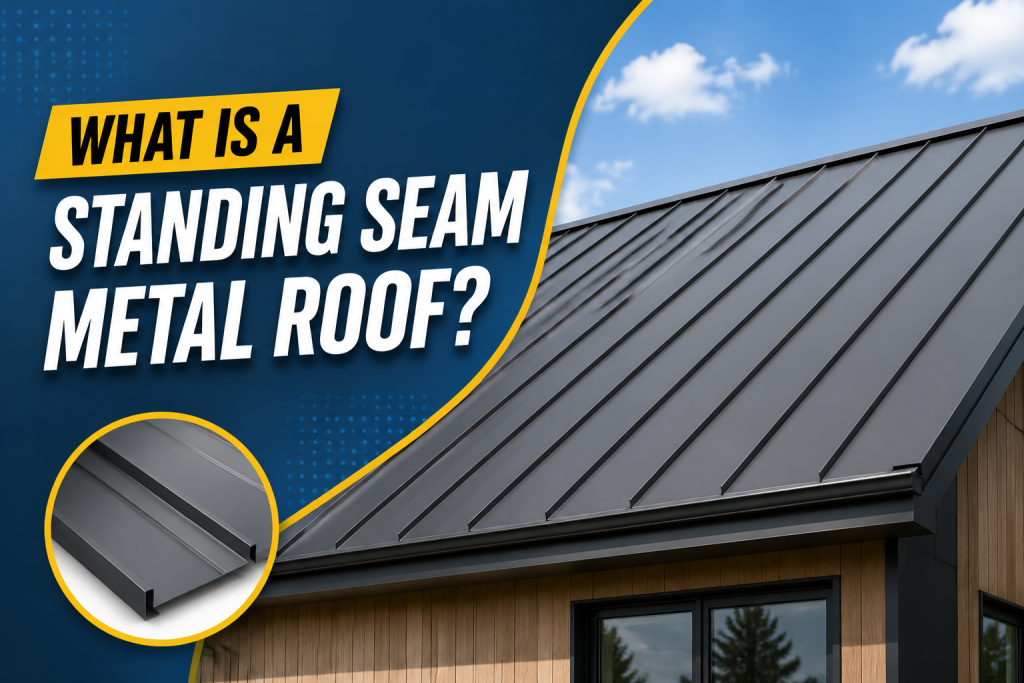
A standing seam metal roof consists of vertical panels connected by raised seams that run from the ridge to the eaves. The fasteners are hidden beneath these seams, creating a clean, streamlined appearance that has become increasingly popular in modern metal roofing projects throughout the United States. Because the fasteners are concealed, standing seam systems are better protected from moisture infiltration and weather-related wear. The design also allows the panels to expand and contract more effectively during temperature fluctuations, reducing stress on the roofing system over time. These characteristics make standing seam roofs a preferred option in regions that experience heavy snow, intense sunlight, strong winds, or significant seasonal temperature changes.
What Is a Corrugated Metal Roof?
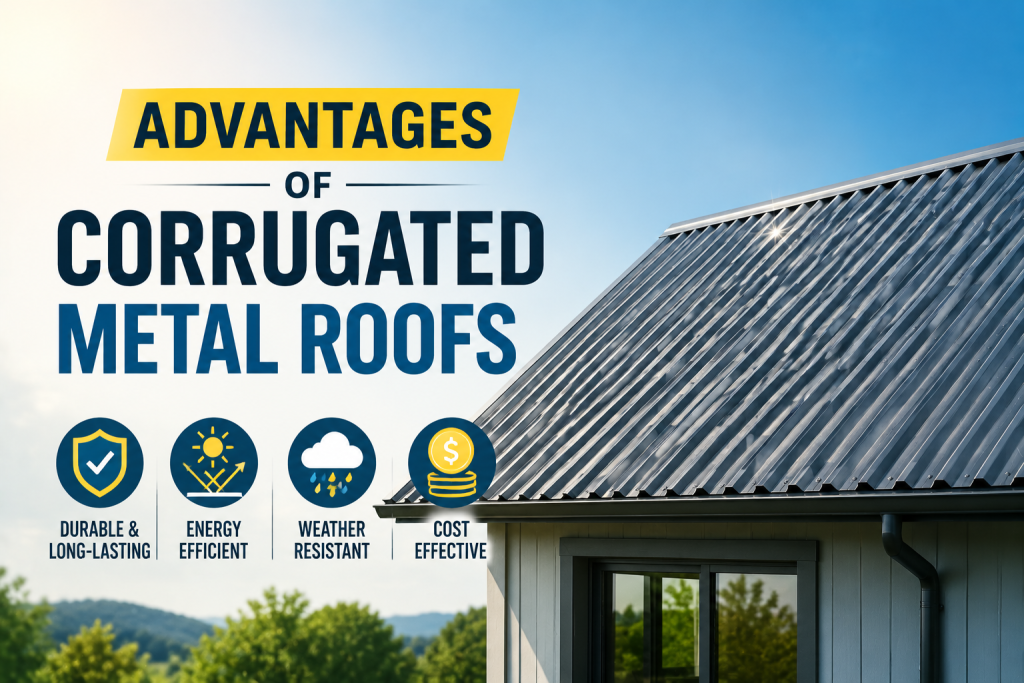
Corrugated metal roofing uses panels with repeating ridges and grooves that increase structural strength while keeping material costs relatively low. Most corrugated metal roof panels are installed using exposed screws fitted with rubber washers that help create a weather-resistant seal. Originally common on agricultural and industrial structures, corrugated roofing is now widely used on homes, workshops, garages, and cabins. Homeowners often choose this system because it offers durability at a lower upfront cost than premium metal roofing options. However, the exposed fasteners typically require periodic inspection and maintenance throughout the roof’s lifespan. While corrugated roofing may not provide the same sleek appearance as standing seam systems, it remains a practical solution for many residential applications.
Standing Seam vs Corrugated Metal Roofing Cost Comparison
For most homeowners, cost is one of the biggest factors when evaluating standing seam vs corrugated metal roofing. While both options offer long-term durability, the upfront investment can vary significantly depending on materials, labor rates, roof complexity, and regional market conditions.
Material Costs
Corrugated metal roofing is generally the more affordable option. The panels are simpler to manufacture, widely available, and require fewer specialized components. In many markets, corrugated roofing materials can cost substantially less per square foot than standing seam panels. Standing seam systems, on the other hand, use premium panels and engineered fastening systems. These added components increase material costs but also contribute to improved performance and longevity. Homeowners comparing different metal roofing styles often find that standing seam roofs command a higher price because of their advanced design and upscale appearance.
Installation Costs
Labor costs create another major difference between the two roofing systems. Corrugated roofing is typically faster and easier to install, making it attractive for projects with tighter budgets. Standing seam roofing requires specialized tools, precise measurements, and experienced installers. The concealed fastening system and panel-locking mechanisms demand a higher level of craftsmanship, which increases labor expenses. In many regions, installation costs can represent a substantial portion of the total project price.
Long-Term Value
Although standing seam roofs cost more initially, many homeowners view them as one of the most durable roofing systems available today. Their concealed fasteners reduce maintenance needs and help protect against weather-related deterioration over time. Corrugated roofs provide strong value for budget-conscious homeowners, but exposed fasteners may require periodic replacement or maintenance. When considering lifetime ownership costs rather than just installation expenses, the value gap between the two roofing systems often becomes much smaller.
Standing Seam vs Corrugated Metal Roofing Performance Comparison
Performance is where the differences between these roofing systems become most noticeable. When comparing standing seam vs corrugated metal roofing, homeowners should evaluate how each option handles weather exposure, energy efficiency, and long-term maintenance requirements. A roof may look appealing on day one, but its ability to withstand decades of environmental stress often determines its true value.
Weather Resistance
Standing seam roofing is widely recognized for its superior weather resistance. The concealed fastening system reduces potential leak points and helps prevent water intrusion during heavy rain, snow, and wind-driven storms. This design is especially valuable in coastal regions and areas prone to severe weather. Corrugated roofing also performs well in challenging conditions, but exposed fasteners can become vulnerable as washers age and expand or contract over time. Regular inspections are essential to maintain peak performance.
Energy Efficiency
Metal roofing naturally reflects a portion of the sun’s heat, helping reduce cooling demands during hot summer months. Standing seam systems often accommodate reflective coatings and advanced insulation assemblies more effectively, which can improve overall energy performance. For homeowners interested in lowering utility costs, both roofing types can contribute to energy savings when installed correctly. Factors such as roof color, insulation quality, attic ventilation, and local climate often have a greater impact than panel style alone.
Lifespan and Maintenance
One of the most important considerations in standing seam vs corrugated metal roofing is long-term maintenance. Standing seam roofs typically require fewer repairs because their fasteners remain protected beneath the panels. This design minimizes exposure to moisture, UV radiation, and temperature-related movement. Corrugated roofing can deliver decades of reliable service, but exposed screws and washers should be inspected periodically. Over time, these components may need replacement to maintain weather resistance. Homeowners seeking lower maintenance obligations often view standing seam roofing as the more attractive long-term investment.
Benefits of Standing Seam Metal Roofs
Homeowners who prioritize longevity, aesthetics, and low maintenance often gravitate toward standing seam roofing. Many of the most recognized standing seam metal roof benefits stem from the system’s concealed fastening design, which helps protect critical components from weather exposure and reduces the likelihood of leaks over time. Beyond performance, standing seam roofs deliver a clean architectural appearance that complements contemporary, farmhouse, and high-end residential designs. The vertical panel layout creates strong visual lines that can enhance curb appeal and potentially improve resale value. Another advantage is durability. Because the panels can expand and contract with changing temperatures, the roofing system experiences less stress throughout its lifespan. This flexibility can be particularly valuable in regions with significant seasonal temperature swings. For homeowners planning to stay in their property for many years, the combination of appearance, weather resistance, and reduced maintenance often justifies the higher initial investment associated with standing seam roofing.
Advantages of Corrugated Metal Roofs
Corrugated metal roofing remains a popular choice because it offers a balance of affordability, durability, and practicality. For homeowners seeking a cost-effective roofing solution, corrugated panels provide reliable protection without the premium price tag associated with standing seam systems. One of the biggest advantages is installation efficiency. The straightforward panel design can reduce labor time and overall project costs, making corrugated roofing attractive for garages, workshops, cabins, and many residential applications. It is also widely available across the United States, giving homeowners access to a variety of materials, finishes, and profile options. In the discussion of standing seam vs corrugated metal roofing, corrugated systems often appeal to homeowners who want dependable performance while staying within a defined budget. Although periodic fastener maintenance may be required, many properly installed corrugated roofs continue performing well for decades. This combination of affordability and durability makes corrugated roofing a practical option for many property owners.
Roofing Panel Comparison: Side-by-Side Table
A direct roofing panel comparison can help homeowners quickly identify which system aligns with their budget, maintenance expectations, and long-term goals. While both options provide the durability associated with metal roofing, their strengths differ in several key areas.
| Feature | Standing Seam Roofing | Corrugated Metal Roofing |
| Initial Cost | Higher | Lower |
| Installation Complexity | Specialized installation required | Easier installation |
| Fastener Type | Concealed fasteners | Exposed fasteners |
| Maintenance Requirements | Lower | Moderate |
| Lifespan | Typically longer | Long-lasting with maintenance |
| Weather Resistance | Excellent | Good to very good |
| Energy Efficiency | Excellent | Good |
| Appearance | Clean, modern design | Traditional industrial appearance |
| Resale Appeal | Higher potential value | Moderate |
| Best For | Long-term homeowners | Budget-focused projects |
For homeowners evaluating standing seam vs corrugated metal roofing, the right choice often comes down to balancing upfront costs against long-term performance, maintenance expectations, and aesthetic preferences.
Best Metal Roofing Style for Different U.S. Climates
Climate plays a major role in determining which roofing system will perform best over the long term. While both options can provide excellent protection, regional weather patterns often influence the outcome of the standing seam vs corrugated metal roofing decision.
Florida and Gulf Coast Regions
In hurricane-prone areas such as Florida and the Gulf Coast, standing seam roofing is often preferred because of its concealed fastening system and strong wind resistance. The reduced number of exposed penetration points can help improve weather performance during severe storms and heavy rainfall.
Texas and the Southwest
Homeowners in Texas, Arizona, and other hot-weather regions frequently prioritize energy efficiency and heat reflection. Both roofing systems can perform well when paired with reflective finishes, but standing seam roofs are often selected for premium residential projects due to their modern appearance and durability.
Midwest and Northern Snow Regions
In states such as Minnesota, Wisconsin, and Michigan, snow accumulation and freeze-thaw cycles can place additional stress on roofing materials. Standing seam systems generally handle snow shedding more effectively, while properly installed corrugated roofs continue to provide reliable protection when maintained appropriately.
Which Option Is Better for Residential Metal Roofing?
The answer ultimately depends on your budget, design preferences, and long-term ownership plans. For many homeowners evaluating standing seam vs corrugated metal roofing, there is no universal winner because each system serves a different purpose. If you prioritize premium aesthetics, minimal maintenance, strong weather resistance, and long-term value, standing seam roofing is often the preferred choice. Although the upfront investment is higher, many homeowners view the additional cost as worthwhile because of the system’s durability and performance advantages.
On the other hand, corrugated roofing remains an excellent solution for homeowners seeking dependable protection at a lower initial cost. It can provide decades of service when properly installed and maintained. For most residential metal roofing projects, standing seam roofs tend to offer the strongest balance of appearance, longevity, and resale appeal. However, homeowners with tighter budgets may find that corrugated roofing delivers the best overall value for their specific needs and property goals.
Frequently Asked Questions
Is Standing Seam vs Corrugated Metal Roofing More Expensive?
Yes. In most cases, standing seam roofing costs more because of its premium panel design, concealed fastening system, and specialized installation requirements. While the upfront investment is higher, many homeowners believe the added durability and lower maintenance costs provide better long-term value.
Which lasts longer: standing seam or corrugated metal roofing?
When properly installed and maintained, both roofing systems can last for decades. However, standing seam roofs generally have an advantage because their fasteners are protected from direct exposure to weather, reducing the likelihood of premature wear and water infiltration.
Is EPDM or TPO better for cold climates?
For regions that experience hurricanes, strong storms, or frequent high winds, standing seam roofing is often considered the stronger option. The concealed fastening system helps improve weather resistance and reduces potential failure points during severe weather events.
Does corrugated metal roofing require more maintenance?
Typically, yes. Because the fasteners remain exposed to sunlight, moisture, and temperature fluctuations, periodic inspections are recommended. Replacing worn washers or fasteners when necessary can help extend the roof’s lifespan.
Does a metal roof increase home value?
A quality metal roof can improve curb appeal, energy efficiency, and overall durability, which may positively influence resale value. Premium roofing systems often attract buyers looking for long-lasting, low-maintenance home improvements.