


Complete Guide to Tile Flooring Guide (2026 US Homeowner)
A tile flooring guide is essential for homeowners planning upgrades that balance durability, design, and long-term performance. In many US homes, tile remains one of the most popular flooring choices because it performs well in both high-traffic areas and moisture-prone environments. Tile flooring is valued for its versatility, offering a wide range of styles, colors, and finishes that can match modern, traditional, or luxury interiors. It is commonly used in kitchens, bathrooms, entryways, and even living spaces where durability and easy maintenance are priorities.
Another key reason for its popularity is resistance to water and wear. Compared to many other flooring types, tile provides strong protection against spills, humidity, and daily use, making it a reliable option for long-term residential tile flooring installations. Understanding tile types, installation methods, and maintenance requirements helps homeowners make smarter renovation decisions and choose flooring that improves both function and home value.
Ceramic Tile Flooring Guide Explained
Ceramic tile flooring is one of the most widely used options in US residential construction due to its affordability, versatility, and ease of maintenance. It is made from natural clay materials that are fired at high temperatures and typically finished with a protective glaze that enhances durability and design flexibility. One of the main advantages of ceramic tile is its wide range of styles, colors, and patterns. Homeowners can choose from glossy finishes for a modern look or matte textures for a more natural appearance, making it a strong fit for many tile flooring ideas in kitchens, bathrooms, and living spaces.
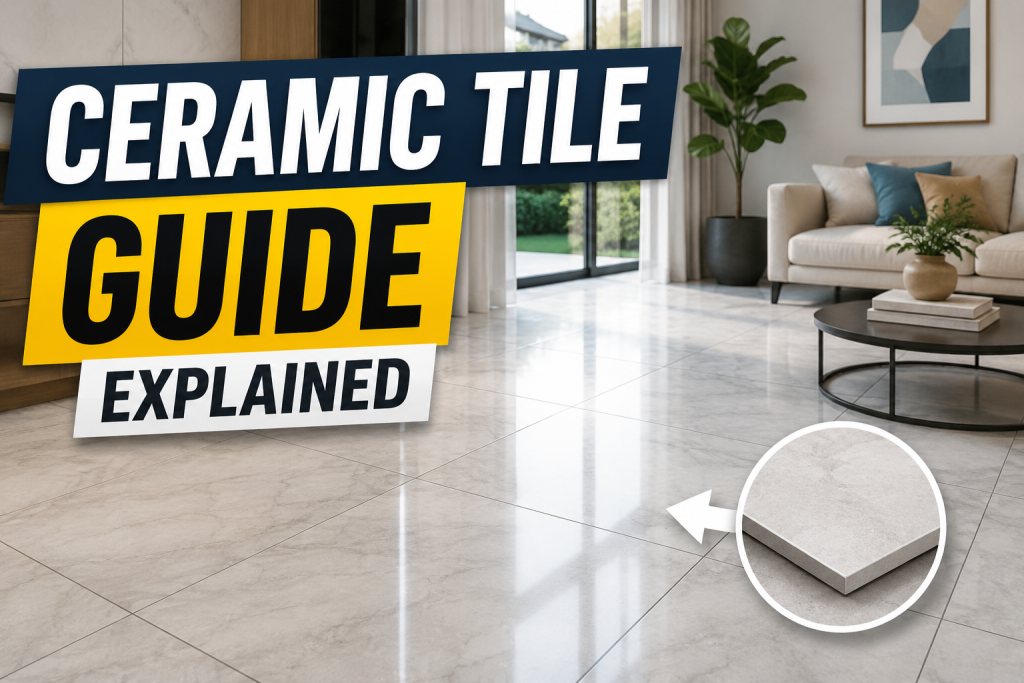
While ceramic tile is durable, it is slightly softer and more porous than porcelain, which means it may be more prone to chipping or water absorption in heavy-use areas. However, with proper installation and sealing, it performs well in most residential tile flooring applications. Overall, ceramic tile is a cost-effective and design-friendly option for homeowners seeking balance between aesthetics and functionality.
Porcelain Tile Flooring vs Ceramic
When comparing porcelain tile flooring with ceramic, the key differences come down to density, durability, and water resistance. Both options fall under the broader category of tile flooring guide choices, but they perform differently depending on the application. Porcelain tile is made from finer, denser clay and fired at higher temperatures, which makes it harder and less porous than ceramic. This gives it superior resistance to moisture, stains, and heavy foot traffic, making it ideal for both indoor and outdoor residential tile flooring applications.
Ceramic tile, while still durable, is generally softer and more affordable. It is easier to cut and install, which can reduce labor costs during floor tile installation, but it may not hold up as well in high-traffic or freeze-thaw environments. For homeowners prioritizing longevity and durability, porcelain is often the preferred choice. Ceramic, however, remains popular for budget-friendly projects and decorative interior spaces where extreme durability is not the main concern.
Residential Tile Flooring Applications by Room
Choosing the right residential tile flooring depends heavily on where it will be installed, as different rooms place different demands on durability, moisture resistance, and design. A practical tile flooring guide always considers room-by-room performance rather than treating tile as a universal solution. In kitchens, tile is a strong choice because it resists spills, heat, and heavy foot traffic. Porcelain tile is especially popular here due to its durability and low water absorption. Bathrooms benefit even more from tile’s waterproof nature, making it one of the most reliable waterproof flooring options for wet environments.
Entryways and mudrooms also perform well with tile because they handle dirt, moisture, and outdoor debris effectively. For living areas, larger-format tiles are often used to create a seamless, modern appearance while maintaining durability. Bedrooms are less common for tile, but it can still work in warmer climates where cooling surfaces are preferred. Overall, room function plays a major role in selecting the right tile type and finish.
Floor Tile Installation Overview
Understanding floor tile installation is a key part of any complete tile flooring guide, especially for homeowners planning renovations or new builds. While tile is known for its durability, proper installation is what determines its long-term performance, appearance, and resistance to cracking or shifting. The installation process typically begins with surface preparation, where the subfloor must be clean, level, and structurally sound. Any uneven areas can lead to tile breakage or loose installations over time. A cement backer board or underlayment is often used to create a stable base.
Next, tiles are laid out in a planned pattern before adhesive (thin-set mortar) is applied. Spacers are used to ensure even grout lines, which play an important role in both aesthetics and durability. After the adhesive cures, grout is applied to seal gaps and strengthen the surface. Proper installation is especially important for durable tile floors, as poor workmanship can reduce lifespan even when high-quality materials are used.
Tile Flooring Ideas for Modern Homes
Exploring tile flooring ideas helps homeowners turn a basic tile flooring guide into a design-focused renovation plan that improves both aesthetics and functionality. Modern US homes increasingly use tile not just for durability, but also as a central design feature. Large-format tiles are one of the most popular trends, especially in open-concept living spaces. They create fewer grout lines, resulting in a cleaner, more seamless look that visually expands rooms. Neutral tones like beige, gray, and soft white are commonly used to maintain a timeless style.
For more creative applications, patterned or geometric tiles are often installed in entryways or bathrooms to add visual interest. Wood-look porcelain tiles are also widely used, offering the appearance of hardwood with the durability of tile, ideal for high-moisture areas. In kitchens, contrasting backsplash and floor tile combinations can create depth and character. These design choices not only enhance style but also support practical residential tile flooring performance in everyday use.
Durable Tile Floors and Long-Term Performance
One of the strongest advantages covered in any tile flooring guide is the long-term strength of durable tile floors. In US homes, tile is often chosen specifically for its ability to withstand heavy foot traffic, moisture exposure, and daily wear without significant deterioration. Porcelain and high-grade ceramic tiles are especially known for their resistance to scratches, stains, and impact. When properly installed, tile flooring can last for decades, making it a long-term investment for homeowners focused on stability and performance in their residential tile flooring systems.
Durability also depends on maintenance and grout care. Even though the tile surface itself is strong, grout lines can weaken or discolor over time if not properly sealed and cleaned. Regular upkeep helps preserve both appearance and structural integrity. Temperature changes and moisture fluctuations have minimal effect on tile compared to wood-based flooring, making it a reliable option in kitchens, bathrooms, and entryways. This combination of strength and stability is why tile remains a leading flooring choice across many US regions.
Waterproof Flooring Options and Tile Advantages
When evaluating waterproof flooring options, tile consistently ranks as one of the most reliable choices in a tile flooring guide, especially for US homes dealing with humidity, spills, or frequent moisture exposure. Its dense structure makes it highly resistant to water penetration compared to many other flooring types. Both ceramic and porcelain tile flooring offer strong moisture resistance, but porcelain performs better due to its lower porosity. This makes it ideal for bathrooms, kitchens, laundry rooms, and basements where water exposure is common in residential tile flooring applications.
One of tile’s key advantages is that it does not warp, swell, or deteriorate when exposed to water, unlike wood-based flooring materials. This stability makes it a long-term solution for areas where waterproofing is a priority. However, while tile itself is waterproof, grout lines are not. Proper sealing and maintenance are essential to ensure full protection against moisture intrusion and staining over time.
Common Tile Flooring Mistakes Homeowners Make
Even with the durability highlighted in any tile flooring guide, homeowners still make several avoidable mistakes that can reduce the lifespan and appearance of their residential tile flooring. These errors often stem from poor installation choices or inconsistent maintenance habits. One of the most common mistakes is neglecting grout maintenance. While tile surfaces are highly durable, grout is porous and can absorb moisture, dirt, and stains over time. Without regular cleaning and sealing, grout lines can discolor and weaken, affecting the overall look of the floor.
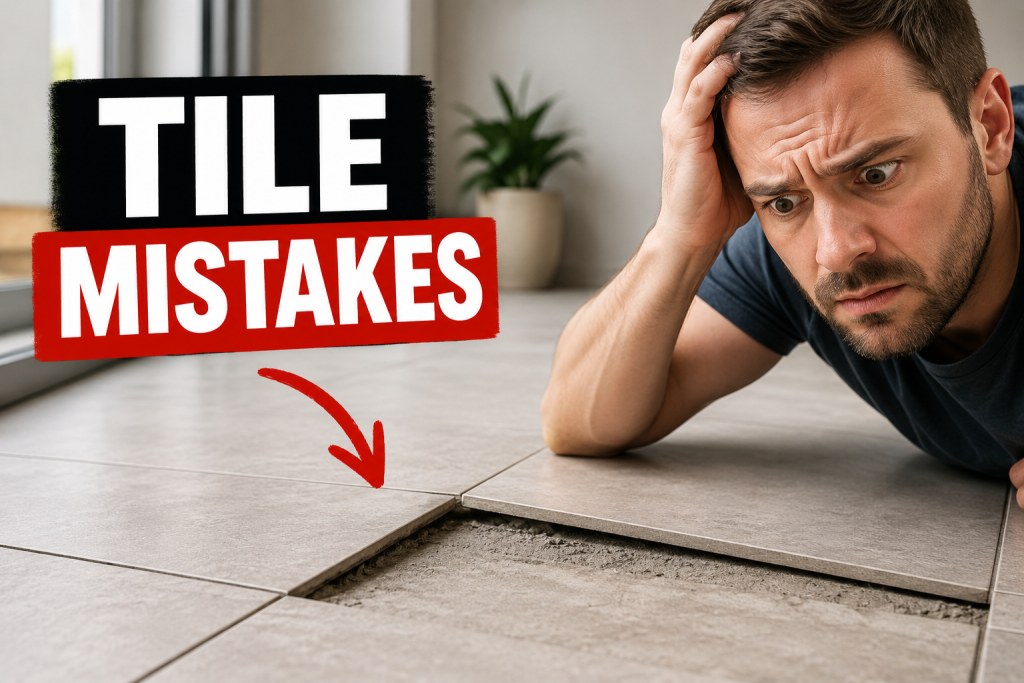
Another frequent issue is using harsh or acidic cleaning products. These can erode grout and damage tile finishes, especially on glazed surfaces. Over time, this reduces the shine and can make floors appear worn even if the tiles themselves are intact. Improper installation, such as uneven subfloors or incorrect spacing, can also lead to cracking or loose tiles. Avoiding these mistakes ensures better long-term performance and supports the durability benefits of tile flooring.
Final Verdict
For most US homeowners, a well-planned tile flooring guide leads to a clear conclusion: tile is one of the most practical and long-lasting flooring options available. Its combination of durability, water resistance, and design flexibility makes it suitable for a wide range of residential spaces. Whether using ceramic tile flooring for budget-friendly interior projects or porcelain tile flooring for high-performance areas, tile consistently delivers strong value over time. It performs especially well in moisture-prone environments, making it one of the most dependable waterproof flooring options for kitchens, bathrooms, and entryways. While installation costs and grout maintenance require consideration, the long-term benefits often outweigh the upfront investment. Properly installed tile can last decades with minimal structural issues, reducing the need for frequent replacements. Ultimately, tile flooring is worth it for homeowners prioritizing durability, easy maintenance, and long-term design stability in their residential tile flooring systems.
FAQs About Tile Flooring Guide
What is included in a tile flooring guide?
A tile flooring guide typically covers tile types, installation methods, maintenance tips, design ideas, and durability comparisons for homeowners.
What is the difference between ceramic tile flooring and porcelain tile flooring?
Ceramic tile flooring is more affordable and slightly softer, while porcelain tile flooring is denser, more durable, and more water-resistant.
Is residential tile flooring good for all rooms?
Residential tile flooring works best in kitchens, bathrooms, entryways, and other moisture-prone or high-traffic areas.
What are the best waterproof flooring options?
Tile is one of the top waterproof flooring options, especially porcelain tile due to its low porosity and high moisture resistance.
How difficult is floor tile installation?
Floor tile installation requires proper subfloor preparation, leveling, adhesive application, and grouting, and is often best handled by professionals.
What are common tile flooring ideas for modern homes?
Popular tile flooring ideas include large-format tiles, wood-look porcelain, and geometric or patterned designs for accent areas.
How long do durable tile floors last?
Durable tile floors can last decades with proper installation and maintenance, especially when grout is sealed and cared for regularly.