


Top Japandi Furniture Brands in the US
Finding the right Japandi furniture brands can make or break the success of a Japandi-inspired home. This design style blends Japanese minimalism with Scandinavian functionality, meaning every furniture piece must balance form, comfort, and simplicity. For U.S. homeowners, the challenge is not just choosing stylish items but finding brands that actually deliver the right materials, proportions, and craftsmanship.
The demand for Japandi furniture has grown as more people shift toward minimalist living and clutter-free interiors. Instead of oversized or decorative-heavy pieces, this style prioritizes clean lines, natural wood tones, and functional design. That makes brand selection especially important, since not all modern furniture collections align with Japandi principles. In this guide, we’ll explore the most reliable Japandi furniture available in the U.S., what makes it suitable for this aesthetic, and how to choose pieces that fit both your space and budget.
What Are Japandi Furniture Brands?
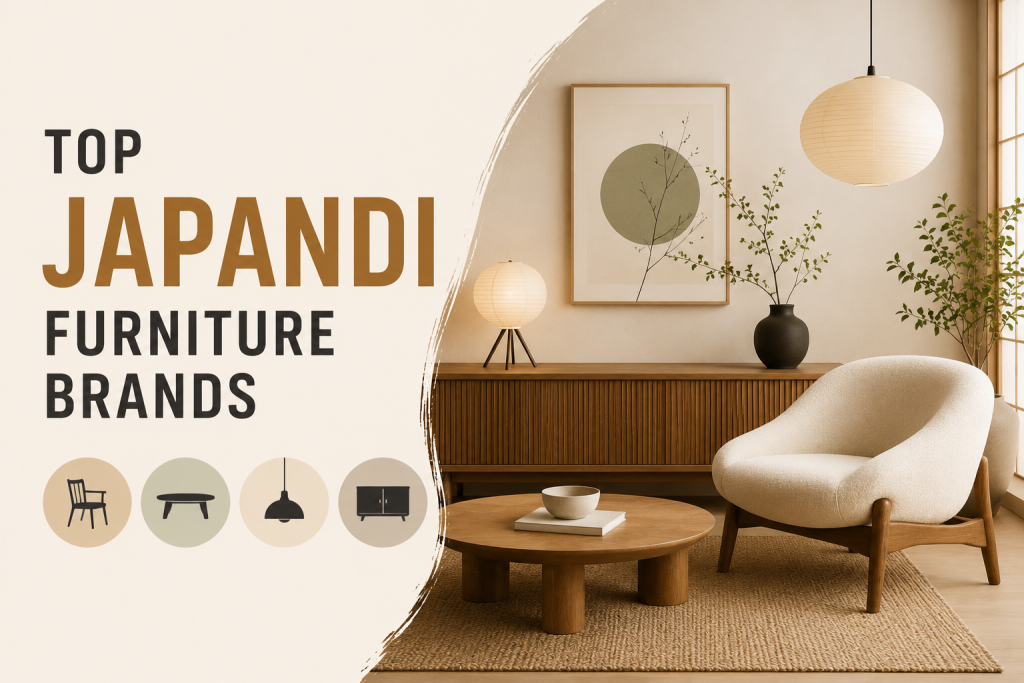
Japandi furniture brands are companies that design or curate furniture aligning with the Japandi aesthetic, a blend of Japanese minimalism and Scandinavian functionality. These brands focus on simplicity, craftsmanship, and natural materials, avoiding excessive ornamentation in favor of clean lines and purposeful design. The goal is to create furniture that feels timeless, functional, and visually calm.
Most Japandi furniture emphasizes wood-based materials such as oak, ash, and walnut, often paired with neutral fabrics like linen or cotton. Their designs typically feature low profiles, soft edges, and practical storage solutions that support clutter-free living. This approach makes them especially suitable for small apartments and modern homes where space efficiency is important. In essence, Japandi furniture prioritize durability and understated elegance over trend-driven design, making them a strong choice for homeowners seeking long-lasting and balanced interiors.
Why Japandi Furniture Is Trending in the US
Japandi furniture has gained strong popularity in the United States as more homeowners shift toward simpler, more intentional living spaces. One major reason is the growing preference for calm, clutter-free interiors that support both mental well-being and functional living. This aligns closely with Scandinavian furniture brands, which have long emphasized minimalism, practicality, and comfort in everyday design. Another factor driving this trend is the rise of smaller living spaces in urban areas, where efficient layouts and multifunctional furniture are essential.
Japandi-inspired pieces fit naturally into this lifestyle by combining storage, simplicity, and natural materials in one cohesive design language. Sustainability is also influencing buyer behavior. Consumers are increasingly drawn to furniture made from responsibly sourced wood and long-lasting materials, which are core principles of Japandi design. As a result, Japandi-style interiors are becoming a preferred choice for modern American homes seeking balance between style and functionality.
Best Japandi Furniture Brands (US Guide)
When evaluating Japandi furniture brands, U.S. homeowners should focus on companies that balance affordability, craftsmanship, and minimalist design principles. The most accessible entry point is IKEA, which offers functional, low-profile furniture pieces that align well with Japandi aesthetics. West Elm provides a more elevated option, with natural wood finishes and refined silhouettes that suit mid-range budgets. Article has also become popular for its online-first model and clean, contemporary designs that fit seamlessly into small apartments and modern homes.
For higher-end interiors, CB2 and Room & Board offer premium collections that emphasize durability, quality materials, and understated elegance. These brands are widely available across the U.S., making them practical choices for homeowners seeking cohesive Japanese-inspired furniture without compromising on accessibility or design consistency. Together, these brands form a strong foundation for building a Japandi-inspired living space across different budget levels.
Japandi Furniture by Category
When exploring Japandi furniture brands, it helps to break down selections by category so homeowners can build a cohesive space piece by piece. Seating is often the starting point, with low-profile sofas and lounge chairs that emphasize comfort without visual bulk. Dining areas typically feature simple wooden tables with clean lines, often paired with matching benches or minimalist chairs.
Storage solutions are equally important in Japandi interiors, with cabinets, shelving units, and baseboards designed to reduce clutter while maintaining a natural, balanced look. Materials such as oak, ash, and bamboo are commonly used to reinforce warmth and texture throughout the home. Across all categories, the focus remains on functionality and simplicity. Many leading minimalist furniture brands design collections that naturally align with Japandi principles, offering versatile pieces that work well in both small apartments and larger modern homes.
How to Choose Japandi Furniture Brands
Selecting the right Japandi furniture requires more than just visual preference, it’s about aligning with the core principles of simplicity, durability, and functionality. Start by evaluating the materials used. High-quality natural wood, such as oak, ash, or walnut, is essential for achieving an authentic Japandi look, as it adds warmth and longevity to the space. Next, consider scale and proportion. Japandi interiors rely heavily on low-profile and well-balanced furniture that doesn’t overwhelm the room.
This is especially important in smaller U.S. homes and apartments where space efficiency matters. It’s also important to assess craftsmanship and construction quality. Well-built furniture should feel solid and age gracefully over time. Finally, ensure consistency across pieces so the overall design remains cohesive rather than fragmented. Choosing thoughtfully ensures your home reflects a calm, intentional aesthetic that stays functional and visually balanced for years.
Budget vs Premium Japandi Furniture Options
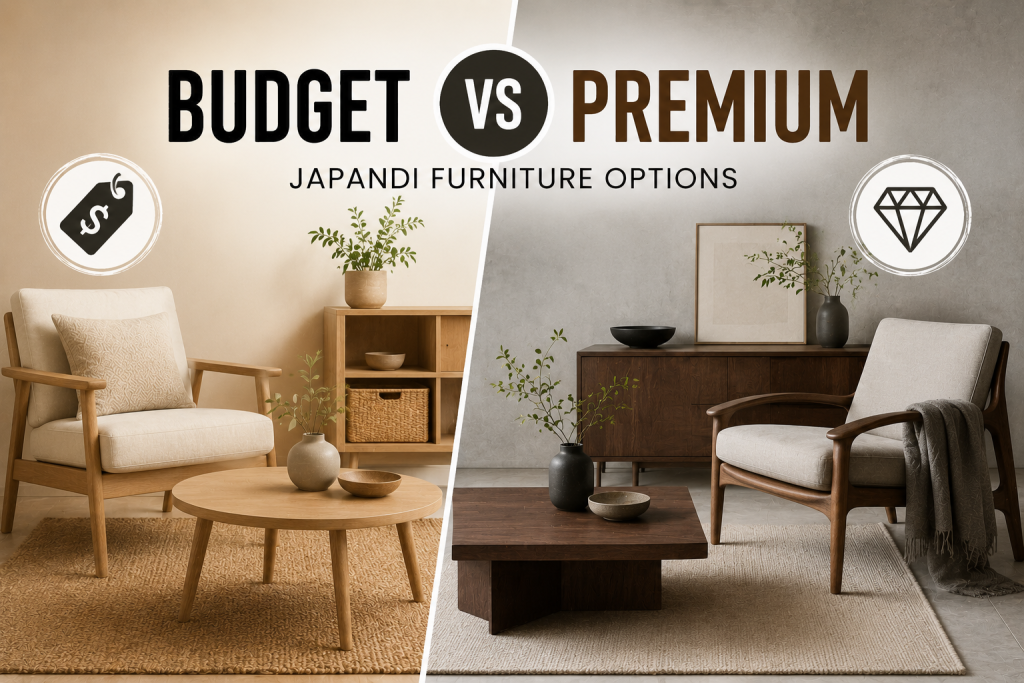
When comparing Japandi furniture brands, one of the most important considerations is budget level, as pricing can vary widely depending on materials and craftsmanship. Budget-friendly options typically include ready-to-assemble pieces made from engineered wood or mixed materials, often found at retailers like IKEA. These are ideal for first-time homeowners or renters who want the Japandi look without a large investment.
Mid-range and premium options focus more on solid wood construction, refined finishes, and longer-lasting durability. Brands like West Elm, CB2, and Room & Board offer furniture that aligns closely with modern wood furniture aesthetics, combining clean design with higher-quality materials. These pieces are often more expensive but provide better longevity and visual refinement. Ultimately, choosing between budget and premium depends on how long you plan to use the furniture and how closely you want to match authentic Japandi design principles.
Common Mistakes When Buying Japandi Furniture
When selecting pieces for a Japandi-inspired home, many buyers unintentionally compromise the style by prioritizing appearance over function. One common mistake is choosing furniture that looks minimalist but lacks practical usability or storage efficiency, which goes against the core principles of Japandi design.
Another frequent issue is mixing too many contrasting styles, which disrupts the calm, unified aesthetic that defines Japandi interiors. Consistency in material, tone, and form is essential to maintain visual harmony. Oversized furniture is also a problem, especially in smaller spaces, as it can overwhelm the layout and reduce openness. In addition, some homeowners overlook how different textures and tones interact within neutral furniture styles, resulting in spaces that feel flat or disconnected rather than warm and balanced. Successful Japandi design requires thoughtful selection and restraint across every furniture choice.
Final Thoughts
Choosing the right Japandi furniture brands is ultimately about creating a home that feels calm, functional, and intentionally designed. This style works best when every piece serves a purpose, whether it’s providing storage, comfort, or visual balance. Instead of focusing on excess decoration, Japandi design encourages homeowners to invest in fewer but higher-quality items that enhance long-term livability. Throughout this guide, we explored how different Japandi furniture in the U.S. offer a range of options for various budgets and living spaces. From affordable starter pieces to premium handcrafted collections, the key is consistency in material, form, and simplicity. By carefully selecting furniture that aligns with Japandi principles, homeowners can build spaces that remain timeless and adaptable. The result is an environment that supports everyday living while maintaining a clean, modern aesthetic rooted in balance and restraint.
Frequently Asked Questions
What are Japandi furniture brands?
Japandi furniture brands focus on minimalist design that blends Japanese simplicity with Scandinavian functionality, using natural materials and clean lines.
Which are the best Japandi furniture brands in the US?
Popular options include IKEA, West Elm, Article, CB2, and Room & Board for different budget levels.
Is Japandi furniture expensive?
It depends on the brand. Budget-friendly options exist, but premium Japandi-style furniture can be more expensive due to solid wood and craftsmanship.
What materials are used in Japandi furniture?
Common materials include oak, ash, walnut, bamboo, linen, and other natural, sustainable elements.
Can I create Japandi style on a budget?
Yes, by choosing simple furniture, neutral tones, and mixing budget and mid-range brands like IKEA and Article.