


Trex vs TimberTech Decking
Choosing between Trex vs TimberTech is one of the most common decisions homeowners face when investing in a new composite deck in the United States. As demand for low-maintenance outdoor living spaces continues to rise, the Tech debate has become central to conversations about durability, design, and long-term value. Both brands are leaders in the composite decking market, but they take different approaches to performance, aesthetics, and pricing. Homeowners comparing both Tech are often trying to balance upfront cost with long-term maintenance, warranty coverage, and how each material performs in different climates. This guide breaks down the key differences so you can clearly understand which brand fits your home, budget, and outdoor lifestyle needs.
Trex vs TimberTech Overview
When comparing Trex vs TimberTech, both brands sit at the top of the composite decking market, but they serve slightly different homeowner priorities. Both Tech is often framed as a choice between widely accessible performance versus more premium design and material innovation. Trex is known for its broad availability, consistent product lines, and strong performance in residential projects across the US. It focuses heavily on reliable composite construction that balances cost and durability.
TimberTech, on the other hand, emphasizes higher-end engineering with more advanced capped polymer and composite systems designed for enhanced aesthetics and surface protection. In both Tech comparisons, homeowners find that Trex leans toward value and simplicity, while TimberTech leans toward premium finishes and expanded design options. Both deliver strong durability, but the right choice depends on whether budget efficiency or elevated design flexibility is the priority.
Composite Decking Comparison Breakdown
A detailed composite decking comparison helps clarify the real differences behind Trex vs TimberTech beyond branding alone. Both systems use engineered wood-plastic composites, but their construction methods and surface technologies vary, which affects performance and price. Trex typically uses a proven capped composite structure that focuses on durability and consistent mass-market performance. TimberTech often incorporates more advanced polymer capping and multi-layer designs that enhance resistance to moisture, scratching, and fading. These differences can influence long-term appearance and maintenance requirements.
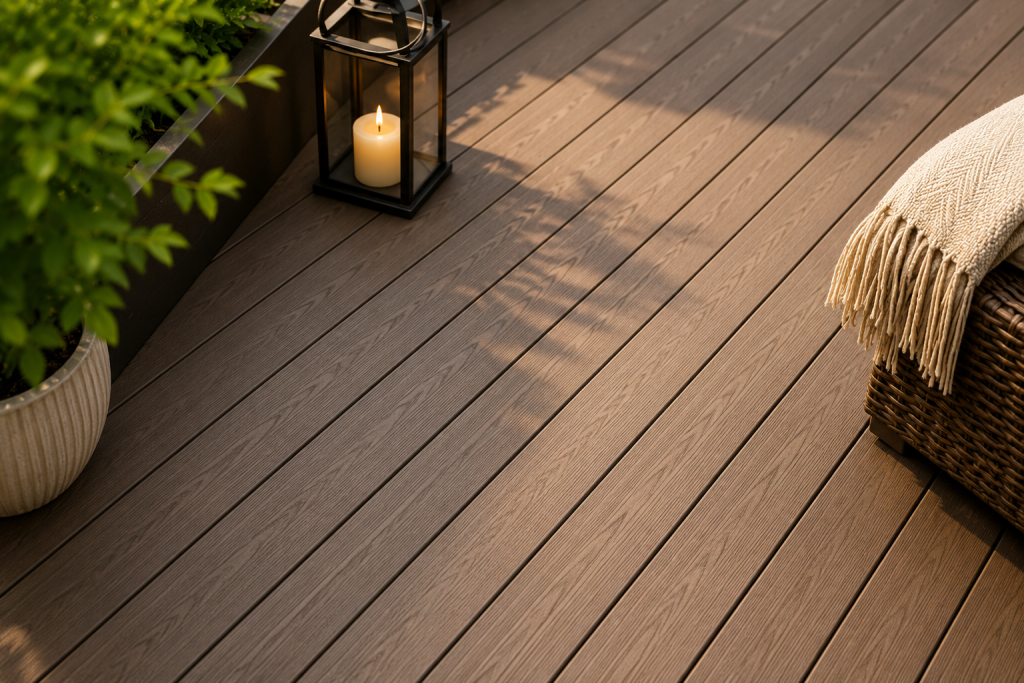
In a composite decking comparison, homeowners also notice variation in color realism and texture depth, with TimberTech often positioned as more design-forward. However, Trex tends to offer broader availability and more budget-friendly entry points. Both remain strong options, but their engineering priorities shape how they perform in different climates and usage conditions.
Trex Decking Review
A Trex decking review typically highlights the brand’s strong balance between affordability, durability, and widespread availability across the United States. In most Trex vs TimberTech comparisons, Trex is seen as the more accessible option for homeowners who want reliable performance without moving into the highest price tier of composite materials. In a typical Trex decking review, homeowners point out its consistent resistance to fading, staining, and moisture damage, making it suitable for a wide range of climates.
Its product lines, including entry-level and premium options, allow flexibility depending on budget and design goals. While it may not always match the ultra-premium finishes of competitors, it delivers dependable long-term performance for most residential projects. Overall, Trex remains a strong contender in the composite market due to its balance of cost efficiency and durability, making it a frequent choice in both Tech decisions.
TimberTech Decking Review: Trex vs TimberTech Comparison
A TimberTech decking review often emphasizes the brand’s premium positioning within the composite decking market, especially when compared in both Tech discussions. Homeowners frequently highlight TimberTech’s advanced surface technology, which improves resistance to scratches, stains, and long-term fading. In many TimberTech decking review summaries, the brand is praised for its realistic wood aesthetics and wide range of color and texture options. This makes it especially appealing for high-end outdoor living spaces where design detail matters as much as durability.
TimberTech also offers multiple product tiers, allowing homeowners to choose between value-focused and premium-grade boards depending on budget and project scope. Overall, TimberTech is viewed as a more design-forward option that prioritizes aesthetics and enhanced surface performance, making it a strong competitor in the ongoing Trex vs TimberTech comparison for homeowners seeking premium results.
Low-Maintenance Decking Comparison
In the Trex vs TimberTech debate, maintenance expectations play a major role in homeowner decisions. Both brands are considered leaders in low-maintenance decking, designed to reduce or eliminate the need for regular staining, sealing, and sanding that traditional wood decks require. Trex focuses on simplifying upkeep with durable capped composite surfaces that are easy to clean and resistant to common household stains and weather exposure.
TimberTech also delivers strong low-maintenance performance, with advanced protective capping systems that enhance resistance to fading, moisture, and surface wear over time. When evaluating low-maintenance decking, homeowners typically find that both brands significantly reduce long-term upkeep costs compared to wood. The key difference lies in finish quality and surface refinement, where TimberTech often leans more premium, while Trex emphasizes practicality and ease of ownership in everyday use.
Decking Warranty Comparison
A decking warranty comparison is a key factor in the Trex vs TimberTech decision, especially for homeowners focused on long-term investment protection. Both brands offer strong warranties, but the structure and coverage details vary depending on product line and tier. In general, Trex provides warranties that typically cover material defects, fading, and staining for extended periods on most of its capped composite products. TimberTech also offers competitive coverage, often including longer or more premium protections on its higher-end collections, particularly in its AZEK lines.
When reviewing a decking warranty comparison, it’s important to understand that coverage terms depend heavily on proper installation and maintenance compliance. While both brands offer strong consumer protection, TimberTech often positions itself slightly more premium in warranty scope, whereas Trex focuses on consistent, straightforward coverage across a wider range of products.
Composite Deck Durability Comparison
When evaluating Trex vs TimberTech, durability is often the deciding factor for long-term homeowners. composite deck durability varies between the two brands due to differences in surface engineering, protective capping systems, and material density. Trex is designed for consistent residential performance, offering strong resistance to moisture, fading, and everyday wear. It performs well in most US climates and is widely used in standard backyard installations.
TimberTech, however, typically uses more advanced capped polymer technology in its premium lines, which enhances scratch resistance and long-term surface stability. In terms of composite deck durability, both brands outperform traditional wood, but TimberTech often has an edge in extreme environments due to its higher-end material construction. Trex remains highly reliable for general use, making both options strong contenders depending on climate demands and homeowner expectations.
Premium Deck Boards Comparison
Within the Trex vs TimberTech matchup, premium deck boards represent the highest tier of performance and design refinement offered by both brands. These products are engineered for homeowners who prioritize aesthetics, long-term durability, and enhanced surface protection in high-visibility outdoor living spaces. Trex’s premium lines focus on reliable capped composite construction with improved fade resistance and a more refined wood-like appearance compared to entry-level boards.
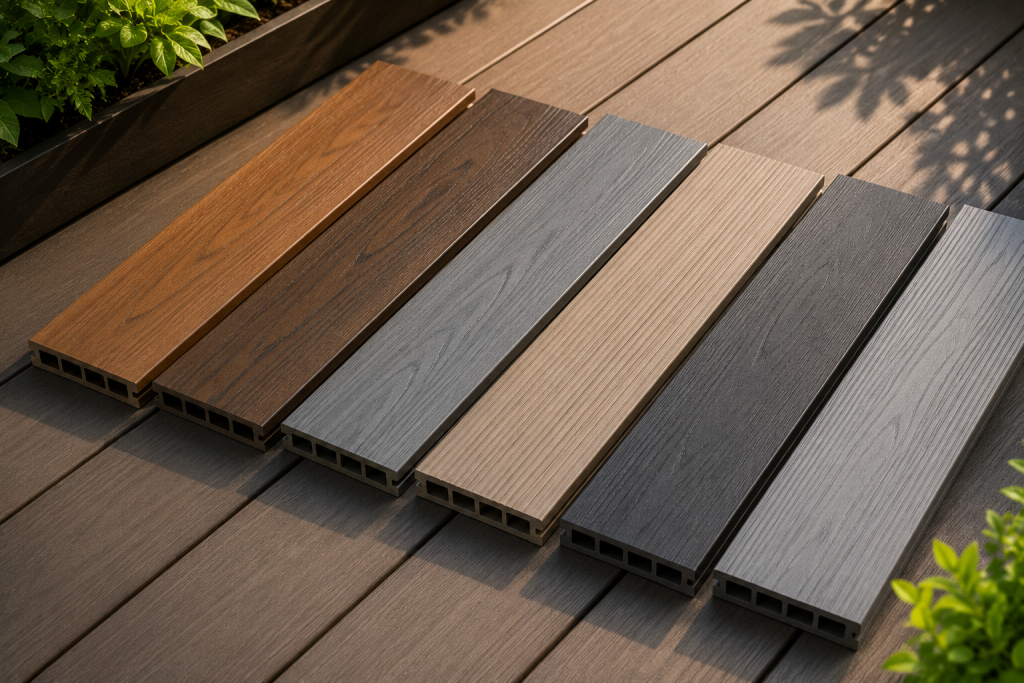
TimberTech’s premium offerings, especially in its higher-end collections, emphasize advanced polymer capping, deeper grain textures, and superior scratch resistance, making them particularly attractive for luxury installations. When comparing premium deck boards, TimberTech often positions itself as more design-forward, while Trex maintains strong value within its upper-tier products. Both deliver excellent performance, but the choice typically depends on whether the homeowner values enhanced visual realism or balanced premium durability at a more accessible price point.
Which Is Better for Your Home?
Choosing between Trex vs TimberTech ultimately depends on your budget, design expectations, and long-term performance priorities. Both brands are strong performers in the composite decking market, but they appeal to slightly different homeowner needs across the United States. Trex is often the better fit for homeowners seeking reliable performance, broad availability, and strong value. It delivers consistent durability and low-maintenance benefits without moving into the highest price tiers.
TimberTech, on the other hand, is ideal for those who prioritize premium aesthetics, advanced surface technology, and more refined design options. When deciding both Tech, consider your climate, how much maintenance you want to avoid, and whether visual detail or cost efficiency matters more. Both options significantly outperform traditional wood, so the final decision comes down to balancing lifestyle needs with long-term investment goals.
Conclusion
The Trex vs TimberTech decision comes down to balancing cost, design preference, and long-term performance expectations. Both brands are leaders in the composite decking market and offer strong alternatives to traditional wood, making them reliable choices for modern US homeowners. Trex stands out for its consistent value, wide availability, and dependable performance across most residential applications. TimberTech, meanwhile, positions itself as a more premium option with enhanced aesthetics and advanced material engineering, appealing to homeowners who prioritize design detail and surface refinement. In the end, the Trex vs TimberTech comparison doesn’t produce a single winner. Instead, the best choice depends on whether you value affordability and reliability or premium design and upgraded performance features. Both options deliver excellent durability and low-maintenance benefits that make them strong long-term investments for outdoor living spaces.
FAQs
In Trex vs TimberTech—which one is better?
In most Trex vs TimberTech comparisons, neither is universally better—Trex focuses on value and consistency, while TimberTech emphasizes premium design and surface technology.
Which lasts longer, Trex or TimberTech?
Both brands offer long lifespans, but TimberTech’s premium lines may have a slight edge in extreme climates due to advanced material engineering.
Which is more affordable?
Trex is generally more budget-friendly, especially in its entry-level product lines, while TimberTech leans toward mid-range and premium pricing.
Do both brands require maintenance?
Both offer low-maintenance performance compared to wood, requiring only basic cleaning without staining or sealing.
Which is better for resale value?
Both improve outdoor appeal, but TimberTech’s premium aesthetics can sometimes provide a slight edge in higher-end markets.