

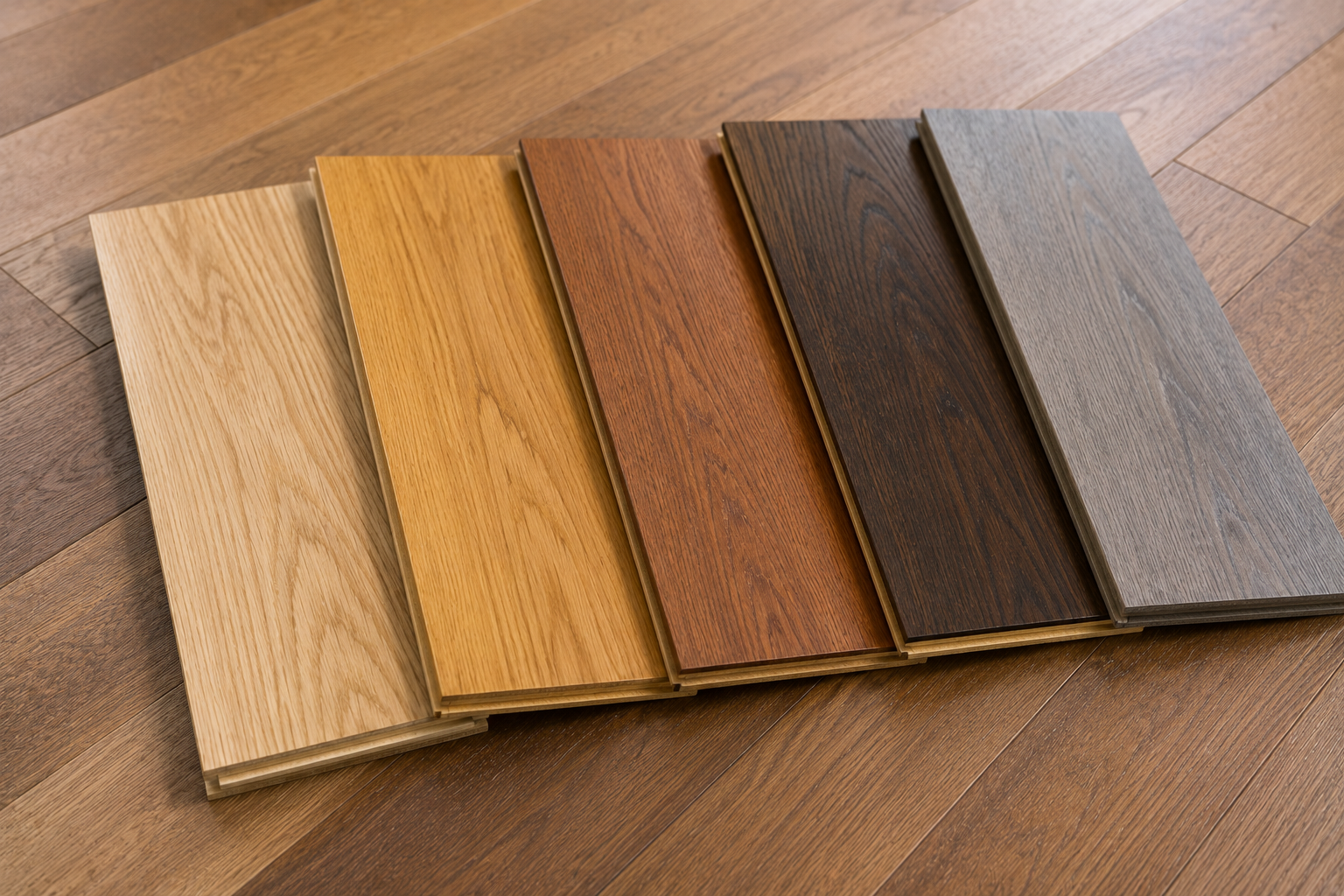
Types of Hardwood Flooring Explained (2026 US Guide)
Understanding the types of hardwood flooring is essential for US homeowners planning a remodel, new build, or flooring upgrade. Hardwood is not a single product, it includes multiple categories that vary by construction, wood species, durability, and design style. These differences directly impact performance, maintenance, and long-term value. Most homeowners encounter two main categories: solid hardwood flooring and engineered hardwood, along with several popular species such as oak, maple, and hickory. Each option behaves differently depending on climate conditions, household traffic, and installation environment.
Beyond structure, wood floor styles also influence how a home looks and feels, from traditional rustic designs to modern smooth finishes. In regions like the Midwest, Southeast, and coastal states, choosing the right type of hardwood can significantly affect lifespan and comfort. This guide breaks down each category so homeowners can make informed, climate-smart flooring decisions.
Solid Hardwood Flooring – Classic Long-Term Choice
Solid hardwood flooring is one of the most traditional and durable flooring options used in US homes. It is made from a single piece of natural wood, typically milled from species like oak, maple, or hickory, and installed as full-thickness planks. This structure gives it a strong, authentic feel that many homeowners associate with long-term value and premium construction.
One of the biggest advantages of solid hardwood is its ability to be sanded and refinished multiple times over its lifespan. This makes it a strong candidate for homeowners focused on longevity and resale value flooring benefits. It is especially popular in older homes across the Northeast and Midwest, where classic wood flooring is part of the architectural identity. However, solid hardwood is more sensitive to moisture and humidity changes. In coastal or humid Southern regions, it requires proper climate control to prevent warping or gapping over time.
Engineered Hardwood Flooring – Modern Stability Option
Engineered hardwood flooring is designed to offer the appearance of real wood with improved structural stability. Unlike solid hardwood, it is built with multiple layers of wood-based materials, topped with a genuine hardwood veneer. This layered construction helps reduce movement caused by humidity and temperature changes, making it more adaptable for many US climates.

For homeowners evaluating the types of hardwood flooring, engineered options are especially valuable in regions with fluctuating weather conditions, such as the Southeast, Pacific Northwest, and coastal states. It performs well in homes built on concrete slabs and is commonly used in modern suburban developments. Another advantage is installation flexibility, as engineered planks can often be installed over a wider range of subfloors. While it may not offer as many refinishing cycles as solid hardwood, it provides a balanced combination of durability, appearance, and climate resistance, making it a practical choice for many US households.
Oak Hardwood Floors – Most Popular US Choice
Oak hardwood floors are among the most widely used options in American homes, making oak a cornerstone in discussions about the types of hardwood flooring. Known for its strength, durability, and versatile grain patterns, oak fits seamlessly into both traditional and modern interior designs. There are two primary varieties used in US flooring: red oak and white oak. Red oak features a warmer tone with more visible grain movement, while white oak offers a slightly harder surface and a more neutral, modern appearance.
Both perform well in high-traffic residential environments, which is why oak is often recommended for families. In terms of performance, oak handles everyday wear effectively and is relatively easy to stain in different finishes, giving homeowners flexibility in wood floor styles. It also maintains strong resale appeal, especially in suburban markets where buyers expect classic hardwood flooring as a standard feature.
Maple Hardwood Flooring – Clean, Modern Look
Maple hardwood flooring is a popular choice for US homeowners who prefer a clean, light-toned aesthetic with a smooth, contemporary finish. Within the types of hardwood flooring, maple stands out for its subtle grain pattern and consistent coloration, which creates a more uniform look compared to more textured species like oak or hickory. One of maple’s key strengths is its hardness. It performs well in high-traffic residential spaces, making it suitable for busy households, hallways, and living areas.
However, its dense structure can make it slightly more challenging to stain evenly, which is why many maple floors are left in natural or lightly finished tones. In regions like the Northeast and Midwest, maple is often used in modern-style homes and renovations where bright interiors are preferred. While it may show scratches more visibly than darker wood species, its durability and minimalist appeal make it a strong option for contemporary wood floor styles.
Hickory Wood Flooring – Strongest Domestic Option
Hickory wood flooring is widely recognized as one of the hardest and most durable domestic hardwoods used in US homes. Among the types of hardwood flooring, hickory stands out for its exceptional strength, bold grain patterns, and natural color variation, which gives it a distinctive, rustic appearance.
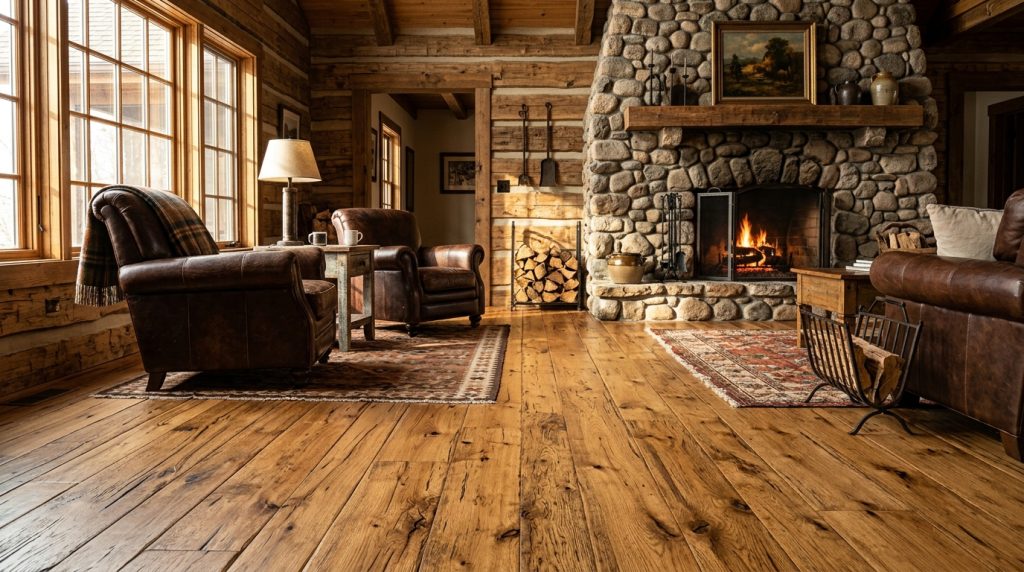
Because of its high density, hickory performs extremely well in high-traffic environments. It resists dents and wear better than many other common species, making it a strong choice for active households, especially those with pets or heavy foot traffic. This durability makes it particularly popular in farmhouse-style homes and rural or suburban properties across the Midwest and Southern US. However, hickory’s dramatic grain and color variation can make it less suitable for homeowners seeking a uniform or minimalist look. It also requires careful installation and finishing to maintain a balanced visual flow across larger spaces.
Exotic Types of Hardwood Flooring – Premium Design Category
Exotic hardwood flooring represents the premium end of the types of hardwood flooring, featuring species sourced from outside the United States such as Brazilian cherry, teak, and mahogany. These woods are known for their striking color variation, unique grain patterns, and high-end visual appeal, making them a popular choice in luxury residential design. For US homeowners, exotic hardwood is often used to create standout interiors in upscale properties, custom builds, or architect-designed homes. Its aesthetic appeal is a major selling point, especially in markets where design differentiation impacts property value and buyer perception.
However, exotic hardwood typically comes at a higher price point and may require more careful maintenance depending on the species. Some varieties can also be sensitive to humidity changes, which makes proper installation and climate control important. Despite these considerations, exotic woods remain a top-tier choice for homeowners prioritizing luxury wood floor styles and distinctive interior design.
Solid vs Engineered Comparison (Decision Section)
When comparing the main types of hardwood flooring, the choice between solid and engineered hardwood is one of the most important decisions for US homeowners. Each option offers distinct advantages depending on climate, budget, and long-term expectations. Solid hardwood flooring is made from a single piece of wood and is valued for its ability to be sanded and refinished multiple times. This makes it a strong long-term investment, especially in stable indoor environments where humidity is controlled. It is often preferred in traditional homes where longevity and resale value flooring impact are priorities.
Engineered hardwood flooring, on the other hand, uses a layered core with a real wood surface, offering improved resistance to moisture and temperature fluctuations. This makes it more suitable for basements, coastal regions, and modern slab-built homes. Ultimately, solid hardwood emphasizes longevity, while engineered hardwood prioritizes stability and installation flexibility across diverse US climates.
How to Choose the Right Hardwood Type for Your Home?
Choosing between the types of hardwood flooring becomes much easier when you match each option to your home’s lifestyle, climate, and long-term goals. US homeowners should think beyond appearance and focus on how each material performs in real-world conditions over time. For high-traffic family homes, durable species like hickory or oak are often the best fit due to their resistance to wear. In modern suburban homes or humid climates, engineered hardwood provides better stability and reduces the risk of warping or expansion.
Maple works well for clean, contemporary interiors, while exotic hardwood is best suited for luxury builds where design impact is a priority. Budget also plays a key role, but long-term maintenance and resale value flooring potential should not be overlooked. Homes in competitive markets like California, Texas, or the Northeast often benefit from higher-quality wood choices that align with buyer expectations.
Final Verdict
Understanding the types of hardwood flooring ultimately comes down to selecting the right material for your specific home and lifestyle rather than searching for a single “best” option. Each hardwood type serves a different purpose within US residential design and performs differently depending on climate, traffic levels, and budget. For overall versatility, oak remains the most balanced choice due to its durability, availability, and strong resale value flooring appeal in most US markets. Hickory is the best option for maximum strength and scratch resistance, making it ideal for active households. Maple offers a cleaner, modern aesthetic suited for contemporary interiors, while engineered hardwood is the most practical solution for humid or variable climates. Exotic hardwoods, meanwhile, are best reserved for luxury homes where visual impact is the priority. The right choice depends on balancing performance, maintenance, and long-term investment value across real-world living conditions.
FAQs
What are the main types of hardwood flooring?
The main types of hardwood flooring include solid hardwood, engineered hardwood, and various wood species such as oak, maple, hickory, and exotic hardwoods. Each type differs in durability, appearance, and suitability for different US climates and home styles.
Which hardwood flooring type is most durable?
Hickory is generally considered the most durable domestic option due to its high density and resistance to dents. Engineered hardwood is also highly durable in terms of moisture stability, especially in humid regions.
Is engineered hardwood better than solid hardwood?
Engineered hardwood is better for moisture-prone environments and modern homes built on concrete slabs. Solid hardwood is better for long-term refinishing and traditional resale value flooring benefits in stable climates.
What is the most popular hardwood species in the US?
Oak is the most commonly used species in American homes due to its strength, availability, and versatility in different wood floor styles.
Is exotic hardwood worth it?
Exotic hardwood is worth it for luxury homes where design uniqueness and visual impact are priorities. However, it is more expensive and may require more careful maintenance.
Which hardwood type is best for modern homes?
Maple and engineered hardwood are popular in modern US homes because they offer clean aesthetics, durability, and compatibility with contemporary interiors.
Does hardwood flooring increase home value?
Yes, hardwood flooring is widely associated with higher property value in the US housing market. Buyers often prefer natural wood over synthetic flooring due to durability and appearance.