


Different Types of Laminate Flooring Explained
Laminate flooring has become one of the most popular flooring choices for American homeowners thanks to its affordability, durability, and realistic appearance. Modern laminate products can closely mimic hardwood, stone, and tile while offering easier maintenance and lower installation costs. Whether you’re renovating a 2,000-square-foot suburban home in Texas or updating a condo in Florida, laminate flooring provides a practical solution for a wide range of budgets and design preferences. Understanding the different types of laminate flooring is essential before starting a remodeling project.
Today’s laminate options include varying construction methods, surface textures, moisture-resistance levels, and visual styles designed for specific rooms and climates. From high-pressure laminate flooring built for heavy traffic to waterproof laminate flooring designed for kitchens and basements, each option serves a unique purpose. In this guide, we’ll explain the major laminate flooring categories, compare their benefits, and help you choose the best flooring solution for your home’s needs, lifestyle, and long-term resale value.
What Is Laminate Flooring?
Laminate flooring is a multi-layer synthetic flooring product designed to replicate the appearance of natural materials such as hardwood, stone, or ceramic tile. Understanding the different types of laminate flooring begins with knowing how these products are constructed. Unlike solid hardwood flooring, laminate is made using several compressed layers that work together to provide durability, stability, and visual appeal. A typical laminate plank includes a protective wear layer that resists scratches and stains, a decorative image layer that creates the desired look, a high-density fiberboard (HDF) core for strength, and a backing layer that helps prevent warping from minor moisture exposure. This layered construction is shared across many types of laminate flooring, making laminate a popular choice for busy households, especially those with children and pets.
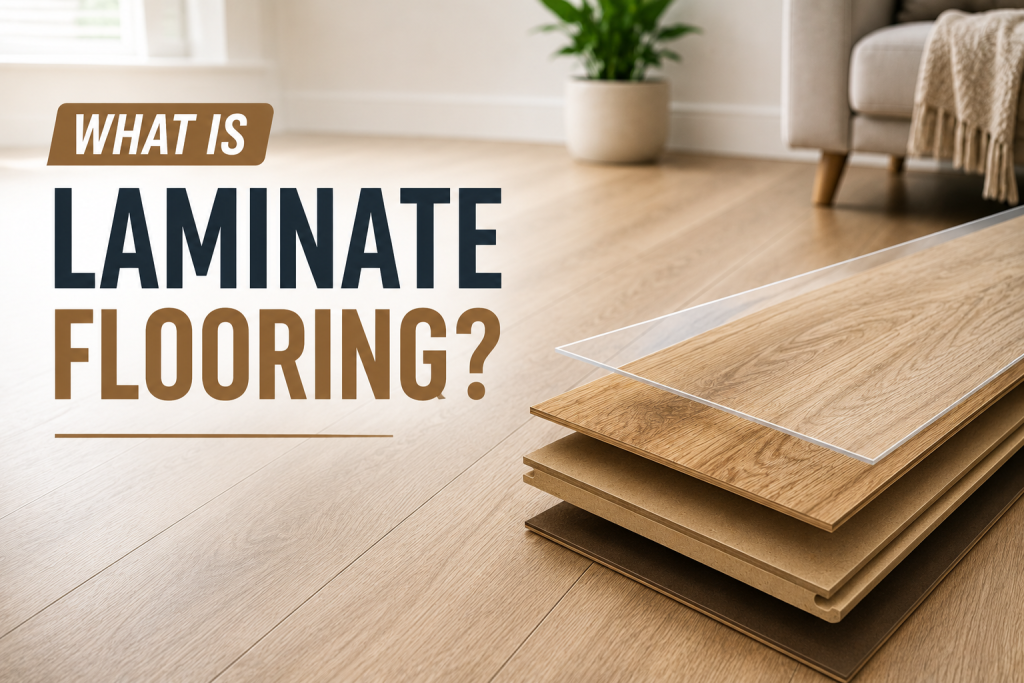
Many modern wood-look laminate products feature advanced printing technology and embossed textures that closely resemble real wood grain. Compared to hardwood, laminate is generally more affordable, easier to install, and requires less ongoing maintenance, making it attractive for budget-conscious homeowners across the United States.
High-Pressure Laminate Flooring (HPL)
High-pressure laminate flooring is considered one of the most durable laminate flooring options available. It is manufactured by fusing multiple layers under extremely high heat and pressure, creating a dense and highly resilient surface capable of withstanding heavy foot traffic, impacts, and daily wear.
Because of its superior construction, HPL flooring is commonly used in busy households, commercial spaces, and areas that experience constant activity. Among the most durable types of laminate flooring, high-pressure laminate (HPL) is especially beneficial for homes with large families, active pets, or high-traffic entryways. The enhanced wear layer also offers better protection against scratches, dents, and fading caused by sunlight exposure.
While HPL products typically cost more than standard laminate options, many homeowners view the investment as worthwhile due to their longer lifespan and lower maintenance requirements. For homeowners prioritizing durability and long-term value, HPL remains one of the strongest types of laminate flooring available on the market today.
Direct-Pressure Laminate (DPL)
Direct-pressure laminate is the most common type of laminate flooring found in residential homes across the United States. Unlike high-pressure laminate, DPL is manufactured by pressing all flooring layers together in a single process, making production more efficient and cost-effective.
This construction method helps keep prices affordable while still delivering good durability for everyday use. Modern DPL flooring is available in a wide variety of styles, colors, and plank sizes, allowing homeowners to achieve the look of hardwood or stone without the higher material costs. Many leading brands, including Pergo, Mohawk, and Shaw Floors, offer direct-pressure laminate collections designed for living rooms, bedrooms, dining rooms, and home offices.
Although DPL may not provide the same level of impact resistance as high-pressure laminate flooring, it offers excellent value for most households. For homeowners seeking a balance between performance, appearance, and budget, direct-pressure laminate remains one of the most practical flooring solutions available.
Wood-Look Laminate Flooring
Wood-look laminate is the most popular style among homeowners because it delivers the warmth and character of hardwood flooring at a significantly lower cost. Advances in printing and embossing technology have allowed manufacturers to create highly realistic designs that closely resemble species such as oak, maple, hickory, walnut, and pine.
This type of laminate flooring is available in a wide range of colors, plank widths, and surface textures, making it one of the most versatile types of laminate flooring for both traditional and modern interiors. Light oak tones are popular in coastal homes throughout Florida and California, while darker walnut-inspired finishes often complement contemporary homes in cities like Dallas and Denver.
Many premium laminate products feature embossed-in-register technology, which aligns the surface texture with the printed wood grain pattern for a more authentic appearance. For homeowners seeking strong curb appeal, durability, and affordability, wood-look laminate remains one of the most popular types of laminate flooring available for nearly every room in the home.
Stone-Look Laminate Flooring
Stone-look laminate flooring offers the elegant appearance of natural stone without the high cost, weight, or maintenance requirements associated with materials such as slate, marble, and travertine. Using high-definition imaging technology, manufacturers can replicate the visual depth and texture of real stone while maintaining the comfort and affordability of laminate.
This flooring style is often chosen for kitchens, entryways, laundry rooms, and finished basements where homeowners want a sophisticated design without investing in natural stone installation. Among the premium types of laminate flooring, stone-look laminate offers the visual appeal of natural stone while feeling warmer underfoot and remaining easier to install due to its click-lock system.
Many homeowners appreciate stone-look laminate because it delivers upscale aesthetics while remaining budget-friendly. It can also complement a variety of interior styles, from modern farmhouse to contemporary designs. For homeowners seeking a luxury-inspired floor with lower maintenance demands, stone-look laminate flooring stands out as one of the most attractive types of laminate flooring available today.
Tile-Look Laminate Flooring
Tile-look laminate flooring is one of the most versatile types of laminate flooring, designed to mimic the appearance of ceramic, porcelain, or natural stone tile while offering the comfort and installation advantages of laminate. It is an appealing option for homeowners who want the clean, structured appearance of tile without dealing with grout lines, cold surfaces, or higher installation costs.
Modern tile-look laminate products feature realistic patterns, textures, and beveled edges that closely resemble traditional tile flooring. Among the various types of laminate flooring, this style is commonly used in kitchens, laundry rooms, mudrooms, and finished basements where homeowners prefer a sleek and low-maintenance floor. Some collections even replicate large-format tiles that are popular in contemporary home designs.
Compared to ceramic tile, laminate is generally softer underfoot and can be installed more quickly using floating floor systems. For budget-conscious homeowners seeking a polished appearance and easier upkeep, tile-look laminate flooring remains one of the most practical types of laminate flooring, blending style, comfort, and affordability.
Smooth Laminate Flooring
Smooth laminate flooring features a flat, uniform surface that creates a clean and refined appearance. This style is often selected for modern, contemporary, and minimalist interiors where homeowners prefer sleek flooring with subtle visual texture. Its polished look works particularly well in living rooms, bedrooms, home offices, and open-concept spaces.
One of the biggest advantages of smooth laminate is its ease of maintenance. Dust, pet hair, and everyday debris can be quickly removed with regular sweeping or vacuuming, making it a convenient choice for busy households. The flat surface also allows furniture to move more easily and creates a streamlined aesthetic throughout the home.
While smooth laminate may not replicate natural wood as realistically as textured laminate floors, it remains a popular option for homeowners seeking simplicity and affordability. Many manufacturers offer smooth finishes in a variety of wood and stone designs, providing flexibility for different decorating styles and renovation budgets.
Textured Laminate Floors
Textured laminate floors are designed to replicate the natural feel of real hardwood by adding surface patterns that mirror authentic wood grain. Through advanced embossing techniques, manufacturers create raised textures that align with the printed design, resulting in a more realistic and visually appealing floor.
This style has gained popularity among homeowners who want the appearance of hardwood without the higher cost and maintenance requirements. Among the many types of laminate flooring, textured laminate is available in a wide range of wood-species looks, including oak, hickory, maple, and walnut. The added texture also helps conceal minor scratches, dust, and everyday wear, making it an excellent choice for active households.
In addition to enhancing realism, textured surfaces can provide slightly better traction than smooth finishes, which may be beneficial in homes with children or pets. For homeowners focused on achieving a premium, hardwood-inspired appearance, textured laminate flooring often delivers one of the most authentic looks available among modern types of laminate flooring.
Hand-Scraped and Distressed Laminate Finishes
Hand-scraped and distressed laminate flooring is one of the most popular types of laminate flooring for homeowners seeking the character of aged hardwood floors. These styles feature intentional surface variations, subtle grooves, knots, and weathered details that create a rustic, lived-in appearance. They are especially popular in farmhouse, cottage, ranch, and traditional home designs throughout the United States.
Hand-scraped laminate mimics the look of wood that has been shaped by hand tools, while distressed laminate recreates the worn texture often found in reclaimed or antique flooring. Among the various types of laminate flooring, both options add visual depth and can help hide everyday signs of wear, making them practical choices for busy households.
Homeowners often choose these finishes to create warmth and personality within a space without the cost associated with reclaimed hardwood. When paired with neutral wall colors, exposed beams, or natural materials, these types of laminate flooring can become standout design features that enhance a home’s overall charm and character.
How Waterproof Laminate Differs From Standard Laminate Flooring
Waterproof laminate flooring is engineered to provide greater protection against moisture than traditional laminate products. While standard laminate can be damaged if water penetrates the seams and reaches the core, waterproof laminate incorporates sealed edges, water-resistant coatings, and enhanced core materials designed to prevent moisture intrusion.
This added protection makes waterproof laminate a popular choice for homeowners in humid regions such as Florida, Louisiana, and parts of the Pacific Northwest, where moisture exposure is a common concern. It is also ideal for families with pets, young children, or busy households where spills are more likely to occur.
Although waterproof laminate offers improved moisture resistance, homeowners should understand that no flooring product is completely immune to standing water for extended periods. Prompt cleanup remains important. Among the different types of laminate flooring, waterproof options provide significantly greater peace of mind compared to traditional laminate while maintaining the appearance and affordability that make laminate flooring so attractive.
Best Areas for Waterproof Laminate Flooring
Waterproof laminate flooring performs best in areas where occasional moisture, spills, and humidity are part of daily life. Unlike traditional laminate products, these advanced floors are specifically designed to handle challenging environments while preserving their appearance and structural integrity.
Kitchens are among the most popular locations for waterproof laminate because spills from cooking and cleaning are common. Among the various types of laminate flooring, waterproof laminate is specifically designed for areas where moisture protection is a priority. Mudrooms and entryways also benefit from added moisture protection, especially in regions that experience heavy rain, snow, or seasonal weather changes. Finished basements are another excellent application, as they often face higher humidity levels than the rest of the home.
Homes with pets and young children can also benefit from waterproof laminate’s durability and easier cleanup. For homeowners seeking a balance between affordability and moisture protection, waterproof laminate offers a practical solution that works well in high-risk areas without sacrificing style. Many modern collections also feature realistic wood-look laminate designs, combining performance with attractive aesthetics.
Laminate Floor Finishes: Matte, Satin, and High-Gloss Options
The appearance of laminate flooring is influenced not only by its color and texture but also by its finish. Different laminate floor finishes can affect a room’s overall style, maintenance requirements, and how well the flooring hides everyday wear.

Matte Finish
Matte laminate flooring has little to no shine, creating a natural appearance that closely resembles authentic hardwood. It is particularly effective at concealing dust, footprints, and minor scratches, making it a popular choice for busy households.
Satin Finish
Satin finishes offer a subtle sheen that balances elegance and practicality. This finish reflects some light while still hiding everyday imperfections better than high-gloss surfaces. It works well in both traditional and contemporary homes.
High-Gloss Finish
High-gloss laminate creates a polished, reflective appearance that can make smaller rooms feel larger and brighter. While visually striking, it tends to reveal dust, pet hair, and scratches more easily, requiring more frequent cleaning to maintain its appearance.
Comparison Table: Different Types of Laminate Flooring
Choosing between different types of laminate flooring becomes easier when you compare their durability, moisture resistance, appearance, and ideal applications. The table below highlights the primary differences homeowners should consider before making a purchase.
| Laminate Type | Durability | Water Resistance | Cost Range | Best For |
| High-Pressure Laminate Flooring | Excellent | Moderate | $$$ | High-traffic homes, busy families |
| Direct-Pressure Laminate | Good | Moderate | $$ | Budget-friendly residential projects |
| Wood-Look Laminate | Good to Excellent | Varies by product | $$–$$$ | Living rooms, bedrooms, resale value |
| Stone-Look Laminate Flooring | Good | Moderate | $$–$$$ | Kitchens, entryways, modern interiors |
| Tile-Look Laminate | Good | Moderate | $$ | Laundry rooms, basements |
| Textured Laminate Floors | Excellent | Varies by product | $$–$$$ | Homes seeking realistic hardwood visuals |
| Waterproof Laminate Flooring | Excellent | Excellent | $$$ | Kitchens, mudrooms, pet-friendly homes |
While each option has advantages, the best choice depends on your home’s traffic levels, moisture exposure, design preferences, and renovation budget. Homeowners often find that balancing durability with appearance delivers the strongest long-term value.
How to Choose the Right Type of Laminate Flooring
Selecting the right types of laminate flooring depends on how and where the flooring will be used. Homeowners should evaluate traffic levels, moisture exposure, maintenance expectations, and long-term value before making a decision. For high-traffic spaces such as entryways, hallways, and family rooms, high-pressure laminate flooring offers superior durability and wear resistance. Homes with pets or children may benefit from textured laminate floors, which help conceal minor scratches and everyday wear. In kitchens, mudrooms, and finished basements, waterproof laminate flooring provides added protection against spills and humidity.
Design preferences also play an important role. Wood-look laminate remains the most versatile option for increasing visual appeal and supporting resale value, while stone-look laminate flooring can create a more upscale appearance in contemporary homes. Ultimately, the best laminate flooring balances performance, aesthetics, and budget while meeting the specific needs of your household and local climate conditions.
Popular Laminate Flooring Brands in the United States
The quality of laminate flooring can vary significantly between manufacturers, which is why choosing a reputable brand is just as important as selecting the right style. Several companies have established strong reputations for durability, design innovation, and warranty coverage in the U.S. market.
Pergo is widely recognized as one of the pioneers of laminate flooring and offers a broad range of durable and waterproof collections. Mohawk is known for its realistic wood visuals, scratch-resistant surfaces, and family-friendly flooring options. Shaw Floors provides a diverse selection of laminate products designed to withstand heavy household traffic while maintaining an attractive appearance.
Other respected manufacturers include Mannington, which emphasizes moisture-resistant technologies, and Quick-Step, a brand known for premium designs and easy installation systems. When comparing brands, homeowners should evaluate warranty terms, AC wear ratings, water-resistance features, and independent certifications such as FloorScore to ensure long-term performance and indoor air quality standards.
Final Thoughts
Understanding the different types of laminate flooring can help homeowners make a more confident and cost-effective flooring decision. From durable high-pressure laminate flooring designed for heavy traffic to budget-friendly direct-pressure laminate and moisture-resistant waterproof laminate flooring, today’s products offer solutions for nearly every room and lifestyle. Appearance also plays a major role in the selection process. Whether you prefer the warmth of wood-look laminate, the elegance of stone-look laminate flooring, or the realism of textured laminate floors, modern manufacturing technology provides more design flexibility than ever before. Choosing the right laminate floor finishes can further enhance your home’s style while influencing maintenance requirements and long-term performance. Before making a purchase, consider your home’s traffic patterns, local climate, moisture exposure, and renovation budget. By matching the flooring type to your specific needs, you can enjoy an attractive, durable surface that delivers lasting value, improved functionality, and strong appeal for years to come.
Frequently Asked Questions
What is the most durable laminate flooring?
High-pressure laminate flooring is generally considered the most durable option because its manufacturing process creates a denser, more impact-resistant surface. It is well suited for high-traffic households, homes with pets, and areas that experience heavy daily use.
Is waterproof laminate flooring really waterproof?
Waterproof laminate flooring offers significantly better moisture protection than standard laminate thanks to sealed joints and water-resistant core materials. However, standing water should still be cleaned promptly to maximize the floor’s lifespan.
Which laminate flooring looks most like real wood?
Many homeowners prefer wood-look laminate with embossed-in-register textures because it closely replicates the appearance and feel of natural hardwood. Premium collections often feature realistic grain patterns and beveled plank edges.
Is laminate flooring good for resale value?
Quality laminate flooring can improve a home’s appearance and marketability, particularly when replacing worn carpet or outdated flooring. While it may not add as much value as hardwood, modern laminate remains attractive to many buyers.
How long does laminate flooring last?
Depending on product quality, installation, and maintenance, laminate flooring can last anywhere from 15 to 25 years or longer. Premium products with thicker wear layers typically provide the longest service life.