


Types of Roofing Materials: The Complete Homeowner’s Guide to Choosing the Best Roof
Choosing the right roof is one of the most important decisions a homeowner can make. The roof protects your home from weather, improves energy efficiency, influences maintenance costs, and plays a major role in curb appeal. With so many options available today, understanding the different types of roofing materials can help you make a more informed investment. From affordable solutions to premium long-lasting systems, each roofing material offers unique advantages and tradeoffs. Factors such as climate, durability, lifespan, installation costs, and appearance all affect which option is best for your property.
A roofing material that performs well in the hot climate of Arizona may not be the ideal choice for a home in snowy Minnesota. This guide explores the most popular types of roofing materials used across the United States, compares their benefits and drawbacks, and explains how homeowners can choose the right roofing system based on their budget, location, and long-term goals.
Why Understanding Types of Roofing Materials Matters
Selecting a roof involves much more than choosing a style that looks attractive from the street. Different types of roofing materials vary significantly in durability, maintenance requirements, weather resistance, and long-term value. A roofing system that lasts 20 years may have a lower upfront cost, while another option could last 50 years or more and reduce future replacement expenses.

Climate is another major factor. Homeowners in hurricane-prone states such as Florida often prioritize impact resistance, while those in northern regions may focus on snow-load performance and freeze-thaw durability. Energy efficiency also plays an important role, as certain roofing products can help reduce cooling costs during hot summers. By understanding the available types of roofing materials, homeowners can balance budget, performance, appearance, and resale value to make a decision that supports their property’s long-term needs.
Types of Roofing Materials Compared at a Glance
Before comparing individual products in detail, it helps to understand how the most common types of roofing materials differ in cost, lifespan, maintenance needs, and ideal applications. While no single roofing option is perfect for every home, the table below provides a quick overview of what homeowners can expect from each category.
| Roofing Material | Typical Lifespan | Maintenance Level | Relative Cost | Best For |
| Asphalt | 20–30 years | Low | $ | Budget-conscious homeowners |
| Metal | 40–70 years | Low | $$–$$$ | Energy efficiency and durability |
| Clay/Concrete Tile | 50–100 years | Low | $$$ | Warm climates |
| Slate | 75–150+ years | Low | $$$$ | Premium homes |
| Wood Shake | 25–40 years | Moderate | $$$ | Natural appearance |
| Composite | 30–50 years | Low | $$–$$$ | Balanced performance |
Understanding these types of roofing materials at a high level makes it easier to evaluate which option aligns with your home’s climate, budget, and long-term ownership goals.
Asphalt Shingles: America’s Most Popular Roofing Choice
Among all types of roofing materials, asphalt shingles remain the most widely installed option in the United States. Their popularity comes from a combination of affordability, straightforward installation, broad style selection, and reliable performance across many climate zones. Modern shingle roofs are available in a variety of colors and architectural designs, allowing homeowners to enhance curb appeal without significantly increasing project costs. Leading manufacturers such as GAF, Owens Corning, and CertainTeed offer products with enhanced wind resistance and extended warranty coverage.
While this roofing option typically does not last as long as premium alternatives, it often provides the best balance between upfront cost and performance. For many homeowners planning to stay in their property for the next two to three decades, it remains one of the most practical choices available.
Metal Roofing: Durable and Energy Efficient
Homeowners looking for exceptional longevity often consider metal roofing as a premium alternative to traditional roof systems. Known for its durability, this material can withstand harsh weather conditions, including heavy rain, high winds, and significant temperature fluctuations. One of the biggest advantages of metal roofs is energy efficiency. Reflective coatings can reduce heat absorption, helping lower cooling costs in warmer states such as Texas, Arizona, and Florida. Many products also qualify for energy-efficiency programs and can contribute to lower utility expenses over time.
Although installation costs are generally higher than entry-level roofing options, the extended lifespan often offsets the initial investment. For homeowners focused on long-term value, reduced maintenance, and strong weather resistance, this roofing solution remains one of the most dependable choices available in today’s market.
Tile Roofing: Long-Lasting Protection for Warm Climates
For homeowners in hot and sunny regions, tile roofing is often considered one of the most durable and visually appealing options available. Commonly found throughout Florida, California, Arizona, and other warm-weather states, tile roofs offer outstanding resistance to heat, moisture, and insect damage. Clay and concrete tiles are designed to withstand decades of exposure to harsh environmental conditions while maintaining their appearance. Their thermal properties can also help regulate indoor temperatures, making them attractive for energy-conscious homeowners.
The primary drawback is weight. Because tile systems are heavier than many alternatives, some homes may require additional structural support before installation. Despite the higher upfront investment, many homeowners appreciate the long lifespan, distinctive curb appeal, and strong performance that make tile roofs a popular choice in warm-climate markets.
Slate Roofing: Premium Beauty and Exceptional Lifespan
When it comes to luxury roofing systems, slate roofing is often viewed as the gold standard. Made from natural stone, slate offers a distinctive appearance that enhances architectural character while delivering exceptional durability. One of its most impressive benefits is lifespan. A properly installed slate roof can last well over a century, making it one of the longest-lasting roofing options available. It also provides excellent resistance to fire, moisture, and extreme weather conditions, which contributes to its reputation as a premium roofing solution.
However, slate is among the most expensive materials on the market. Its weight may require structural reinforcement, and installation should be performed by contractors experienced with natural stone roofing systems. For homeowners seeking timeless beauty and unmatched longevity, slate remains a top-tier investment that can significantly enhance property value.
Wood Shake Roofing: Natural Character and Rustic Appeal
Homeowners who prefer a traditional and natural aesthetic often choose wood shake roofing for its distinctive texture and timeless charm. Frequently associated with cottages, historic homes, and upscale residential properties, wood shakes create a warm appearance that many manufactured products struggle to replicate. Typically crafted from cedar, these roofing systems offer natural insulation benefits and can contribute to a home’s overall curb appeal. When properly maintained, wood shakes can provide decades of reliable performance while developing a unique weathered character over time.
The tradeoff is maintenance. Unlike some modern roofing materials, wood roofs require periodic inspections and upkeep to protect against moisture, mold, insects, and weather-related deterioration. For homeowners who value authentic architectural character and are willing to invest in maintenance, wood shake roofs remain an attractive option.
Composite Roofing: Modern Performance with Traditional Looks
For homeowners seeking a balance between appearance, durability, and affordability, composite roofing has become an increasingly popular choice. Manufactured from engineered materials, composite products are designed to replicate the look of slate, wood, or tile while reducing many of the maintenance concerns associated with natural materials. One of the biggest advantages of composite roofs is versatility. They are available in a wide range of styles and colors, making it easier to match different architectural designs.
Many products also offer strong resistance to impact, moisture, fading, and fire. Compared with some premium roofing systems, composite materials are generally lighter and easier to install. This can help reduce structural concerns and installation costs. For homeowners looking for a modern roofing solution that combines aesthetics with practical performance, composite products offer a compelling alternative.
Roofing Material Comparison: Cost, Lifespan, and Maintenance
A thorough roofing material comparison can help homeowners understand which option delivers the best value for their specific needs. While upfront cost is often a deciding factor, long-term performance, maintenance requirements, and replacement frequency should also be considered when evaluating the various types of roofing materials available today.
| Material Category | Relative Cost | Typical Lifespan | Maintenance |
| Asphalt | Low | 20–30 Years | Low |
| Metal | Moderate–High | 40–70 Years | Low |
| Tile | High | 50–100 Years | Low |
| Slate | Premium | 75–150+ Years | Low |
| Wood Shake | Moderate–High | 25–40 Years | Moderate |
| Composite | Moderate | 30–50 Years | Low |
When comparing types of roofing materials, homeowners should focus on total ownership costs rather than installation expenses alone. A higher initial investment can often provide better durability, fewer repairs, and greater long-term value.
How to Choose the Best Roofing Material for Your Climate
Climate is one of the most important factors when evaluating types of roofing materials. A roof that performs exceptionally well in one region may not deliver the same results in another. Weather conditions, temperature extremes, humidity levels, and storm exposure should all influence your decision.
Best Types of Roofing Materials for Hot Southern States
In states such as Texas, Arizona, and Florida, homeowners often prioritize heat resistance and energy efficiency. Reflective roofing systems can help reduce attic temperatures and lower cooling costs during long summer seasons. Materials that resist UV exposure and moisture are particularly valuable in these environments.
Best Types of Roofing Materials for Snowy Northern States
Northern regions such as Minnesota, Wisconsin, and Colorado require roofing systems capable of handling snow loads, ice buildup, and freeze-thaw cycles. Durability and moisture resistance are critical considerations for long-term performance.
Best Types of Roofing Materials for Coastal Areas
Homes located near the coast often face high humidity, salt exposure, and strong winds. Selecting types of roofing materials designed for corrosion resistance and storm protection can help extend roof lifespan and reduce maintenance concerns.
Which Roofing Material Adds the Most Home Value?
When evaluating types of roofing materials, many homeowners want to know which option delivers the strongest return on investment. While resale value depends on factors such as location, home price range, and neighborhood expectations, durable and visually appealing roofing systems often attract more buyer interest. A new roof can improve curb appeal, increase buyer confidence, and reduce concerns about future maintenance expenses. Premium roofing materials may also enhance a property’s perceived value, especially in markets where long-lasting construction materials are highly desirable.
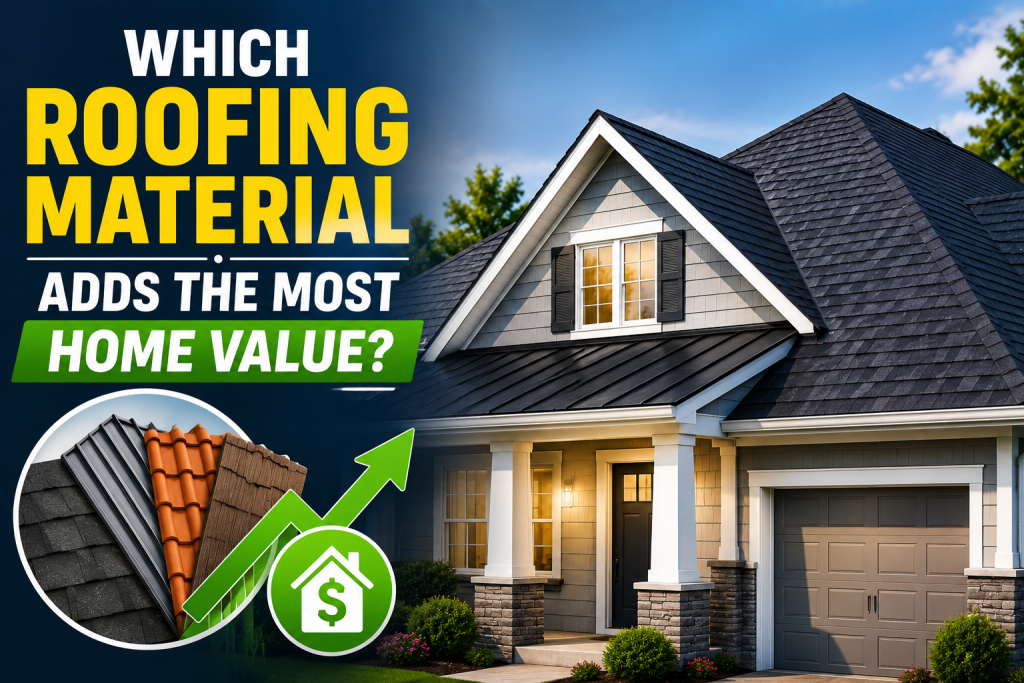
Insurance considerations can also influence value. In some regions, roofing systems with strong wind, impact, or fire resistance may qualify for insurance discounts or provide added protection against severe weather events. Ultimately, the best choice depends on balancing upfront cost, expected lifespan, maintenance requirements, and local market expectations. A well-selected roof can contribute significantly to both property protection and long-term resale potential.
Final Thoughts
Understanding the different roofing options available today is essential for making a smart home improvement investment. Each material offers a unique combination of durability, appearance, maintenance requirements, and long-term value. The right choice depends on factors such as local climate, budget, energy-efficiency goals, and expected length of homeownership. As you compare roofing systems, focus on total lifecycle value rather than installation cost alone. A roof that lasts longer and requires fewer repairs may provide better financial benefits over time. Homeowners should also consider curb appeal, insurance implications, and future resale potential when evaluating their options. Whether you are planning a roof replacement now or researching future projects, taking the time to understand the available choices can help you select a solution that protects your home and supports your long-term goals.
Frequently Asked Questions
Which type of roofing material is best for residential homes?
The best roofing material depends on your budget, climate, and maintenance preferences. Asphalt shingles are the most common, while metal, slate, and tile offer greater durability and longer lifespans.
What factors should I consider when choosing roofing materials?
Consider your local climate, roof lifespan, maintenance needs, energy efficiency, installation cost, and your home’s architectural style before selecting a roofing material.
Which roofing material is the most energy-efficient?
Metal roofing, clay tiles, and cool roofing systems are among the most energy-efficient options because they reflect solar heat and help reduce cooling costs.
Which roofing material requires the least maintenance?
Slate, metal, composite, and concrete tile roofs generally require minimal maintenance compared to wood shake roofing, which needs regular inspections and treatment.
Can different roofing materials affect homeowners insurance?
Yes. Some insurance providers offer discounts for roofing materials with high wind, fire, or impact resistance, while older or less durable roofs may result in higher premiums.
How often should roofing materials be inspected?
Most roofing professionals recommend inspecting your roof at least once a year and after severe weather events to identify damage before it becomes a costly repair.
Which roofing material offers the best return on investment?
Asphalt shingles provide excellent value for affordability, while metal, slate, and tile roofs often deliver a higher long-term return through durability, energy savings, and increased resale value.