


Walk-In Shower Installation Cost Guide (2026 Pricing Breakdown)
A walk-in shower is one of the most desirable upgrades in modern bathroom remodeling projects. Homeowners across the United States are replacing traditional tubs and outdated shower enclosures with sleek, accessible walk-in designs that improve both functionality and visual appeal. Understanding walk-in shower installation cost is the first step toward building a realistic renovation budget. Costs can vary significantly depending on factors such as shower size, material selection, labor requirements, plumbing modifications, and glass enclosure options. A simple prefabricated shower installation may require a modest investment, while a custom tile shower with frameless glass panels can increase the overall project cost substantially.
The type of shower you choose also affects long-term maintenance, durability, and resale value. Features such as built-in benches, niche storage, luxury fixtures, and advanced waterproofing systems can all influence pricing. This guide explains the key factors that impact installation costs, helping homeowners compare options and make informed remodeling decisions before beginning their project.
Average Walk-In Shower Installation Cost in the US
The average walk-in shower installation cost depends on the scope of the project, the materials selected, and the amount of labor required. While every renovation is unique, homeowners should expect costs to vary considerably between a basic shower replacement and a fully customized installation. A standard walk-in shower project typically includes demolition of the existing shower, plumbing connections, waterproofing, wall finishes, flooring, and fixture installation. If the existing plumbing remains in place, costs are generally easier to manage. However, relocating drains, supply lines, or walls can significantly increase labor expenses.
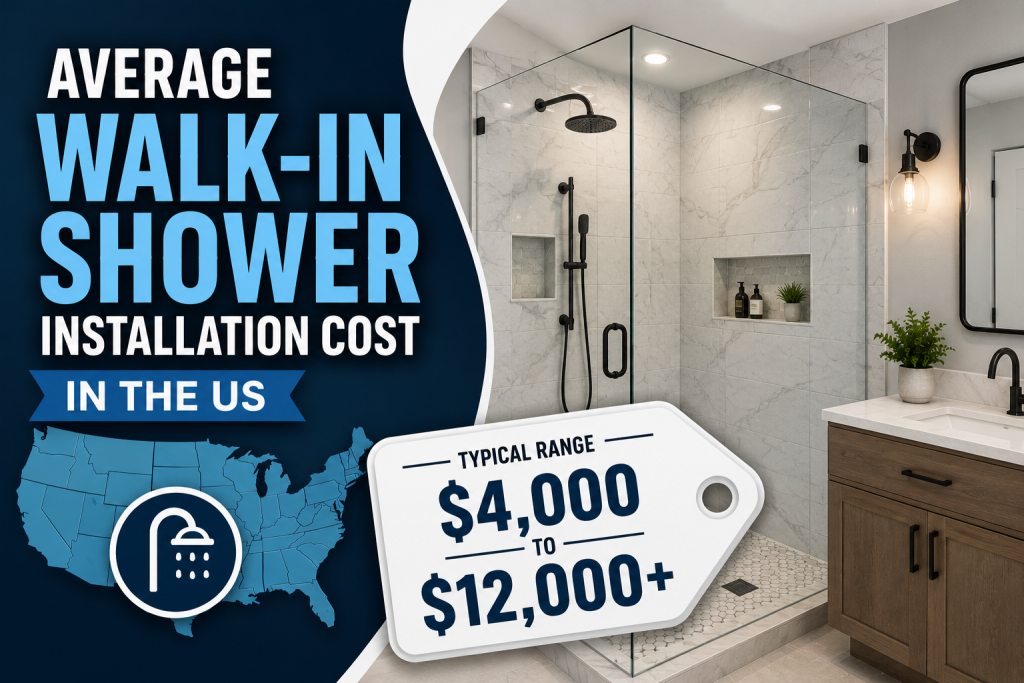
The size of the shower also affects pricing. Larger walk-in showers require more tile, glass, waterproofing materials, and installation time. Similarly, luxury upgrades such as rainfall showerheads, body sprays, and custom storage niches add to the total project investment. Homeowners should also account for permit requirements, disposal fees, and unexpected repairs that may be discovered during demolition. Understanding these factors helps create a more accurate budget and reduces the likelihood of costly surprises during construction.
Custom Shower Cost vs Prefab Options
One of the biggest decisions affecting walk-in shower installation cost is whether to choose a custom-built shower or a prefabricated unit. Each option offers distinct advantages in terms of pricing, appearance, installation time, and long-term flexibility. A prefabricated shower is manufactured off-site and delivered as a ready-to-install system. These units are generally the most affordable option because they require less labor and can often be installed more quickly. Homeowners looking to control renovation expenses often choose prefab systems during a basic bathroom shower remodel.
A custom shower, on the other hand, is built specifically for the space. This approach allows complete freedom in size, layout, tile selection, storage features, and fixture placement. While customization provides a premium look and improved functionality, it also increases custom shower cost due to additional labor, waterproofing requirements, and material expenses. Custom installations are particularly popular in master bathrooms where homeowners want a luxury, spa-inspired design. The right choice depends on budget, design goals, and the desired level of personalization.
Frameless Shower Pricing and Glass Installation
Frameless shower pricing is typically higher than traditional framed enclosures, but many homeowners consider the investment worthwhile because of the clean, modern appearance and enhanced visual openness these systems provide. Frameless showers have become a defining feature in upscale bathroom renovations and contemporary home designs. Unlike framed units, frameless systems use thick tempered glass panels that require precise measurements and professional installation. Because there is no metal frame providing structural support, the glass must be carefully fabricated and mounted using specialized hardware.
This added complexity contributes significantly to overall walk-in shower installation cost. Several factors influence pricing, including glass thickness, enclosure size, hardware finishes, and door configuration. Larger enclosures and custom layouts generally require more material and installation time. Premium hardware finishes such as brushed nickel, matte black, and polished brass can also increase costs. In addition to aesthetics, frameless showers are often easier to clean and help showcase decorative tile work, making them a popular choice for homeowners seeking a high-end bathroom shower remodel with strong resale appeal.
Shower Replacement Cost Breakdown
Understanding shower replacement cost is important for homeowners who want to upgrade an aging or damaged shower without undertaking a complete bathroom renovation. While replacement projects are often less expensive than full remodels, costs can still vary significantly depending on the condition of the existing shower and the desired upgrades. A basic replacement typically involves removing the old shower unit and installing a new system in the same location. This approach minimizes plumbing work and helps keep labor expenses under control.
However, if hidden water damage, mold, or deteriorated subflooring is discovered during demolition, repair costs can quickly increase. Homeowners upgrading from a standard shower to a walk-in design may also face additional expenses related to waterproofing, drainage modifications, and glass installation. Material choices such as custom tile, premium fixtures, and built-in storage features can further impact the total budget. Carefully evaluating the existing shower condition before construction begins can help homeowners create a more accurate estimate and avoid unexpected expenses during the remodeling process.
Tiled Shower Installation Costs and Labor
A tiled shower installation is one of the most popular choices for homeowners seeking a customized and durable walk-in shower. While tile offers exceptional design flexibility, it also contributes significantly to overall walk-in shower installation cost because of the labor-intensive construction process involved. Unlike prefabricated shower systems, tiled showers require multiple installation stages. Contractors must prepare the substrate, install waterproofing systems, create proper drainage slopes, set the tile, apply grout, and seal finished surfaces. Each step requires precision and specialized expertise to ensure long-term performance.
As a result, shower labor cost often represents a large portion of the project budget. Intricate tile patterns, mosaic accents, custom niches, and bench seating increase installation time and labor requirements even further. Material selection also impacts pricing, with ceramic tile generally costing less than porcelain, natural stone, or designer finishes. Although tiled showers require a higher upfront investment, they offer outstanding durability, design versatility, and long-term value. For many homeowners, the ability to fully customize the shower layout makes the additional cost worthwhile.
Modern Bathroom Shower Ideas and Remodel Trends
Today’s modern bathroom shower ideas focus on creating a spacious, spa-like environment that combines comfort, accessibility, and contemporary design. As walk-in showers continue to grow in popularity, homeowners are incorporating features that enhance both functionality and visual appeal. One of the most requested trends is the curbless walk-in shower. By eliminating the traditional threshold, these designs create a seamless transition between the shower and bathroom floor, making the space feel larger while improving accessibility.
Frameless glass enclosures remain another popular feature because they maximize natural light and showcase decorative tile work. Many homeowners are also adding built-in storage niches, floating benches, and oversized rainfall showerheads to create a luxury experience. Neutral color palettes, large-format porcelain tiles, and matte black hardware continue to dominate modern design preferences. When planning a bathroom shower remodel, it is important to balance aesthetics with practicality. Features that improve comfort and usability should complement the overall bathroom layout while remaining within the project’s budget and long-term maintenance goals.
Material Costs and Waterproofing Systems
Material selection is one of the most important factors influencing walk-in shower installation cost. Every component, from the shower base to the finished wall surface, contributes to both the project’s budget and its long-term durability. Common materials include shower pans, wall boards, tile, grout, glass enclosures, fixtures, and waterproofing membranes. Budget-friendly acrylic and fiberglass systems are often less expensive, while premium porcelain tile, natural stone, and custom glass installations increase overall costs. Homeowners should evaluate materials based on both appearance and maintenance requirements.
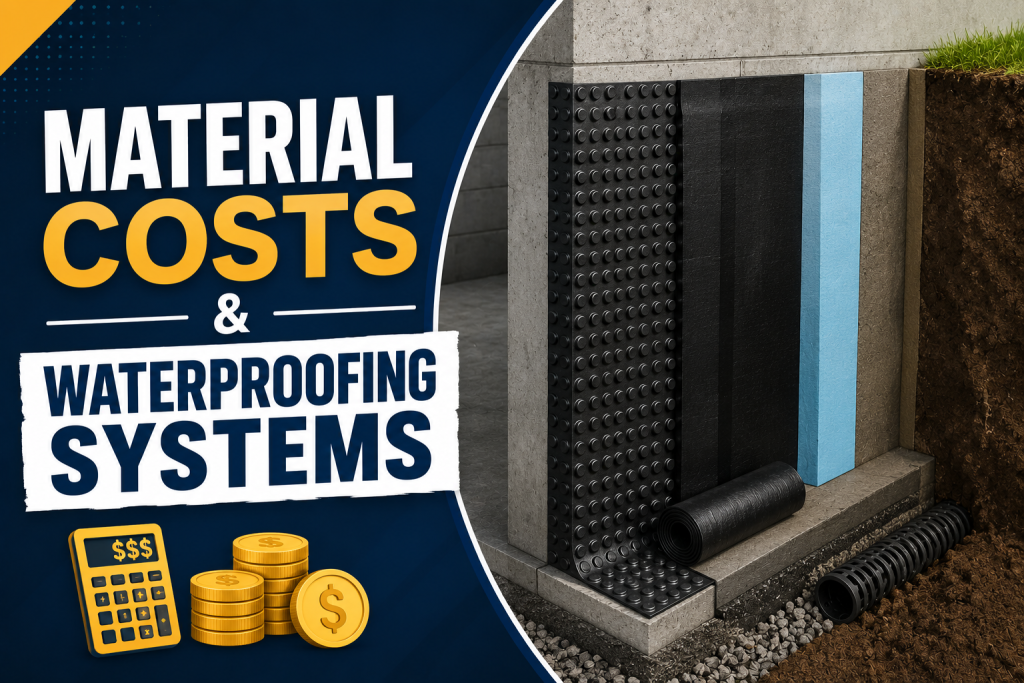
Waterproofing is especially critical in any shower installation. A properly waterproofed system prevents moisture intrusion that can lead to mold growth, structural damage, and costly repairs. Professional installers often use advanced waterproofing solutions beneath tile surfaces to create a continuous moisture barrier. Investing in quality materials and reliable waterproofing systems may increase upfront expenses, but it can significantly reduce future maintenance costs. For homeowners planning a long-term renovation, durability and moisture protection should be considered just as important as aesthetics when selecting shower materials.
Cost-Saving Tips for Walk-In Shower Installation
Reducing walk-in shower installation cost is possible with careful planning and smart design choices that do not compromise quality or long-term performance. One of the most effective strategies is to avoid relocating existing plumbing. Keeping drains, water lines, and fixtures in their original positions significantly reduces both labor time and overall project expense. Material selection also plays a major role in controlling budget. Choosing mid-range tile instead of premium stone, or opting for a prefabricated shower base instead of a fully custom tiled system, can substantially lower total bathroom shower remodel costs. Homeowners can still achieve a modern look by combining affordable materials with well-designed layouts.
Another cost-saving approach is separating DIY tasks from professional work. Demolition, debris removal, and simple prep work can often be handled by homeowners, while plumbing, waterproofing, and glass installation should be left to licensed professionals to avoid costly mistakes. Shopping at major retailers such as Home Depot or Lowe’s can also help compare material pricing and find budget-friendly options without sacrificing durability or style.
Final Thoughts
Choosing the right walk-in shower comes down to balancing budget, functionality, and long-term value. While walk-in shower installation cost varies widely depending on design choices, materials, and labor, homeowners can achieve excellent results by carefully planning each stage of the project. Prefabricated systems offer affordability and faster installation, making them ideal for budget-conscious renovations. Custom tile showers provide maximum design flexibility and a high-end appearance, but they require higher investment due to increased shower labor cost and waterproofing complexity.
Frameless glass designs further elevate the bathroom’s aesthetic but also increase overall expenses. Durability and maintenance should also play a key role in decision-making. High-quality waterproofing systems, reliable fixtures, and properly installed drainage systems help protect the investment and reduce long-term repair costs. Ultimately, the best shower design is one that aligns with the homeowner’s space, lifestyle, and budget while maintaining strong construction standards. A well-planned installation ensures both visual appeal and lasting performance for years to come.
FAQs
What is the average walk-in shower installation cost?
The average walk-in shower installation cost varies based on size, materials, and design complexity. Prefabricated showers are typically more affordable, while custom tile and frameless glass installations cost more due to higher labor and material requirements.
What affects custom shower cost the most?
The biggest drivers of custom shower cost include tile selection, waterproofing systems, glass enclosures, and shower labor cost, especially for intricate designs and layouts.
Is frameless shower pricing worth it?
Many homeowners find frameless shower pricing worth the investment because it creates a modern, open look and improves the visual appeal of a bathroom remodel.
What is included in shower replacement cost?
Shower replacement cost usually includes demolition, disposal, plumbing adjustments, waterproofing, installation, and finishing materials.
How expensive is a tiled shower installation?
A tiled shower installation is generally more expensive than prefab options due to higher labor requirements and detailed waterproofing processes.