


Wood Shake vs Asphalt Shingles: Which Roofing Material Is Best for Your Home?
Choosing a new roof is one of the most important decisions a homeowner can make. The material you select affects your home’s appearance, maintenance requirements, energy efficiency, and long-term value. Among the most popular residential roofing options in the United States, wood shakes and asphalt shingles stand out for very different reasons. When comparing wood shake vs asphalt shingles, homeowners often weigh natural beauty against affordability. Wood shakes offer a distinctive appearance that complements traditional, cottage, and upscale architectural styles, while asphalt shingles remain the most widely installed roofing material due to their lower cost and broad availability.
The right choice depends on factors such as local climate, budget, expected lifespan, maintenance preferences, and curb appeal goals. A roof that performs well in humid regions like Florida may not be the best fit for snowy areas such as Colorado or Minnesota. In this guide, we’ll break down the key differences between these two roofing materials, including costs, durability, maintenance, appearance, and performance, so you can confidently decide whether wood shake vs asphalt shingles is the better investment for your home.
Wood Shake vs Asphalt Shingles: Key Differences at a Glance
While both roofing materials protect a home from the elements, they differ significantly in appearance, lifespan, maintenance needs, and installation costs. Understanding these fundamentals helps homeowners make a more informed decision before investing in a roof replacement project.
What Are Wood Shake Roofs?
Wood shake roofs are typically manufactured from cedar, redwood, or other durable wood species. Unlike machine-cut wood shingles, shakes are split to create a thicker and more textured appearance. This rugged look makes them a popular choice for homeowners seeking rustic roofing styles and premium curb appeal. One of the biggest advantages of wood shakes is their natural character. Each piece varies slightly in texture and color, creating a distinctive roof that can enhance traditional, craftsman, and coastal-style homes. However, wood shakes generally require more maintenance and carry a higher upfront investment than most alternative roofing materials.
What Are Asphalt Shingles?
Asphalt shingles are made from a fiberglass or organic base coated with asphalt and protective mineral granules. They dominate the U.S. roofing market because they offer a practical balance of performance, affordability, and design flexibility. Modern asphalt shingles are available in a wide range of colors, profiles, and quality grades, making them suitable for everything from starter homes to luxury properties. They also tend to be easier and less expensive to install, which is why many homeowners begin their evaluation with a wood shake vs asphalt shingles comparison when planning a new roof.
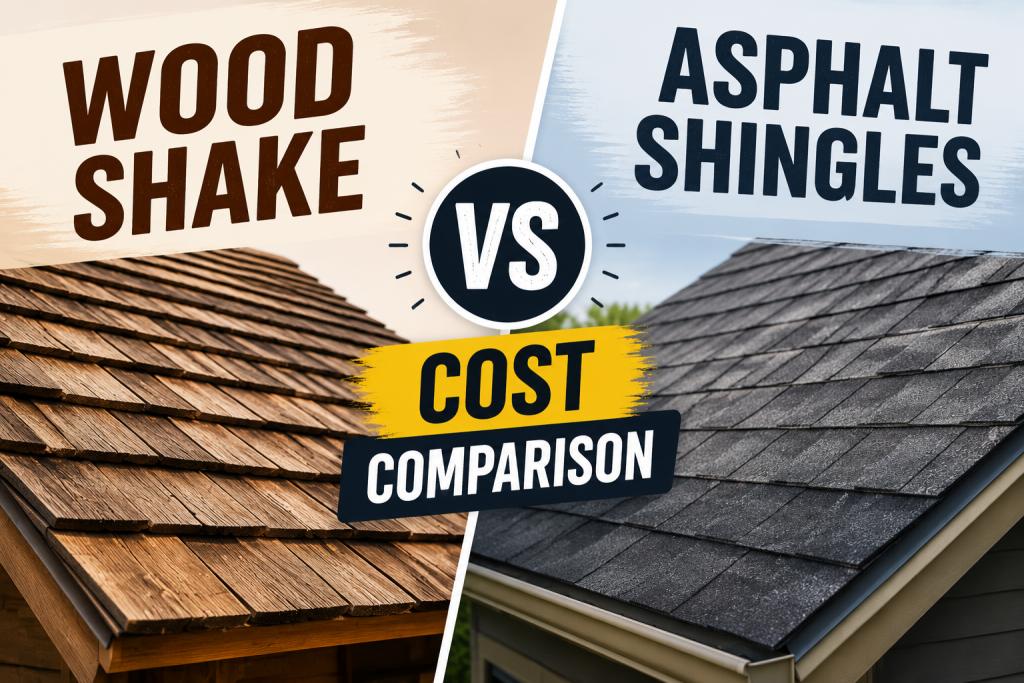
Wood Shake vs Asphalt Shingles Cost Comparison
For many homeowners, budget is the deciding factor when choosing a roofing material. While aesthetics and longevity matter, understanding the true cost of ownership can prevent expensive surprises down the road. Comparing upfront expenses with future maintenance needs provides a clearer picture of overall value.
Initial Installation Costs
Wood shakes are generally among the more expensive residential roofing materials available. The higher price comes from the cost of the material itself, specialized installation requirements, and the labor needed to properly fit each shake. Homeowners considering cedar shake roofing should expect a noticeably larger initial investment than they would with standard asphalt shingles. Asphalt shingles remain one of the most cost-effective roofing choices in the United States. Their widespread availability and straightforward installation process help keep project expenses manageable. When evaluating roofing material costs, asphalt shingles typically offer a lower barrier to entry for homeowners working within a fixed budget.
Long-Term Maintenance Expenses
Although wood shakes can last for decades when properly maintained, they require routine inspections, cleaning, and occasional repairs. Exposure to moisture, insects, and weathering may increase long-term ownership costs depending on the local climate. Asphalt shingles generally demand less ongoing maintenance. Minor repairs are often simpler and less expensive, making them an attractive option for homeowners seeking predictable upkeep expenses. This cost advantage is one reason many buyers conduct a wood shake vs asphalt shingles evaluation before committing to a roofing project.
Wood Shake vs Asphalt Shingles Durability and Lifespan
A roof’s lifespan can have a major impact on long-term homeownership costs. While both materials can provide reliable protection, their durability often depends on installation quality, maintenance practices, and local weather conditions. For homeowners planning to stay in their property for many years, longevity deserves careful consideration.
Weather Resistance Performance
Wood shakes can perform exceptionally well in moderate climates when properly maintained. Their thickness provides natural insulation, and high-quality products can withstand wind and seasonal temperature changes. However, prolonged exposure to moisture may increase the risk of rot, mold, or insect activity if maintenance is neglected. This is an important factor when assessing natural wood roofing systems in humid environments. Asphalt shingles have improved significantly over the past decade. Premium architectural shingles are designed to resist wind uplift, impact damage, and harsh UV exposure. Many products are engineered specifically for regions that experience severe weather, making them a strong contender in any roof durability comparison.
Expected Service Life
A well-maintained wood shake roof can often last 30 to 40 years or longer, depending on climate conditions and maintenance schedules. Lifespan varies considerably based on the quality of the material and installation. Standard asphalt shingles typically last between 20 and 30 years, while premium architectural products may exceed those expectations under favorable conditions. When comparing wood shake vs asphalt shingles, homeowners often find themselves balancing the longer potential lifespan of wood against the lower maintenance demands of asphalt.
Appearance and Curb Appeal
Beyond performance and cost, a roof plays a major role in defining a home’s overall character. The material you choose can influence curb appeal, neighborhood perception, and even resale value. For many homeowners, visual impact becomes a deciding factor when comparing roofing options.
Why Homeowners Choose Cedar Shake Roofing
Wood shakes are often selected for their rich texture, depth, and natural appearance. Unlike manufactured roofing products, each shake develops unique variations over time, creating a distinctive look that many homeowners find appealing. This handcrafted aesthetic works especially well on craftsman, farmhouse, coastal, and mountain-style homes. Because of its premium appearance, wood shake roofing is frequently associated with higher-end residential properties. In some markets, the added visual appeal can contribute to stronger buyer interest when a home is listed for sale.
Modern Design Flexibility of Asphalt Roofs
Today’s asphalt shingles offer far more design versatility than many homeowners realize. Manufacturers such as GAF, Owens Corning, and CertainTeed produce architectural shingles that mimic the appearance of wood, slate, and other premium materials. Color options range from traditional grays and browns to modern blends that complement contemporary home designs. During an asphalt roofing comparison, many homeowners discover that premium shingles can deliver attractive curb appeal while maintaining a lower overall ownership cost. When evaluating wood shake vs asphalt shingles, appearance often comes down to whether you prefer authentic natural texture or a more versatile manufactured look.
Energy Efficiency and Insulation Performance
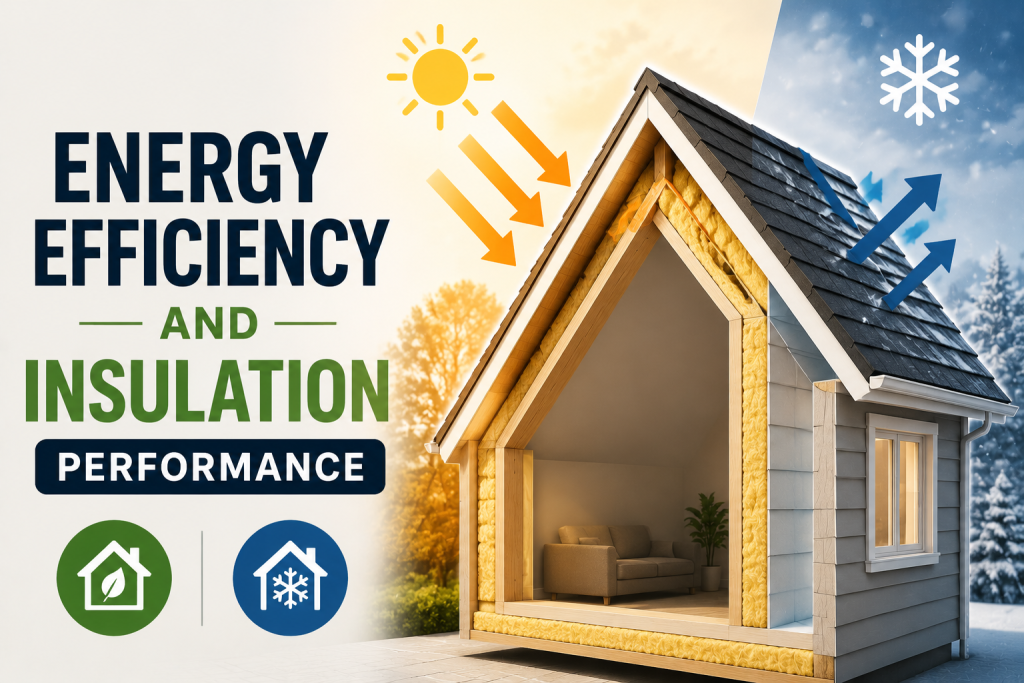
Energy efficiency is becoming a higher priority for homeowners looking to reduce utility bills and improve indoor comfort. Roofing materials can influence how much heat enters or escapes a home, particularly in regions with extreme seasonal temperatures. While insulation, ventilation, and attic design also matter, roofing material selection remains an important part of overall energy performance.
Natural Insulation Benefits of Wood
Wood naturally contains small air pockets that help reduce heat transfer. Because of this characteristic, wood shake roofs often provide better insulating properties than many traditional roofing materials. Homes located in regions with fluctuating temperatures may benefit from the additional thermal resistance that wood provides. This insulation advantage can contribute to a more comfortable indoor environment throughout the year. However, actual energy savings will vary depending on attic insulation levels, roof design, and local climate conditions.
Reflective Asphalt Roofing Options
Modern asphalt shingles are available with advanced reflective technologies designed to reduce solar heat absorption. Some products meet requirements established by organizations such as ENERGY STAR, helping homeowners improve energy performance in warmer climates. Reflective roofing products are especially popular in states such as Texas, Arizona, and Florida, where reducing cooling costs is often a priority. When comparing wood shake vs asphalt shingles, energy efficiency should be evaluated alongside climate conditions, attic ventilation, and the overall building envelope rather than roofing material alone.
Maintenance Requirements
Maintenance is one of the most important long-term considerations when selecting a roofing system. Even the most durable roof will degrade faster without proper upkeep. The level of maintenance required varies significantly between materials, and this difference often influences homeowner decision-making.
Maintenance Needs for Wood Shake Roofs
Wood shake roofs require consistent attention to preserve their appearance and structural integrity when evaluating wood shake vs asphalt shingles. Over time, exposure to moisture, UV rays, and seasonal weather changes can cause natural wear. Regular inspections help identify early signs of splitting, curling, or moss growth. Homeowners who choose wood shake should expect periodic cleaning and treatments to prevent decay and extend roof life. In many cases, professional maintenance is recommended to ensure the roof remains in good condition. While this adds to long-term effort, many homeowners accept it as part of owning a premium natural roofing system.
Asphalt Shingle Maintenance Expectations
Asphalt shingles are generally considered low-maintenance compared to wood-based roofing materials. Occasional inspections are still important, especially after storms, but repairs are often straightforward and less frequent. Minor issues such as missing or damaged shingles can typically be replaced without extensive work. This simplicity is one reason asphalt remains one of the most popular roofing choices in the United States. For homeowners prioritizing convenience, asphalt provides a more predictable maintenance experience over time.
Best Roofing Material by Climate Region
Climate plays a major role in determining which roofing material performs best over time. A roof that works well in dry, mild conditions may struggle in areas with heavy snow, high humidity, or extreme heat. Understanding regional performance differences helps homeowners make a more practical, long-term decision when evaluating wood shake vs asphalt shingles.
Southern and Coastal States
In hot and humid regions such as Florida, Louisiana, and coastal Texas, roofing materials must withstand moisture, salt air, and potential hurricane-force winds. Asphalt shingles are often preferred in these areas due to their engineered wind resistance and lower risk of moisture-related deterioration when properly installed. Wood shakes can still be used in some coastal or Southern climates, but they require more frequent maintenance to prevent mold, rot, and insect damage. Without consistent care, performance may decline faster in humid environments, making material selection especially important in these regions.
Northern and Snow-Prone Regions
In colder climates such as Minnesota, Michigan, and Colorado, roofs must handle snow accumulation, freeze-thaw cycles, and ice dam formation. Wood shakes can perform well due to their natural insulation properties, which help reduce heat loss and minimize ice buildup under certain conditions. Asphalt shingles, particularly architectural grades from manufacturers like Owens Corning, are also widely used in northern regions because they are designed to handle snow loads and temperature fluctuations. When evaluating wood shake vs asphalt shingles, regional climate is often one of the most important deciding factors for long-term performance.
Roof Durability Comparison for Homeowners Planning Long-Term Value
When homeowners evaluate roofing materials, long-term value often matters just as much as upfront cost. Durability affects not only how long a roof lasts, but also how well it protects the home, how often repairs are needed, and how attractive the property remains in the resale market.
Resale Value Considerations
A roof can significantly influence a home’s perceived value during resale. Wood shakes are often associated with premium or high-end homes, which can enhance curb appeal in certain markets. Buyers who appreciate craftsmanship and natural materials may view wood roofs as a desirable feature, especially in regions where architectural character is highly valued. Asphalt shingles, on the other hand, appeal to a broader range of buyers due to their practicality and predictable maintenance. Because they are the most common roofing material in the U.S., they tend to create fewer concerns during home inspections, which can streamline the selling process.
Insurance and Safety Factors
Insurance considerations can also influence roofing decisions. Some providers may have stricter guidelines for wood-based roofing due to fire risk concerns, especially in wildfire-prone regions. In contrast, asphalt shingles are widely accepted by most insurers and often meet standard fire-resistance requirements. Safety standards set by organizations such as the Federal Emergency Management Agency emphasize the importance of impact resistance and proper installation in storm-prone areas. When comparing wood shake vs asphalt shingles, homeowners should also factor in insurance eligibility, fire ratings, and long-term risk exposure in their specific location.
Pros and Cons Table
When evaluating roofing materials, a side-by-side comparison helps simplify the decision-making process. Below is a clear breakdown of the strengths and weaknesses of each option, focusing on performance, cost, appearance, and long-term maintenance.
| Category | Wood Shake Roofing | Asphalt Shingles |
| Appearance | Natural, textured, premium aesthetic | Versatile, widely available styles and colors |
| Cost | Higher upfront and maintenance costs | Lower installation and replacement costs |
| Durability | Long lifespan with proper care | Reliable but shorter lifespan |
| Maintenance | Requires regular upkeep and treatment | Low maintenance and easy repairs |
| Weather Performance | Performs well in moderate climates | Engineered for diverse U.S. climates |
| Fire Resistance | Lower unless specially treated | Generally higher fire resistance ratings |
| Installation | Labor-intensive and specialized | Faster and widely available installers |
This comparison highlights the trade-offs homeowners face when choosing between traditional craftsmanship and modern affordability. The right choice depends on budget, climate, and how much maintenance a homeowner is willing to manage over time.
Which Option Should You Choose?
Choosing between wood shake and asphalt shingles ultimately comes down to balancing aesthetics, budget, maintenance expectations, and regional climate conditions. Both materials serve the same core purpose, protecting your home, but they deliver very different ownership experiences. If your priority is long-term affordability, low maintenance, and broad availability, asphalt shingles are typically the more practical choice. They perform reliably across most U.S. regions, from hot southern states to colder northern climates, and are widely supported by contractors and insurance providers.
On the other hand, wood shakes are best suited for homeowners who prioritize architectural character and natural beauty. They can significantly enhance curb appeal and are often used in custom or high-end homes where visual impact is a key design goal. However, they require more ongoing care and a higher initial investment. When comparing wood shake vs asphalt shingles, there is no universal “best” option, only the best fit for your specific home, budget, and long-term plans. Factors like climate, HOA requirements, and resale goals should all influence your final decision.
Frequently Asked Questions
Are wood shake vs asphalt shingles roofs worth the extra cost?
Wood shakes can be worth the investment for homeowners comparing wood shake vs asphalt shingles who prioritize natural aesthetics and long-term curb appeal. While the upfront cost is significantly higher than asphalt shingles, many homeowners view the premium look and unique character as a valuable upgrade. However, they are best suited for those willing to handle ongoing maintenance requirements.
Do asphalt shingles last as long as cedar shakes?
In most cases, asphalt shingles have a shorter lifespan than high-quality wood shakes. However, modern architectural shingles have improved durability and can last several decades under the right conditions. The choice often depends on how much maintenance a homeowner is willing to commit to over time.
Which roofing material adds more resale value in wood shake vs asphalt shingles?
When comparing wood shake vs asphalt shingles, wood shakes can increase perceived value in upscale or design-focused neighborhoods due to their premium appearance. However, asphalt shingles often appeal to a wider pool of buyers because they are practical, familiar, and low-maintenance. The impact on resale value depends heavily on local market expectations.
Are wood shake roofs allowed in wildfire-prone areas?
In many wildfire-prone regions, building codes and insurance policies restrict or discourage untreated wood roofing materials due to fire risk. Some treated wood products may still be allowed, but homeowners should always check local regulations before choosing this option.
What is the average cost difference between the two?
Wood shake roofs are typically significantly more expensive than asphalt shingles, both in material and installation costs. Asphalt remains the most budget-friendly roofing option in the U.S., making it the preferred choice for cost-conscious homeowners.