

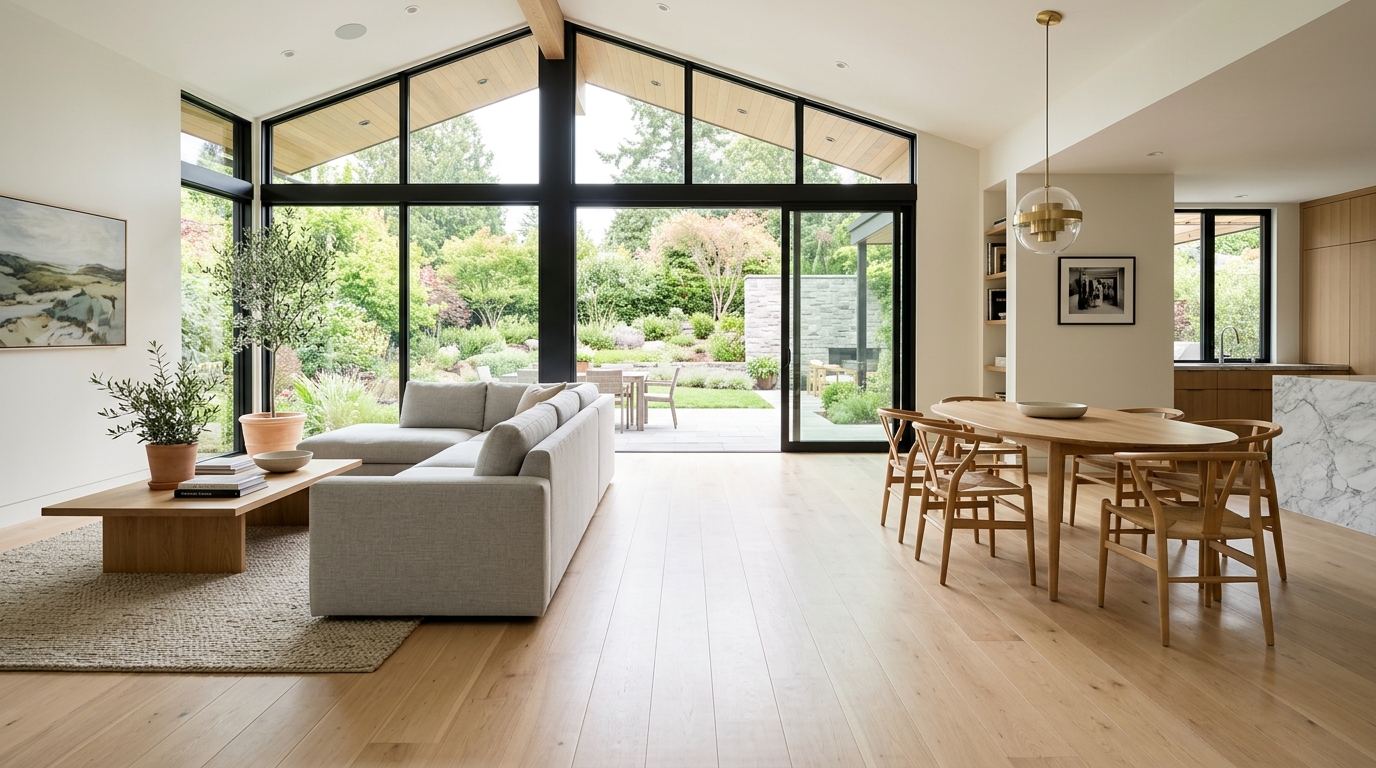
Benefits of Hardwood Flooring Resale Value (2026 US Guide)
Hardwood flooring resale value is one of the most important factors US homeowners consider when planning a renovation before selling their home. Flooring is one of the first things buyers notice, and it heavily influences perceived property quality, even before structural features are evaluated. In many US housing markets, especially suburban neighborhoods and competitive metro areas, hardwood flooring is closely associated with luxury home flooring standards. Buyers often assume homes with hardwood are better maintained, more modern, and higher in overall value.
This perception directly affects offers, time on market, and appraisal outcomes. Unlike cosmetic upgrades that only improve appearance, hardwood flooring creates both emotional appeal and financial justification for higher pricing. That is why it remains one of the most consistent home value flooring upgrades in real estate across the United States.
Why Buyers Prefer Hardwood Flooring
US homebuyers consistently show a strong preference for hardwood flooring because it signals quality, cleanliness, and long-term durability. Unlike carpet or lower-cost alternatives, hardwood creates a sense of permanence that directly influences how a property is perceived during showings and open houses. From a real estate standpoint, resale-friendly flooring plays a psychological role in decision-making. Buyers often associate hardwood with well-maintained homes, even if other upgrades are minimal.
This perception can increase competitiveness in bidding situations, especially in suburban and urban markets where similar listings compete closely on price. Hardwood also appeals visually. Its natural grain patterns and neutral tones allow buyers to easily imagine their own furniture and lifestyle in the space. This emotional connection often leads to stronger offers and quicker sales, reinforcing its reputation as one of the most reliable home value flooring upgrades in the US housing market.
Hardwood Flooring ROI vs Other Home Upgrades
When evaluating hardwood flooring resale value, it’s important to understand how flooring compares to other common renovation investments. Unlike major remodels such as kitchens or bathrooms, hardwood flooring offers a strong visual transformation at a relatively controlled cost, which makes it one of the most efficient wood flooring ROI improvements in residential real estate.

In many US markets, flooring upgrades are considered a “high-impact, mid-cost” improvement. While a kitchen remodel may take months and significantly higher budgets, hardwood installation can often be completed faster while still improving buyer perception across the entire home. Hardwood also influences how other upgrades are perceived. Even modest homes can feel more premium when paired with quality flooring, enhancing the overall presentation of the property. This compounding effect is why real estate professionals often recommend hardwood as a strategic home value flooring upgrade before listing a property for sale.
How Hardwood Flooring Increases Home Value
Hardwood flooring increases home value by improving both the perceived quality and market competitiveness of a property. In many US housing markets, buyers and appraisers view hardwood as a standard feature of well-maintained or upgraded homes, which directly influences hardwood flooring resale value outcomes during listing and negotiation. One of the key drivers is first impression impact. When potential buyers enter a home, continuous hardwood flooring creates a clean, cohesive look that makes spaces feel larger and more upscale. This visual consistency often leads to stronger emotional responses, which can translate into higher offers.
From an appraisal perspective, hardwood flooring is frequently categorized as a desirable improvement, especially when compared to carpet or lower-cost materials. This is why it is commonly listed among top home value flooring upgrades recommended by real estate professionals. Over time, this contributes to faster sales and improved price competitiveness in the US housing market.
Best Hardwood Flooring Resale Value Types for Maximum Resale Value
Not all hardwood delivers the same impact on hardwood flooring resale value, and choosing the right type can significantly influence how buyers perceive your home in the US market. Among the most reliable choices, oak consistently performs best due to its balanced durability, neutral appearance, and wide acceptance across different regions and home styles. Mohawk Industries and Shaw Industries both produce oak-based engineered and solid options that align well with mainstream buyer expectations, making them strong choices for premium flooring upgrades before listing a home.
Hickory is another strong contender, especially for durability-focused buyers who value scratch resistance and long-term performance. Engineered hardwood is also increasingly favored in modern homes, particularly in humid or mixed-climate regions like the Southeast and Pacific Northwest. It offers stability without sacrificing appearance, helping maintain strong home value flooring upgrades potential while reducing climate-related concerns during resale.
Hardwood Flooring vs Other Flooring Materials
When evaluating hardwood flooring resale value, it’s essential to compare hardwood against other common flooring materials used in US homes, such as laminate, vinyl plank, and carpet. Hardwood consistently ranks higher in buyer preference because it is associated with permanence, quality, and long-term investment value.

Laminate and vinyl flooring often appeal to budget-conscious buyers, but they are typically viewed as temporary or mid-tier solutions. While they may offer durability and water resistance, they do not carry the same luxury home flooring perception as natural wood. Carpet, although still used in bedrooms, is increasingly seen as less desirable in main living areas due to maintenance and hygiene concerns. Hardwood stands apart because it enhances the overall architectural feel of a home. In competitive real estate markets, listings with hardwood flooring often outperform similar homes with synthetic materials, reinforcing its position as one of the most effective home value flooring upgrades in the United States.
Regional Impact on Resale Value
The impact of hardwood flooring resale value is not uniform across the United States; it varies significantly by region, climate, and local housing demand. In high-demand metro areas like California, New York, and Washington, hardwood flooring is often expected in mid-to-high-end homes, making it a standard feature that supports stronger offers and faster sales. In humid Southern states such as Florida, Louisiana, and parts of Texas, engineered hardwood is often preferred due to its moisture resistance. Buyers in these regions still associate wood flooring with luxury home flooring, but practicality and climate performance also influence decisions.
In the Midwest and Northeast, where traditional housing styles dominate, solid hardwood remains highly valued, especially in older or renovated homes. Across all regions, however, hardwood consistently ranks as one of the most effective home value flooring upgrades, though the type and finish should be matched to local expectations and environmental conditions.
Cost vs Value – Is Hardwood Worth It?
When analyzing hardwood flooring resale value, homeowners often weigh upfront cost against long-term financial return. Hardwood is typically more expensive to install than alternatives like laminate or vinyl, but its value comes from how it performs over time in the US housing market rather than just initial pricing. The key advantages are durability and perception. Hardwood flooring can last for decades with proper care, and it remains one of the few premium flooring upgrades that consistently influences buyer willingness to pay more. In competitive markets, this can shorten time on the market and strengthen offers, especially in well-maintained homes.
From an investment standpoint, hardwood also reduces the need for frequent replacement, unlike lower-cost flooring options that may need full replacement within 10–15 years. This long-term value, combined with its strong visual appeal, makes hardwood one of the most reliable home value flooring upgrades for homeowners focused on resale performance.
Final Verdict
For most US homeowners, hardwood flooring resale value delivers a clear long-term advantage, especially in markets where buyers expect upgraded interiors. Hardwood consistently strengthens listing appeal, improves perceived home quality, and supports stronger negotiation positions during resale. While it may not always produce a direct dollar-for-dollar return in every market, its impact on buyer psychology is significant. Homes with hardwood often feel more “move-in ready,” which reduces buyer hesitation and increases competitive offers. This is why real estate professionals frequently recommend hardwood as one of the most dependable home value flooring upgrades. That said, the return on investment depends on context. In high-end or suburban markets, hardwood aligns with expectations and can enhance pricing power. In rental or budget-focused properties, the benefit is more visual than financial. Overall, hardwood remains one of the most reliable luxury home flooring choices for long-term resale strength.
FAQs
Does hardwood flooring really increase home value?
Yes, hardwood flooring is widely recognized in the US housing market as a strong home value flooring upgrade. It improves buyer perception and listing appeal and can contribute to higher offers in competitive neighborhoods.
How much does hardwood flooring resale value add to home value?
The increase in hardwood flooring resale value depends on location, home condition, and market demand. In many US markets, it improves overall competitiveness and can help homes sell faster and closer to asking price.
Is hardwood flooring a good investment before selling a house?
Yes, hardwood is considered a reliable hardwood flooring investment because it enhances visual appeal and aligns with buyer expectations, especially in mid-range and luxury housing markets.
Which flooring has the best ROI for resale?
Hardwood generally offers better ROI than carpet, laminate, or vinyl due to its durability and premium perception. It is often categorized as a top premium flooring upgrade.
Do buyers prefer hardwood over carpet?
Yes, most US buyers prefer hardwood in main living areas because it looks cleaner, is easier to maintain, and signals higher property quality compared to carpet.
Is engineered hardwood good for resale value?
Yes, engineered hardwood can still support strong resale-friendly flooring value, especially in humid or coastal regions where solid hardwood may not perform as well.
What type of hardwood is best for resale value?
Oak is typically the safest choice because it appeals to a wide range of buyers and fits most interior styles, making it a strong option for resale-focused renovations.