
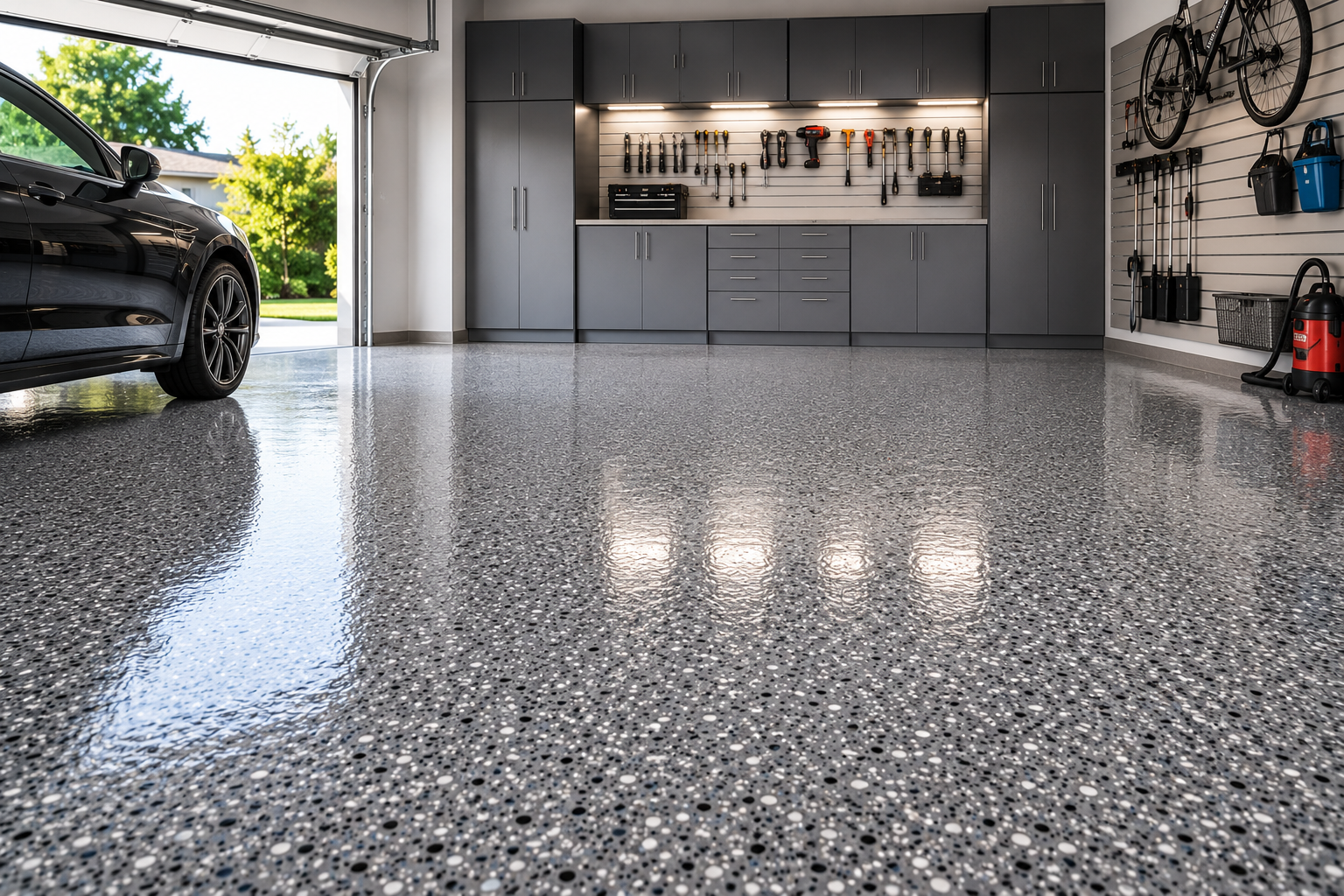
Best Epoxy Garage Floor Coating (2026 Top Picks & Guide)
Choosing the best epoxy garage floor coating has become an important decision for homeowners across the United States who want to improve durability, appearance, and long-term performance in their garage spaces. With so many coating systems available today, from DIY kits to professional-grade installations, understanding what actually performs well in real garage conditions is essential. Modern garage floors face constant stress from vehicle traffic, oil exposure, temperature changes, and moisture. This is why selecting the epoxy garage floor coating is not just about appearance; it’s about protecting the concrete underneath and reducing long-term maintenance costs.
Many homeowners compare different products and systems without fully understanding how they perform under real-world conditions. The epoxy garage floor coating should balance durability, chemical resistance, and ease of maintenance while fitting the budget and usage needs of the space. This guide breaks down top coating types, compares alternatives, and helps you choose the right system for your garage in 2026.
What Makes a Great Garage Floor Coating?
To identify the best epoxy garage floor coating, it’s important to understand what separates a high-performing system from a basic surface treatment. Garage floors in U.S. homes are exposed to constant wear, including vehicle weight, hot tire contact, oil drips, and seasonal temperature shifts, so not all coatings perform equally under these conditions. A high-quality coating system should provide strong adhesion to properly prepared concrete, creating a long-lasting bond that resists peeling and surface wear. This is one of the key factors when evaluating the epoxy garage floor coating, as poor adhesion is one of the most common reasons garage floors fail prematurely.
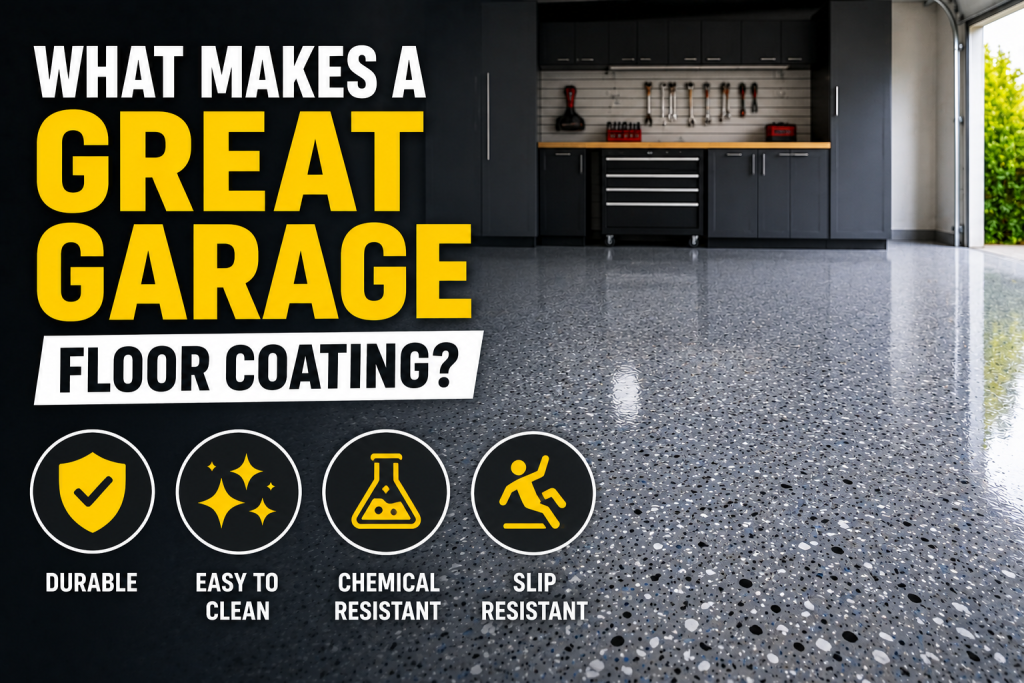
Durability is another critical factor. A reliable coating should resist abrasion from daily vehicle use and maintain its finish even under heavy traffic. Chemical resistance is also essential, especially for garages where oil, gasoline, and cleaning agents are commonly present. Finally, ease of maintenance and long-term appearance retention help define what truly qualifies as the epoxy garage floor coating for residential use.
Best Epoxy Garage Floor Coating Options
Selecting the best epoxy garage floor coating often comes down to comparing different system types rather than a single product. Homeowners in the U.S. typically choose between DIY kits, professional-grade epoxy systems, and hybrid coatings that combine multiple technologies for improved performance. Entry-level DIY kits are popular for budget-friendly garage upgrades, but they usually offer thinner coverage and may not last as long under heavy vehicle traffic. While they can improve appearance, they are not always the epoxy garage floor coating for long-term durability in high-use garages.
Professional epoxy systems, on the other hand, are installed with proper surface preparation and thicker application layers, making them far more resistant to wear, moisture, and chemical exposure. These systems are often considered the epoxy garage floor coating for homeowners prioritizing long-term performance. Hybrid systems, including epoxy with polyaspartic topcoats, offer enhanced UV stability and faster curing times, making them an increasingly popular choice for modern garage flooring projects.
Garage Floor Paint vs Epoxy Systems
When evaluating the best epoxy garage floor coating, many homeowners mistakenly compare epoxy systems directly with standard garage floor paint. While both are used to improve appearance and surface protection, they perform very differently under real garage conditions in the United States.
Garage floor paint is typically an acrylic or latex-based coating that sits on top of the concrete without forming a deep chemical bond. It is easier to apply and lower in cost, but it is also more prone to wear, peeling, and staining from vehicle fluids and tire traffic. For light-use garages, it may offer a temporary visual upgrade, but it rarely qualifies as the epoxy garage floor coating for long-term durability.
Epoxy systems, on the other hand, chemically bond with the concrete surface, creating a much harder and more resistant finish. This makes them significantly more durable against abrasion, oil exposure, and daily vehicle use. Because of this, epoxy is generally considered the epoxy garage floor coating for homeowners who want lasting performance rather than a short-term cosmetic solution.
Polyaspartic Garage Coating vs Epoxy
When searching for the best epoxy garage floor coating, many homeowners also encounter polyaspartic coatings as a competing option. While both systems are used for garage floors in the U.S., they perform differently in terms of curing time, UV stability, and installation flexibility.
Epoxy systems are known for their strong adhesion and deep bonding with concrete, making them a reliable choice for long-term durability. However, they typically require longer curing times and can be more sensitive to temperature and moisture during installation. Despite this, epoxy is still widely considered the epoxy garage floor coating for controlled residential and commercial applications.
Polyaspartic coatings, on the other hand, cure much faster and offer superior UV resistance, which helps prevent yellowing or fading in garages exposed to sunlight. They are often used as a topcoat over epoxy systems to combine durability with improved surface protection. In many modern installations, a hybrid system using both epoxy and polyaspartic layers is often selected as the epoxy garage floor coating solution for balancing strength, speed, and long-term performance.
Concrete Floor Coatings Explained
Understanding concrete coating systems is essential when identifying the best epoxy garage floor coating, because not all coatings deliver the same level of protection or durability. In residential garages across the U.S., concrete floor coatings range from simple sealers to advanced multi-layer epoxy systems designed for heavy-duty performance. Basic concrete sealers are designed to protect against light moisture and dusting but do not provide the same level of surface strength or chemical resistance. These are generally not considered the epoxy garage floor coating for homeowners who need long-term durability under vehicle traffic.
Mid-level concrete floor coatings often include acrylic or urethane-based systems that improve appearance and offer moderate protection. While useful in low-traffic spaces, they may not withstand oil exposure or constant tire contact as effectively as epoxy-based solutions. High-performance epoxy systems remain the most reliable option for garages requiring maximum durability, adhesion, and resistance to staining. For this reason, they are often positioned as the epoxy garage floor coating for residential and light commercial use.
Oil-Resistant Floor Coating Performance
Oil resistance is one of the most important performance factors when selecting the best epoxy garage floor coating, especially for U.S. homeowners who regularly deal with vehicle maintenance, leaks, or fluid drips in their garage spaces. A coating that cannot withstand oil exposure will quickly stain, discolor, or lose its protective integrity over time.
High-quality epoxy systems are designed to create a non-porous surface that prevents oil and other automotive fluids from penetrating into the concrete. This makes cleanup significantly easier and helps maintain a cleaner, more professional-looking garage environment. For many homeowners, this level of protection is a defining feature of the epoxy garage floor coating.
Lower-grade coatings or thin paint-based systems often struggle with long-term oil exposure, leading to surface breakdown and visible staining. In contrast, properly installed epoxy systems maintain their structure and appearance even under frequent exposure to automotive fluids. Because of this durability, oil resistance is often a key benchmark used when evaluating the best epoxy garage floor coating for long-term residential performance.
Professional Epoxy Coatings vs DIY Kits
When evaluating the best epoxy garage floor coating, homeowners often face a major decision between professional installation and DIY epoxy kits. Both options exist across the U.S. market, but they differ significantly in durability, preparation quality, and long-term performance. DIY kits are widely available and attractive due to their lower upfront cost and simple application process. However, they typically use thinner formulations and depend heavily on homeowner surface preparation. In many cases, these systems do not perform as the epoxy garage floor coating under heavy vehicle traffic or long-term oil exposure.
Professional epoxy coatings involve detailed surface preparation, including grinding or shot blasting, crack repair, and moisture testing before application. This ensures proper adhesion and significantly improves durability. As a result, professionally installed systems are far more likely to qualify as the epoxy garage floor coating for long-term residential use. While DIY solutions may work for light-duty garages, professional systems consistently deliver better resistance, appearance retention, and lifespan.
Garage Floor Sealers Comparison
Garage floor sealers are often considered by homeowners as a lower-cost alternative when searching for the best epoxy garage floor coating, but they function very differently from full epoxy systems. Understanding these differences is essential before choosing a solution for long-term garage protection in U.S. homes. Penetrating sealers work by soaking into the concrete and reducing moisture absorption, but they do not create a thick protective layer on the surface. While they help reduce dusting and minor staining, they do not provide the same durability or chemical resistance expected from the epoxy garage floor coating.
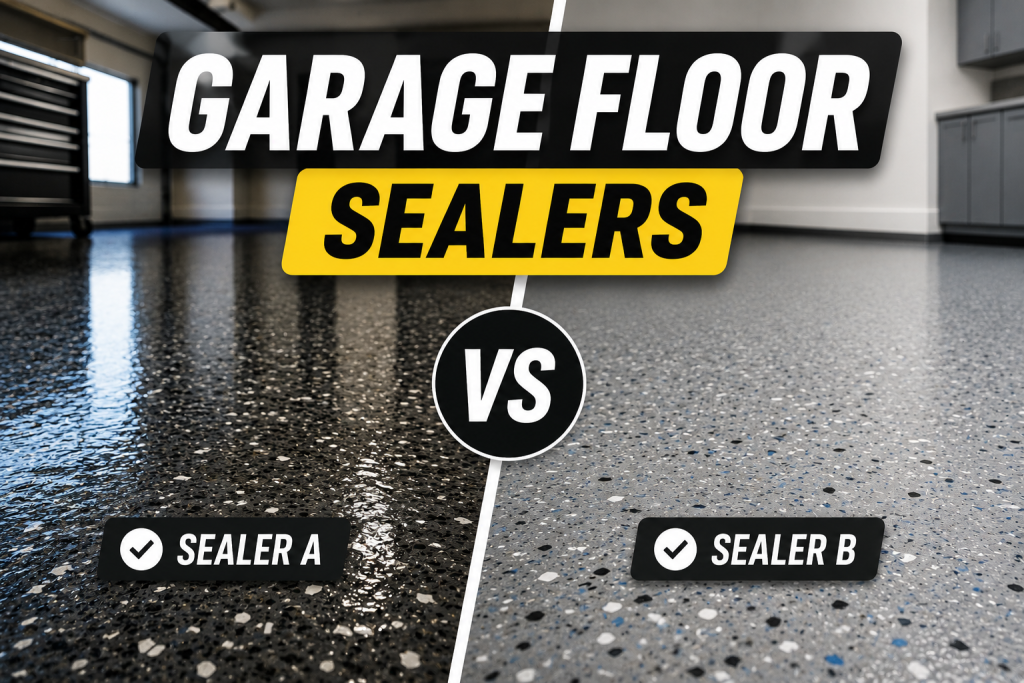
Acrylic sealers offer a thin surface film that improves appearance and adds slight protection against spills. However, they tend to wear down faster under tire traffic and require more frequent reapplication compared to epoxy systems. In contrast, epoxy coatings form a bonded, high-strength surface layer that offers significantly greater resistance to abrasion, oil, and impact. For this reason, sealers are generally viewed as a maintenance product rather than the epoxy garage floor coating for long-term performance.
Durable Garage Flooring Buying Guide
Choosing the best epoxy garage floor coating requires more than comparing price tags or brand names. Homeowners across the United States need to evaluate how the flooring system performs under real garage conditions, including vehicle weight, seasonal temperature changes, and exposure to oils or chemicals. One of the first considerations is durability. A truly reliable system should resist hot tire pickup, abrasion, and staining over time. This is a core requirement when selecting the epoxy garage floor coating, especially for high-traffic or multi-vehicle garages.
Another important factor is surface preparation. Even high-quality coatings will fail if applied to poorly prepared concrete. Grinding, crack repair, and moisture testing all play a role in ensuring long-term performance and adhesion strength. Finally, homeowners should consider the installation method and long-term maintenance needs. While DIY kits may seem cost-effective, professionally installed systems often deliver better lifespan and finish quality. Balancing upfront cost with long-term performance is essential when deciding on the epoxy garage floor coating for your home.
Conclusion
Selecting the best epoxy garage floor coating ultimately comes down to understanding performance needs, installation quality, and long-term durability expectations. While there are many options available on the market, not all coatings are designed to withstand real garage conditions in U.S. homes. The epoxy garage floor coating is typically one that balances strong adhesion, resistance to oil and chemicals, and long-term wear protection under vehicle traffic. Professional systems tend to outperform DIY solutions because of superior surface preparation and application consistency. By comparing epoxy systems with alternatives like sealers and paint, homeowners can make more informed decisions that prioritize durability over short-term cost savings. With the right choice and proper installation, a quality garage floor coating can deliver long-lasting performance and improved property value.
Frequently Asked Questions
What is the best epoxy garage floor coating for homes?
The best epoxy garage floor coating depends on usage, but professionally installed epoxy systems generally offer the highest durability, chemical resistance, and long-term performance for U.S. garages.
Is epoxy better than garage floor paint?
Yes, epoxy is more durable than garage floor paint because it chemically bonds to concrete and resists oil, tire wear, and moisture more effectively.
How long does epoxy garage flooring last?
A high-quality epoxy system can last many years with proper installation and maintenance, making it a strong candidate for the best epoxy garage floor coating in residential spaces.
Are polyaspartic coatings better than epoxy?
Polyaspartic coatings cure faster and offer better UV resistance, but epoxy is often preferred for base strength and adhesion in garage systems.
Do garage floor sealers protect concrete?
Sealers provide light protection against moisture and dust, but they do not offer the same durability or chemical resistance as epoxy systems.
Is professional installation necessary?
Professional installation is recommended because surface preparation and application quality significantly affect whether a system performs as the best epoxy garage floor coating.
What is the most oil-resistant garage floor coating?
High-quality epoxy systems provide strong resistance to oil and automotive fluids, making them ideal for garages with frequent vehicle maintenance.
Can DIY epoxy kits work long-term?
DIY kits can work for light-use garages, but they typically do not match the durability or lifespan of professional-grade systems.