

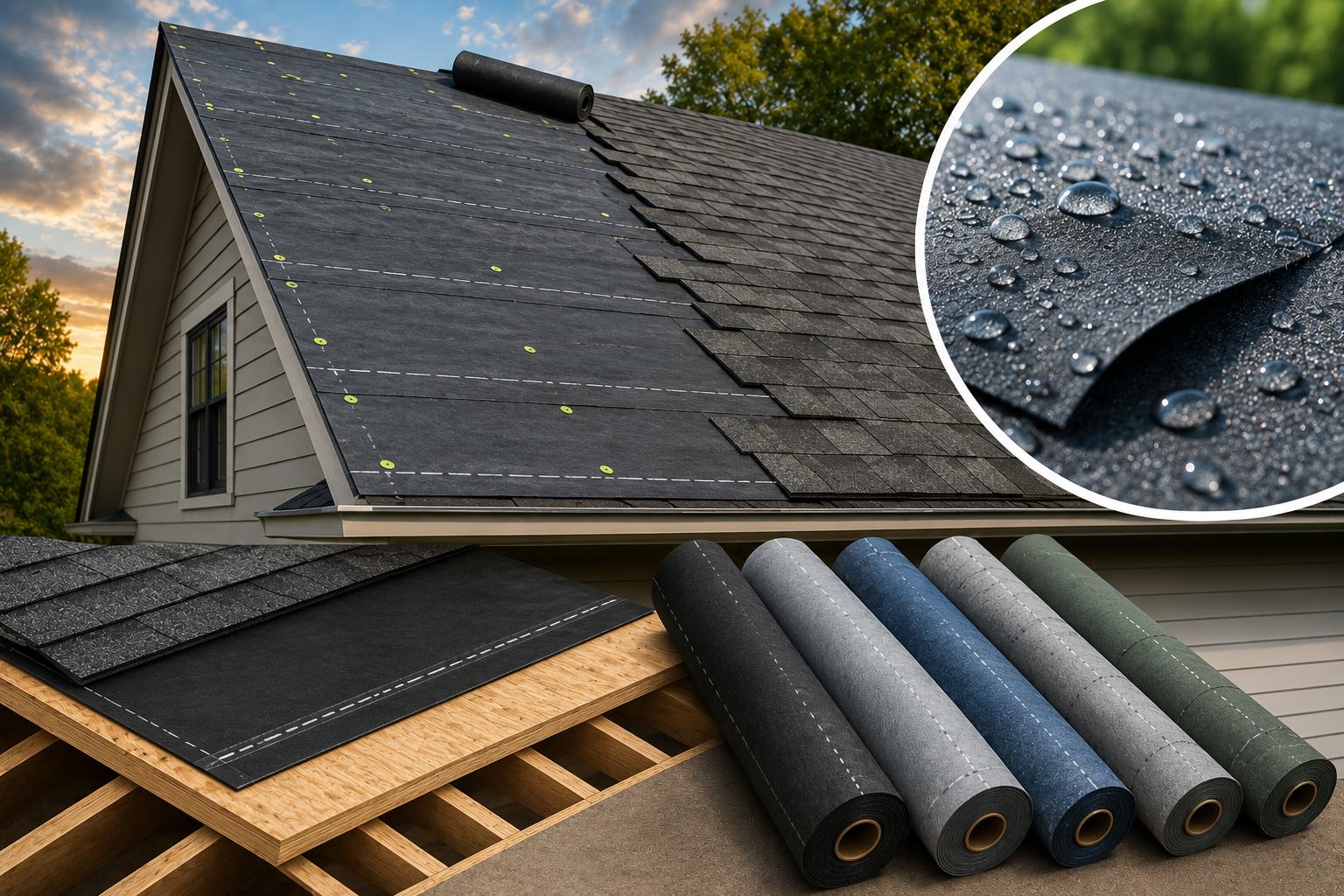
Best Roof Underlayment: Complete Homeowner Guide for Long-Term Roof Protection
Your roof is only as strong as the layers beneath it. While shingles, metal panels, and tiles receive most of the attention, roof underlayment is the hidden component that often determines how well a roofing system performs over time. This protective layer sits directly above the roof deck and below the finished roofing material, acting as a critical defense against water intrusion, wind-driven rain, and moisture damage. For homeowners across the United States, choosing the best roof underlayment can have a major impact on roof longevity, energy efficiency, maintenance costs, and even insurance claims after severe weather events. Whether you live in hurricane-prone Florida, snow-heavy Minnesota, or the hot deserts of Arizona, selecting the right underlayment helps protect your investment from regional climate challenges.
Modern roofing systems rely on advanced materials designed to improve durability and weather resistance. From synthetic roof underlayment products engineered for superior tear strength to specialized moisture-control systems, today’s options offer significantly better performance than traditional materials used decades ago. In this guide, you’ll learn how roof underlayment works, the different types available, how to choose the right option for your climate and roofing material, and what factors homeowners should consider before investing in a roof replacement project.
What Is the Best Roof Underlayment for Modern Homes?
The best roof underlayment is the protective layer installed between the roof deck and the exterior roofing material. Its primary purpose is to create a secondary barrier against water infiltration while helping the roof withstand weather-related stresses. Even the highest-quality shingles or metal panels can fail if wind-driven rain, melting snow, or ice dams penetrate the outer roofing surface. Modern underlayments are designed to provide improved durability, moisture resistance, and installation efficiency compared to older roofing products. Many roofing contractors now recommend advanced systems that remain stable during temperature fluctuations and offer enhanced protection during severe weather events. Many of the top roofing manufacturers offer proprietary underlayment systems designed to work seamlessly with their roofing products for better long-term performance.
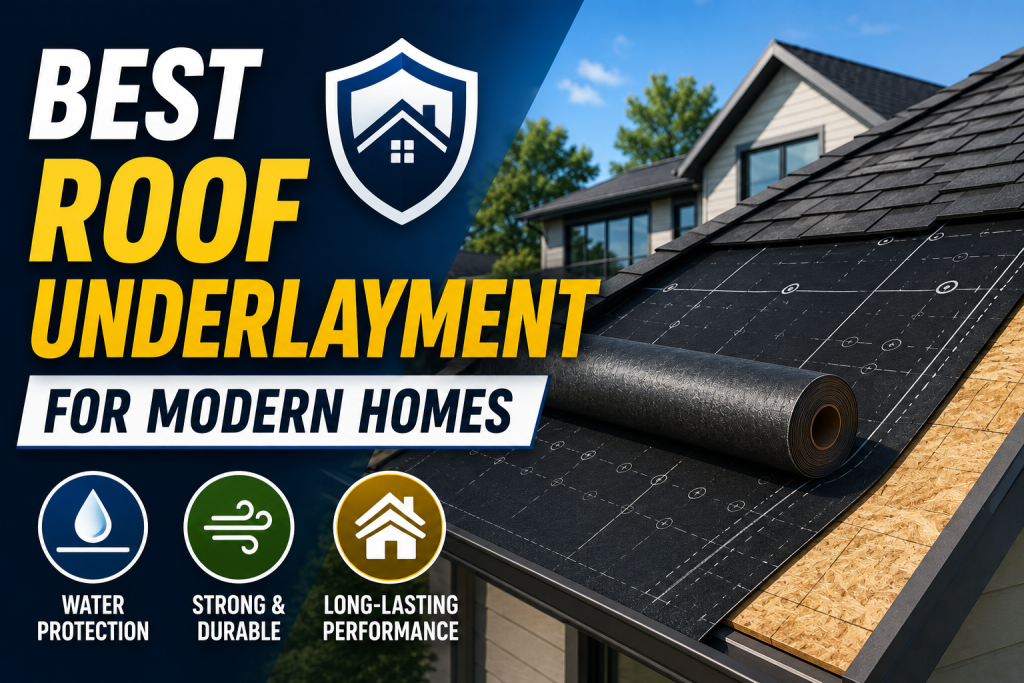
Homeowners often focus on visible roofing materials, but underlayment plays a major role in extending roof life. It helps preserve structural integrity, reduces the risk of costly repairs, and supports long-term roof performance in a variety of climates across the United States.
Why Roof Underlayment Matters More Than Most Homeowners Realize
Most roof leaks do not occur because an entire roof system fails. Instead, they often develop around roof penetrations, flashing details, valleys, and areas exposed to repeated weather stress. Underlayment provides an additional layer of protection when these vulnerable points experience water intrusion.
In regions such as Florida and Texas, high winds can lift shingles and expose the roof deck to rain. In northern states like Minnesota and Michigan, freeze-thaw cycles can create ice dams that force water beneath roofing materials. Without proper underlayment, moisture may reach the decking and eventually cause rot, mold growth, or insulation damage. Because roof replacement projects represent a significant investment, selecting a reliable underlayment can help homeowners avoid premature deterioration and improve the overall resilience of the roofing system.
How Underlayment Protects the Roof Deck
The roof deck serves as the structural foundation for the entire roofing assembly. When moisture reaches this layer, it can weaken the wood, create soft spots, and compromise the roof’s ability to support loads over time. A quality underlayment contributes to roof deck protection by reducing direct exposure to water and moisture. It also serves as a temporary weather barrier during roof installation when the finished roofing material has not yet been fully installed.
Many modern products include advanced moisture-management features that help limit water penetration while allowing roofing systems to perform effectively under changing weather conditions. This extra level of protection is particularly valuable in areas affected by hurricanes, heavy rainfall, snow accumulation, or prolonged humidity.
Types of Best Roof Underlayment Options Available Today
Choosing the right underlayment starts with understanding the materials available on the market. While all underlayments serve the same basic purpose, their performance, lifespan, durability, and cost can vary significantly. The ideal option depends on your local climate, roofing material, budget, and long-term maintenance goals. Homeowners replacing a roof today generally encounter three primary categories: synthetic underlayment, traditional felt underlayment, and rubberized asphalt products. Each offers unique advantages and limitations. Understanding these differences can help you make an informed decision and avoid selecting a product that may not perform well in your region.
Synthetic Underlayment
Over the past decade, synthetic roof underlayment has become one of the most popular choices among roofing professionals. Manufactured from woven or spun polypropylene and polyethylene materials, synthetic products are engineered for durability and weather resistance. Compared to traditional materials, synthetic underlayments are lighter, stronger, and less likely to tear during installation. They typically offer better UV resistance and can remain exposed for longer periods if roofing work is delayed. These benefits make them especially attractive in regions with intense sun exposure, such as Arizona, Nevada, and parts of Texas.
Many contractors prefer synthetic products because they provide reliable performance while simplifying installation. Although they generally cost more than traditional felt, the improved lifespan and durability often justify the additional investment for homeowners seeking long-term value. As a result, many roofing professionals consider synthetic products among the best roof underlayment options available for modern residential roofing systems. If your roof has widespread damage, it’s also worth understanding whether roof repairing vs replacement is the better long-term solution before investing in a new roofing system.
Felt Underlayment
For decades, roofing felt underlayment served as the standard choice for residential roofing projects throughout the United States. Commonly referred to as asphalt-saturated felt or tar paper, this material remains widely available and is often selected for budget-conscious roof replacements. Felt underlayment offers basic moisture protection and performs adequately under many roofing systems.
However, it tends to absorb moisture more readily than synthetic alternatives and may wrinkle when exposed to prolonged wet conditions. These characteristics can affect installation quality and long-term performance. Despite these limitations, felt remains a practical option for homeowners working within tighter budgets. When installed correctly and paired with quality roofing materials, it can still provide dependable protection in moderate climate conditions.
Rubberized Asphalt Underlayment
Rubberized asphalt products are widely considered the premium category of waterproof roof underlayment. These systems contain high concentrations of asphalt combined with rubber polymers that create a highly effective moisture barrier. One of their biggest advantages is self-sealing performance around nails and fasteners.
This feature helps reduce the risk of water intrusion in vulnerable roof areas such as valleys, eaves, skylights, and penetrations. As a result, many contractors use rubberized asphalt products in locations where leak protection is especially important. Although these systems carry a higher upfront cost, they deliver exceptional water resistance and are often recommended for homes exposed to heavy rain, snow accumulation, hurricanes, or severe weather conditions.
Best Roof Underlayment Comparison Table
Selecting an underlayment often comes down to balancing performance, durability, and budget. While no single product is ideal for every home, comparing the most common options side by side can make the decision easier. Homeowners should evaluate factors such as moisture resistance, expected lifespan, climate suitability, and installation requirements before choosing a product.
| Feature | Synthetic Underlayment | Felt Underlayment | Rubberized Asphalt Underlayment |
| Water Resistance | High | Moderate | Excellent |
| Tear Resistance | Excellent | Moderate | High |
| Weight | Lightweight | Heavier | Moderate |
| Lifespan | 25–50 Years | 12–20 Years | 30–50 Years |
| UV Exposure Tolerance | High | Low | Moderate |
| Installation Ease | Easy | Moderate | Moderate |
| Cost | Moderate | Low | High |
| Best For | Most modern homes | Budget projects | Severe weather regions |
For many homeowners, synthetic underlayment offers the best balance between cost and long-term performance. However, homes located in areas with frequent storms, ice dams, or heavy rainfall may benefit from premium rubberized asphalt systems. Budget-focused projects can still achieve reliable results with quality felt products when installed according to manufacturer specifications.
Ultimately, the right choice depends on your climate, roofing material, and long-term maintenance expectations. Investing in a durable underlayment today can help reduce repair costs and extend the life of the entire roofing system.
How to Choose the Best Roof Underlayment for Your Climate
The best roof underlayment for one homeowner may not be the right choice for another. Climate plays a major role in determining how well an underlayment performs over time. Factors such as humidity, rainfall, snow accumulation, wind exposure, and temperature fluctuations should all influence your decision.
Homeowners in coastal regions often prioritize water resistance and wind performance, while those in northern states need protection against ice dams and freeze-thaw cycles. In hot climates, UV resistance and heat tolerance become more important. Matching the underlayment to local weather conditions can improve roof durability and reduce the likelihood of future repairs.
Best Choices for Hot Southern Climates
States such as Florida, Texas, Louisiana, and Arizona expose roofing systems to intense sunlight, high temperatures, and severe storms. Under these conditions, synthetic underlayments often perform exceptionally well because they resist tearing, tolerate heat exposure, and maintain stability during installation.
For homes located in hurricane-prone regions, many roofing professionals recommend combining synthetic underlayment with enhanced fastening systems and manufacturer-approved roofing assemblies. This approach helps improve weather resistance and provides additional protection against wind-driven rain. For many homeowners in these areas, synthetic products are often considered the best roof underlayment due to their durability and weather-resistant properties. Because prolonged UV exposure can accelerate material degradation, selecting a product with strong UV tolerance is especially important for homeowners in southern and southwestern climates.
Best Choices for Snow and Ice Regions
In colder states such as Minnesota, Michigan, Wisconsin, and Colorado, winter weather creates unique roofing challenges. Snow accumulation and repeated freeze-thaw cycles can lead to ice dams that force water beneath shingles and into vulnerable roof areas.
This is where an ice and water shield becomes particularly valuable. Installed along roof edges, valleys, and other high-risk areas, it provides an additional layer of defense against water intrusion. Many building codes in northern regions require its use in specific locations due to the protection it offers. When paired with a quality underlayment system and proper attic ventilation, these products help reduce moisture-related damage and improve long-term roof performance in harsh winter climates.
Best Roof Underlayment for Different Roofing Materials
Not every roofing material performs the same way, which means underlayment selection should be tailored to the roof covering being installed. The compatibility between roofing products and underlayment can influence durability, moisture resistance, and overall system performance.
When evaluating roofing installation materials, homeowners should consider manufacturer recommendations alongside local climate conditions. Choosing the correct underlayment helps create a complete roofing assembly that delivers long-term protection and supports warranty requirements.
Asphalt Shingle Roofs
Asphalt shingles remain the most common residential roofing material in the United States. Both synthetic and felt underlayments are frequently used beneath asphalt shingles, although many contractors now prefer synthetic options because of their superior durability and tear resistance.
For homes located in regions prone to severe weather, adding specialized waterproofing products in vulnerable areas can provide additional protection against leaks and moisture intrusion.
Metal Roofs
Metal roofing systems often last 40 to 70 years, making it important to select an underlayment with comparable longevity. Synthetic underlayments are commonly recommended because they resist heat, maintain structural stability, and provide reliable moisture protection beneath metal panels.
In areas with heavy rainfall or snow accumulation, premium underlayments can help improve long-term performance and reduce the risk of moisture-related issues.
Slate and Tile Roofs
Slate and tile roofs are among the heaviest roofing systems used in residential construction. Because these materials can remain in service for several decades, homeowners should invest in high-quality underlayments capable of supporting long-term roof deck protection.
Rubberized asphalt and premium synthetic products are often recommended for these applications due to their durability and enhanced resistance to water infiltration. Although they may increase upfront project costs, they can help preserve the integrity of the roofing system throughout its lifespan.
Common Roof Underlayment Mistakes Homeowners Should Avoid
Even the highest-quality underlayment can fail to deliver its full benefits if it is selected or installed incorrectly. Many roofing problems that appear years after installation can often be traced back to poor planning, improper material choices, or shortcuts taken during construction. Choosing the best roof underlayment is only part of the equation—proper installation is equally important. One of the most common mistakes is choosing an underlayment based solely on price. While budget-friendly products may reduce initial costs, they may not provide the durability needed for harsh climates or long-term roof performance. Homeowners should evaluate lifespan, weather resistance, and manufacturer recommendations before making a decision when selecting the best roof underlayment for their home. Another frequent issue is failing to account for local weather conditions. A product that performs well in a dry climate may not offer sufficient protection in regions with heavy rainfall, snow, or hurricane exposure. Climate-specific selection is one of the most important factors in achieving long-lasting roof performance.
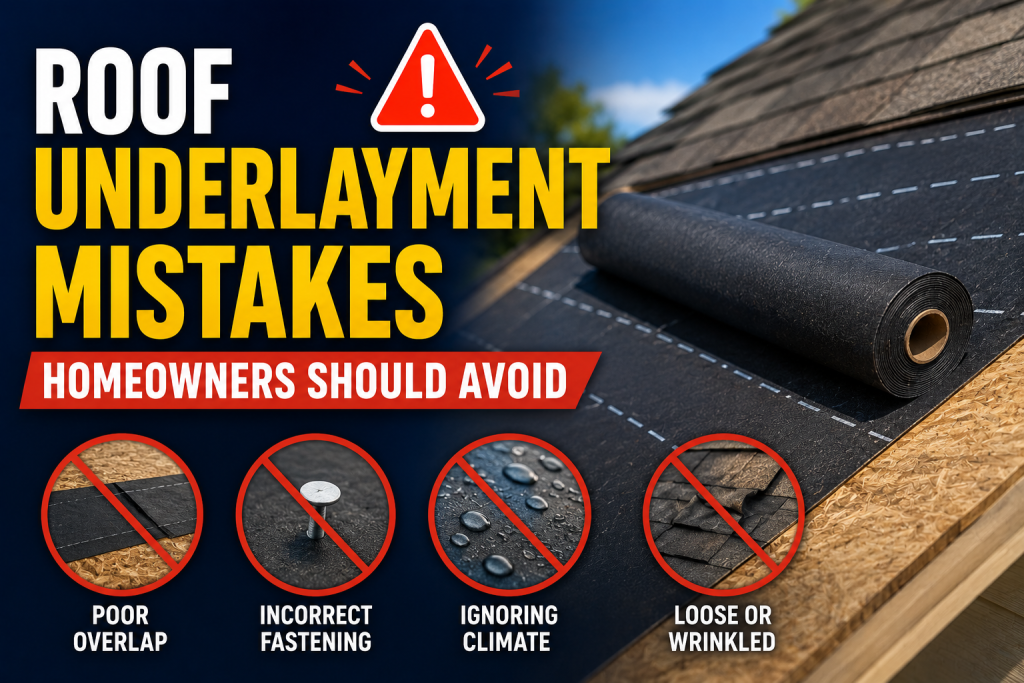
Improper installation can also create significant problems. Incorrect overlaps, poor fastening techniques, and inadequate sealing around roof penetrations can allow moisture to reach vulnerable areas. Even premium materials cannot compensate for poor workmanship. Homeowners should also avoid overlooking attic ventilation. Excess heat and trapped moisture can shorten the lifespan of roofing components and increase the risk of condensation-related damage. A well-designed roofing system works best when underlayment, ventilation, flashing, and roofing materials function together as a complete assembly. Finally, many homeowners focus exclusively on shingles or metal panels while ignoring the importance of the layers beneath them. Since underlayment serves as a critical secondary defense against water intrusion, investing in the best roof underlayment can help prevent costly repairs and extend the life of the entire roofing system.
Cost of Roof Underlayment in 2026
The cost of roof underlayment varies depending on the material selected, roof size, labor rates, and regional market conditions. While underlayment represents only one portion of a roof replacement budget, it plays a significant role in the overall performance and longevity of the roofing system. Traditional felt underlayment is generally the most affordable option, making it attractive for homeowners with limited budgets. Synthetic underlayments typically cost more upfront but often provide better durability, weather resistance, and long-term value. Premium rubberized asphalt products are usually the most expensive because of their advanced waterproofing capabilities.
For homeowners evaluating the best roof underlayment, cost should be weighed alongside performance, expected lifespan, and climate suitability. For a typical 2,000-square-foot American home, underlayment costs can range from a few hundred dollars for basic materials to several thousand dollars when premium products and specialized installation are included. Labor costs may vary depending on roof complexity, pitch, accessibility, and local contractor pricing. Many premium products also function as a highly effective roofing moisture barrier, helping reduce the risk of water damage and costly repairs. While homeowners may be tempted to minimize spending on hidden roofing components, investing in quality materials often results in lower maintenance expenses over the life of the roof. When evaluating project costs, it is important to consider total ownership value rather than focusing exclusively on the initial price. A more durable underlayment can contribute to longer roof life, improved weather protection, and fewer unexpected repair bills in the future.
Is Synthetic Underlayment Better Than Felt?
For many homeowners, the final decision often comes down to choosing between synthetic and felt underlayment. While both products can provide effective protection when installed correctly, advances in roofing technology have shifted industry preferences toward synthetic materials in many residential applications.
Synthetic underlayments generally offer greater tear resistance, improved weather performance, and longer service life. Felt products remain a viable option for budget-conscious projects, but they typically require more careful handling during installation and may be more vulnerable to moisture exposure over time. When comparing these options, the best roof underlayment ultimately depends on your budget, climate, roofing material, and long-term ownership goals.
Is Synthetic the Best Roof Underlayment for Most Homes?
In many situations, synthetic products are considered the best roof underlayment option for modern residential construction. Their lightweight design makes installation easier, while their superior durability helps them withstand harsh weather conditions.
Homeowners in states such as Texas, Florida, Arizona, and California often benefit from synthetic underlayments because these products perform well under extreme heat, strong winds, and prolonged UV exposure. Many roofing manufacturers also recommend synthetic systems for premium roofing installations due to their enhanced reliability. Although synthetic materials usually cost more than felt, the performance advantages often justify the additional investment for homeowners planning to stay in their homes for many years.
When Is Felt Still the Best Roof Underlayment Choice?
Despite the growing popularity of synthetic products, felt underlayment still has a place in the roofing industry. For smaller projects, budget-sensitive roof replacements, and certain repair applications, felt can provide dependable protection when installed correctly.
Homeowners working within strict financial constraints may find that felt delivers acceptable performance at a lower upfront cost. In regions with moderate weather conditions and limited exposure to severe storms, the difference in long-term performance may be less significant. Ultimately, the best roof underlayment is the one that matches the home’s climate, roofing material, and expected service life while fitting the homeowner’s budget and maintenance expectations.
Conclusion
Choosing the best roof underlayment is one of the most important decisions homeowners can make during a roof replacement project. Although it remains hidden beneath the finished roofing material, underlayment serves as a critical defense against water intrusion, moisture damage, and weather-related deterioration. For most modern homes, synthetic underlayment offers an excellent balance of durability, weather resistance, and long-term value. Homeowners in regions exposed to severe storms, heavy rainfall, or extreme temperatures often benefit from its enhanced performance characteristics. Meanwhile, premium rubberized asphalt products provide exceptional protection in areas where water resistance is a top priority, while traditional felt remains a practical option for budget-focused projects. Ultimately, the best roof underlayment depends on your climate, roofing material, budget, and long-term ownership plans. By investing in a quality underlayment and ensuring proper installation, homeowners can improve roof durability, reduce maintenance costs, and help protect one of their home’s most valuable assets for years to come.
Frequently Asked Questions
How long does roof underlayment last?
The lifespan of roof underlayment depends on the material used and local weather conditions. Traditional felt underlayment typically lasts 12 to 20 years, while many synthetic products can remain effective for 25 to 50 years. Premium rubberized asphalt systems may also provide decades of protection when installed correctly as part of a complete roofing assembly.
Can roof underlayment stop roof leaks?
Underlayment is designed to serve as a secondary water barrier, helping protect the roof deck when moisture gets beneath shingles, metal panels, or tiles. While it can reduce the risk of leaks, it should not be viewed as a replacement for properly installed roofing materials, flashing, and ventilation systems.
Do I need ice and water shield on every roof?
Not necessarily. Building code requirements vary by region. Homes located in northern states with frequent snow accumulation and ice dam formation often require ice and water shield protection along eaves, valleys, and other vulnerable roof areas. In these climates, combining this protection with the best roof underlayment can significantly reduce the risk of water intrusion and moisture-related damage. In warmer climates, its use may be limited to specific high-risk locations.
What is the best underlayment for metal roofing?
Many roofing professionals recommend synthetic underlayment beneath metal roofing systems because it provides excellent durability, heat resistance, and moisture protection. Premium products can help support the long service life that metal roofs are known for.
Can roof underlayment be installed over old material?
In most cases, roofing contractors recommend removing existing roofing materials before installing new underlayment. This allows for a thorough inspection of the roof deck and helps ensure the new roofing system performs as intended. Local building codes and manufacturer guidelines should always be followed.