

How Much Does Carpet Replacement Cost?
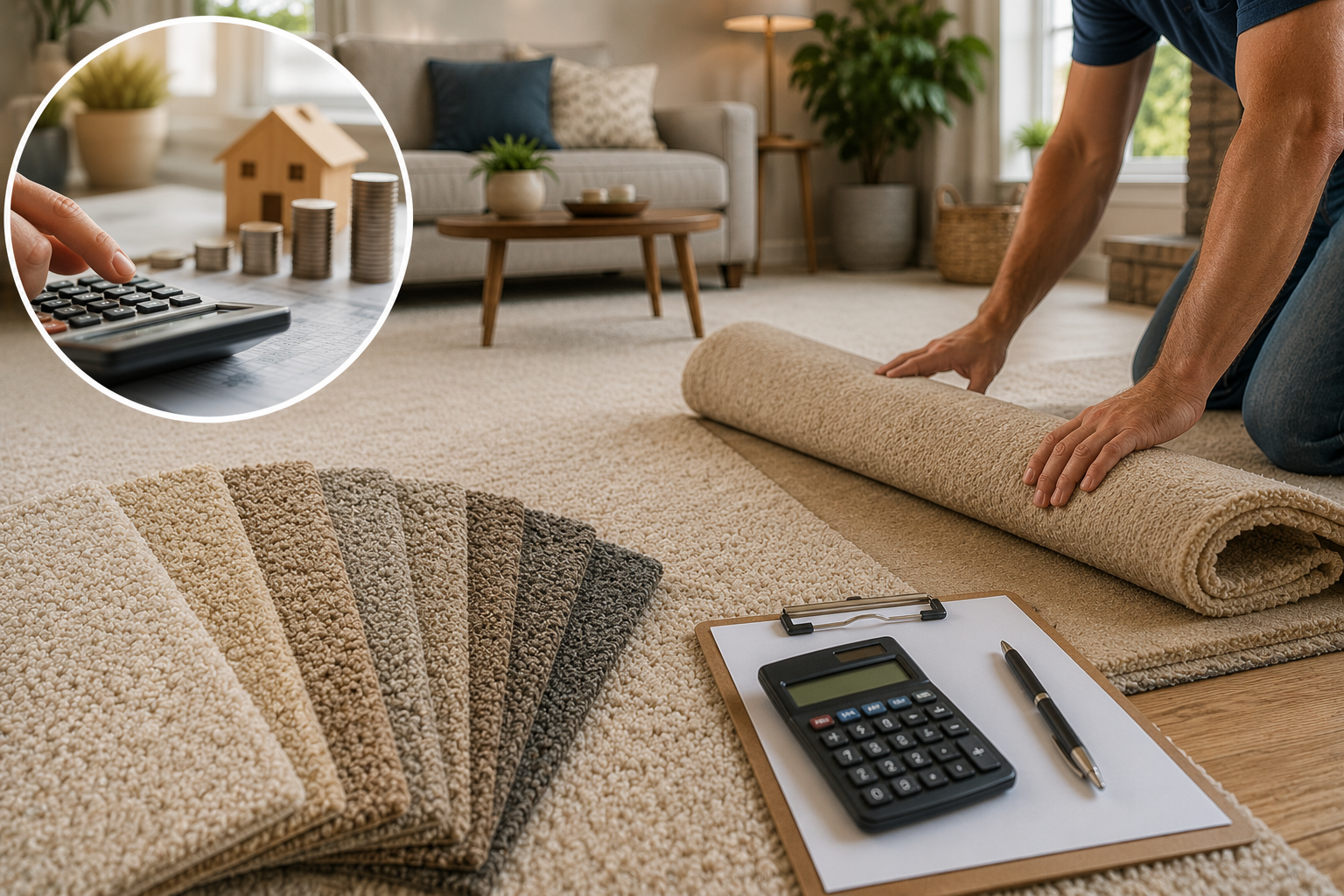
Understanding the carpet replacement cost is one of the first steps homeowners take when planning a flooring upgrade. Whether you’re dealing with worn-out carpeting, pet damage, stubborn stains, or simply updating an outdated interior, replacing carpet can significantly improve comfort, appearance, and overall home value. In 2026, the average carpet replacement project can range from a few hundred dollars for a small bedroom to several thousand dollars for a whole-house installation.
However, the final price depends on factors such as carpet quality, room size, labor rates, padding selection, and local market conditions. From homes in Dallas and Atlanta to properties in Chicago and Seattle, pricing can vary considerably. This guide breaks down the real costs involved, helping you budget accurately and make informed decisions before hiring a flooring contractor.
Average Carpet Replacement Cost in 2026
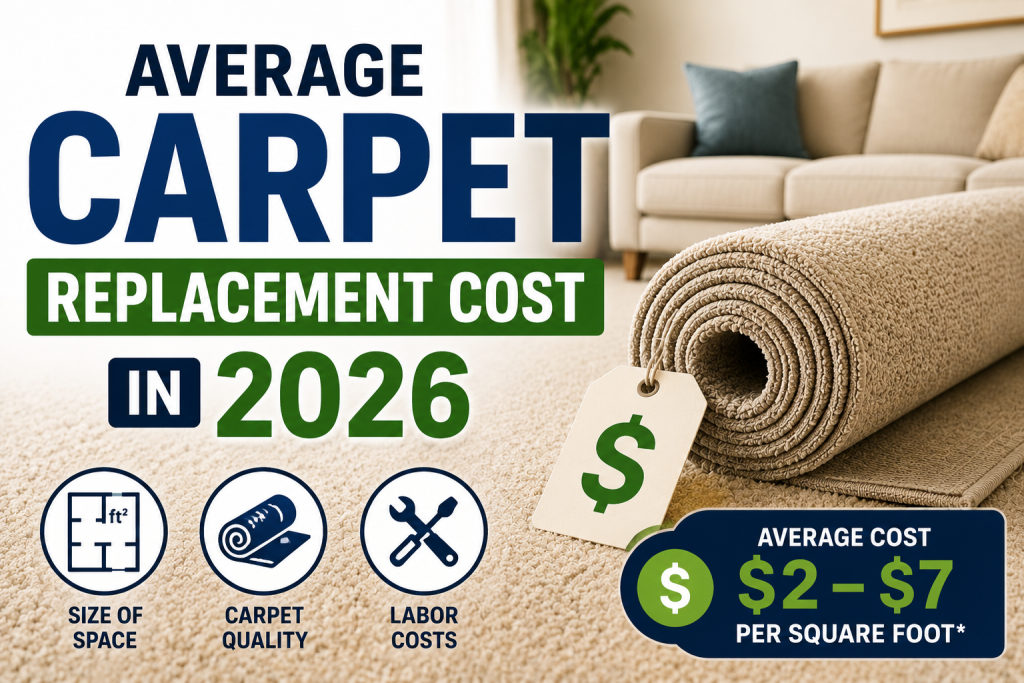
The average carpet replacement cost in the United States typically falls between $1,500 and $5,500, with many homeowners spending around $3,000 for a mid-range project. These estimates generally include materials, padding, installation, and basic removal of existing carpet. For smaller spaces, such as a guest bedroom measuring 150 to 200 square feet, costs may range from $600 to $1,500. Larger projects involving multiple rooms or an entire home can easily exceed $8,000, especially when premium materials are selected.
When evaluating carpet replacement pricing, it’s important to look beyond the initial material cost. Installation complexity, regional labor rates, furniture moving, and subfloor preparation can all influence the final quote. Homeowners in higher-cost markets such as California, New York, and parts of Florida often pay more than those in smaller metropolitan areas or rural regions.
Carpet Replacement Cost Per Square Foot
Most flooring contractors calculate the carpet replacement cost on a per-square-foot basis. For homeowners, this pricing method makes it easier to estimate project expenses before requesting formal quotes. In most U.S. markets, replacing carpet typically costs between $4 and $12 per square foot, including materials and installation. Entry-level carpet products generally fall at the lower end of the range, while premium options such as wool or high-performance nylon command higher prices. The type of carpet pad selected can also affect the total investment.
For example, replacing carpet in a 300-square-foot bedroom may cost between $1,200 and $3,600, while a 1,000-square-foot installation could range from $4,000 to $12,000. Understanding square-foot pricing helps homeowners compare contractor estimates and anticipate overall flooring replacement costs before beginning a renovation project.
What Factors Affect Carpet Replacement Cost?
No two carpet projects are exactly alike, which is why the final carpet replacement cost can vary significantly from one home to another. While square footage plays an important role, several other factors influence the overall budget homeowners should expect.
The type of carpet fiber, quality of padding, room layout, labor requirements, and existing floor conditions all contribute to the final price. Additional services such as old carpet removal, furniture relocation, stair installation, and moisture remediation can also increase costs. Homes with damaged subfloors may require repairs before new flooring can be installed safely.
Understanding these variables helps homeowners compare estimates more effectively and avoid unexpected expenses during the project. The following factors are among the most important cost drivers contractors consider when preparing a carpet installation quote.
Carpet Material
The type of carpet you choose has one of the biggest impacts on the overall carpet replacement cost. Different fibers offer varying levels of durability, stain resistance, comfort, and longevity, making material selection a major budgeting factor.
Nylon remains one of the most popular choices because of its durability and ability to withstand heavy foot traffic. Polyester is often selected for its affordability and stain resistance, while olefin performs well in moisture-prone areas such as basements. Homeowners seeking a premium appearance frequently choose wool, although it comes with a substantially higher price tag.
Leading manufacturers such as Shaw Floors, Mohawk Flooring, and Stainmaster offer products across multiple price points. Choosing the right material involves balancing upfront costs with long-term performance, maintenance requirements, and the specific needs of your household.
Room Size
Room size directly affects the total carpet replacement cost because contractors calculate both materials and labor based on the amount of flooring being installed. While larger projects require a bigger overall investment, they may benefit from lower per-square-foot pricing due to improved installation efficiency.
For example, replacing carpet in a small bedroom typically costs far less than updating a large family room, finished basement, or an entire home. However, oddly shaped spaces, multiple closets, and stairways can create additional material waste and increase installation complexity.
Homeowners planning a whole-house flooring update should carefully measure each room before requesting estimates. Accurate measurements help contractors provide realistic pricing and reduce the likelihood of unexpected charges later in the project. Larger installations may also qualify for volume discounts from retailers and flooring contractors.
Carpet Padding
Carpet padding is often overlooked during the buying process, but it plays a major role in both comfort and long-term performance. The quality and thickness of the padding can influence the overall carpet replacement cost, as higher-grade products typically come with a higher upfront investment.
A good carpet pad helps absorb foot traffic, reduces wear on carpet fibers, improves insulation, and enhances noise reduction throughout the home. In colder regions such as Minnesota, Michigan, and Colorado, upgraded padding may also contribute to a warmer and more comfortable indoor environment.
Most homeowners spend between $0.50 and $2 per square foot on padding, depending on the material and density selected. While choosing the least expensive option may reduce initial costs, investing in quality padding can extend the lifespan of your carpet and improve overall value over time.
Labor Costs
Labor is one of the largest components of the overall carpet replacement cost, especially for projects involving multiple rooms, staircases, or custom layouts. Professional installers charge for measuring, cutting, stretching, seaming, and securing the carpet, as well as preparing the space before installation begins.
Regional differences can significantly affect carpet labor pricing. Homeowners in major metropolitan areas such as New York, Los Angeles, and Miami often pay higher rates than those in smaller cities or rural markets. Installation complexity also matters. Rooms with unusual dimensions, built-in features, or numerous transitions between flooring types generally require additional labor time.
Although hiring experienced professionals may increase upfront expenses, proper installation can improve carpet performance and longevity. Obtaining multiple estimates and reviewing contractor credentials can help homeowners find the right balance between quality workmanship and project affordability.
Furniture Moving
Furniture moving is another factor that can affect the final carpet replacement cost. While some homeowners choose to clear rooms themselves before installation day, many contractors offer furniture moving services for an additional fee. Large items such as beds, sectional sofas, entertainment centers, and heavy dining tables require extra time and labor to relocate safely. Depending on the contractor and the amount of furniture involved, these charges can add anywhere from a modest fee to several hundred dollars to the project total.
Preparing rooms in advance can help reduce installation delays and lower overall expenses. Homeowners should also remove fragile items, electronics, and personal belongings before the crew arrives. Asking contractors whether furniture moving is included in the estimate can prevent misunderstandings and provide a more accurate picture of the total project budget.
Subfloor Repairs
The condition of the subfloor beneath your existing carpet can have a major impact on the final carpet replacement cost. Before new flooring is installed, contractors often inspect the subfloor for moisture damage, uneven surfaces, squeaks, soft spots, or structural issues that could affect the quality of the installation.
Minor repairs may involve securing loose sections or leveling small imperfections. More extensive damage caused by water leaks, flooding, or long-term wear can require partial subfloor replacement, significantly increasing project expenses. Homes with older flooring systems are particularly likely to need corrective work before installation can proceed.
Although subfloor repairs add to the initial investment, they help ensure a smooth, durable foundation for the new carpet. Addressing these issues early can prevent premature wear, uneven surfaces, and costly repairs after the installation is complete.
Carpet Removal Cost: What Homeowners Should Expect
Before new flooring can be installed, the existing carpet must usually be removed and disposed of properly. The average carpet replacement cost often includes basic tear-out services, but homeowners should always verify what is covered in their estimate. In most markets, carpet removal cost ranges from $1 to $2 per square foot, depending on the size of the project and the condition of the existing flooring. Contractors typically remove the old carpet, padding, tack strips, and related debris before preparing the surface for installation.

Additional charges may apply if the old carpet has been affected by moisture, mold, pet odors, or other conditions requiring special handling. Bundling removal and installation services through the same contractor can often reduce overall project expenses while simplifying scheduling and project management.
Cost by Carpet Type
One of the most important factors influencing the overall carpet replacement cost is the type of carpet selected. Different fibers vary in durability, appearance, maintenance requirements, and expected lifespan, which directly affects both material and installation expenses. Budget-friendly options can help homeowners complete a project at a lower cost, while premium materials may offer greater comfort and long-term performance. The best choice often depends on household traffic levels, pets, children, and the specific room being renovated.
For example, a carpet used in a busy family room will face different demands than one installed in a guest bedroom. Understanding the strengths and limitations of each material allows homeowners to make informed decisions and choose a flooring solution that aligns with both their budget and lifestyle needs.
Nylon Carpet
Nylon is widely considered the industry standard for residential carpeting because of its exceptional durability and resilience. For homeowners evaluating the overall carpet replacement cost, nylon often provides one of the best balances between performance and long-term value. This material resists crushing, matting, and everyday wear, making it a popular choice for high-traffic areas such as hallways, living rooms, and family rooms. Many modern nylon carpets also include advanced stain-resistant treatments that help maintain their appearance over time.
Installed costs for nylon carpet typically range from the mid to upper end of the market, depending on fiber quality and manufacturer. While the initial investment may be higher than some synthetic alternatives, many homeowners choose nylon because it can withstand years of daily use while retaining its texture, appearance, and overall comfort.
Polyester Carpet
Polyester carpet is a popular option for homeowners seeking an affordable flooring solution without sacrificing comfort. When comparing materials that affect the overall carpet replacement cost, polyester often stands out for its attractive balance of price and appearance. This fiber is known for its soft texture, vibrant color retention, and strong resistance to many common household stains. As a result, it is frequently used in bedrooms, guest rooms, and other areas that experience moderate foot traffic. Polyester carpeting is also available in a wide range of styles, making it easier to match different interior design preferences.
Although polyester is generally less resilient than nylon in heavily used spaces, it remains a practical choice for budget-conscious homeowners. With proper maintenance, it can provide years of comfort while keeping flooring upgrade expenses under control.
Olefin Carpet
Olefin, sometimes referred to as polypropylene, is one of the more affordable carpet materials available to homeowners. When assessing the overall carpet replacement cost, olefin can be an attractive option for those prioritizing budget over premium performance features. One of olefin’s biggest advantages is its resistance to moisture, mildew, and many common stains. Because of these characteristics, it is often installed in basements, playrooms, and other areas where occasional moisture exposure may be a concern. The material also performs well in low-traffic spaces where heavy wear is less likely.
However, olefin is generally less resilient than nylon and may show signs of crushing or matting more quickly in busy areas of the home. For homeowners seeking an economical flooring solution in select rooms, olefin remains a practical and cost-effective choice.
Wool Carpet
Wool is considered one of the most luxurious carpeting materials available and typically represents the premium end of the carpet replacement cost spectrum. As a natural fiber, wool offers exceptional softness, durability, and a distinctive appearance that many homeowners find appealing. In addition to its comfort, wool provides natural insulation and can help regulate indoor temperatures throughout the year. It is also naturally resistant to flames and can contribute to a quieter living environment by absorbing sound more effectively than many synthetic alternatives.
The primary drawback is price. Wool carpets often cost significantly more than nylon, polyester, or olefin products, both in material expenses and installation costs. However, for homeowners seeking a high-end flooring upgrade with long-term durability and timeless appeal, wool remains one of the most desirable options on the market.
New Carpet Installation Cost by Room Size
Room size is one of the easiest ways to estimate the overall carpet replacement cost before requesting contractor quotes. Since both materials and labor are calculated based on square footage, larger rooms naturally require a bigger investment. A small bedroom may cost between $600 and $1,500 to recarpet, while a standard living room often ranges from $1,200 to $3,000 depending on the carpet quality selected. Finished basements, bonus rooms, and whole-home projects can increase costs substantially due to the larger amount of material required.
Understanding the new carpet installation cost by room helps homeowners create a realistic renovation budget and compare contractor estimates more effectively. Measuring each space accurately before shopping for flooring can also reduce surprises and improve the accuracy of project pricing from the start.
Regional Carpet Replacement Costs Across the U.S.
The average carpet replacement cost can vary considerably depending on where you live. Labor rates, contractor availability, local demand, and cost of living all influence the final price homeowners pay for flooring projects. In major metropolitan areas such as New York, Los Angeles, Seattle, and Miami, installation costs are typically higher because of increased labor expenses and operating costs. Meanwhile, homeowners in smaller cities and suburban markets may find more competitive pricing for similar materials and services.
Regional climate can also influence flooring choices. In colder Northern states, many homeowners prioritize comfort and insulation when selecting carpet. In warmer regions such as Texas, Arizona, and Florida, carpet is often limited to bedrooms while hard-surface flooring is used throughout common living areas. Understanding local market conditions helps homeowners set realistic expectations before starting a flooring renovation project.
Hidden Costs That Can Increase Your Flooring Replacement Costs
Many homeowners focus on material and installation expenses when estimating the carpet replacement cost, but several hidden charges can affect the final project budget. Failing to account for these items may result in unexpected expenses once work begins. Common additional costs include furniture relocation, stair installation, carpet disposal fees, moisture remediation, subfloor leveling, transition strips, and baseboard repairs. Older homes may also require corrective work before new flooring can be installed properly, adding both time and expense to the project.
These overlooked items can significantly increase the overall home flooring renovation cost, particularly in larger homes or properties with existing floor damage. Requesting a detailed written estimate from your contractor is one of the best ways to identify potential extra charges and avoid budget surprises during the renovation process.
Should You Repair or Replace Your Carpet?
In some situations, repairing carpet may be more practical than paying the full carpet replacement cost. Small burns, isolated stains, loose seams, or limited damage in low-visibility areas can often be repaired by a flooring professional at a fraction of the cost of replacement. However, replacement is usually the better option when carpet has reached the end of its lifespan or shows widespread wear. Signs that replacement may be necessary include persistent odors, extensive staining, matted fibers, water damage, and visible deterioration across multiple rooms.
Homeowners preparing to sell their property should also consider the impact of flooring on buyer perception. Fresh carpeting can improve the appearance of interior spaces, create a cleaner impression during showings, and help support overall resale appeal in competitive housing markets.
How to Save Money on Residential Carpet Upgrades
Homeowners can reduce the overall carpet replacement cost without sacrificing quality by planning carefully and comparing multiple options before making a purchase. A little research upfront can lead to significant savings throughout the project. One effective strategy is to obtain at least three estimates from reputable flooring contractors. Comparing bids helps identify competitive pricing and ensures you understand exactly what is included in each proposal. Scheduling installation during slower seasons may also result in lower labor rates and promotional discounts.
When planning residential carpet upgrades, consider selecting a durable mid-range product rather than the least expensive option available. Higher-quality materials often last longer and provide better long-term value. Additionally, bundling carpet removal and installation services through the same contractor can simplify the project while reducing overall expenses.
Is Carpet Replacement Worth the Investment?
For many homeowners, the carpet replacement cost is a worthwhile investment because it improves comfort, appearance, and everyday livability. New carpeting can transform dated interiors, create a warmer atmosphere, and make rooms feel cleaner and more inviting. Unlike major remodeling projects, carpet replacement delivers noticeable visual impact without requiring extensive construction. It can also help reduce noise levels, improve underfoot comfort, and provide additional insulation in colder climates.
These benefits are especially valuable in bedrooms, family rooms, and finished basements. While carpet may not generate the same return on investment as premium hardwood flooring, it remains a practical upgrade for many households. When homeowners choose durable materials and professional installation, new carpeting can provide years of performance while enhancing the overall appeal and functionality of the home.
Conclusion
Understanding the true carpet replacement cost helps homeowners make smarter renovation decisions and avoid unexpected expenses during a flooring project. While the total investment varies based on carpet material, room size, labor requirements, and local market conditions, having a clear budget can make the process far less stressful. From affordable synthetic options to premium wool carpeting, there are flooring solutions available for nearly every home and budget. Taking the time to compare materials, evaluate contractor estimates, and identify potential hidden costs can help maximize the value of your investment. Whether you’re replacing worn-out carpet in a single bedroom or updating flooring throughout your entire home, careful planning is the key to achieving lasting results. By understanding the factors that influence pricing, homeowners can confidently choose the right carpet and create a more comfortable, attractive living space for years to come.
Frequently Asked Questions
What is the average carpet replacement cost for a home
The average carpet replacement cost typically ranges from $1,500 to $5,500, depending on the size of the project, carpet quality, labor rates, and any additional work required before installation.
How much does it cost to replace carpet in a single room?
Most homeowners spend between $600 and $2,000 to replace carpet in a standard bedroom or living area. Pricing varies based on room size, material selection, and local contractor rates.
How long does carpet installation take?
A typical residential installation can often be completed within one day. Larger homes, custom layouts, or projects requiring subfloor repairs may take longer.
Should I replace carpet before selling my house?
If the existing carpet is heavily worn, stained, or outdated, replacement can improve buyer perception and help a home show more effectively during the selling process.
How often should carpet be replaced?
Most residential carpets last between 10 and 15 years. Homes with pets, children, or heavy foot traffic may require replacement sooner depending on wear and maintenance.