


Greige vs Beige: Which Paint Color Works Better for Lighting and Room Design
When comparing greige vs beige, it’s important to first understand what makes greige such a dominant choice in modern interiors. Greige paint is a hybrid neutral that blends gray and beige, creating a balanced tone that sits between warm and cool. This makes it one of the most versatile options in today’s modern home color scheme. The popularity of best greige paint comes from its adaptability. Unlike traditional neutrals that lean strongly warm or cool, greige adjusts more easily to different lighting conditions. In bright natural light, it may appear slightly cooler and more gray, while in softer or artificial lighting, it can feel warmer and more beige.
This flexibility is one reason greige is frequently listed among famous interior paint colors in contemporary homes. It works well in open-concept layouts where consistent undertones are needed across multiple rooms, helping maintain visual flow without feeling flat or one-dimensional. Greige also pairs well with a wide range of materials, including wood, stone, metal, and modern finishes, making it a strong foundation for both transitional and modern design styles.
What Is Beige Paint in Interior Design?
In the greige vs beige comparison, beige represents the more traditional side of neutral design. Beige fence paint ideas are built around warm undertones such as yellow, cream, and soft tan, which create a cozy and inviting atmosphere in interior spaces. Beige has long been a staple in residential design because it works well in homes that prioritize warmth and comfort. Unlike cooler neutrals, beige tends to feel softer and more grounded, especially in rooms with natural wood flooring, warm lighting, or classic furnishings. This makes it a strong choice for homeowners who prefer a timeless, lived-in aesthetic.
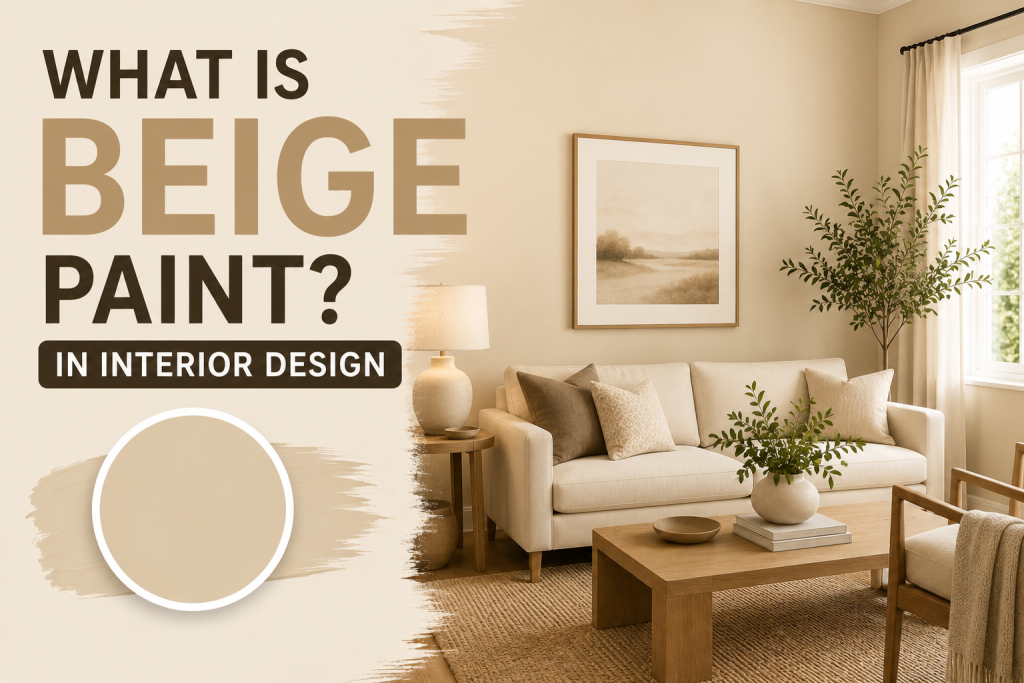
In terms of warm colorless paint colors, beige is often used in living rooms, bedrooms, and family spaces where relaxation is the main goal. It creates a gentle backdrop that doesn’t compete with furniture or décor, allowing textures and materials to stand out naturally. However, beige can sometimes appear too warm or slightly dated in certain lighting conditions, especially in modern spaces with cooler finishes like gray tile or stainless steel. This is where the contrast with greige becomes more noticeable in modern design decisions.
Greige vs Beige: Key Differences
When comparing greige vs beige, the main difference comes down to undertones and how each color behaves in different lighting and design settings. While both are considered neutral paint comparison options, they create very different visual effects in a home. Beige is a warm neutral that leans heavily into yellow, cream, or soft tan undertones. It tends to create a cozy, traditional atmosphere and works well in spaces that emphasize comfort and warmth. However, in modern interiors, beige can sometimes feel too warm or less flexible when paired with cooler materials.
Greige, on the other hand, is a blend of gray and beige, which makes it a more balanced and adaptable option. This gray beige color performs well in both warm and cool lighting, shifting subtly depending on the environment. In bright natural light, it may appear cooler and more gray, while in softer lighting it feels warmer. Another key difference is versatility. Best greige paint works more easily across a variety of design styles, from contemporary to transitional, while beige is more closely tied to traditional and classic interiors. This is why greige is often chosen for modern renovations and modern home color schemes that require long-term flexibility.
Best Greige Paint in Today’s Homes
One of the biggest reasons greige and beige continue to be a major design debate is the rise of modern greige paint in contemporary interiors. Greige has become a go-to choice for homeowners who want a neutral that feels updated, flexible, and compatible with a wide range of design styles. Unlike more traditional beige tones, greige fits seamlessly into modern home color scheme because it bridges warm and cool undertones. This balance allows it to adapt to different materials commonly found in today’s homes, such as light oak flooring, black metal fixtures, quartz countertops, and mixed-texture furnishings.
In open-concept layouts, greige performs especially well. Its subtle gray beige color paint quality helps maintain visual continuity between rooms without creating harsh transitions or color breaks. This makes it a popular choice for full-home repaints where consistency is a priority. Greige is also widely used in famous interior paint colors because it tends to feel timeless rather than trend-driven. While pure gray or beige may lean too far in one direction, greige stays flexible, making it suitable for both resale-focused homes and long-term personal living spaces. Overall, modern greige has become a defining neutral in today’s interior design landscape due to its adaptability and understated sophistication.
Beige fence paint ideas for Warm Interiors
When evaluating greige vs beige, beige still holds a strong place in design for homeowners who want warmth, softness, and a more traditional interior feel. Beige wall paint ideas are especially effective in spaces where comfort and coziness are the top priorities. Beige works best in rooms that benefit from a warmer atmosphere, such as living rooms, bedrooms, and family spaces. Its natural undertones, ranging from soft cream to light tan, help create a welcoming environment that feels grounded and familiar. This makes beige a reliable choice in many warm neutral paint color schemes.
In homes with wood flooring, rustic furniture, or earthy décor, beige enhances natural textures without overpowering them. It acts as a soft backdrop that allows materials like oak, walnut, and stone to stand out while still maintaining a cohesive look. However, beige can feel more traditional compared to best greige paint, especially in spaces with cooler finishes like gray tile or stainless steel. In those environments, beige may appear slightly heavy or dated if not balanced properly with lighting and accents. Despite this, beige remains a strong option in famous interior paint colors, particularly for homeowners who prioritize warmth, comfort, and a classic residential feel over modern minimalism.
Warm Colorless Paint Colors and How They Affect Mood
When comparing greige vs beige, one of the most important factors is how each color influences the feeling of a space. Warm neutral paint colors are known for creating emotional comfort, and both greige and beige contribute to this in different ways depending on their undertones and intensity. Beige, with its stronger yellow and cream undertones, tends to create a more traditional sense of warmth. It can make rooms feel cozy, intimate, and grounded, especially in spaces with soft lighting and natural materials. This is why beige is often used in bedrooms and living areas where relaxation is the primary goal.
Greige, on the other hand, offers a more balanced emotional tone. As a gray beige color paint, it still feels warm but introduces subtle coolness that keeps spaces from feeling overly heavy or dated. This balance makes greige especially popular in open-concept homes where multiple rooms need to feel connected yet visually modern. Lighting also plays a major role in how these warm, colorless paint colors affect mood. Warm lighting enhances beige’s coziness, while natural daylight helps greige maintain its clean, modern edge. Overall, both tones influence mood positively, but they serve different design intentions: beige for comfort and greige for balanced modern living.
Gray beige color paint vs Traditional Neutrals
When evaluating greige vs beige, it’s helpful to zoom out and compare gray beige color paint with more traditional neutral options like classic beige, ivory, and warm tan. This comparison highlights why greige has become a bridge between old and new design styles in modern homes. Traditional neutrals, especially beige-based tones, lean heavily warm. They create a soft, familiar atmosphere that works well in conventional interiors, but they can sometimes feel limited in flexibility, particularly when paired with cooler finishes like gray flooring or black fixtures.
Gray beige paint, or greige, introduces a subtle gray balance that modernizes the entire palette. This shift allows it to work more easily with today’s modern home color palettes, which often include mixed materials such as metal accents, stone textures, and cooler-toned flooring. Another key difference is adaptability in lighting. Traditional beige can become overly warm or yellow in strong artificial lighting, while greige tends to hold its balance more consistently throughout the day. This makes greige a more reliable option in open-concept spaces and homes with varied lighting conditions. In essence, gray beige acts as an updated evolution of traditional neutrals, offering more versatility without losing the comfort associated with classic warm tones.
How to Choose Between Greige vs Beige Like a Designer?
When comparing greige vs beige, designers don’t just look at color chips; they evaluate lighting, fixed materials, and how the color will behave across the entire home. This structured approach helps avoid mismatched tones and ensures long-term satisfaction with a modern home color scheme.
Greige vs beige: Evaluate Your Home’s Natural Light First
Lighting is the biggest factor in how best greige paint or beige will appear. North-facing rooms tend to bring out cooler tones, making greige feel more gray, while south-facing rooms enhance warmth, making beige feel richer and more golden.
Match Paint to Fixed Materials Like Flooring and Cabinets
Your existing materials should guide your choice. Warm wood flooring, cream countertops, and brass finishes often pair better with beige fence paint ideas, while gray tile, quartz, and black fixtures work more naturally with greige tones.
Decide the Emotional Tone of Each Space
Beige creates a softer, more traditional feeling that works well in cozy living areas. Greige offers a more balanced, modern atmosphere that supports a cleaner aesthetic. This is where understanding neutral paint colors becomes especially important.
Think About Whole-Home Consistency
In open layouts, consistency matters more than contrast. Using one primary neutral across connected rooms helps maintain flow, making gray beige color paint a strong choice for modern interiors.
Consider Long-Term Flexibility and Resale Value
If you plan to update furniture or sell your home in the future, greige is often more adaptable. It blends easily with changing styles and stays relevant among famous interior paint colors in modern real estate trends.
Famous Interior Paint Colors in Modern Homes
When looking at greige vs beige, it helps to understand where each sits within today’s broader landscape of popular interior paint colors. Modern homeowners are increasingly choosing neutrals that feel flexible, layered, and adaptable across different lighting conditions and design styles. In recent years, the most commonly used palettes have shifted toward softer, more balanced tones. Best greige paint continues to lead this trend because it works across both warm and cool interiors without feeling overly specific. It fits well in contemporary, farmhouse, and transitional spaces, making it a safe yet stylish option for full-home repaints.
Beige, while still widely used, appears more often in homes that prioritize warmth and traditional comfort. Beige fence paint ideas are especially common in family-oriented spaces where a cozy, grounded feel is preferred over modern contrast. Alongside these, other warm colorless paint colors such as off-whites, taupes, and soft sand tones are also gaining popularity. These shades allow homeowners to maintain a clean aesthetic while avoiding stark or overly clinical interiors. Overall, today’s modern home color scheme favors neutrals that feel intentional but not restrictive, allowing flexibility as furniture, lighting, and décor evolve.
Which Works Better: Greige or Beige?
Deciding between greige vs beige ultimately comes down to how you want your home to feel, how much flexibility you need, and the type of lighting and materials already present in your space. Both are strong neutral choices, but they serve slightly different design purposes. Greige is the better option for homeowners who want versatility and a more modern foundation. Because it blends gray and beige, this best greige paint adapts easily to changing décor styles, making it ideal for open-concept layouts and a full-home modern home color scheme. It also performs well in mixed lighting conditions, maintaining balance throughout the day without leaning too warm or too cool.
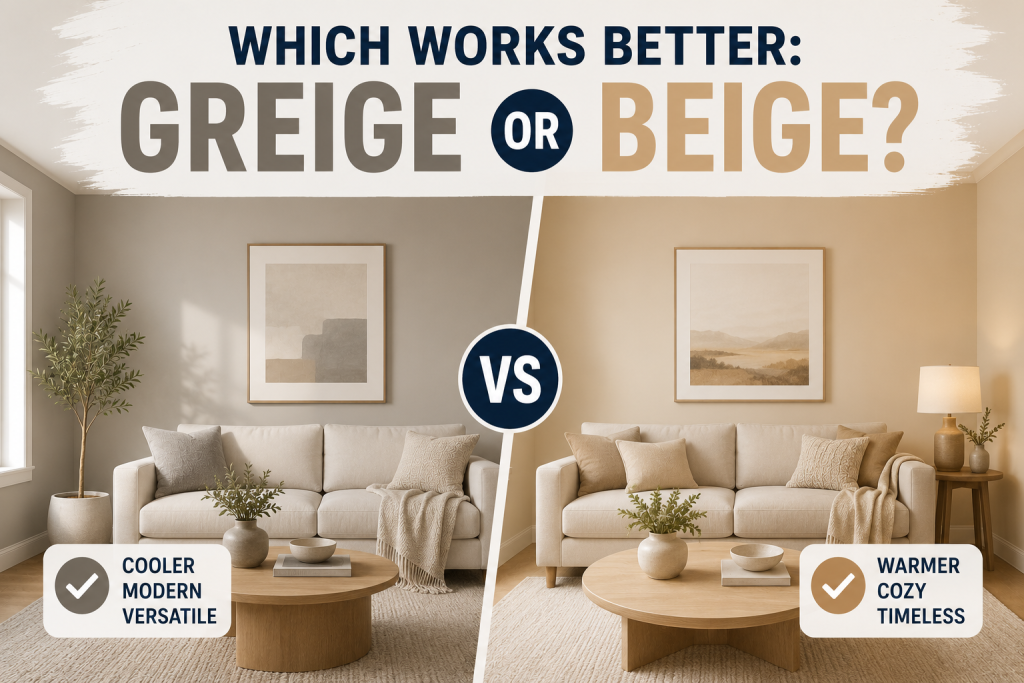
Beige, on the other hand, is better suited for those who prefer warmth and a more traditional aesthetic. Beige fence paint ideas work especially well in cozy living rooms, bedrooms, and homes with natural wood finishes, where a soft and welcoming atmosphere is the priority. If your goal is long-term flexibility and resale appeal, greige often has the edge. If your focus is comfort and classic warmth, beige remains a reliable and timeless choice.
Final Thoughts
Choosing between greige vs beige isn’t about which color is universally better; it’s about which one aligns with your home’s design direction, lighting conditions, and long-term goals. Both remain strong options in today’s modern home color scheme, but they serve slightly different purposes. Beige continues to be a dependable choice for homeowners who want warmth, softness, and a traditional feel. It works especially well in cozy living spaces and homes that prioritize comfort over contrast. These beige fence paint ideas create familiar, inviting environments that never feel overly complex. Greige, however, has become the preferred option for more contemporary interiors. As a best greige paint, it offers a balanced blend of warm and cool tones, making it highly adaptable across different rooms, lighting conditions, and evolving décor styles. This flexibility is why it frequently appears in famous interior paint colors for modern homes. In the end, the decision comes down to lifestyle and design intent: beige for warmth and tradition, greige for versatility and modern balance.
Frequently Asked Questions
What is the difference between greige vs beige?
The main difference in greige vs beige is undertone. Beige is a warm neutral with yellow or cream undertones, while greige is a blend of gray and beige that balances warm and cool tones for a more modern look.
Is greige a warm neutral paint color?
Yes, best greige paint is considered a balanced neutral. It can appear warmer or cooler depending on lighting, but it generally sits between traditional warm tones and cool grays.
Are beige fence paint ideas still popular?
Yes, beige fence paint ideas are still widely used, especially in traditional and cozy interiors where warmth and comfort are the primary design goals.
What is gray beige color paint used for?
Gray beige color paint is commonly used in modern homes, open-concept layouts, and transitional interiors because it provides flexibility and works well with mixed materials.