

Common Hardwood Flooring Problems and How to Fix Them (2026 Guide)
Hardwood flooring problems are common in US homes because wood is a natural material that constantly reacts to its environment. Changes in humidity, temperature shifts, and everyday wear all affect how hardwood expands, contracts, and ages over time. Even high-quality installations from brands like Mohawk Industries or Shaw Industries can develop issues if climate conditions or maintenance routines are not properly managed.
Most problems are not caused by poor-quality flooring but by environmental stress or installation conditions. Homes in humid Southern states, for example, often experience expansion-related issues, while colder regions see contraction during winter months. Understanding whether an issue is cosmetic or structural is the first step in proper repair. This guide breaks down the most common hardwood issues, their root causes, and practical solutions tailored to real US home conditions.
Scratched Hardwood Floors – Causes and Fixes
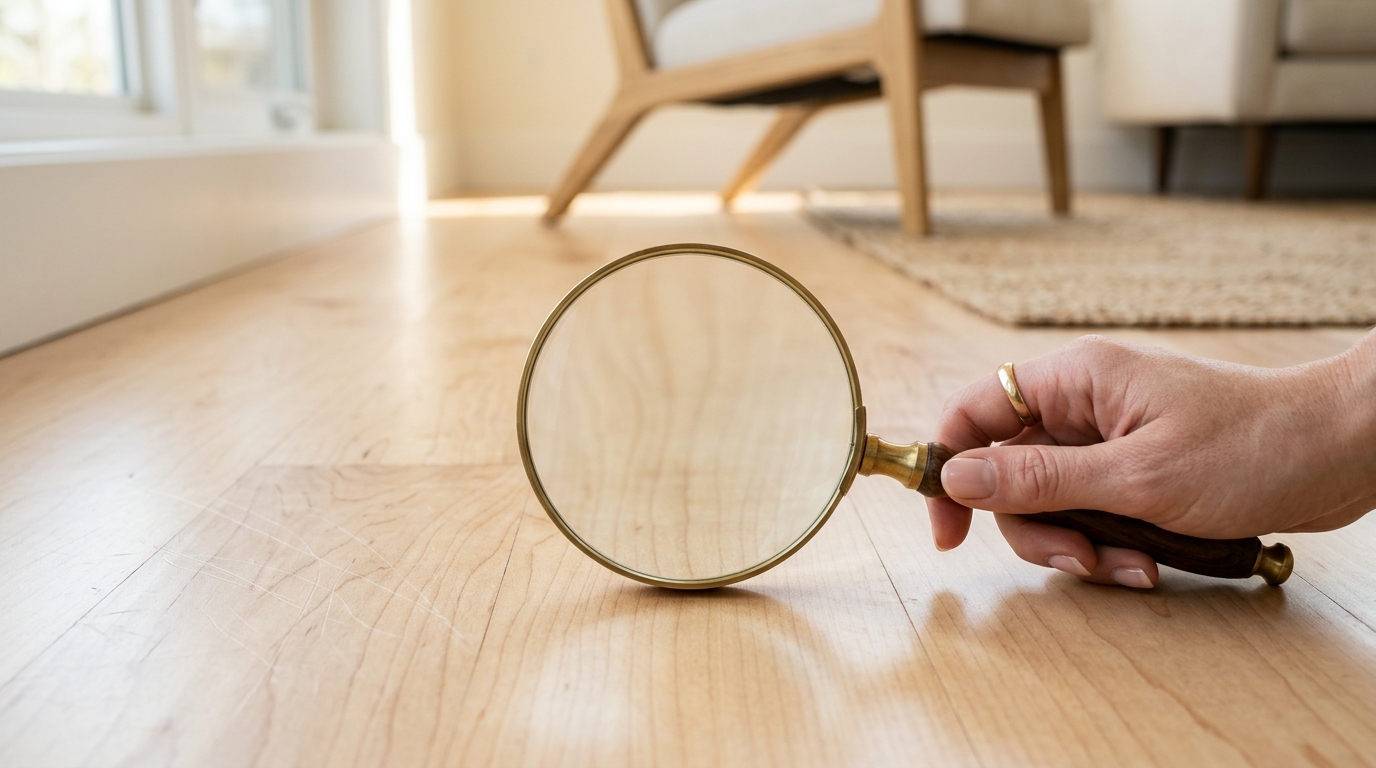
Scratched hardwood floors are one of the most common hardwood flooring problems in US homes, especially in households with pets, kids, or high foot traffic. Scratches usually occur from furniture movement, dirt and grit under shoes, or everyday activity that wears down the protective finish layer over time. Light surface scratches often affect only the finish, not the wood itself. These can typically be addressed with buffing, re-coating, or using manufacturer-approved repair kits.
Deeper scratches that penetrate the wood may require sanding and localized hardwood floor repair, especially in visible areas like living rooms or hallways. Preventing scratches is just as important as fixing them. Using felt pads under furniture, area rugs in high-traffic zones, and regular cleaning to remove abrasive debris can significantly reduce long-term wear. In many US homes, especially suburban households, proactive wood floor maintenance is the key to preserving appearance and value.
Warped Wood Flooring – Moisture and Climate Issues
Warped wood flooring is typically caused by moisture imbalance, making it one of the more serious hardwood flooring problems found in US homes. Wood naturally expands when exposed to high humidity and contracts when conditions become too dry. When this movement becomes uneven, planks can cup, crown, or buckle.
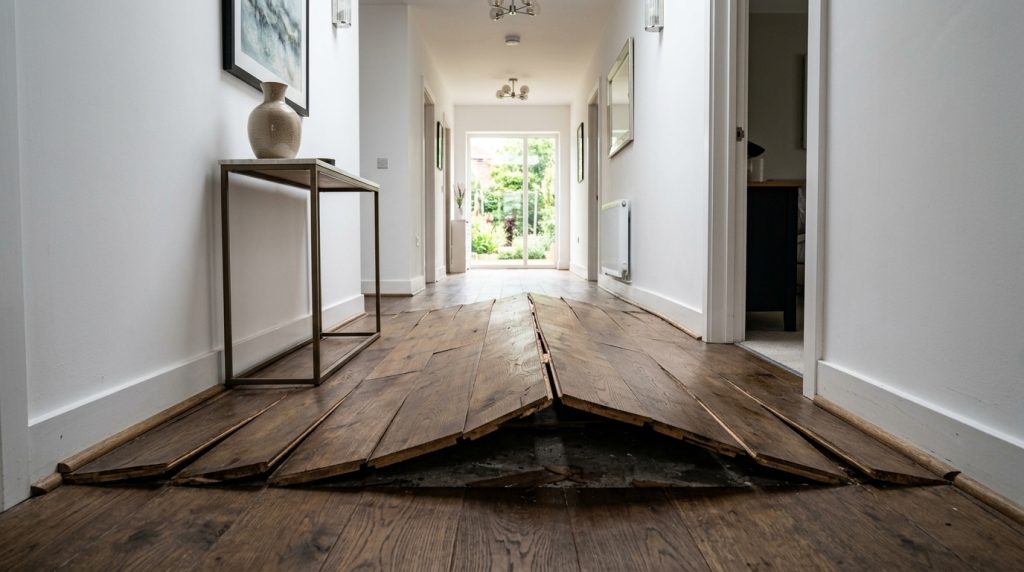
In humid regions such as the Southeast and Gulf Coast, excess moisture in the air or minor water leaks can lead to long-term deformation if not addressed quickly. In colder climates, improper indoor humidity control during winter can also contribute to stress on flooring systems, especially in older homes with inconsistent HVAC performance. Minor warping may stabilize once moisture levels are corrected, but severe cases often require professional hardwood floor repair or partial plank replacement. Preventing this issue depends heavily on maintaining stable indoor humidity levels and addressing leaks or spills immediately to protect long-term floor integrity.
Hardwood Floor Gaps – Seasonal Expansion Problems
hardwood floor gaps are a common seasonal hardwood flooring problem in many US homes, especially in regions with distinct winter and summer temperature swings. These gaps typically form when wood contracts during colder, drier months as indoor humidity drops, causing planks to slightly separate. In most cases, this is a natural behavior of wood and not necessarily a sign of installation failure. Homes in the Midwest and Northeast often see more noticeable seasonal movement due to heating systems reducing indoor moisture levels during winter.
Small gaps may close again when humidity rises in spring and summer. However, larger or persistent gaps can indicate improper installation spacing or long-term moisture imbalance. In such cases, targeted hardwood floor repair or humidity correction may be required. Proper wood floor maintenance, including maintaining consistent indoor humidity levels using HVAC systems or humidifiers, is key to minimizing seasonal gap formation and preserving floor stability.
Squeaky Hardwood Floors – Structural Causes
squeaky hardwood floors are one of the most frustrating hardwood flooring problems, and they are usually caused by movement between the flooring boards and the subfloor beneath them. In many US homes, this happens when nails loosen over time, or when wood rubs against underlying joists due to slight structural shifting. Homes with older construction in regions like the Northeast and Midwest often experience more frequent squeaking because of seasonal expansion, aging fasteners, or settling foundations. Even newer homes can develop noise issues if the subfloor was not properly secured during installation.
Minor squeaks can sometimes be fixed using specialized screws or adhesive injections from above the floor surface. More persistent cases may require accessing the subfloor from below for proper hardwood floor repair. While squeaks are usually not structural threats, they are often a sign that long-term wood floor maintenance or reinforcement may be needed.
Hardwood Floor Repair Methods (DIY vs Professional)
When dealing with hardwood flooring problems, choosing the right repair method depends on the severity of the damage. Minor issues such as surface scratches, small gaps, or light squeaks can often be handled with basic DIY solutions. These include wood fillers, repair kits, or tightening loose boards from above the surface.
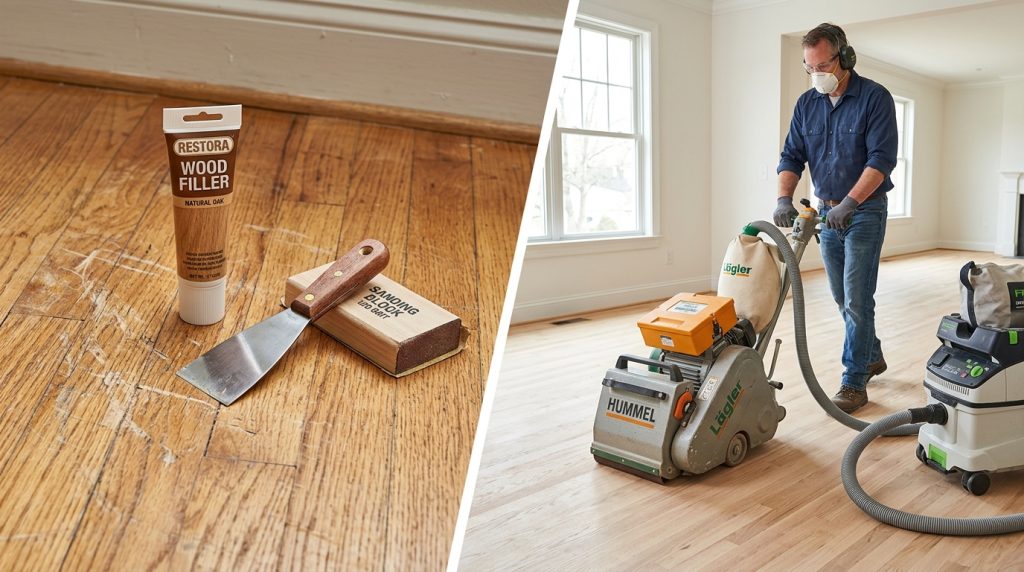
However, more serious issues, such as widespread warping, deep structural damage, or persistent movement, require professional hardwood floor repair. Contractors can assess subfloor conditions, replace damaged planks, and ensure proper leveling, which is critical in US homes with humidity-related expansion or aging foundations Cost is another key factor. DIY repairs are cheaper but limited in effectiveness, while professional services offer longer-lasting results and better preservation of wood floor maintenance standards. In many cases, homeowners in suburban and high-value markets choose professionals to protect long-term flooring performance and avoid recurring issues.
Refinishing Hardwood Flooring – When and Why
Refinishing hardwood flooring is one of the most effective ways to restore worn or aging floors without full replacement. This process involves sanding down the top layer of the wood and applying a new stain and protective finish, effectively resetting the surface appearance and extending its usable life. For many US homeowners, refinishing becomes necessary when floors show widespread scratches, dullness, or uneven wear that cannot be fixed with simple cleaning or spot repairs. In solid hardwood installations, this process can be done multiple times over decades, making it a key advantage in long-term wood floor maintenance.
In regions with high foot traffic or fluctuating humidity, such as suburban homes in the Midwest or older properties in the Northeast, refinishing is often part of routine upkeep every 7–15 years. While it is more involved than DIY repairs, it significantly improves both appearance and hardwood floor repair outcomes while preserving the floor’s structural integrity.
Wood Floor Maintenance Best Practices
Proper wood floor maintenance is the most effective way to reduce long-term hardwood flooring problems and extend the life of your floors. In most US homes, maintenance starts with consistent cleaning routines, regular sweeping or vacuuming to remove dirt and grit that can cause surface scratches over time. Moisture control is equally important. Hardwood floors perform best when indoor humidity stays relatively stable throughout the year. In humid Southern states, this may require air conditioning or dehumidifiers, while in colder Northern regions, humidifiers help prevent excessive dryness during winter months.
Protective habits also make a major difference. Using furniture pads, avoiding harsh chemical cleaners, and placing rugs in high-traffic areas all help preserve the finish. Even premium installations from brands like Bruce Flooring benefit from these preventive steps. When combined, these simple practices significantly reduce the need for frequent hardwood floor repair and help maintain long-term durability and appearance.
How to Prevent Hardwood Flooring Problems
Preventing hardwood flooring problems is far more cost-effective than repairing them, especially in US homes where climate conditions can vary significantly throughout the year. Most issues begin with environmental imbalance, so maintaining stable indoor humidity is the first line of defense. This helps reduce expansion, contraction, and long-term stress on the boards. Proper installation also plays a critical role. High-quality underlayment, correct spacing, and professional leveling reduce the risk of future issues like gaps or squeaks. Even premium flooring from manufacturers such as Shaw Industries performs best when installed under controlled conditions.
Daily habits matter as well. Cleaning spills immediately, avoiding excessive water exposure, and using protective pads under furniture can significantly reduce surface damage. In high-traffic US households, combining installation quality with consistent wood floor maintenance is the most reliable way to preserve durability and minimize future hardwood floor repair needs.
Final Verdict
Most hardwood flooring problems are not signs of failure but natural responses to moisture, temperature changes, and daily wear. When understood correctly, issues like scratches, gaps, or minor squeaks can be managed effectively without replacing the entire floor. The key to long-term performance is consistent wood floor maintenance combined with climate control and timely hardwood floor repair when needed. Homeowners who address small issues early typically avoid larger structural problems later. In US homes, hardwood remains one of the most durable and desirable flooring choices, especially when installed and maintained properly. Brands like Mohawk Industries and Bruce Flooring continue to perform well because they offer reliable materials that respond predictably to real-world conditions. Ultimately, hardwood flooring is a long-term investment. With proper care, it can maintain its appearance and structural integrity for decades, making prevention and maintenance far more valuable than reactive repairs.
FAQs About Hardwood Flooring Problems
What are the most common hardwood flooring problems?
The most common hardwood flooring problems include scratches, gaps, squeaks, and warping. These usually result from moisture changes, heavy use, or natural wood movement in US climates.
Why do hardwood floors get scratched so easily?
Scratched hardwood floors are often caused by dirt, pet claws, furniture movement, or grit under shoes. The surface finish is the first layer to wear down, not always the wood itself.
Can warped wood flooring be fixed?
Yes, minor warped wood flooring can sometimes be corrected by controlling humidity. Severe warping, however, may require professional hardwood floor repair or plank replacement.
Why do hardwood floors have gaps in winter?
Hardwood floor gaps usually occur when wood contracts during cold, dry winters. This is common in the Midwest and Northeast due to lower indoor humidity levels.
Are squeaky hardwood floors a structural problem?
Squeaky hardwood floors are usually not structural issues. They are typically caused by loose nails, subfloor movement, or friction between boards and joists.
How often should hardwood floors be refinished?
Most floors need refinishing hardwood flooring every 7–15 years depending on usage. High-traffic homes may require more frequent refinishing.
What is the best way to maintain hardwood floors?
Regular sweeping, humidity control, and preventive care are key parts of wood floor maintenance. Using rugs and furniture pads also helps extend floor life.