


Understanding the Importance of Roofing for Homeowners
For most homeowners, the roof is easy to overlook until a problem appears. However, understanding the importance of roofing is essential because the roof serves as the first line of defense against rain, wind, snow, heat, and other environmental conditions. A well-designed roofing system does far more than cover a house, it protects the structure, improves energy performance, and helps preserve long-term property value. Across the United States, roofing needs can vary significantly. Homes in Florida often require materials that can withstand hurricanes, while properties in Colorado may face heavy snow loads and freeze-thaw cycles.
Regardless of location, the importance of roofing remains the same: protecting the home from damage while supporting comfort and efficiency year-round. Modern roofing systems are designed to deliver several roof protection benefits, including moisture control, insulation support, and resistance to severe weather. Whether a homeowner is building a new property or planning a replacement project, investing in a quality roof is one of the most important decisions they can make for their home’s future.
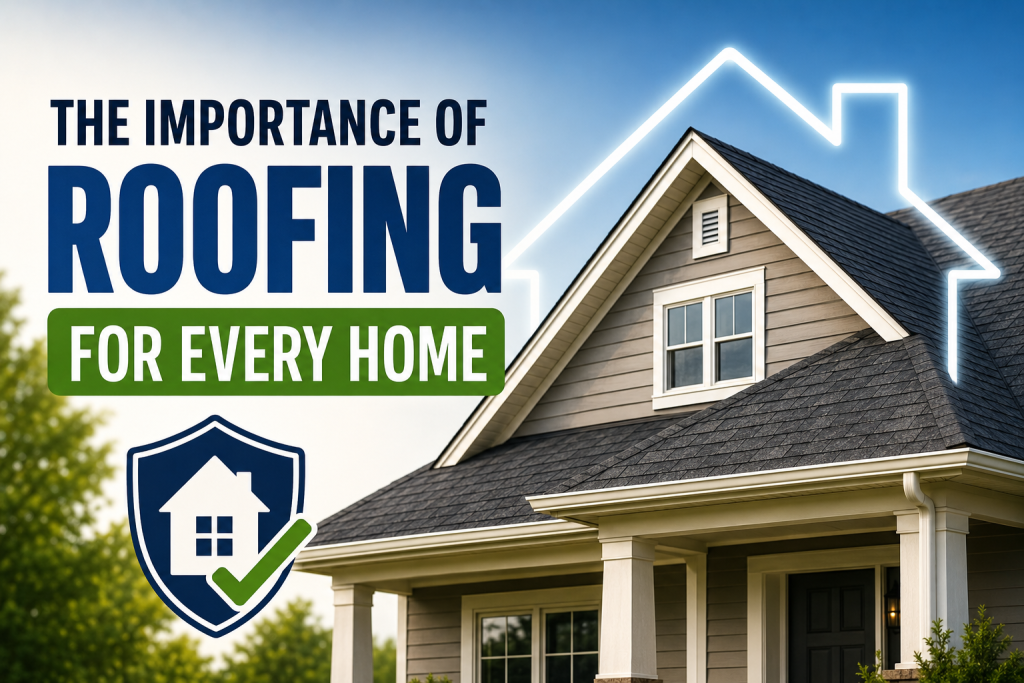
Understanding the Importance of Roofing for Every Home
A roof does much more than complete the appearance of a house. One of the biggest reasons homeowners should recognize the importance of roofing is its role in protecting the entire structure from external threats. Without a reliable roofing system, even minor weather exposure can lead to costly repairs over time.
How Roofing Supports Long-Term Structural Stability
The roof works together with walls, foundations, and framing components to maintain the integrity of a home. Water intrusion, excessive moisture, and prolonged exposure to the elements can weaken structural materials and create expensive maintenance issues. A properly installed roof helps provide essential home structural protection, reducing the risk of rot, mold growth, and deterioration.
The Importance of Roofing in Preventing Water Damage
Another key aspect of the importance of roofing is preventing water from entering vulnerable areas of the home. Roofing materials, underlayment systems, flashing, and ventilation components all work together to direct moisture away from the structure. When these elements function correctly, homeowners can avoid problems such as ceiling stains, attic damage, insulation deterioration, and wood decay. Regular inspections and maintenance help ensure the roof continues to perform effectively throughout its service life.
Importance of Roofing for Property Value and Curb Appeal
Beyond protection and performance, the importance of roofing extends to the overall appearance and marketability of a home. A roof is one of the most visible exterior features, making it a major factor in first impressions. Whether a homeowner plans to sell soon or stay for many years, investing in a quality roof can contribute to stronger resale potential and greater buyer confidence.
How Roofing Influences Homebuyers
When prospective buyers evaluate a property, they often pay close attention to the condition of the roof. An aging or damaged roof can raise concerns about future repair costs and maintenance responsibilities. In contrast, a well-maintained roof enhances curb appeal roofing value and signals that the home has been properly cared for. This can make a property more attractive in competitive real estate markets.
Roof Upgrades and Long-Term Return on Investment
Roof replacement projects are frequently viewed as valuable improvements because they can improve both appearance and functionality. Strategic home value roofing upgrades may also support higher appraisal estimates and strengthen negotiating power during a home sale. In many cases, buyers are willing to pay more for a property with a newer roof because it reduces the likelihood of immediate post-purchase expenses.
Importance of Roofing for Property Value and Curb Appeal
Beyond protection and performance, the importance of roofing extends to the overall appearance and marketability of a home. A roof is one of the most visible exterior features, making it a major factor in first impressions. Whether a homeowner plans to sell soon or stay for many years, investing in a quality roof can contribute to stronger resale potential and greater buyer confidence.
How Roofing Influences Homebuyers
When prospective buyers evaluate a property, they often pay close attention to the condition of the roof. An aging or damaged roof can raise concerns about future repair costs and maintenance responsibilities. In contrast, a well-maintained roof, particularly one designed with energy-efficient roofing features, signals that the home has been properly cared for and may offer lower utility costs. This can make a property more attractive in competitive real estate markets and increase buyer confidence during the purchasing process.
Roof Upgrades and Long-Term Return on Investment
Roof replacement projects are frequently viewed as valuable improvements because they can improve both appearance and functionality. Strategic home value roofing upgrades may also support higher appraisal estimates and strengthen negotiating power during a home sale. In many cases, buyers are willing to pay more for a property with a newer roof because it reduces the likelihood of immediate post-purchase expenses.
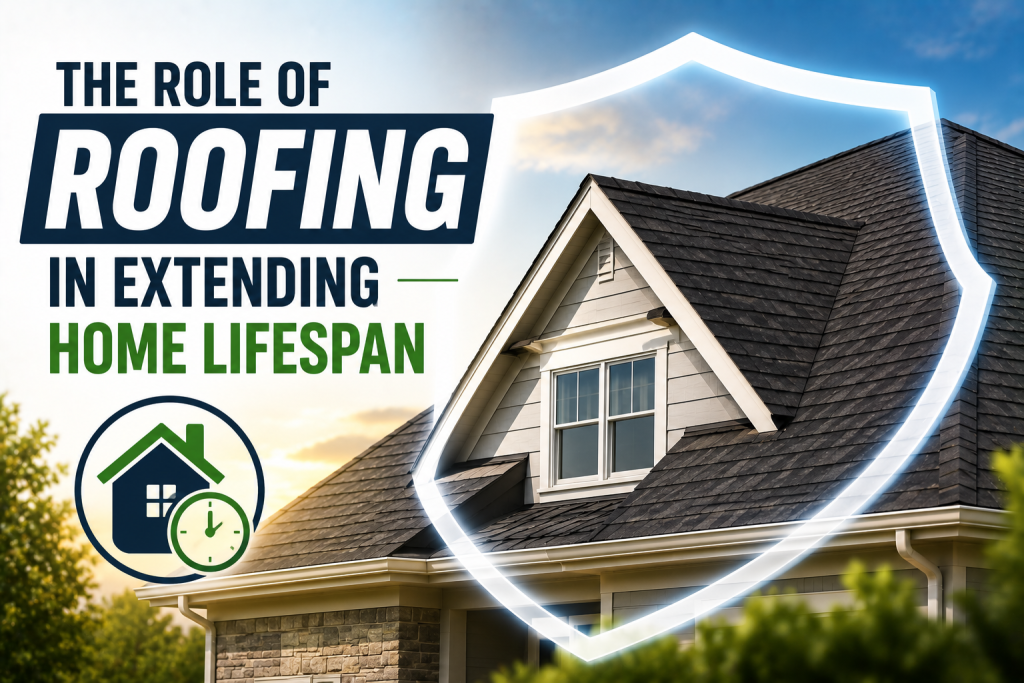
The Role of Roofing in Extending Home Lifespan
A durable roof plays a significant role in protecting a home’s long-term condition. While homeowners often focus on visible features such as siding, windows, or landscaping, the roof remains one of the most important systems for preserving the property’s overall health. Consistent maintenance and timely repairs help prevent small issues from becoming major structural concerns.
Maintenance Habits That Protect Roofing Longevity
Routine inspections can identify damaged shingles, deteriorated flashing, clogged gutters, and ventilation problems before they lead to expensive repairs. These preventive measures help maximize the roofing lifespan and allow the roofing system to perform efficiently for many years. Manufacturers such as GAF, Owens Corning, and CertainTeed recommend regular inspections, particularly after severe storms or seasonal weather changes.
When Homeowners Should Consider Replacement
Even the highest-quality roofing materials eventually reach the end of their service life. Signs such as recurring leaks, widespread shingle damage, sagging roof sections, or excessive granule loss may indicate that replacement is necessary. By addressing aging roofing systems before serious problems develop, homeowners can protect their investment, improve safety, and avoid more costly repairs throughout the home.
Conclusion
Understanding the importance of roofing is essential for every homeowner. A quality roof protects against harsh weather, helps preserve structural stability, supports energy efficiency, and contributes to long-term property value. Whether facing hurricanes along the Gulf Coast, intense summer heat in the Southwest, or heavy snowfall in northern states, homeowners rely on their roofing system to safeguard one of their most valuable investments.
The importance of roofing also extends beyond protection. A well-maintained roof can improve a home’s appearance, increase buyer confidence, and reduce the likelihood of costly repairs. By investing in proper maintenance, timely inspections, and high-quality materials, homeowners can maximize roof performance and enjoy greater peace of mind for years to come. Ultimately, a roof is not just another part of a house; it is a critical system that supports comfort, safety, durability, and long-term homeownership success.
Frequently Asked Questions
Why is roofing important for a home?
The importance of roofing goes beyond covering a house. A properly installed roof protects against weather damage, supports structural integrity, improves energy efficiency, and helps maintain property value. It is one of the most critical components of any residential structure.
How does a roof protect a home’s structure?
A roof prevents water, wind, snow, and debris from damaging interior and structural components. By keeping moisture out, it helps reduce the risk of mold growth, wood rot, insulation damage, and foundation-related issues.
Can a new roof increase home value?
Yes. A well-maintained or newly installed roof can improve buyer confidence, enhance curb appeal, and make a property more attractive in the real estate market. Many homeowners view roof replacement as an investment that contributes to long-term resale value.
How does the importance of roofing relate to roof lifespan?
One reason homeowners should understand the importance of roofing is that roof lifespan depends on factors such as material type, climate conditions, installation quality, and ongoing maintenance. Asphalt shingle roofs often last 20 to 30 years, while metal, slate, and other premium roofing systems can last significantly longer when properly maintained. A durable, well-maintained roof helps protect the home and reduces the need for costly repairs over time.
Does roofing affect energy efficiency?
Yes. Modern roofing systems can help regulate indoor temperatures by improving insulation performance and reducing heat transfer. Proper ventilation and reflective roofing materials may also help lower heating and cooling costs throughout the year.
How often should a roof be inspected?
Most roofing professionals recommend a professional inspection at least once every year and after major storms. Regular inspections can identify minor issues early and help prevent expensive repairs in the future.