

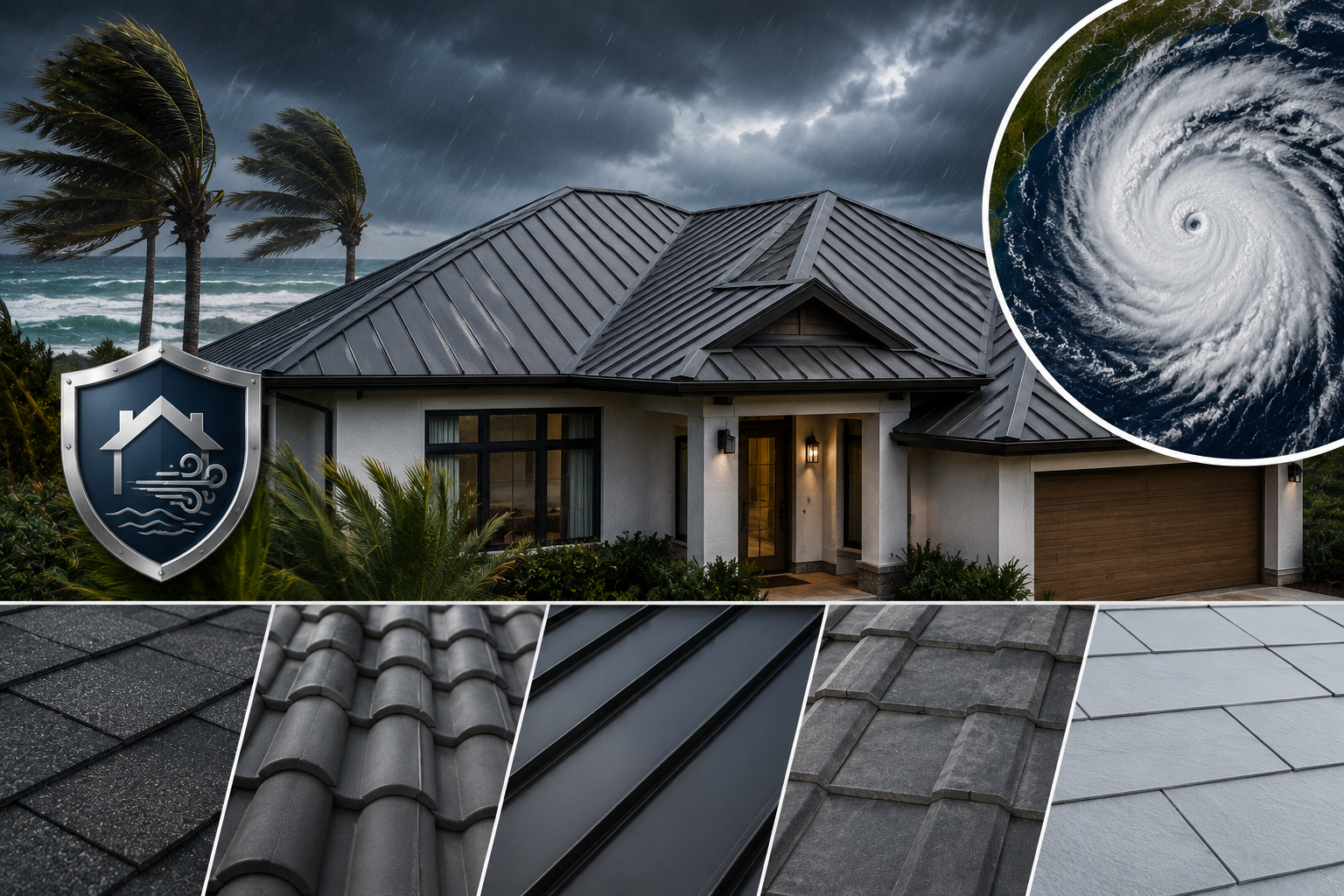
Best Roofing for Hurricanes: Top Storm-Resistant Options for Homeowners
For homeowners living in hurricane-prone regions, choosing the right roofing material can make the difference between minor repairs and catastrophic property damage. States such as Florida, Texas, Louisiana, North Carolina, and South Carolina experience some of the most powerful storms in the United States, exposing homes to extreme winds, flying debris, heavy rainfall, and storm surge conditions. The best roofing for hurricanes is designed to withstand high wind speeds, resist impact from airborne debris, and maintain structural integrity during severe weather events. Modern roofing systems are engineered with advanced fastening methods, reinforced underlayment, and durable materials that help protect homes from costly storm-related damage.
Beyond storm protection, homeowners should also consider factors such as insurance discounts, energy efficiency, maintenance requirements, and long-term durability. Roofing choices can significantly influence resale value, curb appeal, and overall ownership costs, particularly in coastal and high-wind regions. In this guide, we’ll examine the roofing materials that perform best during hurricanes, compare their strengths and weaknesses, and help you determine which option offers the best protection for your home and budget.
What Makes the Best Roofing for Hurricanes?
Not all roofing materials are built to handle hurricane-force conditions. The best roofing for hurricanes combines multiple protective features that work together to minimize damage during severe storms. While material selection is important, overall system design often determines how well a roof performs when exposed to extreme weather. Homeowners should evaluate roofing products based on wind ratings, impact resistance, fastening systems, underlayment quality, and compliance with local building codes.
Organizations such as the Insurance Institute for Business & Home Safety (IBHS) and FEMA recommend investing in roofing systems that have been tested under high-wind conditions, especially when searching for the best roofing for hurricanes. A hurricane-resistant roof should also provide protection against water intrusion after shingles or roofing panels are exposed to strong winds. Modern roofing assemblies use advanced installation methods that help keep homes protected even when storms produce sustained winds exceeding 100 mph.
Wind Resistance Ratings Explained
Wind ratings measure a roof’s ability to remain attached to a home during strong storms. Most premium roofing products are tested according to industry standards that simulate real-world wind conditions. In coastal areas and hurricane zones, many building codes require roofing systems capable of resisting winds between 130 and 180 mph, which is a critical factor when choosing the best roofing for hurricanes.
Metal roofing systems, architectural shingles, and certain synthetic roofing products often achieve some of the highest wind-resistance ratings available. Proper installation is equally important because even high-quality materials can fail if fastening patterns or installation methods do not meet manufacturer specifications. For homeowners in Florida and along the Gulf Coast, selecting a roof with verified wind performance can reduce storm-related repair costs and improve long-term durability. Investing in the best roofing for hurricanes can also help minimize damage and provide greater peace of mind during severe weather events.
Impact Resistance and Debris Protection
During hurricanes, flying debris frequently causes more damage than wind alone. Tree branches, outdoor furniture, and storm-generated projectiles can strike roofing materials with significant force. This is where impact ratings become critical. Many premium impact-resistant shingles achieve a Class 4 impact rating, the highest level commonly available for residential roofing. These products are designed to withstand severe impacts without cracking or losing their protective capabilities.
Metal roofing and certain synthetic materials also provide excellent resistance to debris-related damage. When combined with reinforced roof decking and high-performance underlayment, these systems create a stronger defense against water intrusion and structural damage. Homeowners seeking maximum storm protection should prioritize both wind resistance and impact performance rather than focusing on a single feature.
Best Roofing for Hurricanes in Coastal and High-Wind Regions
Homes located near the Atlantic Ocean, Gulf Coast, and other hurricane-prone areas face unique roofing challenges. The best roofing for hurricanes must withstand not only extreme wind speeds but also salt air exposure, prolonged moisture, and wind-driven rain. These environmental factors can accelerate material deterioration and shorten the lifespan of standard roofing products.
Homeowners in coastal regions should focus on roofing systems that have proven performance records in high-wind environments. Materials that perform well in inland climates may not provide the same level of protection near the coast. Roofing choices should also align with local building codes, insurance requirements, and long-term maintenance expectations. Investing in durable roofing materials can help reduce repair costs, improve home resilience, and protect property value in areas where hurricanes are a recurring threat.
Why Building Codes Matter
Building codes play a major role in roof performance during hurricanes. States such as Florida have some of the strictest roofing regulations in the country because of their history of severe storm activity. These requirements are designed to improve structural safety and reduce storm-related losses.
Modern codes often specify wind uplift ratings, fastening methods, underlayment requirements, and roof-to-wall connection standards. Homeowners who upgrade to code-compliant roofing systems may also qualify for insurance incentives and improved coverage options. When evaluating roofing for Florida homes, it is important to verify that both the materials and installation methods meet current local requirements. A high-quality roof is only as effective as the system supporting it.
Coastal Climate Challenges
Coastal environments create conditions that can be especially harsh on roofing materials. Salt-laden air accelerates corrosion, while constant humidity increases the risk of moisture-related deterioration. In addition, hurricane winds can force rain beneath roofing materials if the system is not properly sealed.
Many homeowners in coastal areas choose coastal roofing systems that are specifically engineered to resist corrosion and withstand long-term exposure to severe weather conditions. Aluminum and coated steel roofing products are popular choices because they offer excellent durability in marine environments. Selecting materials that can handle both hurricane forces and coastal conditions helps ensure a longer service life and better overall protection for homes located in vulnerable regions.
Metal Roofing vs Asphalt Shingles for Hurricane Protection
When comparing roofing materials for hurricane-prone areas, metal roofing and architectural asphalt shingles are often the top choices for homeowners. Both options can provide excellent protection when properly installed, but their long-term performance, durability, and maintenance requirements differ significantly. The decision typically comes down to budget, expected lifespan, local climate conditions, and the level of storm protection a homeowner wants. While asphalt shingles remain the most common residential roofing material in the United States, metal roofing continues to gain popularity in coastal and high-wind regions because of its exceptional durability. The table below highlights some of the key differences homeowners should consider.
| Feature | Metal Roofing | Architectural Asphalt Shingles |
| Wind Resistance | Up to 180 mph | Typically 110–130 mph |
| Lifespan | 40–70 years | 20–30 years |
| Maintenance | Low | Moderate |
| Impact Resistance | Excellent | Good to Excellent |
| Initial Cost | Higher | Lower |
| Insurance Benefits | Often Available | Varies by Carrier |
One of the biggest advantages of metal roofing for hurricanes is its ability to resist wind uplift. Standing seam panels are secured using concealed fasteners that create a stronger attachment to the roof deck. Many systems are engineered to withstand some of the highest wind speeds found in residential construction. Architectural shingles remain a strong option for homeowners seeking a balance between affordability and performance. Premium products from manufacturers such as GAF, Owens Corning, and CertainTeed can achieve impressive wind ratings when installed according to manufacturer specifications.
From an insurance perspective, both materials may qualify for discounts depending on local regulations and carrier requirements. However, many insurers view properly installed metal roofing systems as a premium upgrade because of their proven storm performance. For homeowners seeking long-term durability, energy efficiency, and superior wind-resistant roofing, metal systems often provide the highest level of protection. Those working within a tighter budget may find that high-quality architectural shingles deliver excellent value while still offering strong hurricane resistance.
Top Roofing Materials for Hurricane-Prone Areas
Not all roofing materials deliver the same level of protection during hurricanes. The best-performing systems combine high wind ratings, impact resistance, durability, and proper installation practices. Homeowners should evaluate roofing options based on their local climate, budget, maintenance expectations, and insurance considerations.
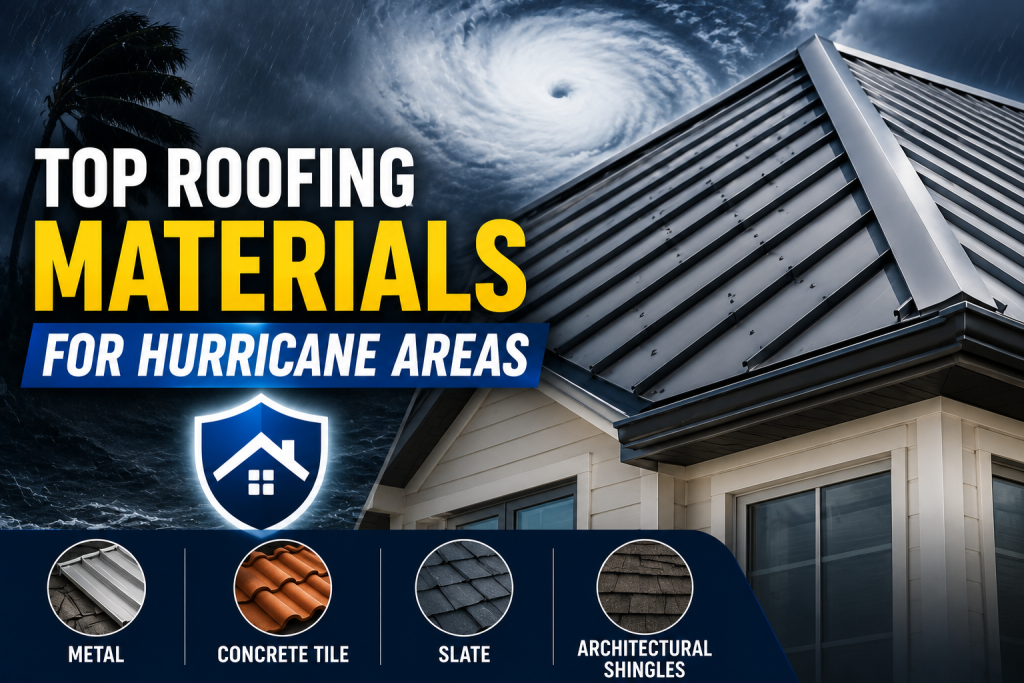
While no roof is completely immune to storm damage, several materials consistently outperform standard roofing products in hurricane-prone regions. These options are commonly used throughout Florida, the Gulf Coast, and other areas exposed to severe tropical weather, making them strong candidates for the best roofing for hurricanes.
Standing Seam Metal Roofing
Standing seam metal roofing is widely considered one of the most reliable forms of hurricane-resistant roofing available today. Its concealed fastening system reduces the risk of wind uplift, while interlocking panels create a durable barrier against wind-driven rain.
Many premium standing seam systems are tested to withstand winds exceeding 140 mph and, in some cases, up to 180 mph. In addition to exceptional storm performance, metal roofing offers a lifespan of 40 to 70 years and requires relatively little maintenance. These benefits make it a popular investment for homeowners seeking long-term protection in coastal and hurricane-prone environments.
Architectural Asphalt Shingles
Architectural asphalt shingles remain one of the most popular residential roofing choices in the United States. Modern premium shingles offer significantly better durability than traditional three-tab products and often include enhanced wind ratings.
Many Class 4-rated shingles provide strong impact resistance against hail and airborne debris, making them suitable for regions that experience frequent storms. They also offer a more affordable upfront cost than metal roofing, making them attractive for homeowners balancing performance and budget. When installed with reinforced underlayment and proper fastening techniques, premium architectural shingles can deliver dependable hurricane protection for decades.
Concrete and Clay Tile Roofing
Concrete and clay tiles are known for their strength, longevity, and distinctive appearance. These materials are frequently used in coastal communities throughout Florida and other warm-weather states. Properly installed tile roofing systems can resist high winds and provide excellent protection against moisture and UV exposure. However, installation quality is critical because improperly secured tiles may become vulnerable during severe storms.
Although tile roofs often carry a higher installation cost, their durability and lifespan can make them a worthwhile investment for homeowners planning to remain in their homes for many years.
Synthetic Roofing Materials
Synthetic roofing products have become increasingly popular as manufacturers continue developing advanced alternatives to traditional materials. Many synthetic products are engineered to replicate the appearance of slate, wood shake, or tile while offering improved impact resistance and lighter weight.
Some of today’s most advanced synthetic systems are classified among the most effective storm-proof roofing materials available for residential applications. They are designed to withstand severe weather conditions while reducing structural stress on the home. For homeowners seeking a balance between appearance, performance, and longevity, synthetic roofing can be an attractive option worth considering.
How Roofing Systems Affect Hurricane Performance
Choosing a high-quality roofing material is only part of the equation. A roof’s ability to survive a hurricane depends on the performance of the entire roofing assembly, including the roof deck, underlayment, ventilation system, flashing, and fastening methods. Even premium roofing materials can fail if the supporting components are not properly designed or installed.
Many homeowners focus exclusively on shingles, metal panels, or tiles, but hurricane resilience requires a complete system approach. Modern building standards increasingly emphasize roof system integration because failures often begin at weak connection points rather than the roofing material itself. Investing in upgraded underlayment, reinforced decking, and professional installation can significantly improve a home’s ability to withstand extreme weather conditions, helping create the best roofing for hurricanes and reducing the risk of costly storm damage.
How the Best Roofing for Hurricanes Relies on Underlayment and Deck Protection
Underlayment serves as a secondary water barrier when roofing materials are damaged during a storm. If wind removes shingles or panels, a high-performance underlayment can help prevent water from entering the home and causing costly interior damage.
Self-adhering waterproof membranes have become especially popular in hurricane-prone regions because they create a tight seal around nails and fasteners. Combined with reinforced roof decking, these systems help maintain structural integrity during severe weather events. Homeowners investing in premium roofing materials should view underlayment as an essential component rather than an optional upgrade. In many cases, this hidden layer provides critical protection after the outer roofing material is compromised.
Roof Shape and Design Considerations for the Best Roofing for Hurricanes
Roof design can influence hurricane performance just as much as material selection. Certain roof shapes naturally handle high winds better than others, reducing pressure points that can lead to structural failure. Hip roofs are generally considered more hurricane-resistant than gable roofs because they feature slopes on all sides, helping distribute wind loads more evenly. This design reduces the likelihood of uplift forces concentrating on a single section of the structure.
Other important considerations include roof pitch, overhang length, and roof-to-wall connections. Strong connections between the roof structure and the home’s walls help transfer wind loads more effectively, reducing the risk of catastrophic damage during major storms. When combined with durable roofing materials and proper installation, thoughtful roof design can dramatically improve overall hurricane resilience and long-term home protection.
Best Roofing for Hurricanes in Florida and Gulf Coast States
Hurricane risk varies across the United States, but homeowners in Florida, Texas, Louisiana, North Carolina, and South Carolina often face the greatest exposure to damaging winds and heavy rainfall. While the best roofing for hurricanes depends on the home’s location and budget, regional climate conditions should always influence the final decision. In Florida, strict building codes have encouraged widespread adoption of high-performance roofing systems designed to withstand severe storms. Different types of roofing materials, including standing seam metal roofs, impact-rated architectural shingles, and reinforced tile systems, are among the most common choices for homeowners seeking long-term hurricane protection.
Along the Texas Gulf Coast and in Louisiana, roofing systems must withstand a combination of hurricane-force winds, intense heat, high humidity, and heavy rainfall. Metal roofing remains a popular option because of its durability and resistance to moisture-related deterioration. Homeowners in North Carolina and South Carolina face unique challenges due to coastal exposure and seasonal hurricane activity. Roofing systems in these states often prioritize wind resistance, water intrusion protection, and long-term durability. Premium asphalt shingles and modern synthetic roofing products are frequently selected because they offer a balance of performance and affordability.
Insurance considerations also play an important role in roofing decisions. Many insurance providers offer discounts for homes that incorporate upgraded roofing assemblies, impact-rated materials, or construction methods that meet enhanced storm-resistance standards. Some homeowners may also benefit from mitigation programs that reward investments in stronger roofing systems. When selecting a roof in any hurricane-prone state, homeowners should consider local building codes, contractor experience, manufacturer warranties, and long-term maintenance requirements. A roofing system that performs exceptionally well in one region may not necessarily be the best choice in another. Understanding local climate risks is essential for maximizing both protection and return on investment when choosing the best roofing for hurricanes.
Cost of Hurricane-Resistant Roofing
The cost of a hurricane-resistant roof varies significantly depending on the material, installation complexity, home size, and regional labor rates. While premium roofing systems often require a larger upfront investment, they may reduce long-term maintenance expenses and lower the likelihood of costly storm-related repairs.
Homeowners should evaluate roofing costs based on lifetime value rather than initial price alone. A roof that lasts twice as long and provides better storm protection may deliver greater savings over time, especially in hurricane-prone regions.
| Roofing Material | Average Installed Cost* | Expected Lifespan |
| Architectural Asphalt Shingles | $5–$10 per sq. ft. | 20–30 years |
| Standing Seam Metal Roofing | $10–$20 per sq. ft. | 40–70 years |
| Concrete Tile Roofing | $12–$25 per sq. ft. | 50+ years |
| Clay Tile Roofing | $15–$30 per sq. ft. | 50+ years |
| Synthetic Roofing | $8–$18 per sq. ft. | 30–50 years |
*Costs vary by location, roof complexity, contractor rates, and material selection.
Although asphalt shingles typically offer the lowest installation cost, homeowners should consider maintenance requirements and replacement frequency. Metal and tile roofing systems often have higher upfront costs but can provide decades of reliable service with fewer repairs. Insurance savings can also influence overall value. Some insurers offer discounts for roofs that meet enhanced wind-resistance or impact-resistance standards. Over time, these savings may offset a portion of the initial installation expense.
Another important factor is resale value. Buyers in coastal and hurricane-prone areas often view durable roofing systems as a significant advantage. A well-designed roof can improve curb appeal, increase buyer confidence, and strengthen a home’s marketability. For homeowners planning to remain in their property for many years, investing in a premium roofing system can provide both financial and practical benefits. Evaluating total ownership costs rather than focusing solely on installation price often leads to a more informed roofing decision.
How to Choose the Right Hurricane Roof for Your Home
Selecting the right roof involves more than choosing the strongest material available. Homeowners should evaluate their local climate, budget, long-term ownership plans, insurance requirements, and maintenance expectations before making a final decision. For homes located in high-risk coastal areas, metal roofing and premium synthetic products often provide some of the best roofing for hurricanes options available today. Homeowners seeking a balance between affordability and performance may find that architectural asphalt shingles offer excellent value when paired with upgraded underlayment and professional installation. Budget considerations are important, but they should not be the only factor. A lower-cost roof may require more frequent repairs or earlier replacement, increasing total ownership costs over time. In contrast, premium roofing systems often deliver better durability, improved energy efficiency, and stronger resale appeal.
Homeowners should also review local HOA guidelines, building code requirements, and manufacturer warranty terms before selecting a roofing system. Working with an experienced contractor who understands regional weather conditions can help ensure the roof is installed according to best practices. Ultimately, the ideal roofing solution is one that balances protection, longevity, appearance, and cost. When evaluating the best roofing for hurricanes, homeowners should focus on overall system performance rather than material selection alone to make a more confident investment in their property’s long-term safety and value.
Conclusion
Hurricanes place extraordinary demands on residential roofing systems, making material selection one of the most important decisions a homeowner can make. From standing seam metal roofing and premium architectural shingles to concrete tile and advanced synthetic products, today’s roofing market offers several high-performance options capable of withstanding severe weather conditions. The best roofing for hurricanes is ultimately the system that combines strong wind resistance, impact protection, quality installation, and long-term durability.
Homeowners should evaluate local climate risks, building code requirements, insurance considerations, and lifetime ownership costs before making an investment. By choosing a well-designed roofing system and working with experienced roofing professionals, homeowners can improve storm resilience, protect their property, and gain greater peace of mind during hurricane season.
Frequently Asked Questions
What roofing material withstands hurricanes best?
Standing seam metal roofing is often considered one of the best roofing for hurricanes options because of its exceptional wind resistance, long lifespan, and ability to withstand severe weather conditions. However, premium architectural shingles, concrete tiles, and advanced synthetic roofing products can also provide excellent protection when properly installed.
Is metal roofing better than shingles in hurricanes?
In many cases, metal roofing offers greater wind resistance and longevity than asphalt shingles. Metal systems can withstand higher wind speeds and generally require less maintenance over their lifespan. However, premium architectural shingles remain a cost-effective solution that performs well in many hurricane-prone regions.
What roof shape is best for hurricane zones?
Hip roofs are generally regarded as the most hurricane-resistant residential roof design. Their sloped sides help distribute wind forces more evenly, reducing uplift pressure and improving overall structural stability during severe storms.
Do hurricane-resistant roofs lower insurance costs?
Many insurance companies offer discounts for roofing systems that meet enhanced wind and impact resistance standards. Eligibility varies by insurer, location, and roofing system specifications, so homeowners should consult their insurance provider for details.
How long does a hurricane-resistant roof last?
The lifespan depends on the material selected. Architectural asphalt shingles typically last 20 to 30 years, while metal roofing can last 40 to 70 years or more. Concrete tile, clay tile, and some synthetic roofing systems may provide service lives exceeding 50 years when properly maintained.