
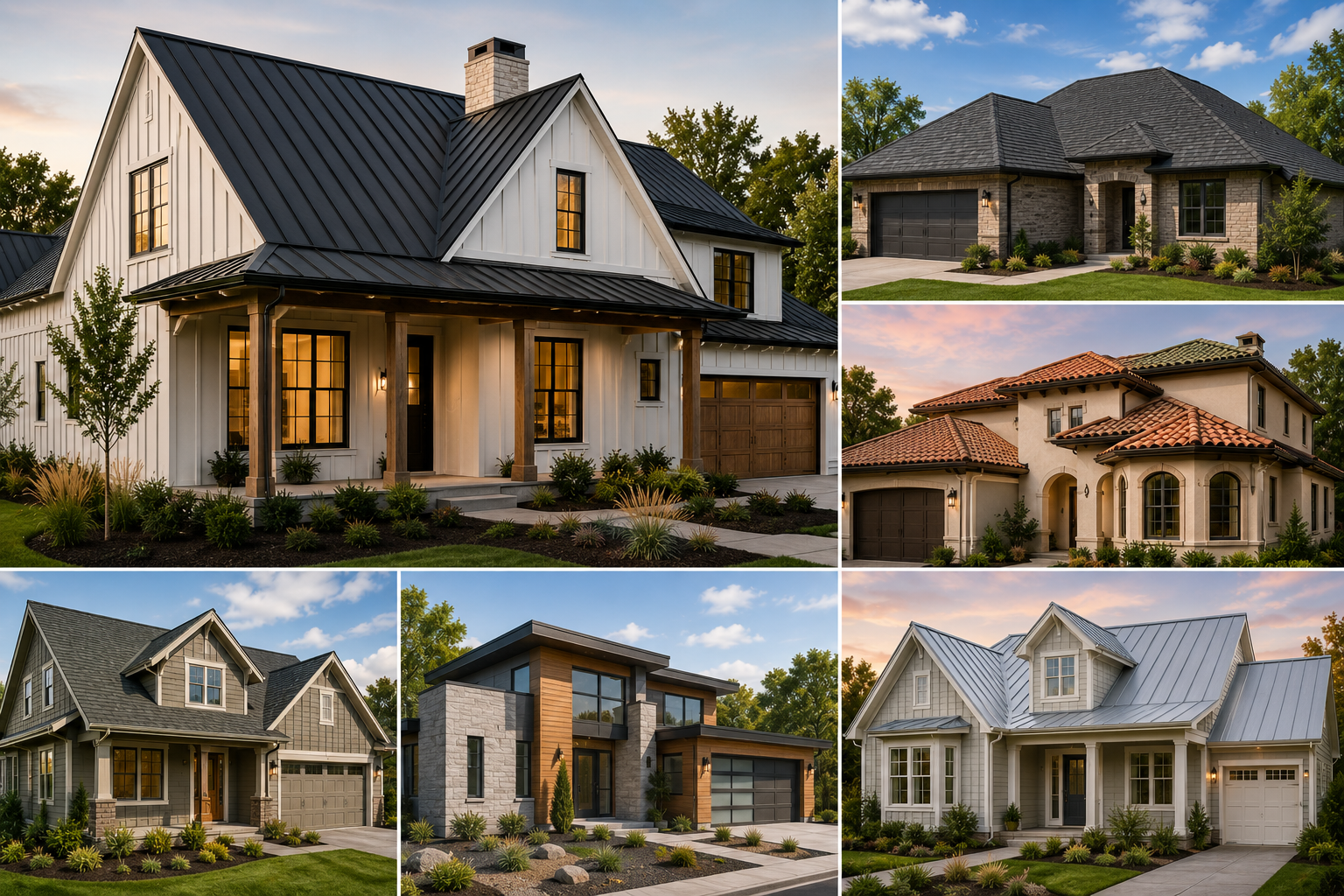
Most Popular Roofing Styles for Modern American Homes
Roofing styles refer to the structural shape, pitch, and overall architectural design of a home’s roof. In residential construction, these choices go far beyond appearance, they directly influence durability, energy efficiency, drainage performance, and long-term maintenance costs. In the United States, different regions favor different designs based on weather conditions, building codes, and architectural trends, making roofing styles a critical decision for homeowners planning a remodel or new build.
A well-chosen roof design can improve curb appeal and even increase resale value, especially in competitive housing markets like Dallas, Denver, and Atlanta. It also affects how a home handles snow load, wind resistance, and heat retention, which is why contractors often align roofing decisions with International Residential Code (IRC) guidelines and ENERGY STAR efficiency recommendations. Ultimately, understanding roofing styles helps homeowners make informed, cost-effective decisions that balance aesthetics with performance and long-term protection.
Most Popular Roofing Styles in the United States
Across American neighborhoods, roofing choices are shaped by climate, architecture, and long-term durability needs. The most widely used roofing styles combine practical performance with familiar residential aesthetics, especially in suburban developments across states like Texas, Florida, California, and Illinois. While architectural trends have evolved toward cleaner and more modern silhouettes, traditional designs still dominate due to cost efficiency and proven structural reliability.
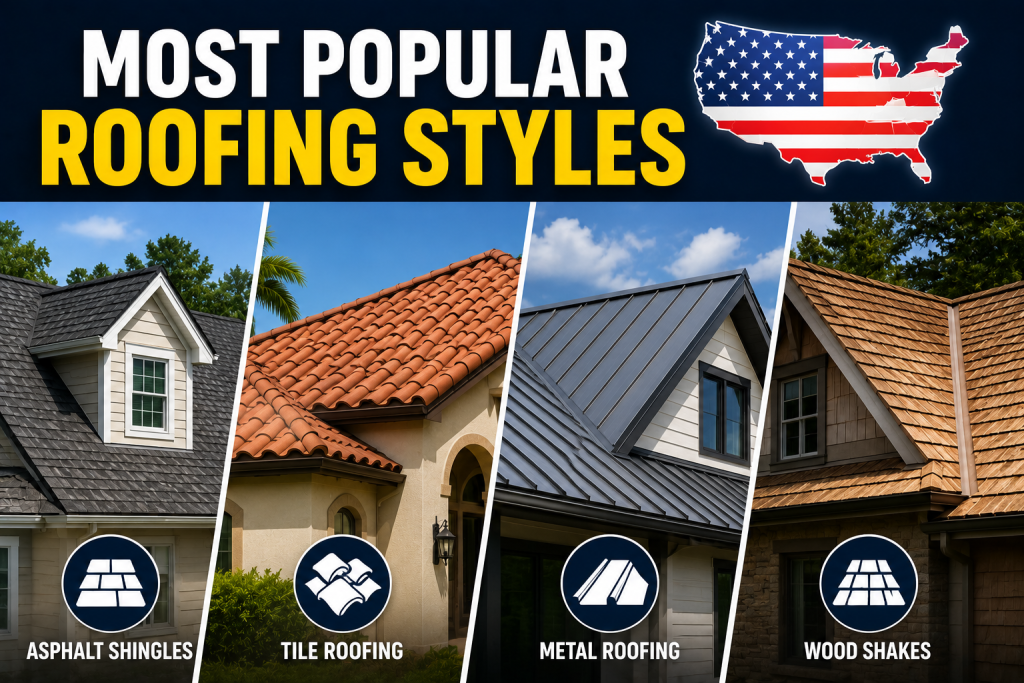
Among the most popular roof types, homeowners typically choose designs that balance installation cost, maintenance requirements, and weather resistance. Asphalt shingle systems remain the most common surface material, but the underlying structure, whether steep, flat, or multi-angled, determines how well the roof performs in snow, wind, and heavy rain conditions. For example, storm-prone regions like Florida often favor reinforced designs, while northern states prioritize steep slopes for snow shedding.
In today’s housing market, modern roofing styles are also gaining traction, especially in custom homes and remodels. These designs emphasize minimalist lines, energy efficiency, and compatibility with solar panels, reflecting a shift toward sustainable residential construction across the United States.
Gable Roof Designs (America’s Most Common Choice)
Gable roofs are the most recognizable and widely used residential roof form in the United States. Characterized by two sloping sides that meet at a central ridge, this design creates a triangular shape that is both simple and highly functional. Because of its straightforward construction, the gable roof remains one of the most cost-effective options for homeowners building or replacing a roof.
One of the main advantages of gable roof styles is excellent water and snow drainage. In colder regions like Minnesota, New York, and Colorado, this steep slope helps prevent snow buildup and reduces structural stress during winter months. The design also allows for better attic ventilation, which helps regulate indoor temperatures and improve energy efficiency.
However, gable roofs are not ideal in all environments. In hurricane-prone states such as Florida or coastal Texas, strong winds can create uplift pressure on the large triangular face if not properly reinforced. For this reason, additional bracing or hybrid framing is often recommended under International Residential Code (IRC) guidelines. Despite these limitations, gable roofs remain a dominant choice in residential roof designs because of their affordability, versatility, and compatibility with most American home styles, from ranch homes to suburban two-story builds.
Hip Roof Design for Storm-Prone Regions
Hip roof designs are widely recognized for their strength, stability, and balanced structure. Unlike gable roofs, a hip roof slopes on all four sides, which meet at a central ridge or a single peak. This self-bracing geometry makes it one of the most wind-resistant options in American residential construction.
In hurricane-prone regions such as Florida, coastal Texas, and parts of the Carolinas, hip roofs are often preferred because they perform better under extreme wind uplift conditions. The sloped surfaces reduce pressure points, allowing wind to move more smoothly across the structure. This is why many builders in coastal zones recommend hip designs when aiming for improved storm resilience under FEMA and local building code guidelines.
From a design perspective, hip roofs also offer a more uniform and polished look compared to steep gable structures. They work especially well with colonial, Mediterranean, and suburban modern homes. However, this design typically requires more materials and labor, making it more expensive to build and repair. Despite the higher cost, homeowners often choose hip roofs for their long-term durability and lower insurance risk in high-wind areas. This makes them a practical investment in regions where weather performance is a top priority.
Flat and Low-Slope Modern Roofing Styles
Flat and low-slope roofs have become a defining feature of contemporary American architecture, especially in urban homes, luxury builds, and energy-conscious renovations. While not completely flat in structure, these roofs have a very slight pitch designed to allow controlled water drainage while maintaining a clean, horizontal aesthetic. They are commonly seen in cities like Los Angeles, Phoenix, and parts of modern suburban developments across the Southwest.
These modern roofing styles are especially popular in minimalist and mid-century inspired homes because they support sleek exterior lines and open up usable rooftop space. Many homeowners use flat roofs for rooftop patios, solar panel installations, or HVAC systems, making them highly functional beyond their visual appeal.
However, performance depends heavily on proper engineering. In regions with heavy rainfall or snow, drainage systems must be carefully designed to prevent water pooling, which can lead to leaks or structural damage. For this reason, flat roofs are more commonly recommended in dry or moderate climates such as Arizona, Nevada, and Southern California. When built with high-quality materials and proper waterproofing membranes, flat and low-slope roofs offer a durable and modern solution that aligns with evolving residential roof designs focused on efficiency, usability, and contemporary style.
Residential Roof Designs by Climate and Region
In the United States, roofing decisions are rarely universal because climate conditions vary dramatically from state to state. A roof that performs well in snowy Michigan may not be suitable for hurricane-prone Florida or the hot, dry climate of Arizona. This is why residential roof designs are often selected based on regional performance needs rather than aesthetics alone.
In northern states such as Minnesota, Wisconsin, and New York, steep-sloped roofs are preferred because they allow snow to slide off easily, reducing structural load during winter. In contrast, southern coastal regions prioritize wind resistance and moisture control, often favoring hip or reinforced designs.
Meanwhile, western states with hotter climates tend to adopt flatter or low-slope systems that support energy efficiency and modern architectural styles. Across all regions, compliance with International Residential Code (IRC) standards ensures that roofs are built to withstand local environmental challenges while maintaining long-term durability.
Cold Northern States (Minnesota, New York, Michigan)
In colder northern regions of the United States, roofing design is heavily influenced by snow load, freeze-thaw cycles, and ice dam prevention. States like Minnesota, New York, Michigan, and parts of New England experience long winters with heavy snowfall, making roof geometry a critical structural decision rather than just an aesthetic one.
Steep-sloped designs are the most common choice in these areas because they allow snow to slide off naturally instead of accumulating on the roof surface. This reduces excessive weight stress on the structure and helps prevent long-term damage. Among popular roof types, asphalt shingle systems installed over steep gable frameworks dominate residential construction due to their affordability and reliable performance in cold weather conditions.
Proper attic insulation and ventilation are also essential in these climates. Without adequate airflow, warm air escaping from the home can melt snow on the roof, which later refreezes at the edges and forms ice dams. These ice dams can lead to water intrusion and interior damage if not properly managed under ENERGY STAR efficiency recommendations. Overall, northern residential roofing prioritizes durability, snow management, and energy retention over complex architectural styling.
Hot and Dry Regions (Texas, Arizona, Nevada)
In hot and dry states such as Texas, Arizona, and Nevada, roofing decisions focus primarily on heat reflection, energy efficiency, and long-term UV resistance. Unlike northern climates, these regions rarely deal with snow load, so homeowners and builders have more flexibility in choosing roof architecture styles that prioritize cooling performance and modern design.
Low-slope and modern roofing styles are increasingly popular in these areas, particularly in contemporary homes and desert-inspired architecture. These designs often incorporate reflective materials and lighter-colored surfaces to reduce heat absorption, helping lower indoor cooling costs during extreme summer temperatures that can exceed 100°F.
Flat and low-profile roofs also support the installation of solar panels, which are especially effective in sunny climates like Phoenix and Las Vegas. However, proper drainage and waterproofing remain essential, as sudden heavy rainstorms can still occur in desert regions. Overall, roofing in hot climates is driven by energy performance and material efficiency, making heat resistance and solar compatibility key decision factors for homeowners.
Materials That Define Modern Roofing Styles
The structure of a roof is only part of the equation, material selection plays an equally important role in performance, longevity, and overall curb appeal. In the United States, homeowners typically choose from a handful of proven materials that balance cost, durability, and climate suitability. These materials directly influence how different roofing styles perform across regions, from snowy northern states to hurricane-prone coastal areas.
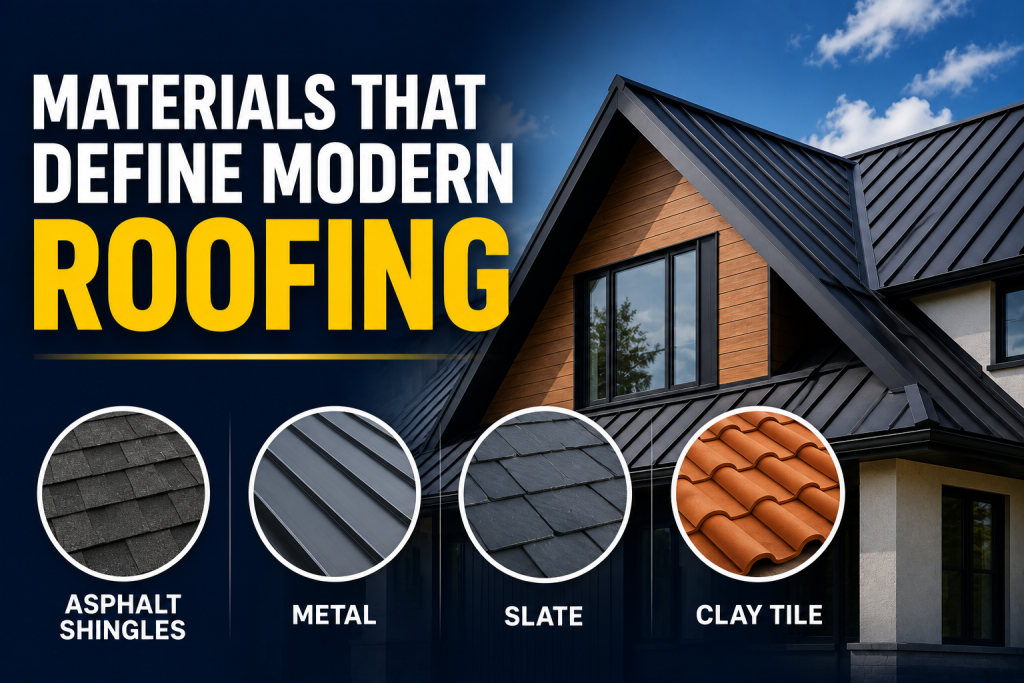
Asphalt shingles remain the most widely used roofing surface due to their affordability and versatility. They are compatible with nearly all residential roof designs, especially gable and hip structures, and are widely available through major manufacturers like GAF and Owens Corning. Architectural shingles, in particular, offer enhanced durability and a more dimensional look, making them popular in mid-range and higher-end suburban homes.
Metal roofing is another fast-growing option, especially in modern and energy-efficient housing projects. It performs well in states like Texas and Arizona due to its heat reflectivity and long lifespan. Meanwhile, premium products from brands like CertainTeed provide advanced weather resistance, making them suitable for regions with heavy storms or variable climates. Ultimately, material choice determines not only roof lifespan but also energy performance and maintenance expectations.
Choosing the Right Roofing Style for Your Home
Selecting the right roofing system involves more than picking a visually appealing design. Homeowners must consider climate conditions, structural requirements, budget, and long-term maintenance costs. The best roofing styles are those that align with both the architectural design of the home and the environmental demands of the region.
For example, suburban homes in states like Ohio or Pennsylvania often favor traditional gable structures because they are cost-effective and well-suited for snow management. In contrast, coastal areas such as Florida prioritize hip designs due to their improved wind resistance during hurricane seasons. Meanwhile, modern developments in California and Arizona frequently incorporate low-slope designs that support solar integration and energy efficiency.
Insurance considerations also play a significant role in the decision-making process. Roofs that meet FEMA and local building code standards for wind and storm resistance may qualify for lower premiums. Additionally, compliance with International Residential Code (IRC) guidelines ensures structural safety and long-term durability. Ultimately, choosing the right roof requires balancing aesthetics with practical performance to ensure long-term value and protection.
Home Exterior Roofing Ideas That Improve Curb Appeal
A roof is one of the most visible elements of a home’s exterior, and the right design choice can significantly enhance curb appeal and resale value. In today’s U.S. housing market, homeowners are increasingly treating the roof as a design feature rather than just a protective structure. This shift has led to greater attention on roofing styles that complement siding, trim, windows, and overall architectural character. One of the most effective upgrades is coordinating roof color with exterior materials. For example, darker asphalt shingles pair well with light siding in suburban homes, while earth-toned roofs are often used in warmer states like Texas and Arizona to blend with desert landscapes. These visual combinations help create a cohesive exterior appearance that appeals strongly to buyers in competitive real estate markets like Dallas, Atlanta, and Denver.
Architectural enhancements also play a major role in improving curb appeal. Adding dimensional shingles, upgrading ridge lines, or integrating mixed roof architecture styles can elevate a standard home into a more premium-looking property. Many homeowners also combine roofing upgrades with exterior renovations such as new siding or window replacements from brands like Pella or Andersen Windows for a complete transformation. In modern residential design, home exterior roofing ideas increasingly focus on clean lines, energy efficiency, and visual harmony. Features like hidden gutters, solar-ready roof planes, and minimalist low-slope extensions are becoming more common in contemporary American homes, especially in new developments across the West Coast and Southwest.
Common Mistakes Homeowners Make When Selecting Roof Styles
Choosing the wrong roofing system can lead to long-term performance issues, higher maintenance costs, and even reduced property value. One of the most common mistakes homeowners make is prioritizing appearance over function. While certain roofing styles may look attractive, they may not be suitable for the local climate, especially in areas with heavy snow, high winds, or extreme heat. Another frequent error is ignoring regional performance requirements. For instance, a flat or low-slope roof may perform well in dry climates like Arizona but can create drainage problems in wetter regions such as the Pacific Northwest. Similarly, lightweight designs may not meet wind resistance standards required in hurricane-prone areas like Florida, where FEMA guidelines and local codes play a critical role in safe construction.
Homeowners also often underestimate long-term maintenance needs. Some popular roof types require more frequent inspections, sealing, or material replacement depending on exposure to weather conditions. Failing to plan for these costs can result in unexpected expenses over time. Finally, improper ventilation is another overlooked issue. Without adequate airflow, heat buildup in the attic can reduce energy efficiency and shorten roof lifespan. Following International Residential Code (IRC) standards helps prevent these issues and ensures the roof performs effectively for decades.
Final Thoughts on Roofing Styles in American Homes
Understanding different roofing styles is essential for making informed decisions that balance design, durability, and long-term value. From traditional gable structures to advanced modern flat systems, each roof type offers unique advantages depending on climate, architecture, and budget. Across the United States, there is no single “best” option, only the right fit for a specific home and environment. In colder northern states, steep slopes dominate for snow management, while southern and coastal regions prioritize wind resistance and storm protection. Meanwhile, modern urban developments continue to embrace minimalist designs that support solar energy and energy-efficient living. Ultimately, investing in the right roof is about more than aesthetics. It is about protecting the home, reducing maintenance costs, and improving overall property value. By aligning design choices with roof architecture styles, climate needs, and trusted building standards, homeowners can ensure long-lasting performance and stronger curb appeal for years to come.
Frequently Asked Questions About Roofing Styles
What are the most common roofing styles in the United States?
The most common roofing styles in the U.S. include gable, hip, and flat or low-slope designs. Gable roofs are widely used in suburban homes due to their affordability and efficient drainage, while hip roofs are popular in hurricane-prone regions like Florida for their wind resistance. Flat and low-slope roofs are increasingly seen in modern urban architecture, especially in states like California and Arizona.
Which roofing style is best for harsh weather conditions?
The best option depends on the climate. Hip roofs perform well in high-wind areas, especially coastal regions. Gable roofs are ideal for snowy states like Minnesota or New York because they shed snow efficiently. In hot, dry regions such as Texas or Nevada, modern low-slope designs work well when paired with reflective materials and proper insulation.
Are modern roofing styles more expensive than traditional ones?
In many cases, modern roofing styles can be more expensive due to complex engineering, specialized materials, and design customization. Flat or low-slope systems often require advanced waterproofing and drainage solutions. However, they may offer long-term savings through improved energy efficiency and solar panel compatibility.
How do roofing styles affect home value?
Roof design plays a significant role in curb appeal and resale value. Well-chosen roof architecture styles that match the home’s design and regional climate can increase buyer interest. Durable and visually appealing roofs, especially those using architectural shingles or metal materials, are often seen as premium upgrades in real estate markets.
What is the most affordable roofing style for homeowners?
Gable roofs are generally the most cost-effective due to their simple structure and lower material and labor requirements. They are widely used in residential construction across the U.S. because they work well with many home designs and are easy to build and maintain compared to more complex roof types.
Do roofing styles need to meet building codes in the U.S.?
Yes, all roofing styles must comply with local building regulations, typically based on the International Residential Code (IRC). These codes ensure roofs meet safety standards for wind resistance, snow load, drainage, and structural integrity. In some regions, additional rules from organizations like FEMA may apply for storm-prone areas.
Can I change my roofing style when replacing my roof?
Yes, but it often requires structural modifications. Switching from a gable to a hip roof, or converting to a flat modern design, may involve engineering changes and permits. Homeowners should consult a licensed contractor or structural engineer to ensure the new design meets safety codes and local regulations before proceeding.