


Best Bathroom Tile Flooring (2026 US Guide)
Selecting the best bathroom tile flooring is one of the most important decisions in any US home renovation because bathrooms combine high moisture exposure with daily foot traffic. The wrong flooring choice can lead to slipping hazards, water damage, and long-term maintenance issues, while the right tile improves safety, durability, and overall home value. Bathrooms require flooring that can handle constant humidity, frequent water spills, and temperature changes. This is why tile remains the most recommended option in most waterproof bathroom flooring applications. It offers strong resistance to moisture while also providing a wide range of design options for modern homes.
Homeowners must also consider slip resistance, ease of cleaning, and long-term durability when selecting materials. Whether choosing porcelain or ceramic, understanding how each option performs in real bathroom conditions is essential for making the right investment. This guide breaks down the best tile options to help you choose a safe, durable, and visually appealing bathroom floor.
Waterproof Bathroom Flooring Options Explained
When evaluating waterproof bathroom flooring, tile consistently ranks as one of the most reliable choices for US homes. Bathrooms are high-moisture environments where water exposure is constant, so selecting flooring that resists absorption is essential for long-term performance and safety. Porcelain and ceramic tiles are the most common options in best bathroom tile flooring decisions because they do not warp, swell, or deteriorate when exposed to water. Porcelain, in particular, has very low porosity, making it highly resistant to moisture penetration and ideal for full bathroom installations, including floors and shower areas.
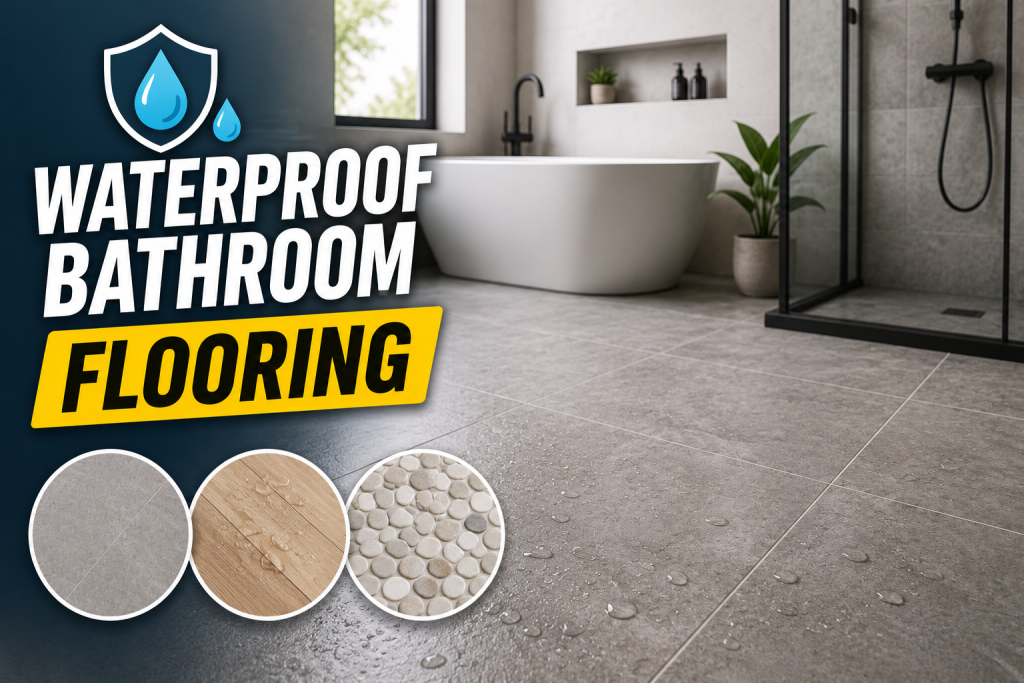
While tile surfaces themselves are waterproof, grout lines are not. This means proper sealing and maintenance are necessary to maintain full moisture protection over time. Without sealing, grout can absorb water, leading to staining or mildew buildup. Compared to other flooring types, tile offers a strong balance of durability and water resistance, making it a practical foundation for long-lasting bathroom design.
Porcelain Bathroom Tile Advantages
Porcelain bathroom tile is often considered the premium choice when selecting the best bathroom tile flooring because of its superior density, durability, and moisture resistance. Compared to standard ceramic, porcelain is fired at higher temperatures, making it harder and significantly less porous. This low porosity is a major advantage in bathroom environments where water exposure is constant. Porcelain resists absorption, which helps prevent staining, mold growth, and long-term water damage. This makes it one of the most dependable options for moisture-resistant tile flooring, especially in high-use family bathrooms.
Another benefit is durability. Porcelain can withstand heavy foot traffic, dropped items, and long-term wear without easily cracking or fading. It also performs well in modern design layouts, offering a wide range of finishes that mimic natural stone, marble, or wood. While installation costs are typically higher due to material hardness, the long-term performance and reduced maintenance make porcelain a strong investment for homeowners prioritizing longevity and safety.
Ceramic Bathroom Flooring Pros and Cons
Ceramic bathroom flooring is a widely used option in the best bathroom tile flooring category because it offers a strong balance of affordability, style variety, and ease of installation. For many US homeowners, ceramic is an accessible way to achieve a durable and visually appealing bathroom floor without the higher cost of premium materials. One of the main advantages of ceramic tile is its design flexibility. It comes in a wide range of colors, patterns, and finishes, making it easy to match different bathroom floor tile ideas and interior styles. It is also easier to cut and install compared to harder materials like porcelain, which can help reduce labor time and installation complexity.
However, ceramic does have limitations. It is slightly more porous than porcelain, which means it is less resistant to moisture over the long term. In high-humidity bathrooms, this can make it less ideal unless properly sealed and maintained. It may also be more prone to chipping in heavy-use areas. Overall, ceramic remains a cost-effective option for moderate-use bathrooms where budget and design flexibility are key priorities.
Slip-Resistant Bathroom Tile Safety Guide
Safety is a critical factor when selecting the best bathroom tile flooring, especially in homes with children, elderly residents, or high daily usage. Bathrooms are naturally prone to wet surfaces, making slip resistance an essential feature rather than just a design preference. Slip-resistant bathroom tile is designed with textured surfaces or specialized finishes that increase traction under wet conditions. These tiles help reduce the risk of falls in areas around showers, tubs, and sinks where water exposure is frequent. Many modern tile options are engineered specifically to meet safety standards for residential use in the US.
Porcelain tiles often offer better slip-resistant options compared to smoother ceramic finishes, although both can be manufactured with textured surfaces. Choosing a matte or lightly textured finish is generally safer than high-gloss tiles in bathroom environments. It’s also important to consider grout lines, as they naturally add traction but require regular cleaning to maintain hygiene and prevent buildup. Combining proper tile selection with good maintenance creates a safer and more reliable bathroom flooring system.
Best Bathroom Tile Flooring Ideas for Modern Homes
Modern bathroom floor tile ideas focus on combining functionality with clean, updated aesthetics that enhance the overall look of US homes. When choosing the best bathroom tile flooring, homeowners increasingly prioritize designs that feel both timeless and practical. Large-format tiles are one of the most popular trends, especially in contemporary bathrooms. They reduce grout lines, making the space appear larger and easier to clean. Neutral tones like soft gray, beige, and warm white are commonly used to create a calm, spa-like atmosphere while maintaining versatility in design.
For more visual interest, patterned or geometric tiles are often used in smaller bathrooms or powder rooms. These designs add character without overwhelming the space. Wood-look porcelain tiles are also widely used, offering the appearance of natural wood with the durability and moisture resistance needed for bathrooms. In many modern US homes, designers also mix textures, such as matte floors with glossy wall tiles, to create depth and contrast while maintaining a cohesive, stylish look.
Durable Bathroom Flooring Performance Over Time
When evaluating the best bathroom tile flooring, long-term durability is one of the most important factors for US homeowners. Bathrooms are high-moisture, high-use environments, so flooring must withstand constant exposure to water, temperature changes, and daily foot traffic without breaking down. Both porcelain and ceramic tiles offer strong performance, but porcelain bathroom tile generally provides superior long-term durability due to its higher density and lower water absorption. This makes it more resistant to cracking, staining, and wear over time, especially in busy family bathrooms.
Durability also depends on installation quality. Even high-quality tile can fail prematurely if the subfloor is uneven or if grout lines are not properly sealed. Over time, poorly maintained grout can weaken the overall flooring system, even if the tile surface remains intact. With proper installation and maintenance, tile flooring can last for decades, making it one of the most reliable durable bathroom flooring options available in residential construction.
Moisture-Resistant Tile Flooring in Humid US Climates
In humid US regions such as the Southeast, Gulf Coast, and parts of the Midwest, selecting moisture-resistant tile flooring is especially important when determining the best bathroom tile flooring. High humidity levels can accelerate mold growth, material swelling, and long-term surface deterioration if the wrong flooring is used. Tile performs exceptionally well in these environments because it does not absorb moisture the way wood or laminate flooring does. Both ceramic and porcelain bathroom tile are commonly used in humid climates, but porcelain is often preferred due to its lower porosity and stronger resistance to water infiltration.
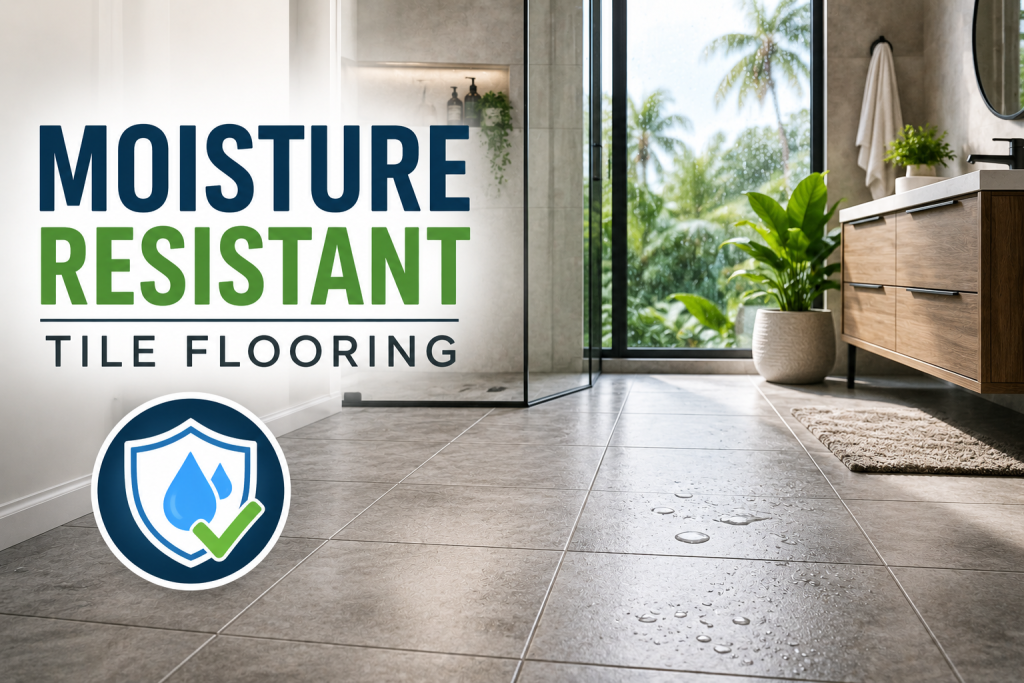
Another advantage of tile in humid conditions is its ability to remain stable during temperature and moisture fluctuations. Unlike organic materials, tile does not warp or expand significantly, making it a reliable choice for long-term bathroom performance. However, grout lines remain a vulnerability. In humid climates, proper sealing and routine cleaning are essential to prevent mildew buildup and maintain hygiene. With correct installation and care, tile flooring offers strong protection in moisture-heavy environments.
Common Bathroom Tile Flooring Mistakes
Even when choosing the best bathroom tile flooring, homeowners often make preventable mistakes that reduce durability, safety, and long-term performance. One of the most common issues is ignoring slip resistance. Selecting glossy or overly smooth tile for wet areas can increase the risk of accidents, especially in showers or near tubs where water exposure is frequent. Another frequent mistake is poor grout maintenance. While tile surfaces are highly durable, grout lines are porous and can absorb moisture and stains over time. Without proper sealing and cleaning, this can lead to discoloration, mildew buildup, and reduced hygiene in the bathroom.
Improper installation is also a major concern. Uneven subfloors, incorrect spacing, or low-quality adhesives can lead to cracked tiles or shifting over time, even with durable bathroom flooring materials like porcelain or ceramic. Finally, many homeowners overlook moisture control beneath the tile system. Without proper waterproofing layers, long-term water exposure can damage the subfloor and compromise the entire installation.
Final Verdict
Choosing the best bathroom tile flooring ultimately comes down to balancing safety, moisture resistance, durability, and budget. In most US homes, tile remains the most reliable option because it performs well in wet environments while offering long-term structural stability. For homeowners prioritizing maximum durability and moisture protection, porcelain bathroom tile is typically the top recommendation. Its low porosity and strong resistance to wear make it ideal for high-traffic bathrooms and long-term use. It also performs well in humid regions where moisture control is a constant concern.
For budget-conscious projects, ceramic bathroom flooring remains a practical alternative. While slightly more porous than porcelain, it still offers solid performance when properly sealed and maintained, especially in standard residential bathrooms with moderate usage. Overall, the best results come from selecting slip-resistant surfaces, ensuring proper waterproofing, and maintaining grout lines regularly. When these factors are combined, tile flooring delivers one of the most durable and visually appealing bathroom solutions available.
FAQs
What is the best bathroom tile flooring for most US homes?
The best bathroom tile flooring is typically porcelain because it offers high durability, low water absorption, and strong long-term performance.
Is porcelain bathroom tile better than ceramic?
Yes, porcelain bathroom tile is generally more durable and moisture-resistant, making it better for high-use or humid bathrooms.
What is the safest bathroom flooring option?
Slip-resistant bathroom tile with a textured or matte finish is the safest option to reduce slipping in wet areas.
Is ceramic bathroom flooring a good choice?
Ceramic bathroom flooring is a budget-friendly option that works well in moderate-use bathrooms when properly sealed.
What makes tile flooring moisture-resistant?
moisture-resistant tile flooring works because tile has low porosity and does not absorb water like wood or laminate.
What are popular bathroom floor tile ideas?
Popular bathroom floor tile ideas include large-format tiles, wood-look porcelain, and neutral matte finishes.
How do I maintain durable bathroom flooring?
durable bathroom flooring lasts longer when grout is sealed, surfaces are cleaned regularly, and water is removed promptly.