


Luxury vs Modern Interior Design
The debate around luxury vs modern interior design has become increasingly relevant as homeowners seek styles that balance aesthetics, comfort, and long-term value. While both approaches often overlap, they represent different design philosophies that influence how a home feels, functions, and is experienced. Luxury interior design focuses on craftsmanship, premium materials, and curated detailing that emphasizes elegance and exclusivity. In contrast, modern interior design prioritizes simplicity, clean lines, and functional layouts, often reducing ornamentation in favor of minimalism. In today’s homes, especially across the US, these styles are frequently blended to create modern luxury homes that combine comfort with sophistication. This hybrid approach has led to new trends such as contemporary luxury interiors and upscale minimalist interiors, where design is both refined and practical. Understanding the difference between these two styles helps homeowners make more informed decisions when planning renovations or selecting a cohesive designer home style.
What Is Luxury Interior Design?
Luxury interior design is a design philosophy centered on exclusivity, craftsmanship, and high-quality materials that create refined and highly personalized living spaces. In the context of luxury vs modern interior design, luxury interiors prioritize detail, texture, and a curated aesthetic that reflects sophistication and status. In luxury interior design, every element is intentional. Materials such as marble, natural stone, solid wood, brass, and custom textiles are commonly used to elevate the overall atmosphere. These features are often paired with bespoke furniture and statement lighting to create visually rich environments.
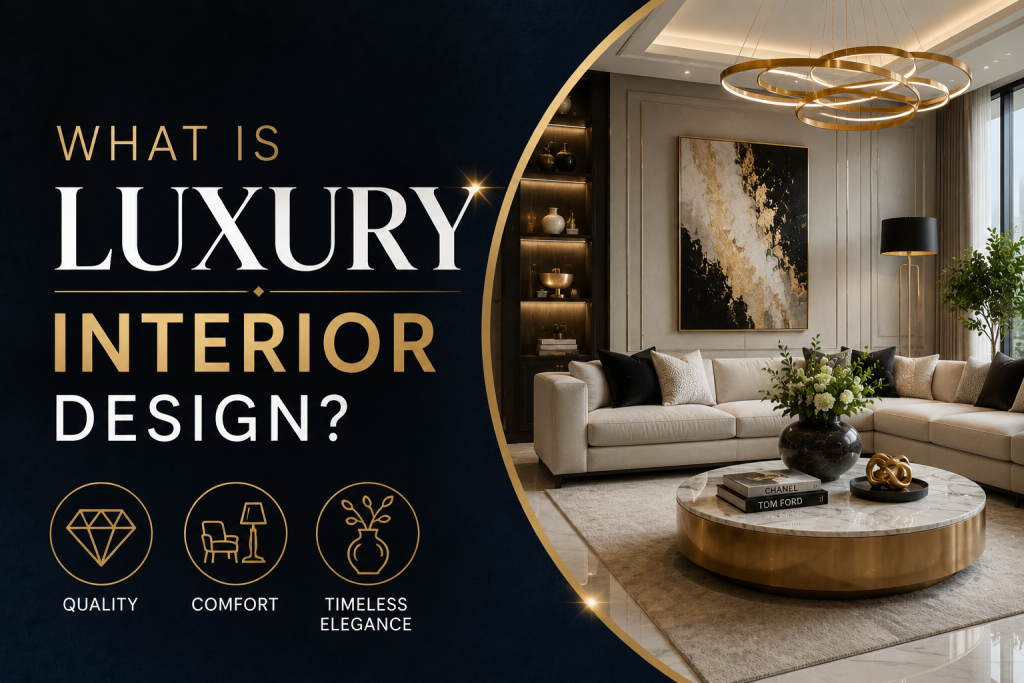
Unlike more minimal approaches, contemporary luxury interiors embrace layering, combining textures, patterns, and architectural detailing to achieve depth and elegance. The goal is not simplicity, but refinement and harmony. In many modern luxury homes, this style also incorporates modern functionality, but always with an emphasis on visual impact and premium execution. The result is a space that feels both comfortable and distinctly elevated.
What Is Modern Interior Design?
Modern interior design is a style rooted in simplicity, functionality, and clean architectural expression. In the context of luxury vs modern interior design, modern spaces focus less on ornamentation and more on clarity, open space, and purposeful design choices. This style is defined by neutral color palettes, straight lines, and uncluttered layouts. Materials are often kept minimal and natural, including wood, glass, steel, and concrete, allowing the structure of the home to become a key visual feature. Unlike more decorative approaches, modern design prioritizes efficiency and spatial flow. In modern home decor comparison, modern interiors are typically more restrained than luxury styles, avoiding excessive detailing in favor of minimal visual noise. Furniture is functional, often modular, and designed to blend seamlessly into the space. In modern luxury homes, this aesthetic is often softened with premium materials and curated accents, creating a balanced hybrid between comfort and contemporary design simplicity.
Luxury vs Modern Interior Design Key Differences
Understanding luxury vs modern interior design comes down to how each style prioritizes aesthetics, materials, and spatial experience. While both can overlap in modern luxury homes, their core philosophies remain distinct. In luxury interior design, the focus is on richness, detail, and craftsmanship. Spaces are layered with textures, decorative accents, and premium materials to create a sense of depth and sophistication. In contrast, modern design emphasizes restraint, where simplicity and clean lines define the space with minimal ornamentation. Material usage also differs significantly. Contemporary luxury interiors often feature marble, brass, velvet, and custom millwork, while modern interiors rely more on concrete, glass, and neutral finishes for a streamlined look. Another key difference lies in spatial expression. Luxury interiors aim for visual impact and curated elegance, while modern design prioritizes openness and functionality, often seen in upscale minimalist interiors. Together, these differences help homeowners choose or blend designer home styles based on lifestyle and aesthetic preference.
Contemporary Luxury Interiors Explained
Contemporary luxury interiors represent a refined evolution of luxury vs modern interior design, blending the richness of traditional luxury with the clean simplicity of modern aesthetics. This hybrid style is especially popular in modern luxury homes, where homeowners want elegance without excessive ornamentation. In contemporary luxury interiors, spaces are still defined by high-quality materials such as marble, natural stone, hardwood, and custom metal finishes. However, unlike traditional luxury, these materials are used with more restraint, allowing negative space and architectural clarity to play a stronger role. Furniture in this style tends to be streamlined but still sophisticated, often featuring soft curves, neutral tones, and premium fabrics. This creates a balance between comfort and visual refinement that aligns with evolving interior design trends. Lighting is also more architectural and subtle, with integrated fixtures and sculptural elements enhancing the space without overwhelming it. The result is a balanced approach that sits between elegant contemporary interiors and minimalist modern design principles.
Modern Luxury Homes and Minimalist Influence
Modern luxury homes represent a growing shift in luxury vs modern interior design, where homeowners combine high-end materials with minimalist principles to create refined yet highly functional spaces. This approach is heavily influenced by upscale minimalist interiors, which prioritize openness, simplicity, and intentional design. In these homes, luxury is no longer expressed through excess but through precision and restraint. Clean architectural lines, open floor plans, and carefully selected furnishings define the space. Instead of heavy ornamentation, the focus is on proportion, natural light, and spatial flow.
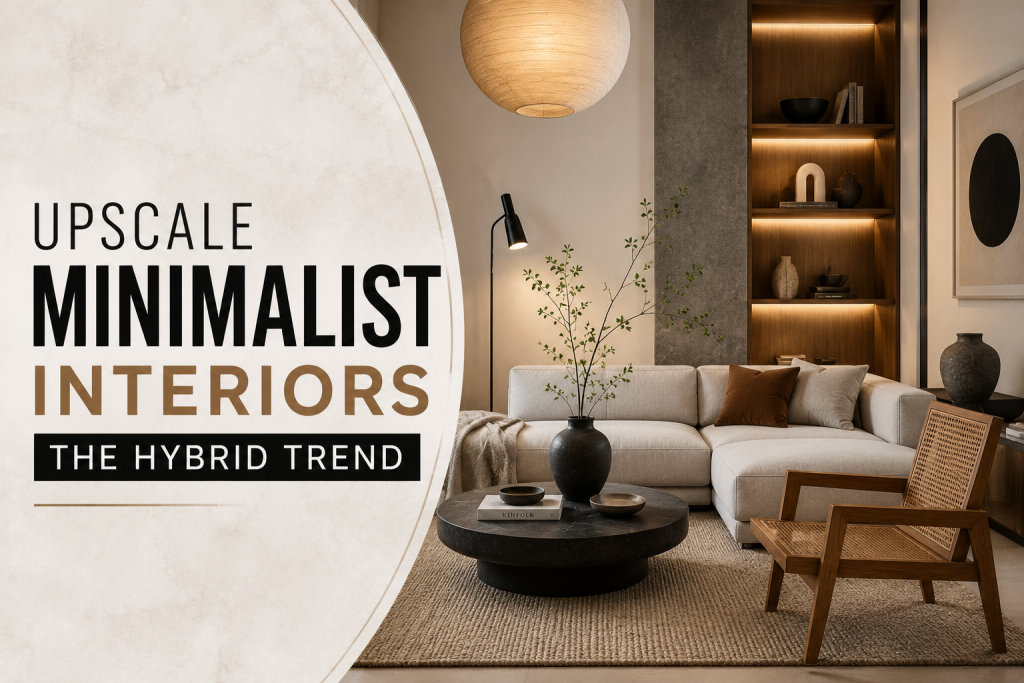
High-end materials are still central to the design, but they are used more sparingly. Stone, wood, and metal are incorporated in subtle ways to maintain warmth while preserving a minimalist aesthetic. This balance is what makes modern luxury homes feel both sophisticated and livable. The result is a seamless blend of comfort and elegance, where designer home styles evolve into more functional, uncluttered environments aligned with modern living.
Upscale Minimalist Interiors: The Hybrid Trend
Upscale minimalist interiors represent one of the most influential outcomes in the ongoing discussion of luxury vs modern interior design. This hybrid trend blends the refinement of luxury aesthetics with the restraint and clarity of modern minimalism, creating spaces that feel both elevated and livable. In modern luxury homes, this approach removes unnecessary ornamentation while still preserving a strong sense of quality and sophistication. Instead of layering excessive decor, designers focus on fewer, more impactful elements, such as custom furniture, sculptural lighting, and high-quality natural materials. Neutral color palettes dominate these interiors, often paired with subtle contrasts to maintain depth. Materials like oak, limestone, linen, and brushed metal are used to introduce texture without overwhelming the space. This careful balance is what defines elegant contemporary interiors within a minimalist framework. As interior design trends continue to evolve, upscale minimalism has become a preferred choice for homeowners seeking sophistication without visual clutter, making it a key direction in modern residential design.
Designer Home Styles Comparison Table
To better understand luxury vs modern interior design, it helps to compare their defining characteristics side by side. While both styles can overlap in modern luxury homes, their approach to materials, layout, and aesthetics differs significantly.
| Feature | Luxury Interior Design | Modern Interior Design |
| Overall Focus | Elegance, detail, and craftsmanship | Simplicity, function, and clarity |
| Materials | Marble, brass, velvet, custom woodwork | Concrete, glass, steel, natural wood |
| Color Palette | Rich neutrals, deep accents, layered tones | Neutral, monochrome, restrained palettes |
| Furniture Style | Ornate, custom, statement pieces | Minimal, functional, streamlined |
| Space Approach | Layered, curated, visually rich | Open, uncluttered, highly functional |
| Decor Strategy | Artistic, detailed, expressive styling | Minimal decor, intentional placement |
This comparison highlights how contemporary luxury interiors often blend both approaches, creating a balance between visual richness and clean design. Many upscale minimalist interiors today borrow elements from each style, resulting in more adaptable designer home styles suited for modern living.
Interior Design Trends in 2026
The evolution of luxury vs modern interior design continues to shape major interior design trends in 2026, with a strong movement toward balance, warmth, and functionality. Instead of choosing strictly between styles, homeowners are increasingly blending elements from both to create personalized living spaces. One of the most prominent trends is the rise of elegant contemporary interiors, where modern simplicity is softened with luxurious materials. This includes the use of natural stone, warm wood tones, and textured finishes that bring depth to otherwise minimal spaces. In modern luxury homes, curved furniture, organic shapes, and softer architectural lines are replacing rigid, angular designs. This shift helps create more inviting and comfortable environments while maintaining a refined aesthetic. Another key trend is the continued popularity of upscale minimalist interiors, where clutter-free layouts are paired with high-quality statement pieces. This approach ensures that every design element feels intentional, supporting both functionality and visual appeal in today’s evolving home styles.
Which Style Is Right for Your Home?
Choosing between luxury vs modern interior design depends on your lifestyle, space, and how you want your home to feel on a daily basis. Both styles offer strong advantages, but they serve different priorities when it comes to comfort, aesthetics, and functionality. If you prefer richness, detail, and a highly curated environment, luxury interior design may be the better fit. It works especially well in larger homes where layered materials, statement decor, and architectural detailing can be fully expressed. This approach aligns closely with contemporary luxury interiors and more expressive designer home styles. On the other hand, if you value simplicity, openness, and clean visual flow, modern interior design is often more suitable. It is ideal for smaller spaces or homeowners who prefer uncluttered living environments and efficient layouts. Many modern luxury homes follow this direction with a minimalist foundation. For many homeowners, the best solution is a hybrid approach, blending both styles into upscale minimalist interiors that balance elegance with everyday practicality.
Conclusion
Understanding luxury vs modern interior design helps homeowners make smarter design decisions based on lifestyle, space, and personal preference. Whether choosing the richness of luxury or the simplicity of modern aesthetics, both paths can create beautiful homes when executed thoughtfully. Today’s elegant contemporary interiors and upscale minimalist interiors show that the future of design is not about choosing one style, but blending both into functional, timeless living spaces.
FAQ About Luxury vs Modern Interior Design
What is the main difference between luxury and modern interior design?
The main difference in luxury vs modern interior design is that luxury focuses on detail, richness, and premium materials, while modern design emphasizes simplicity, function, and clean lines.
Can you mix luxury and modern interior design?
Yes, many modern luxury homes combine both styles, creating contemporary luxury interiors that balance minimalism with high-end finishes and curated decor.
Which style is more expensive?
Generally, luxury interior design is more expensive due to custom furniture, premium materials, and detailed craftsmanship, compared to more streamlined modern interiors.
What are upscale minimalist interiors?
Upscale minimalist interiors blend the clean structure of modern design with subtle luxury elements, using high-quality materials and minimal but impactful styling.
What is trending in interior design today?
Current interior design trends favor hybrid spaces that mix modern simplicity with elegant textures, natural materials, and soft architectural details.